Apuseni Mountains: Caves, Villages and Scenic Drives
Plan the Apuseni Mountains in Transylvania: Scărișoara's ice cave, Geamăna's sunken village, Rimetea, Gârda de Sus and getting around by car.
On this page
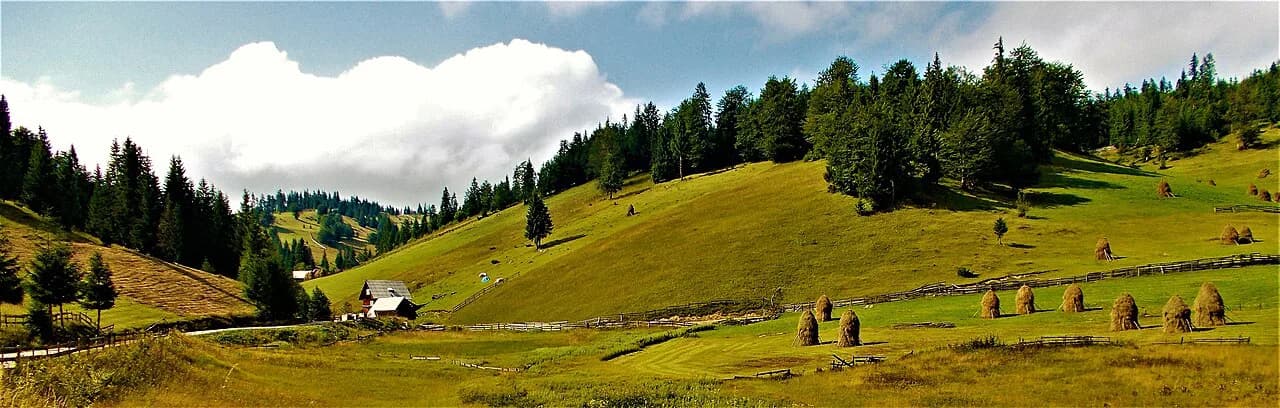
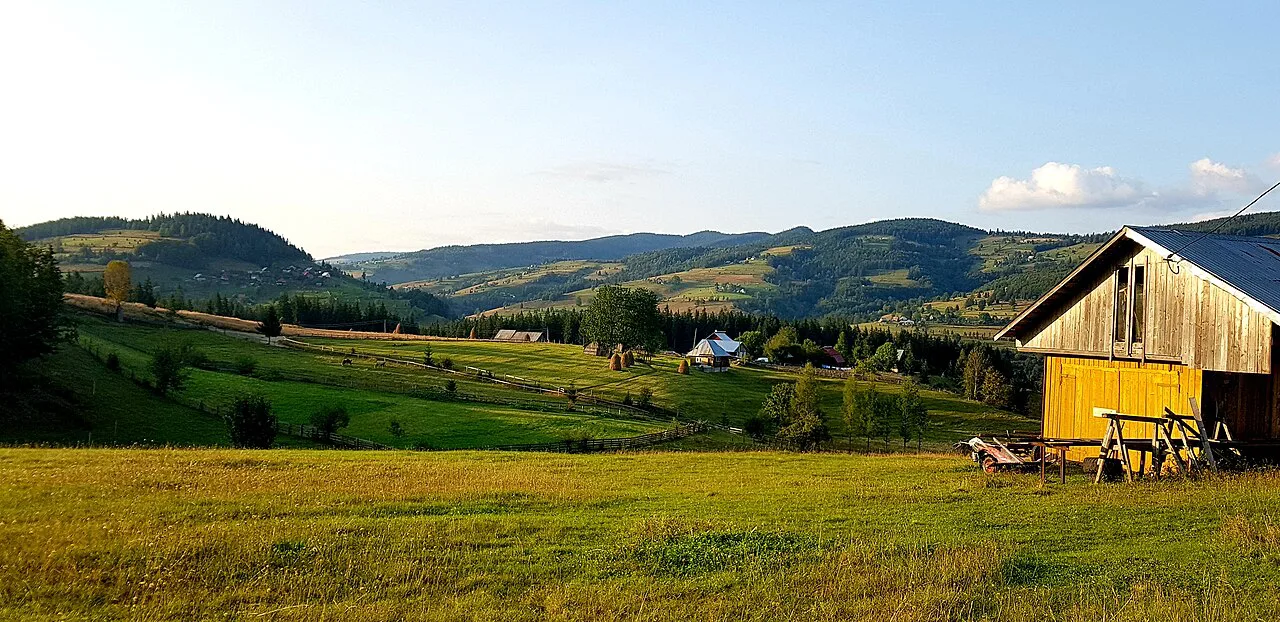
The Apuseni Mountains are best treated as a road-trip cluster of caves, villages and craft workshops rather than a single headline sight, with base points at Rimetea and Gârda de Sus. They form part of the Western Carpathians in Transylvania, and the Bihor range within them holds Vârful Bihor.
This guide covers which sites are worth your time, what each visit physically involves, and how the region fits with Cluj-Napoca or Oradea. Opening days, ticket prices and seasonal closures are not listed here, so confirm them with the cave or workshop before you drive out.
Where the Apuseni sit within the Carpathians
The Apuseni are a chain within the Western Carpathians, running through Transylvania in western Romania. The highest summit is Vârful Bihor, in the Bihor range of the group.
For route planning, the range sits west of Cluj-Napoca and south-east of Oradea, so either city works as a gateway. Use a Transylvania map to see how the Apuseni relate to the towns and castles you already plan to visit.
Do not plan the Apuseni as a quick stop between Brașov and Cluj-Napoca. The sites below spread across a wide area of upland villages and single-track roads, and the day goes on driving as much as on the places themselves.

Which places are worth your time
Six places justify the detour: Scărișoara's ice cave, Geamăna, Rimetea, the old church at Gârda de Sus, Evantai waterfall and the via ferrata at Vadu Crisului. Add the white ceramic pottery workshop if you want something made rather than photographed.
Sort them by effort before you book anything. Geamăna and Rimetea are village stops you can combine with a drive; Scărișoara and Gârda de Sus need a walk; Evantai and the Vadu Crisului via ferrata need fitness and, for the waterfall, previous hiking experience.
Scărișoara cave sits inside the Apuseni alongside other karst sights, and guided tours bookable online cover the region's caves and gorges, including Scărișoara. Compare what a tour includes against driving yourself before committing.
Scărișoara: the underground glacier and what the visit involves
Scărișoara holds a perennial ice deposit inside a cave, with a block measured at more than 10,000 cubic metres by University of South Florida scientists in 2017. Treat that figure as a 2017 measurement rather than a live reading.
The ice preserves plant and animal fragments from now-extinct species, which is what makes the cave a scientific site as well as a visitor one. Go for the ice itself and the descent into the cave rather than for spectacle.
The interior stays cold whatever the weather above, so wear proper shoes and a warm layer, and confirm the cave's opening arrangements before you commit to the drive.
Geamăna: the sunken village and its church tower
Geamăna is a village drowned by the decanting basin of the Roșia Poieni copper mine, which expanded during the communist period after locals were paid to leave. Around 400 houses lie under the waste, leaving the church tower standing on a hill above the water.
Come here to look and to understand, not to picnic. The basin has polluted water streams and land around it, so keep to the viewpoint, keep children and dogs close, and keep off the shoreline as a path.
The stop takes minutes rather than hours, which makes it easy to pair with Rimetea or the pottery workshop on the same loop. Photographers should bring a longer lens; the tower is the subject and it sits well away from the road.
Rimetea village: limestone walls, climbing and the Europa Nostra award
Rimetea is a medieval village of whitewashed houses below vertical limestone walls, and it won a Europa Nostra Award from the European Commission for preserving its cultural heritage. That award is the reason to walk the streets rather than just pass through.
The surrounding limestone walls draw climbers and paragliders, and the village is a relaxed place to spend a night or two if you want the Apuseni without long drives each morning.
Use Rimetea as an anchor of a wider Transylvania itinerary rather than a standalone trip; it pairs naturally with Cluj-Napoca and the towns beyond.
Biserica Veche at Gârda de Sus
The old church at Gârda de Sus, Biserica Veche, dates from 1792 and is built in the wooden style typical of Maramureș to the north. Its interior was painted in the early 19th century and it is protected as a historic monument.
Inside are wooden and glass-painted icons, which is the reason to go beyond the exterior photograph. It is an active religious building, so dress and behave accordingly and keep voices down if a service is on.
Gârda de Sus is the practical base for Scărișoara and the surrounding uplands. Village churches can be locked outside service times, so if you find the Biserica Veche closed, ask locally whether it reopens rather than assuming it is shut for good.
Evantai waterfall and what reaching it demands
Evantai takes its name from its fan shape, formed where an underground river breaks out above the rock. It is at its fullest after rain and in autumn, when the flow is bigger.
Reaching it demands hiking experience and a reasonable level of fitness, and the route is not for casual walkers in trainers. If you are not confident on rough ground, skip Evantai and spend the time at Rimetea or the pottery workshop instead.
Hiking in the Apuseni more broadly is best treated as a half-day affair for most visitors; plan one walk, then move on to the villages.
Vadu Crisului: via ferrata, suspension bridge and river valley
Vadu Crisului has a via ferrata route whose appeal is the suspension bridge, the river valley and the gorge walls around it. It suits travellers who want one active day in the middle of a driving trip.
The same valley offers zipline, rafting, hiking and biking, so non-climbers in the group have options while others are on the route. Via ferrata means clipping into fixed cables, so go with appropriate equipment and guidance rather than improvising.
The white ceramic pottery workshop
A white ceramic pottery workshop in the Apuseni can be visited, and you can make your own piece as a souvenir while putting money into the local economy. The pottery tradition here is centuries old and the white pottery is described as unique in Europe.
Ask your accommodation to help arrange a visit and confirm the timing, since a working workshop runs on its own schedule. Finished pieces are easier to carry home than wet ones, so check how long a made piece needs before it travels.
Where to base yourself: Rimetea, Gârda de Sus and the Padiș area
Rimetea suits travellers who want village life, climbing and short drives to Geamăna and the pottery workshop. Gârda de Sus suits those heading for Scărișoara and the old church.
The Padiș area opens onto the high plateau of the Apuseni, with sinkholes, viewpoints and walking country around it. Pick one base for two or three nights rather than moving nightly; the drives between villages eat the day.
If you would rather have towns, shops and restaurants in the evening, base in Cluj-Napoca or Oradea and treat the Apuseni as day trips. Compare the towns on the way with our pick of the best towns in Transylvania before you fix a route.
Getting around: car versus tour, and why distances take longer than they look
A car is the practical way to link Scărișoara, Geamăna, Rimetea and Gârda de Sus in one trip, since the sites sit in different valleys with limited public transport. Allow generous time between stops; upland roads and village traffic slow you down.
Tours exist for the region's caves and gorges, and they remove the navigation and parking problems in exchange for fixed timings. If you use one, ask which caves are included rather than assuming Scărișoara or Bears' Cave is covered on a given product.
Bears' Cave, Peștera Urșilor, is a separate cave visit from Scărișoara and one of the karst sights named among the Apuseni's caves; it is worth reading up on if cave geology interests you. Our guide to the Bear Cave sets out what the visit involves.
Driving yourself means facing mountain roads after a full day of walking, so plan the longest transfer for the morning. Fuel up in towns before heading into the villages.
How long the Apuseni need and how to combine them with Cluj-Napoca or Oradea
Give the Apuseni two full days as a minimum: one for Scărișoara and Gârda de Sus, one for Geamăna and Rimetea, with evenings in the village you sleep in. Three days lets you add the via ferrata at Vadu Crisului or the waterfall without rushing.
Cluj-Napoca and Oradea both make sensible bookends, and the region combines well with Transylvania holidays built around the towns and castles. Keep the Apuseni as a block of two or three nights rather than threading them between city stops.
If you would rather hand the driving and planning to someone else, look at what a Transylvania tour covers before deciding to self-drive. Either way, check current cave hours and workshop visits directly with each site before you set out.
Should the Apuseni be your next stop after Cluj-Napoca?
Yes, if you have a car and two or three nights to spare, and no, if you are squeezing the region into a single day between cities. The caves, the sunken village and the wooden church are strong enough to justify the drive, but only at a pace that lets you actually stop.
Build the trip around one base, take the caves and the villages on separate days, and leave the via ferrata or Evantai for travellers with the fitness and experience for them. Confirm opening arrangements with each site before you leave, then let the roads set the rhythm.
Explore more Transylvania guides
Frequently Asked Questions
Do the Carpathian Mountains go through Transylvania?
Yes. The Apuseni chain belongs to the Western Carpathians and runs through Transylvania in western Romania, with the Bihor range holding Vârful Bihor.
Is Vârful Bihor in the Apuseni Mountains?
Yes. The highest peak of the Apuseni is Vârful Bihor, in the Bihor range of the group, and it is the name to look for on a map of the Apuseni.
What are the Apuseni Mountains part of?
The Apuseni are a mountain chain in Transylvania that forms part of the Western Carpathians, itself the western section of the wider Carpathian arc.
Sources
Useful notes for your next trip
Optional updates to our guides.
You might also like
Continue reading
More guides you'll find useful