Odorheiu Secuiesc: A Guide to the Székely Town Centre
Odorheiu Secuiesc is a quiet Székely town in Harghita county with a two-square historic core, a citadel ruin and Hungarian-speaking street life.
On this page
Odorheiu Secuiesc needs half a day, not a full one: its historic core is two conjoined squares with a stretch of old citadel ruin and a cluster of churches close by, and the rest of the town spreads out in quieter residential streets. Hungarian is the everyday language of the centre, known locally as Székelyudvarhely, so signage and conversation sit closer to Hungarian than to English. This guide sets out how the centre is arranged, what to look for on foot, and how the town fits a wider Transylvania route between the bigger bases.
Where Odorheiu Secuiesc is
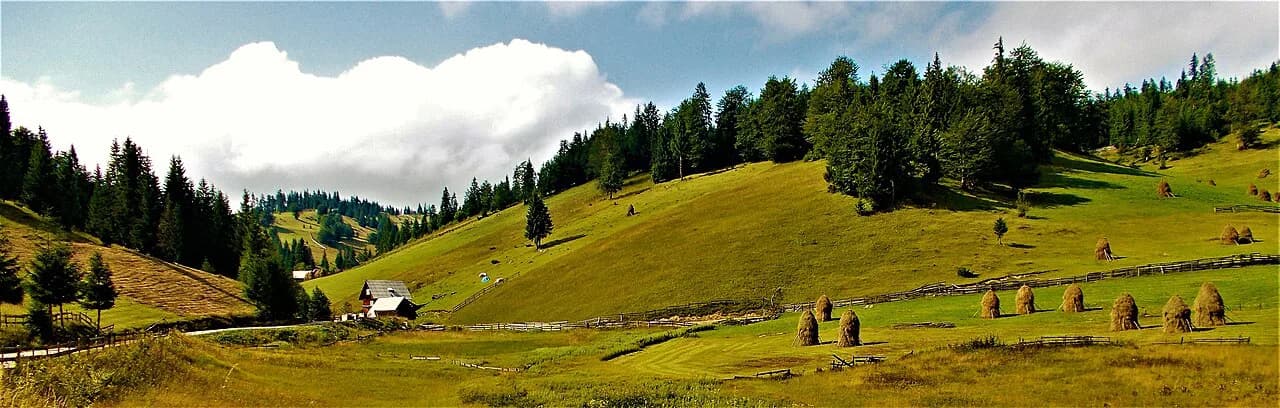
The town lies in Harghita county in the south-eastern part of the Transylvanian basin, with the Harghita mountains and their foothills wrapping around it. The city hall describes it as the second largest city in the county and the centre of the historic Udvarhely region. In practice that means a compact, low-rise town rather than a city on the scale of Brașov or Cluj-Napoca.
Coming from Târgu Mureș, the road runs south-east across the hills; the town's own presentation sets it 105 km from that city. Treat it as a half-day stop on a loop that links the Székely villages, rather than a base for the castles and Saxon churches further west. The Transylvania map is the quickest way to see how those pieces sit together before you commit to a route.
How the centre is laid out
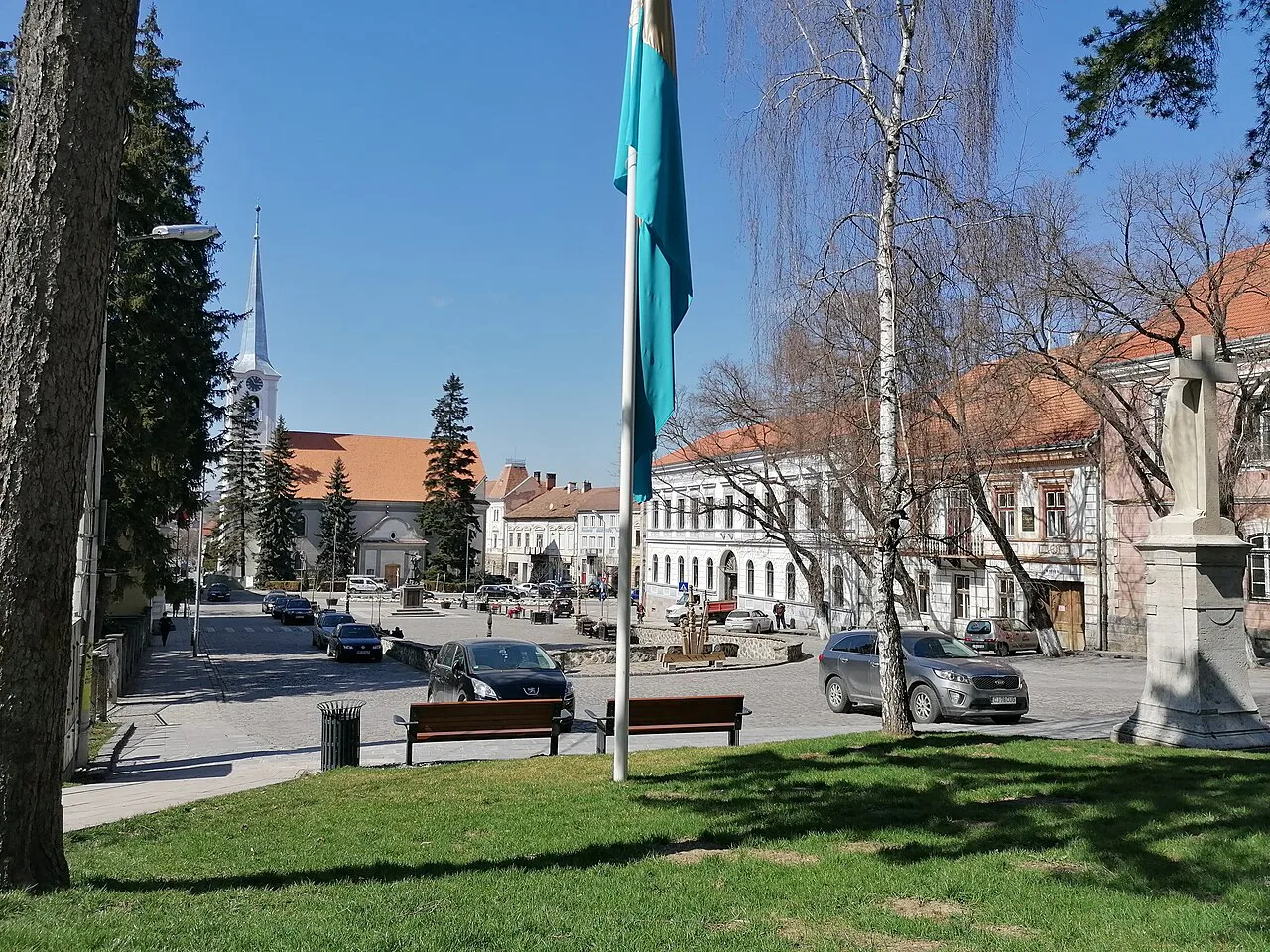
The historic core is two conjoined squares, and that shape is what makes the town easy to walk. Rather than a single grand piazza, you get one space opening into the next, with the main civic and church buildings set around and between them. Plan your walk as a figure-of-eight through both squares instead of a straight line, so you cover the facades on both sides.
Away from the centre the town turns residential, with apartment blocks that are well kept and freshly painted rather than the concrete-heavy districts found in some other Transylvanian cities. That contrast is worth knowing before you arrive: the sights are concentrated in a small area, and the surrounding streets are ordinary daily life rather than further attractions.
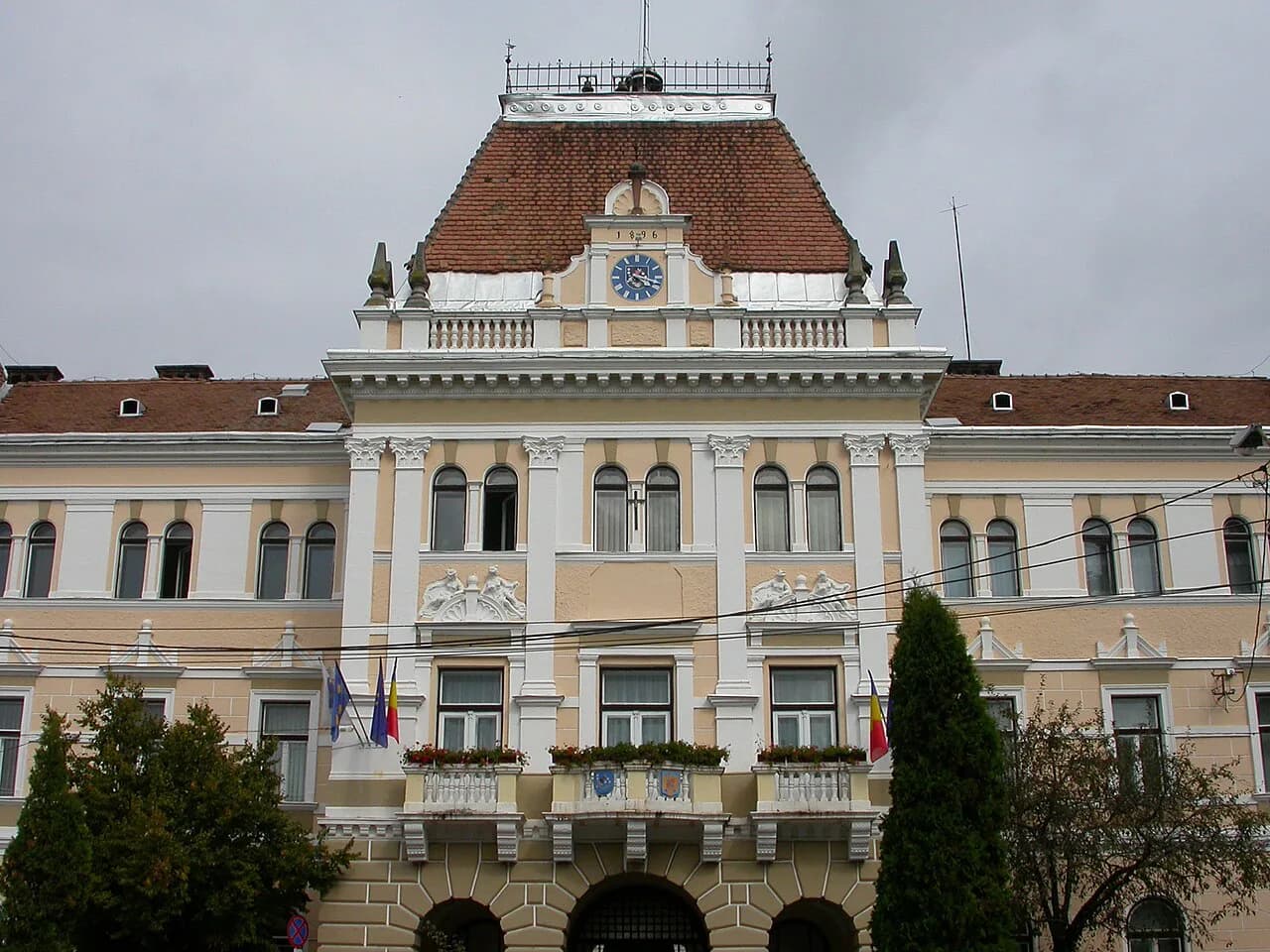
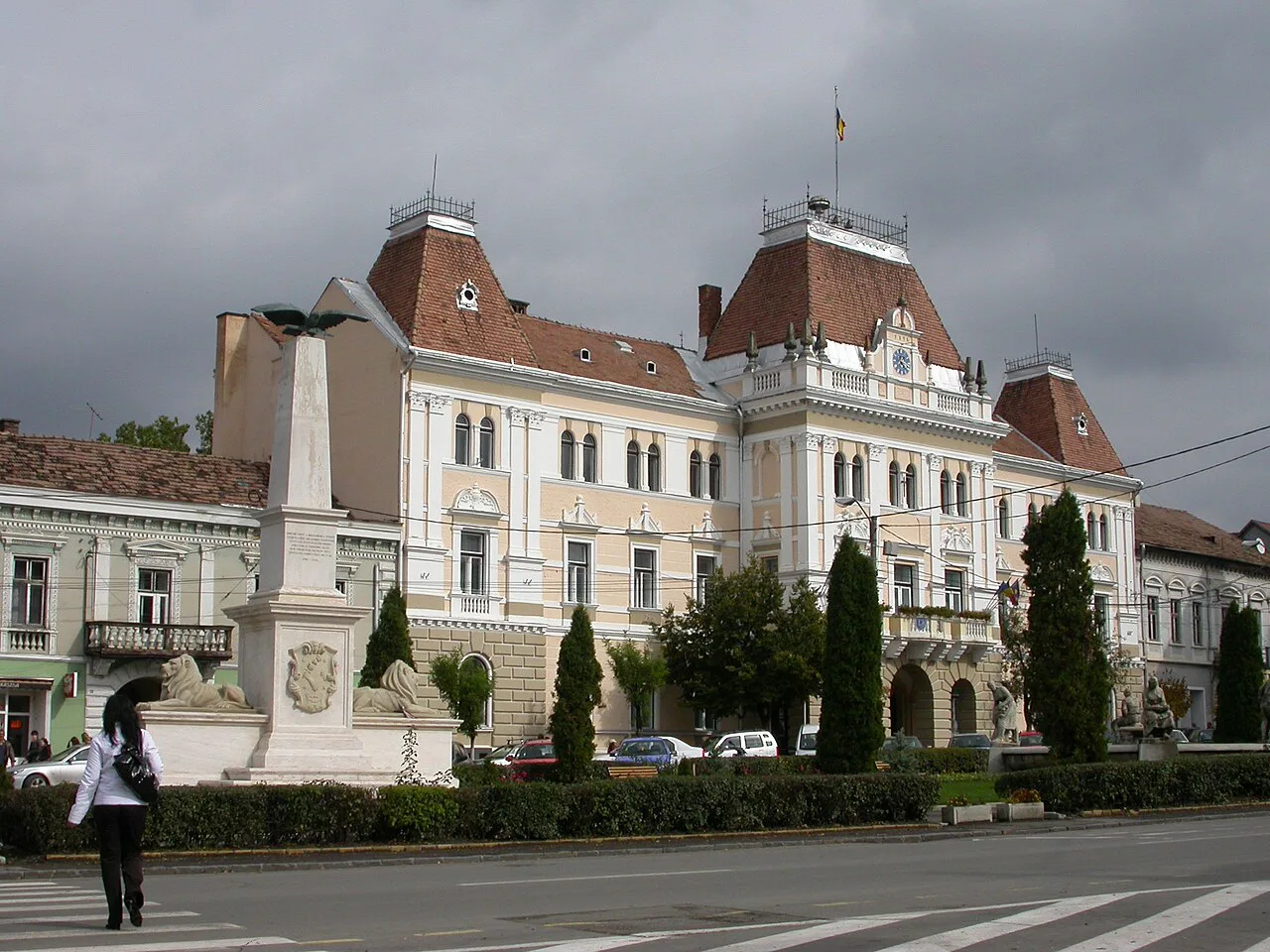
The city hall sits on Városháza tér, and its published opening hours are for the office itself: Monday to Thursday 08:00 to 16:00 and Friday 08:00 to 13:30, closed at weekends. Use those hours only if you need municipal business, such as tourist information; they are not the hours of a museum or a monument.
The old citadel and Budvár hill
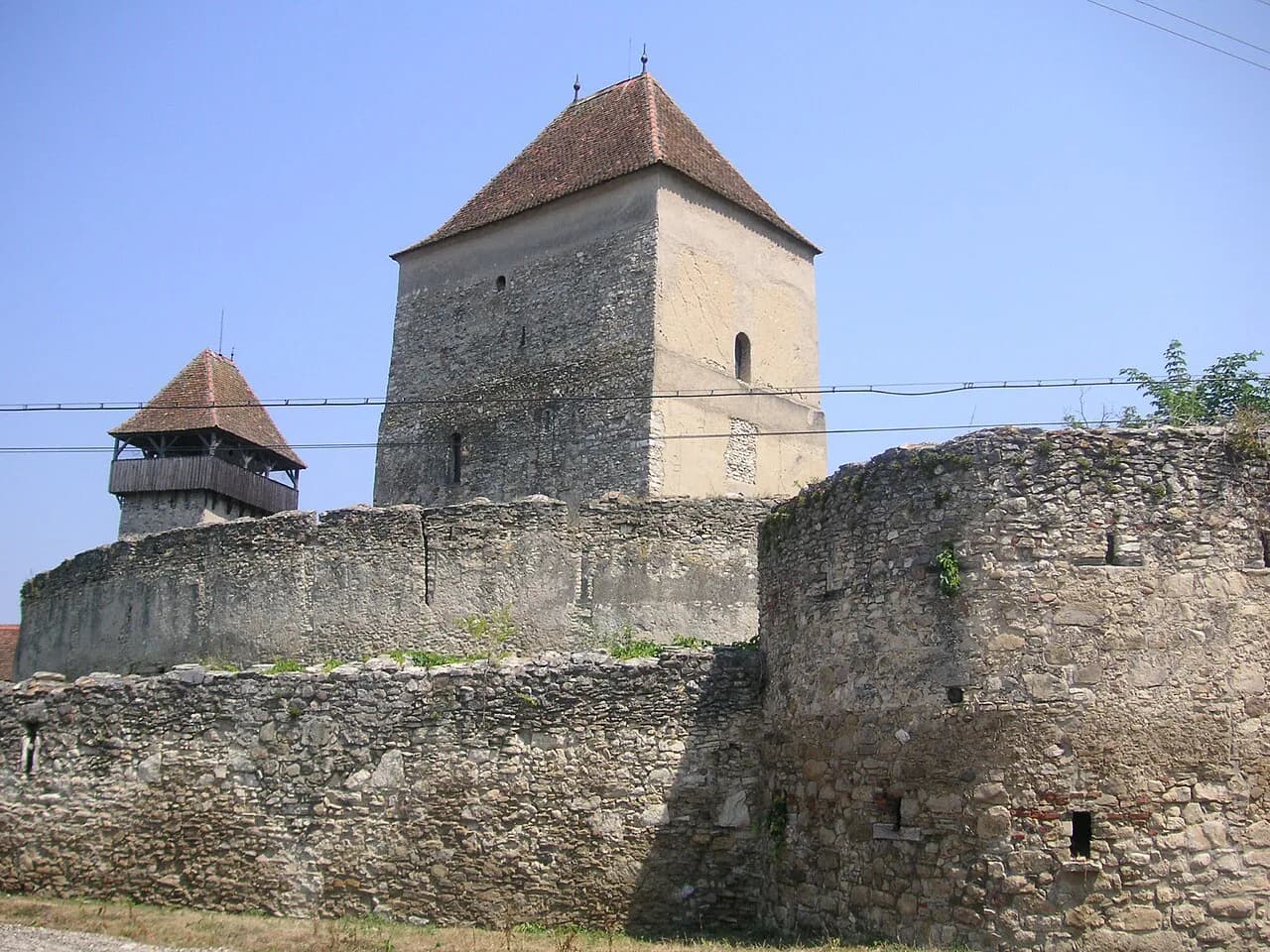
Among the central sights are the ruins of the old citadel, which the town's historic core is known for alongside the squares and churches. They are a fragment to look at and read rather than a reconstructed fortress with rooms to walk through, so give them the time of a short stop rather than an excursion.
Budvár hill rises above the town, and the city hall records archaeological material on the hill and in the centre spanning the late Stone Age, Bronze Age, Iron Age, Roman period and the Árpádian era. The same source names peaks around the town, including Szarkakő, Csicser, Nagyoldal and Budvár, which gives you a sense of the ring of high ground enclosing the basin. Climb for the view over the two squares and the rooftops, and leave it at that.
Churches and buildings to look for
The centre holds a clutch of beautiful churches within a few minutes of each other, which is the main reason the walk rewards a slow pace rather than a checklist. Look at the exteriors and the setting in the squares first, then check whether any door is open as you pass. The town's tourism pages list what is open and when, so pick up the current position there rather than relying on an old plan.
Beyond the churches, a handful of other buildings of note sit in and around the core. Rather than chasing a long list, work the two squares and the streets that connect them, and let the facades do the work — this is a town where a fifteen-minute detour sideways often turns up more than the next named sight.
A Hungarian-speaking Székely town
This is a Székely centre, and the city hall gives the town's population as 36,234, of whom 96% belong to the Hungarian minority. Signs, shop names and everyday conversation therefore run in Hungarian first, with Romanian alongside and English thinner on the ground. If you speak neither Hungarian nor Romanian, keep place names written down and use them when asking directions.
The town was called the Szekler-Athens in the last century, and the city hall still uses the name to describe its role as a centre of intellectual life for Transylvanian Hungarians. Read that as a description of the town's cultural weight in the region, not as a claim about what you will find on a half-day walk.
How long to give it, and how it fits a trip
Half a day covers the two squares, the citadel ruin, the churches and a climb for the view, with time left for a coffee. A full day only makes sense if you are using the town as a pause between the surrounding Székely villages rather than racing to the next castle. If you are building a longer route across the region, slot it between the bigger bases rather than making it the anchor of the trip.
The honest trade-off is that Odorheiu Secuiesc is a modest, quiet town and not a headline sight. If your time is short and your priorities are Bran Castle, the Saxon fortified churches and the Peleș and Râșnov castles, this is the stop to drop. If you are already crossing the Székelyland and want a calm afternoon among Hungarian-speaking streets, it earns its place.
Building a route around the bigger towns usually means spending several nights in one place and day-tripping out; a Transylvania itinerary sets that rhythm out properly. On a guided Transylvania tour you will often get less time here than the town deserves, so check the stop's length before booking.
Getting there and the surrounding villages
Roads from Târgu Mureș and the Harghita county towns converge on Odorheiu Secuiesc, and the town sits at the centre of the historic Udvarhely region, which makes it a natural point to break a drive across the Székely villages. Rail and bus timetables change by season; confirm them with the operator before you set out. Budget for the fact that the surrounding villages are spread out and thin on public transport, so a car or a driver makes the difference to what you can reach in a day.
The villages of the surrounding Székelyland, with their carved gates and small churches, are the reason many travellers come this far east. They sit in the hills identified by the city hall as the Küküllő hilly country beneath peaks such as Szarkakő and Csicser, so plan a loop out from town rather than a return trip to a single village. If you are heading on west afterwards, the Apuseni Mountains and the Western Carpathians make a logical next leg of the circuit.
Is Odorheiu Secuiesc worth the detour?
Worth it if you are already in Székelyland and want a quiet, Hungarian-speaking town with an easy core to walk; not worth rearranging a first Transylvania trip around. Give it half a day, start in the two squares, then take the citadel ruin and a hilltop view before moving on.
Check the town's tourism pages for what is open on the day you arrive, since church and museum access varies, and confirm your onward transport before you leave the centre. If the weather closes in, the compact core means you can still see the main squares and facades in a short window.
Explore more Transylvania guides
Frequently Asked Questions
Do people speak English in Odorheiu Secuiesc?
Expect Hungarian first and Romanian second in shops and on signs. The city hall records that 96% of the town's residents belong to the Hungarian minority, so English is less reliable than in Brașov or Bucharest. Write place names down and show them when asking for directions.
Is Odorheiu Secuiesc the same as Székelyudvarhely?
Yes. Székelyudvarhely is the Hungarian name for the same town, and you will see it on signs, addresses and local websites alongside the Romanian form.
Sources
Useful notes for your next trip
Optional updates to our guides.
You might also like
Continue reading
More guides you'll find useful