Transylvania Map: Towns, Castles and Villages for Your Trip
Use this Transylvania map guide to place Brașov, Sibiu, Sighișoara, Bran and Biertan, then link them into a route by train or car.
On this page
Transylvania is a historical and cultural region in central Romania, framed east and south by the Carpathian Mountains, so a map of it is really a map of where you cross those mountains and where you stop on the way. For a first trip the working map is short: Brașov, Sibiu and Sighișoara form the spine, with Bran and Râșnov close to Brașov and Saxon villages such as Biertan and Mălâncrav between Sibiu and Brașov. See the wider Transylvania guide for the region as a whole.
This guide treats the region as a route rather than a list of pins: which towns chain together by train, where a castle visit fits, and where a village church fits into a driving day. It also covers the Transfăgărășan as a line over the mountains and the wider map west and north.
Where Transylvania is on the map of Romania
Transylvania covers central Romania and is flanked to the east and south by the Carpathian Mountains, with Wallachia beyond the southern ridge. It has no border post or separate currency: you arrive in it by train or road from Bucharest, Cluj-Napoca or Timișoara without noticing a line.
The practical consequence for route planning is that the mountains decide your shape: Brașov sits in a basin on the inside edge, Sibiu sits west of the Olt valley, and the roads between them either follow the river or climb over. Think of the region as a broad oval with the mountains as its rim, and your trip as a line drawn inside it.
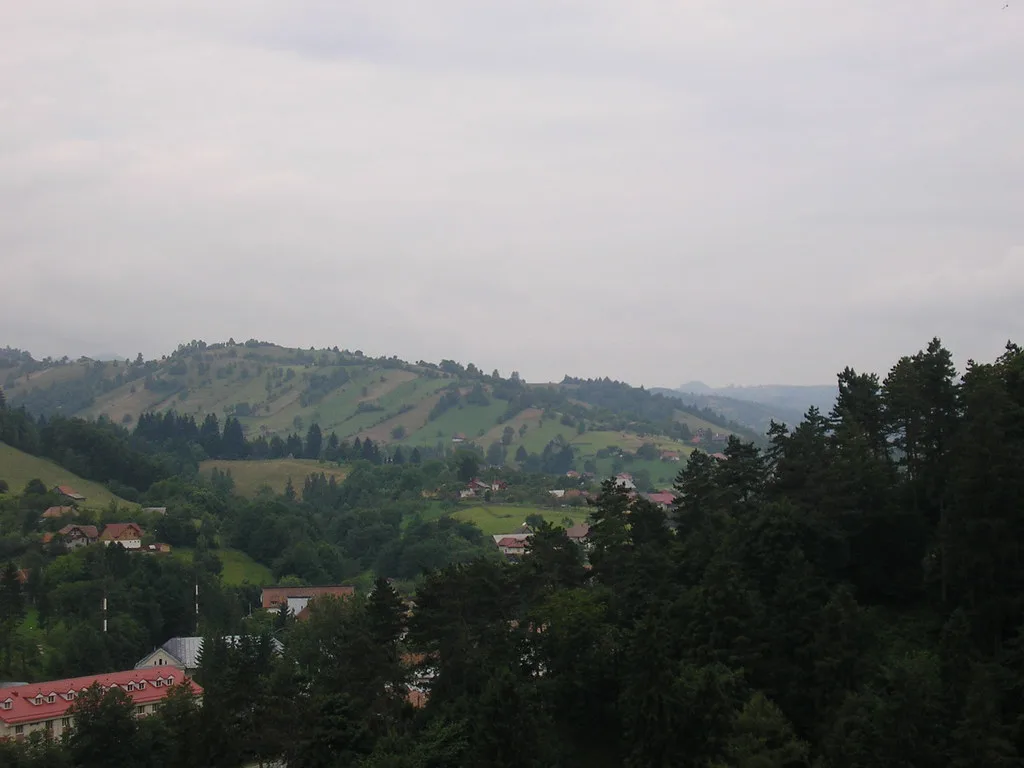
The three anchor towns: Brașov, Sibiu and Sighișoara
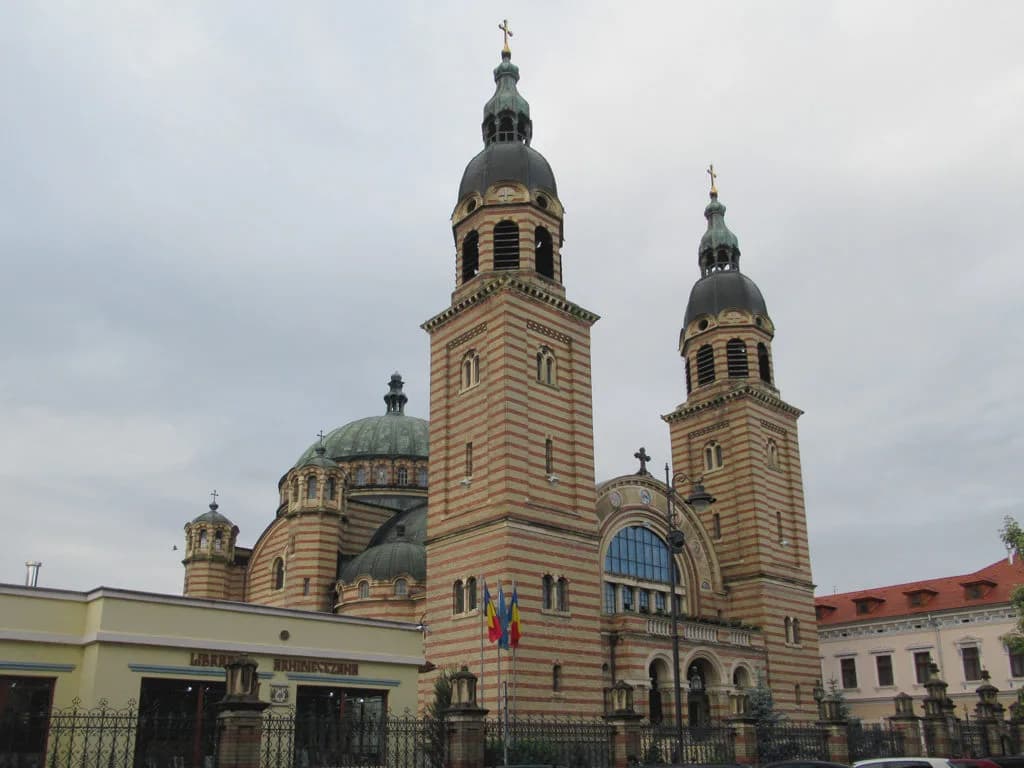
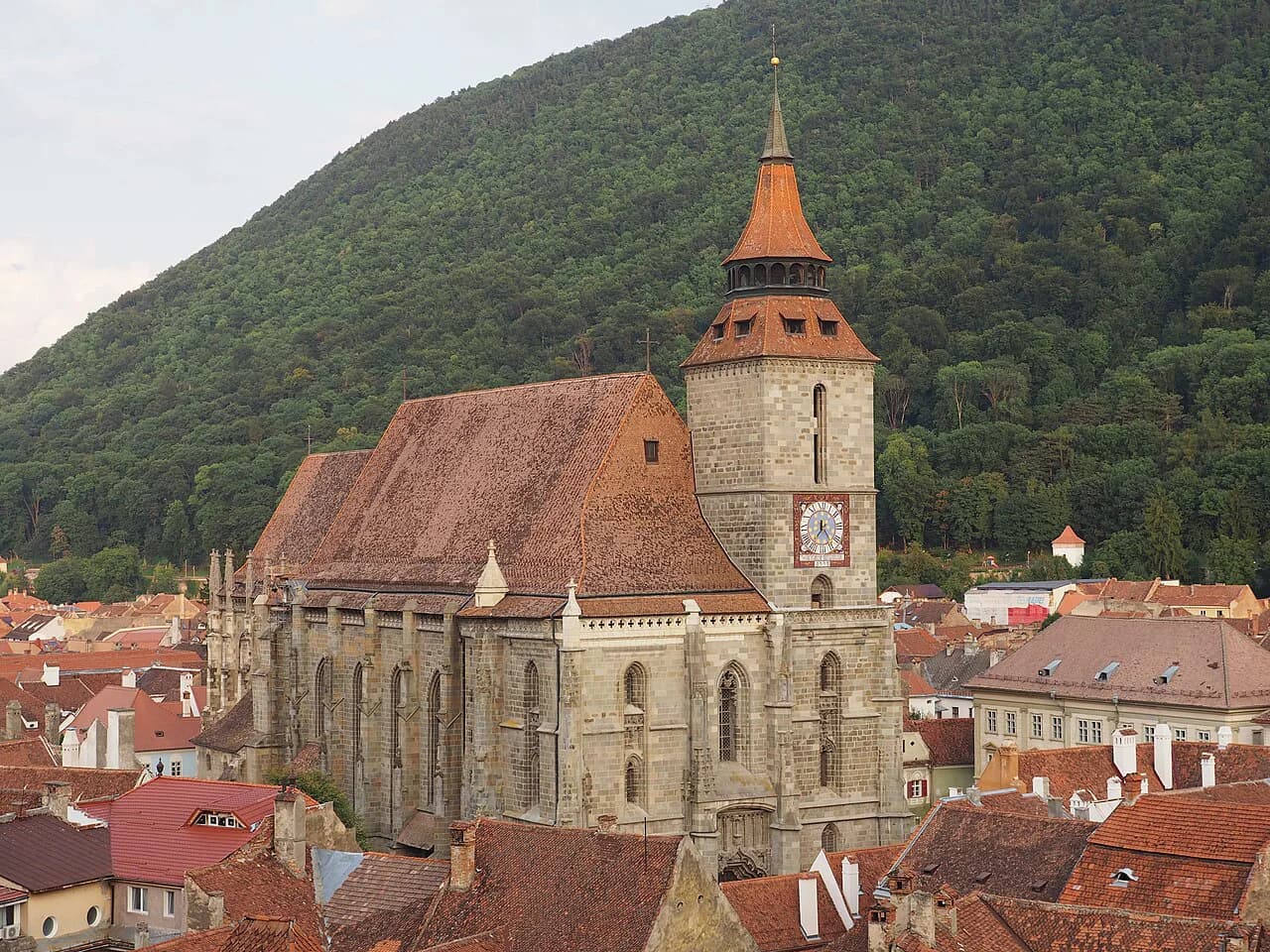
Brașov is a market town in the southern Carpathians with medieval architecture and a Gothic church, and its old centre is compact enough to cross on foot. Sibiu, a former European Capital of Culture, spreads through a series of pedestrianised squares and is known for the Holy Trinity Cathedral, the Bridge of Lies and the Passage of Stairs. Sighișoara has a citadel, a covered staircase up to a Gothic church and an iconic clock tower, all inside a preserved medieval town.
These three anchor a first route because they sit in a rough line through southern Transylvania, so you can sleep in each and travel by day without a car. Brașov gives you the castles, Sighișoara gives you the medieval citadel, and Sibiu gives you the squares and the villages to its north and east. If you only have three nights, pick two of them and add a village rather than squeezing in all three.
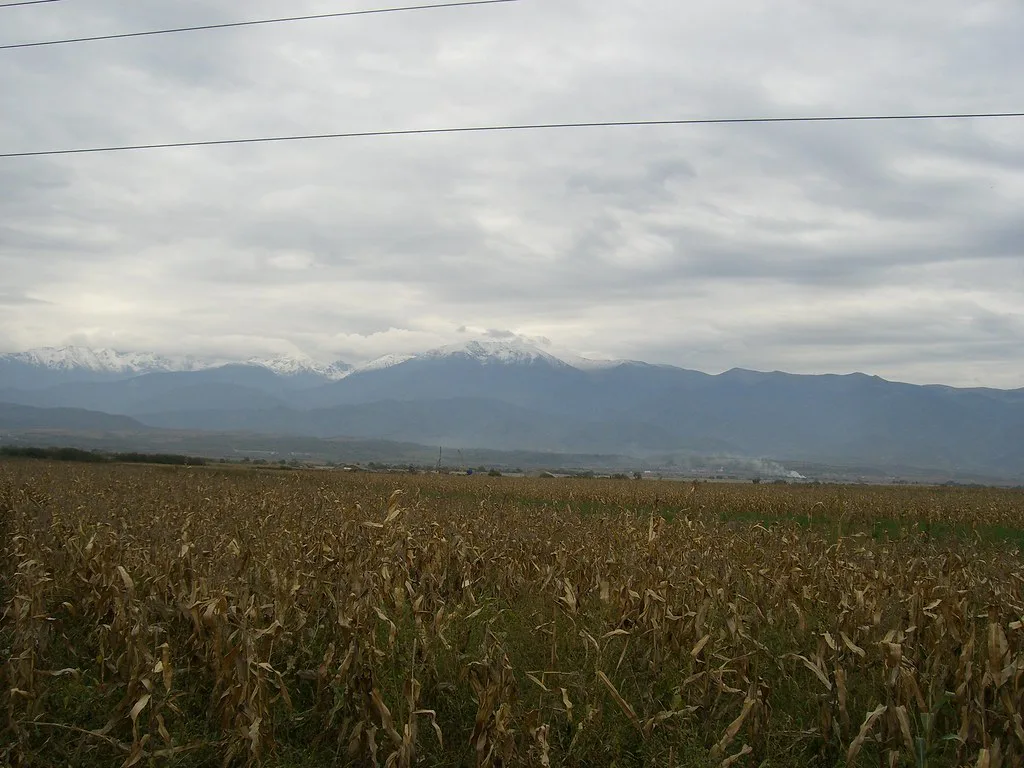
Castles on the map: Bran, Râșnov and Corvin Castle
Bran Castle is the castle most visitors put first on the map, with Queen Marie's art and furniture, secret passageways and views from an upstairs balcony. It is a cultural stop with a heavy tourist trade around it, so go early in the day and treat the visit as a half-day rather than a full one. Râșnov is about 15km from Brașov, with a medieval citadel, cobbled streets and Saxon houses.
Corvin Castle at Hunedoara sits far to the west, and the map reason to go is different: it housed John Hunyadi and later imprisoned Vlad III, which is the historical Vlad link rather than the Stoker one.
Fortified churches and Saxon villages between Sibiu and Brașov
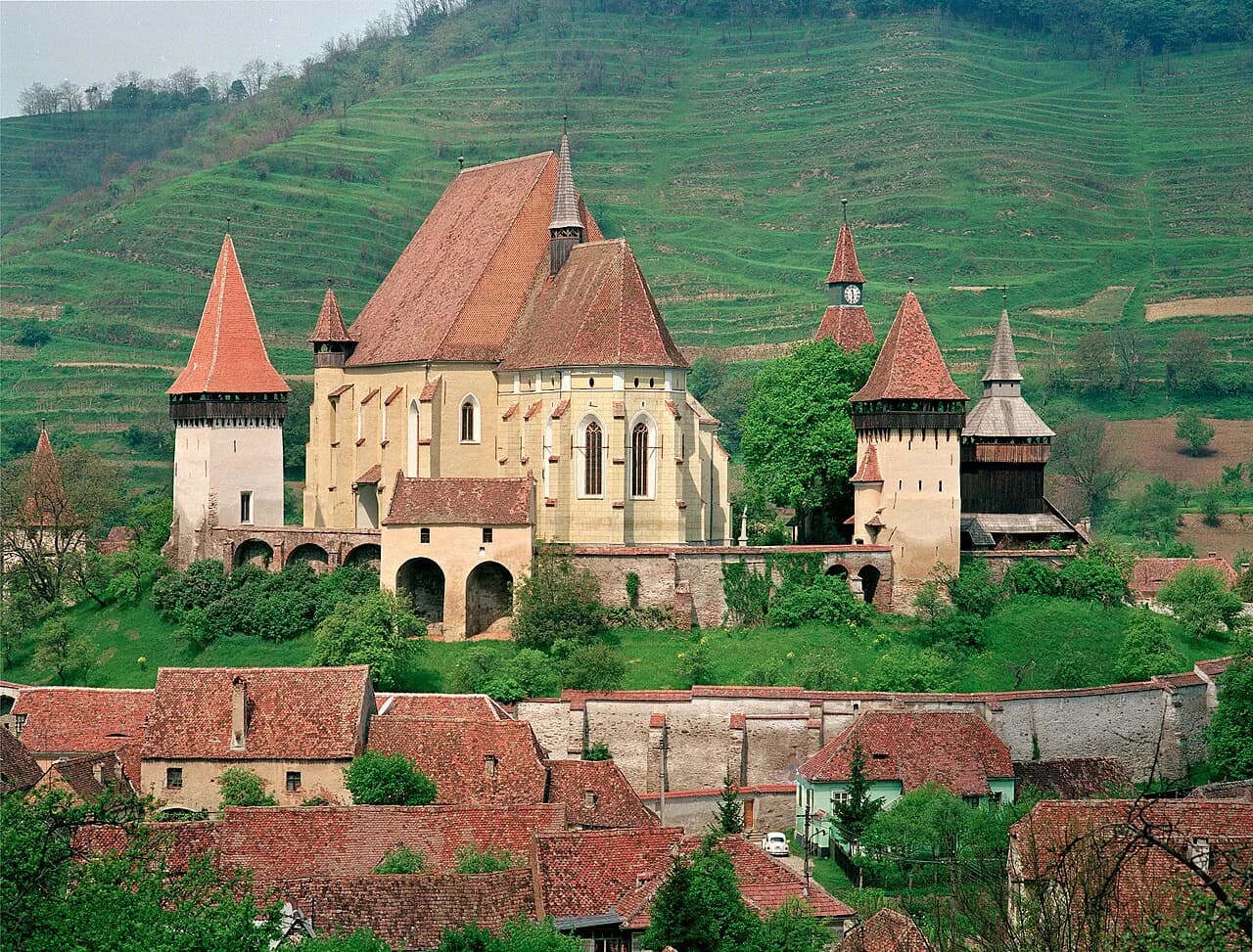
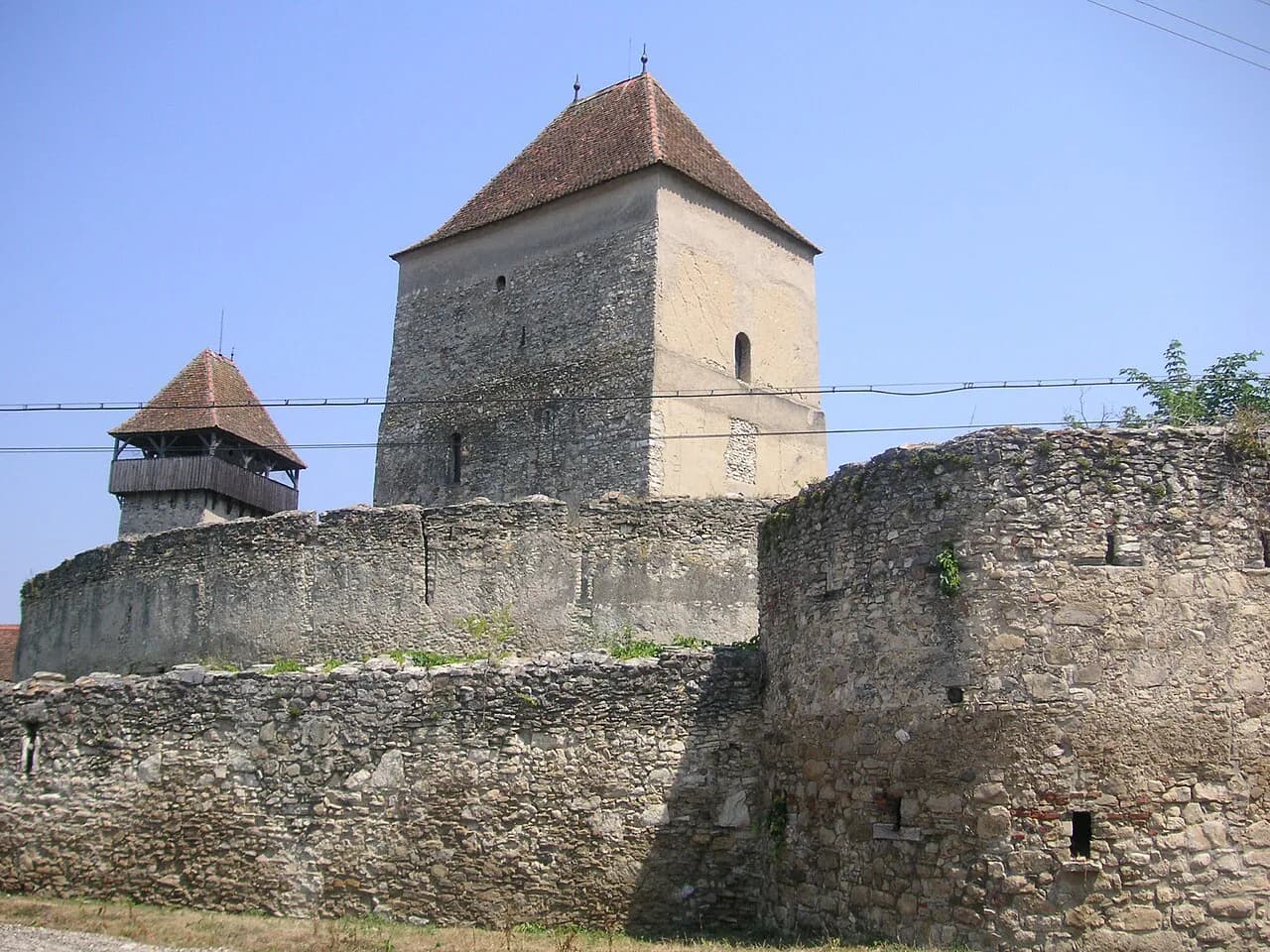
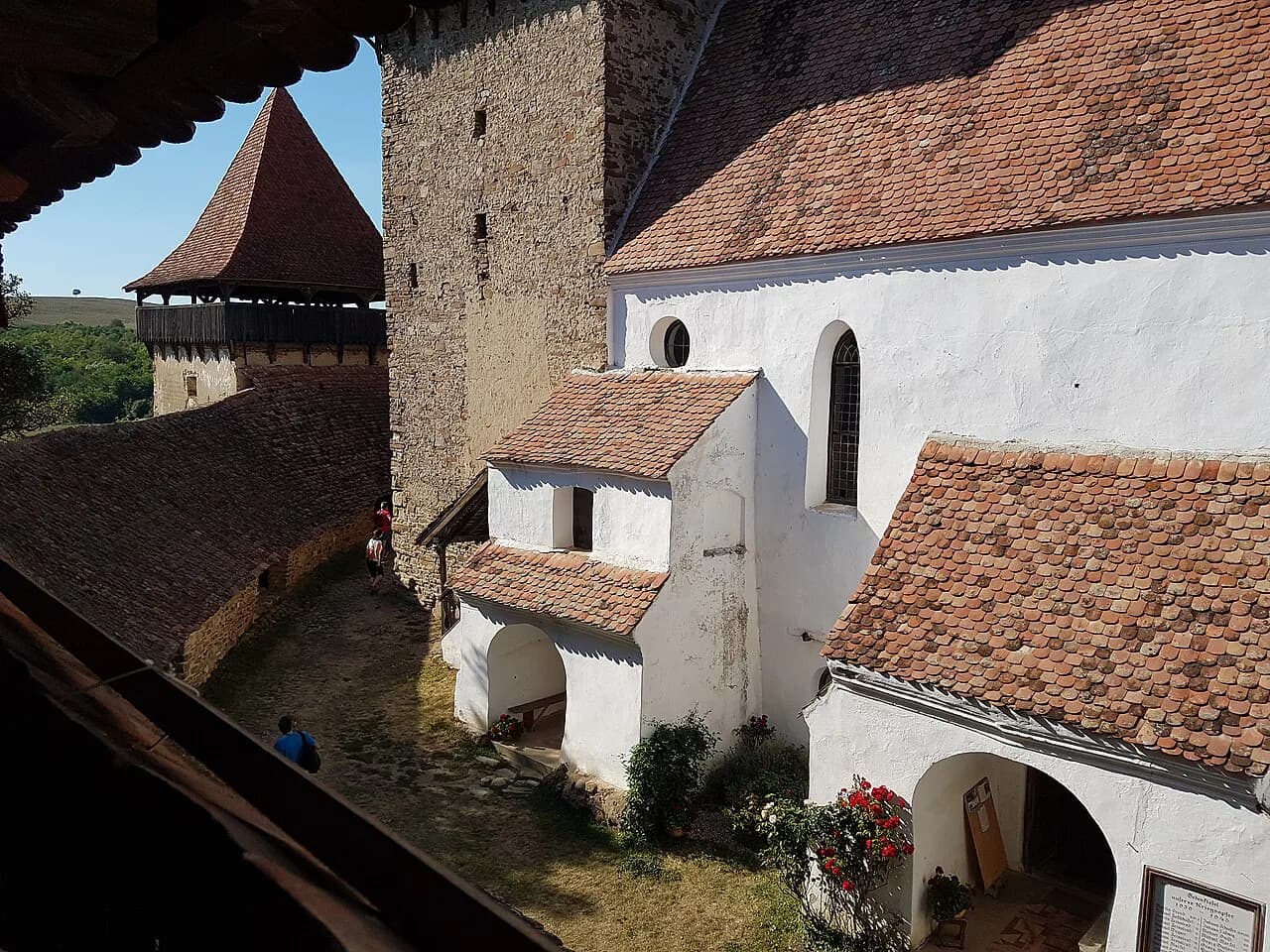
Biertan lies about 80km north of Sibiu and has a fortified church with bell and clock towers, Catholic frescoes and an annex built for divorcing couples, which makes it the natural village stop on a Sibiu loop. Mălâncrav, in green hillsides, keeps decorative Gothic frescoes in its village church and a bell tower reached by wooden steps. Both are villages rather than towns, so they work as a morning or an afternoon, not a base.
For village days, pair Biertan and Mălâncrav rather than trying to tick off a long list. Two fortified churches in a day is a good rhythm, and a car shortens the slow rural roads between them.
Travel times between the main points, and what they do to a three-day route
Build the route around where you sleep rather than around the pins: give Bran and Râșnov a day out of Brașov, Biertan a day out of Sibiu, and use trains for the town-to-town legs where they exist. A three-day version from Brașov runs Bran and Râșnov on day one, a train to Sighișoara and the citadel on day two, and Sibiu with a village on day three.
A four-day version adds a second village day out of Sibiu, which turns the trip from a town-hop into a mix of towns and countryside. The trade-off is luggage: moving between three bases costs you a morning of checking in and out, so two bases with day trips often beats three.
Getting between the dots: train, hired car and unsurfaced roads
Travelling by train is the easy way to skip unsurfaced roads and links the main towns without a car. A hired car gives you the villages and the flexibility to stop, but the 4x4 option matters on rougher roads, so work out which villages you actually want to reach before you pick a rental category.
A guide-driven Transylvania tour removes the road decisions entirely and suits travellers who want Bran and a couple of villages in one day without reading a timetable. Check the tour's pickup town and what it includes before you commit, because a Brașov pickup and a Sibiu pickup are different days entirely.
The Transfăgărășan as a line over the southern Carpathians
The Transfăgărășan crosses the southern Carpathians from Transylvania into Wallachia, with cuts and hairpins that make it a slow, deliberate drive rather than a shortcut. It is a mountain road, so it belongs in a loop only if your dates and the road's condition both allow it.
If the road is closed or the weather is poor, drop it rather than reroute the whole trip: the main valley road still gets you between Sibiu and Brașov. The views are the point of the crossing, so leave time to stop and do not plan a tight same-day arrival.
The Dracula question: Bran, Stoker and Vlad III on the map
Bran Castle carries the Dracula reputation, and a visit will do nothing to prevent the vampire jokes, but the castle is a cultural stop built around Queen Marie's rooms and passages rather than a fictional lair. Treat the reputation as atmosphere and the castle as the visit.
The historical Vlad III belongs on a different part of the map: Hunedoara's Corvin Castle, where he was imprisoned, and Sighișoara, where the house associated with his birth stands next to the city's weapons museum. Keep Bram Stoker's novel out of the historical line.
Râșnov citadel as a short hop from Brașov
Râșnov is 15km from Brașov, close enough for a morning or an afternoon, with a citadel once used by locals sheltering from invading Turks. The town's cobbled streets, Saxon houses and tavernas reward a stroll before or after the fortress, and the combination makes an easy half-day.
Pair it with Bran on the same day only if you start early. Otherwise give Râșnov its own slot and use the saved time for Brașov's own centre.
One extra base on the wider map: Cluj-Napoca, Alba Iulia, Timișoara and Iași
Cluj-Napoca anchors the north-west and gives access to the wider Transylvania map, including Székely Land and Târgu Mureș, rather than the Brașov castles. Alba Iulia sits west of Sibiu and its citadel fits naturally onto a Sibiu-to-Hunedoara leg.
Timișoara is the far western city and Iași the far north-eastern one; both are long rail hops from the Brașov-Sibiu line and belong in a longer trip rather than a three-night one. Choose one extra base, not two, unless you have a week or more.
Reading the map by county and by the names on the signs
Signs and maps can carry more than one form of a place name, so a station board can look like different places at once. Match the county too, since Brașov and Sibiu are both city and county names and a bus ticket may give only the county.
Villages on the map can appear under more than one name, which is why it pays to note both before you set off by car. If you are heading into Székely Land, expect Hungarian signage as well as Romanian.
Build-your-own routes: three days from Brașov, longer from Sibiu
Three days from Brașov: Bran and Râșnov on day one, a train to Sighișoara for the citadel and clock tower on day two, and Sibiu with one village on day three, returning by train. Add a fourth day out of Sibiu for Biertan and Mălâncrav if you have a car.
A Sibiu-centred week spreads west to Alba Iulia and Hunedoara, east to the villages and Sighișoara, and south over the mountains only if the Transfăgărășan is open. Book the car for the village days and use trains for the town-to-town legs, which keeps the driving to the slow roads where it earns its place.
Which pins go on your map first?
Start with Brașov, Sibiu and Sighișoara as your three anchors, then add Bran and Râșnov as half-days from Brașov and one or two Saxon villages from Sibiu. That gives you a route that works by train for the towns and by car for the villages, without a single wasted backtrack.
Leave the Transfăgărășan and the far west for a longer trip. Plan the towns and castles with a Transylvania Itinerary, and check opening days, ticket prices in lei and train times for your dates before you book anything.
Explore more Transylvania guides
Frequently Asked Questions
What country is Transylvania in now?
Transylvania is a historical and cultural region in central Romania, not a separate country, so you travel there on a Romanian visa or entry stamp and pay in lei. It has no internal border, and towns such as Brașov, Sibiu and Sighișoara are ordinary Romanian cities.
Is Dracula's castle in Romania or Transylvania?
Bran Castle is in Romania, in the part of the country that is Transylvania, and it carries the Dracula reputation as atmosphere rather than as a fictional lair: inside it is a cultural stop built around Queen Marie's rooms and passages. The historical Vlad III is associated with Corvin Castle at Hunedoara, where he was imprisoned, and with a house in Sighișoara by the weapons museum.
Where is the real Transylvania located?
It lies in central Romania, framed by the Carpathian Mountains to the east and south, with Wallachia beyond the southern ridge. On the ground that means the route from Bucharest climbs into it, and the towns of Brașov and Sibiu sit inside the mountain rim.
Is Transylvania a country?
No. Transylvania is a region within Romania with its own historical identity, but today it is administered as Romanian counties. You will see Romanian place names on signs, sometimes with other language versions alongside.
Sources
Useful notes for your next trip
Optional updates to our guides.
You might also like
Continue reading
More guides you'll find useful