Viscri, Romania: The Fortified Church and Village Guide
Plan a visit to Viscri in Transylvania: the fortified church, its walls and cemetery, the Saxon village street and the ticket price, plus how long to allow.
On this page
Viscri is a small Saxon village in Transylvania with a white fortified church at its centre, and the visit splits cleanly into two parts: paying to go inside the church, and walking the free grounds and village street. The village sits in Brașov County, which makes it a realistic add-on to a Sighișoara or Brașov trip rather than a destination in its own right. This guide covers the church and its defences, what the grounds and street offer, the ticket arrangement, how to reach the village and how long to allow.
What Viscri is and where it sits
Viscri is an agricultural village of traditional houses grouped around a fortified church, and it forms part of a wider community effort to revive and preserve the place. The settlement is in Brașov County in Transylvania, reached by road rather than by any published bus or train service, so a car or an organised tour does the work. Treat it as a half-day stop within a wider circuit of the region's fortified churches.
The village is one node in a chain of Saxon villages across southern Transylvania, each with its own church and defences. If you are building a route, Biertan makes an obvious companion stop with a comparable church-and-village layout, and the wider Transylvanian Saxon story runs through all of them. Allow that context to shape your day: a single church is a short visit, two or three villages make a proper outing.
The fortified church
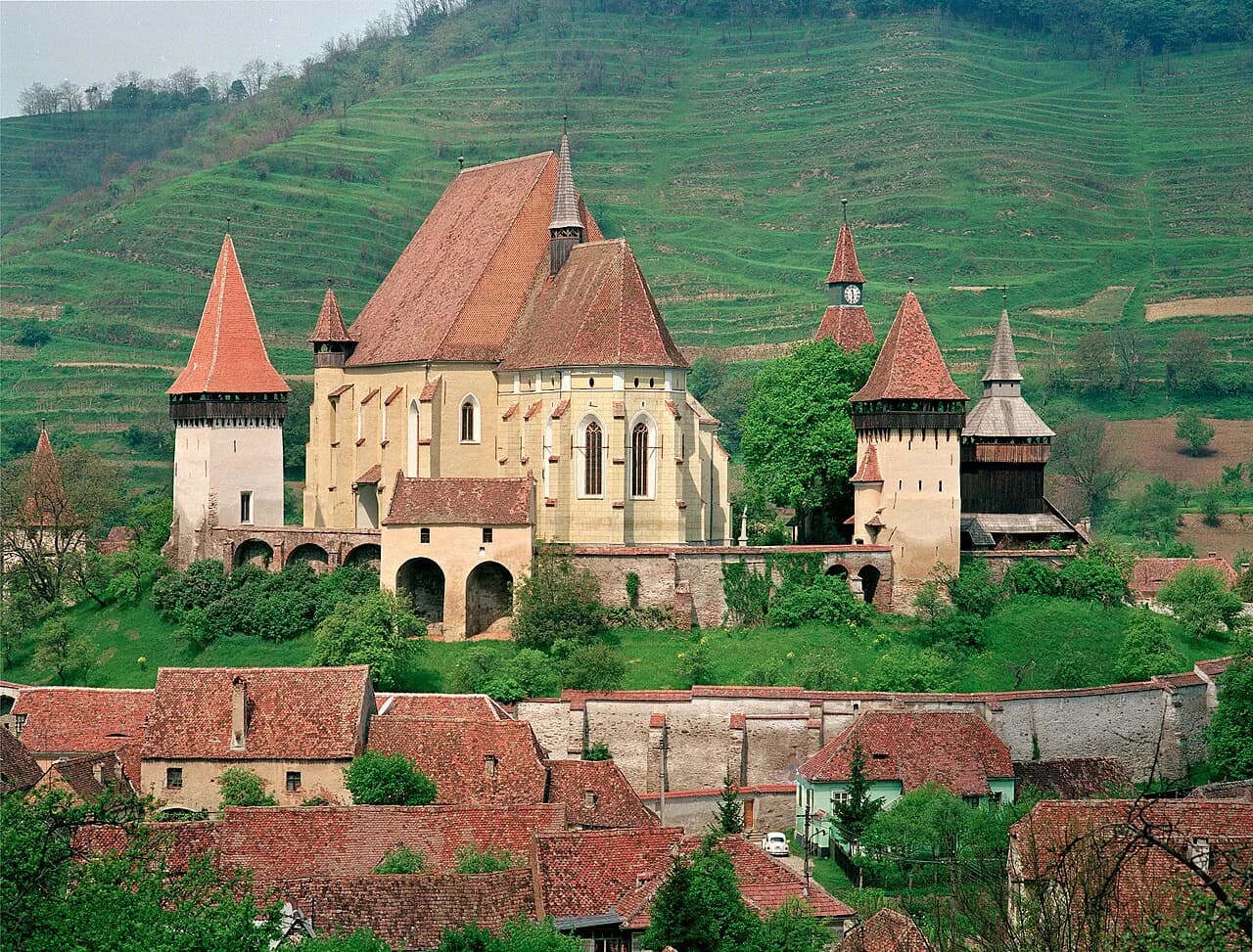
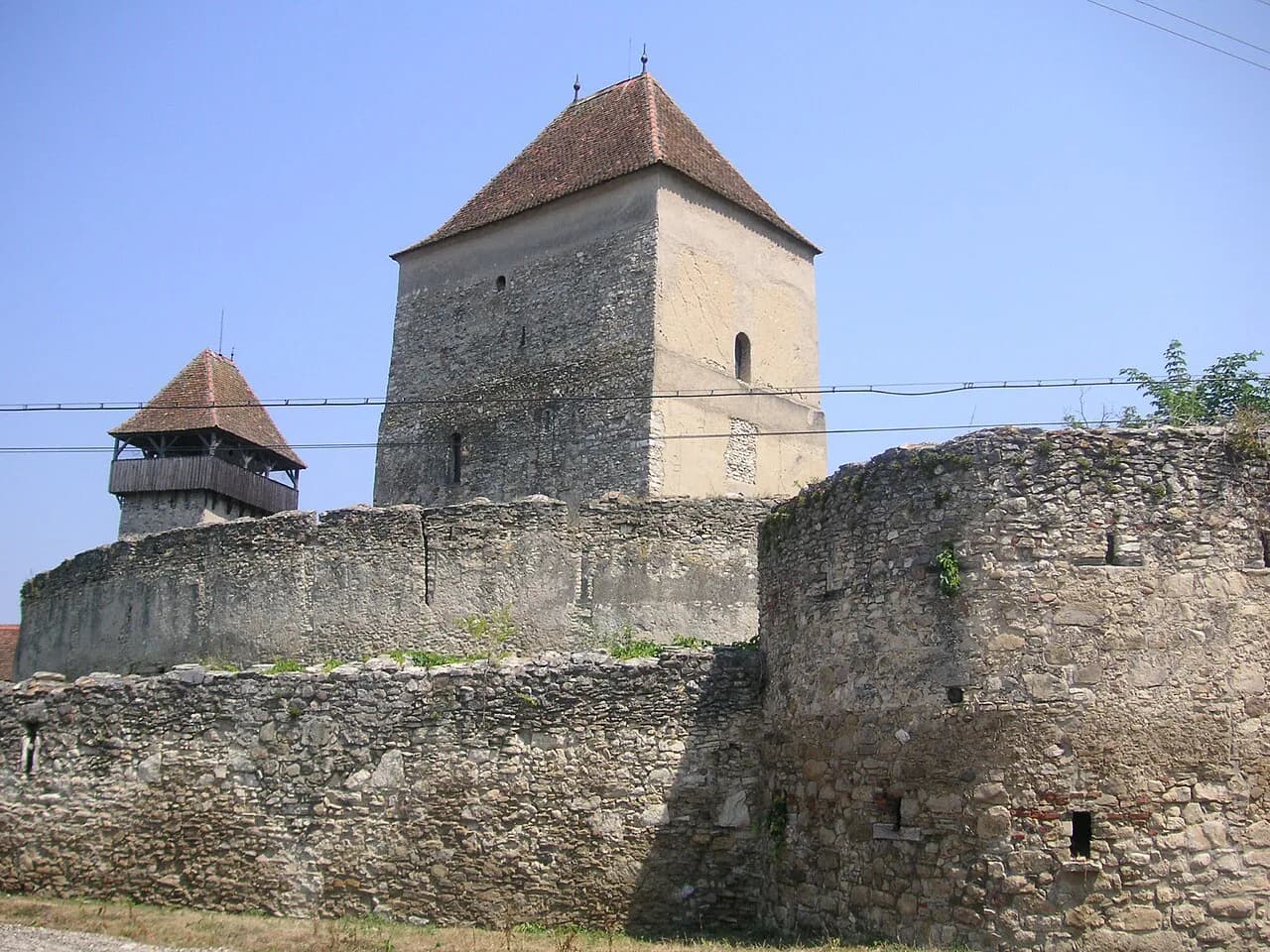
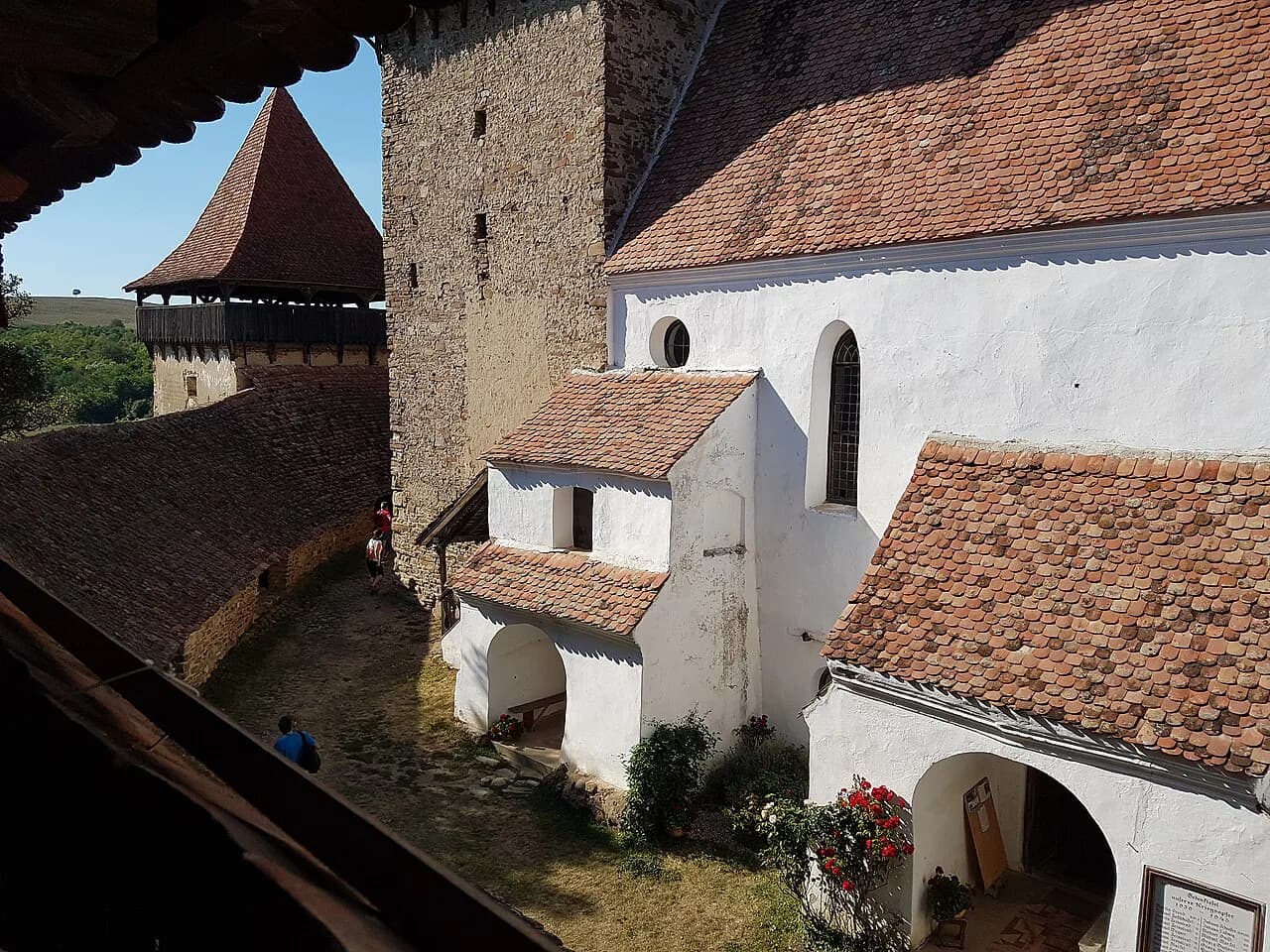
The church began as a white chapel that was already standing when German colonists arrived, and they built their new church around it. Successive generations altered and extended the building, and in the 16th century the Saxons fortified it by adding outer walls. An 18th-century second defence wall completed the enclosure you walk through today.
The defensive shell, not the interior, is what most visitors actually see. Walls, gates and the enclosed yard give the clearest sense of how a village church doubled as a refuge, and this is the pattern repeated at Saxon fortified churches across the region. Knowing that before you arrive stops the visit feeling thin when the church door is shut.
The grounds and the cemetery
Walking the church grounds costs nothing, and that is where the visit works best on a tight schedule. Beside the church stands a cemetery whose gravestones reach back to much earlier medieval culture, and the enclosure itself is the exhibit. You can circle the walls and read the layout without buying a ticket at all.
Treat the free circuit as a proper stop rather than a photo pause: the walls have gates, corners and passages worth tracing. The trade-off is simple, since the grounds give you the setting but not the interior, so decide before you arrive whether the inside matters to you. If it does, build the visit around the ticket rather than the walk.
Tickets and entering the church
Admission to enter the Viscri fortified church is 5 lei per person, and walking around the church and visiting the grounds is free. Carry cash in lei rather than assuming a card will work at a village church. The charge buys the interior only, so it is a small add-on rather than a gate fee for the whole site.
Do not plan the day around the interior being open. A visitor who found the church closed learned afterwards that the superintendent lives across the street from the fortress gate at house number 141 and gives tours outside normal hours. That is a lead worth asking about locally, not a timetable, and no opening hours or days are published for the church.
The village street and the Saxon houses
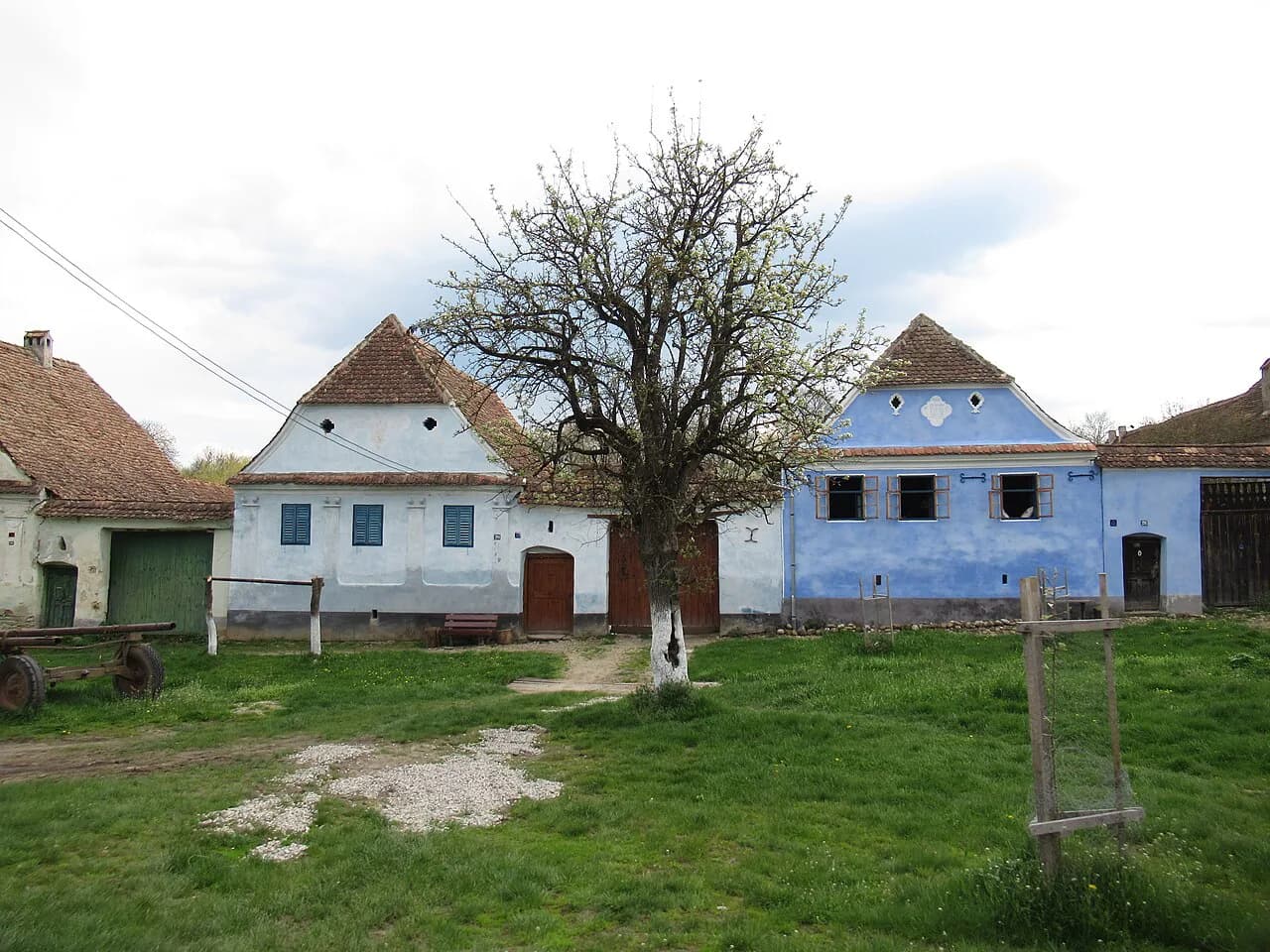
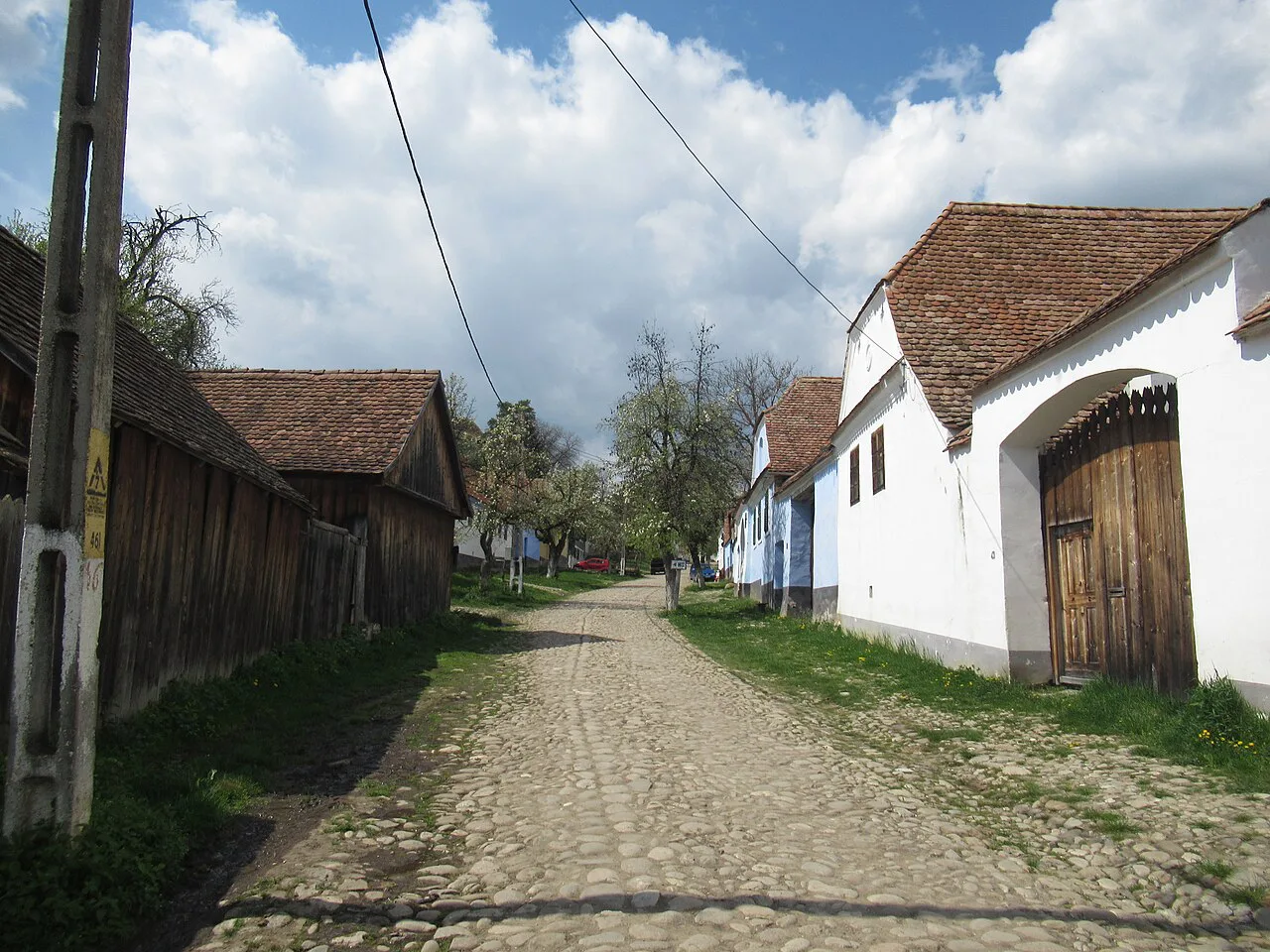
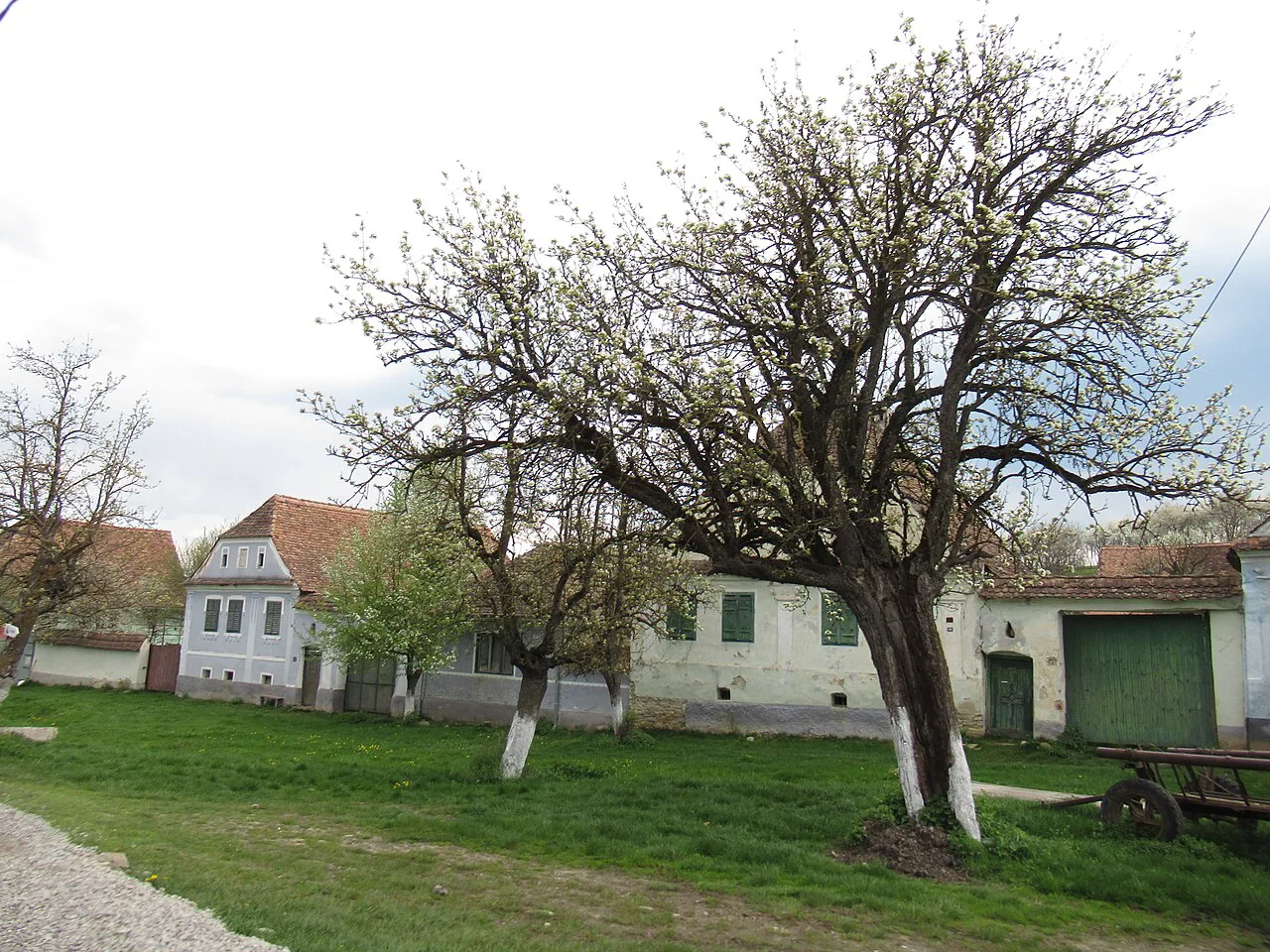
The street of Saxon houses is the reason to give Viscri more than twenty minutes. The village is known well beyond Romania, and the houses along the main road are protected as historical monuments, with rules on how residents keep them. Parking across the road from the King's house and walking up the main road is the natural way to see them.
The blue house in the centre of the village was built in 1758 and was bought and restored in 2006 to help preserve the local way of life and promote sustainable tourism. The same account describes the property as being used by King Charles when he stays in the village. Many village houses now serve as holiday lets, so the street reads as a living settlement rather than a museum set.
Walk slowly and look at the detail: timber, plaster, gates and the way the houses line the road. Visitors often arrive intending to see the church and spend longer on the houses instead, which is the right instinct here. Give the street at least as much time as the church enclosure.
Staying in restored Saxon houses
Viscri 125 is a restored Saxon house in the village offering rooms furnished with traditional furniture, hand-woven carpets and natural materials, alongside barns and organic gardens. It also arranges activities such as biking, hiking, horseback riding, local crafts and day trips, plus a visit to the local blacksmith and carriage rides. The property presents itself as a base for seeing the village slowly rather than a hotel stop.
Rates are not published on the site, so ask directly through its booking and contact pages before you commit. This is a place to stay if you want the village at quiet hours rather than a rushed afternoon between two other stops. Otherwise, Viscri works perfectly well as a day visit.
Getting there
Without a car, the practical option is an organised day tour from Brașov that runs through Sighișoara, Viscri and Rupea Fortress, covering the area's highlights in a single day. Driving yourself, park across the road from the King's house and continue on foot up the main road. No bus or train service to the village is published in the sources available, so confirm any local transport before relying on it.
If you are touring the fortified churches by car, slot Viscri alongside the others rather than making it a standalone run. Saschiz and its hilltop citadel sit in the same corner of the region, and the Bârsa region holds further Saxon churches within easy driving distance. Plan the loop so the driving time does not swallow the walking time.
How long to allow
A quick stop for the church grounds takes well under an hour, while the ticket adds a short interior visit. The village walk is where the time goes: houses, lanes and the wider setting repay a half-day. Decide at the outset whether Viscri is a tick on a list or the point of the day, because the two versions differ sharply.
Those building a multi-church itinerary can borrow the same logic elsewhere. Prejmer and the Harman fortified church sit in the same tradition, and Valea Viilor in Sibiu county offers a different setting for a similar walled church. Rotating between village visits keeps a day from blurring into repeated stops.
What to keep short
On a tight day trip, arrive, walk the street and circle the church grounds, and skip the interior if the building is shut. That still gives you the walls, the cemetery and the houses, which is most of what Viscri offers. Spending an hour on the road between villages is a worse use of time than cutting a stop short.
If you have already seen one fortified church up close, consider giving Viscri to the village street instead and putting the church interior second. The broader circuit of fortified churches rewards that kind of sequencing. It keeps each stop from repeating the last.
Is Viscri worth the detour?
Yes, if you value a preserved village street as much as the church itself. The grounds are free, entry is a small cash charge in lei, and the houses and lanes reward a slow half-day. Go for the whole settlement rather than the door of one building.
Combine it with Sighișoara, Rupea Fortress or a second Saxon village, and check the village's opening times and rates before you set out, since access to the church interior depends on visitor hours rather than a published timetable.
Explore more Transylvania guides
Frequently Asked Questions
Do you need a car to visit Viscri?
A car or an organised tour is the practical way in. A day tour from Brașov covers Sighișoara, Viscri and Rupea Fortress, and drivers can park across from the King's house and walk up the main road.
Can you see the fortified church without paying?
The grounds are free to walk, including the cemetery and the walls. Entering the church building itself carries an admission charge in lei, so the short free visit is a genuine option.
Sources
Useful notes for your next trip
Optional updates to our guides.
You might also like
Continue reading
More guides you'll find useful