Prejmer Fortified Church: Visiting the Village Near Brașov
A practical guide to Prejmer fortified church near Brașov: the church and its defences, how to reach the village and how to plan the visit.
On this page
Prejmer is worth a short stop from Brașov if you want to see a Saxon village with a fortified church at its centre, paired with Hărman on the other side of the city. The church is a single site in a village that is still lived in, so plan it as one stop rather than a whole day out. This guide covers what Prejmer is, how to reach it and what to pair it with. For the wider family of sites, see the guide to the Fortified Churches of Transylvania.
What Prejmer is
Prejmer is a village in Transylvania with a Saxon fortified church at its centre, and it is commonly visited alongside Hărman and Brașov. The German name Tartlau is the one you will still see on old maps and carved inscriptions, and it identifies the same settlement. Its church belongs to the wider family of fortified churches built across the region, which the guide to the Transylvanian Saxons explains in context.
The village lies close to Brașov. A regional overview of Transylvania places the Brașov area among the main bases for its fortified churches and names Hărman and Prejmer among the most spectacular of those close to the city. Read those two names as a pair rather than rivals: the same half-day can hold both if you start early and drive.
Where Prejmer sits and how to reach it
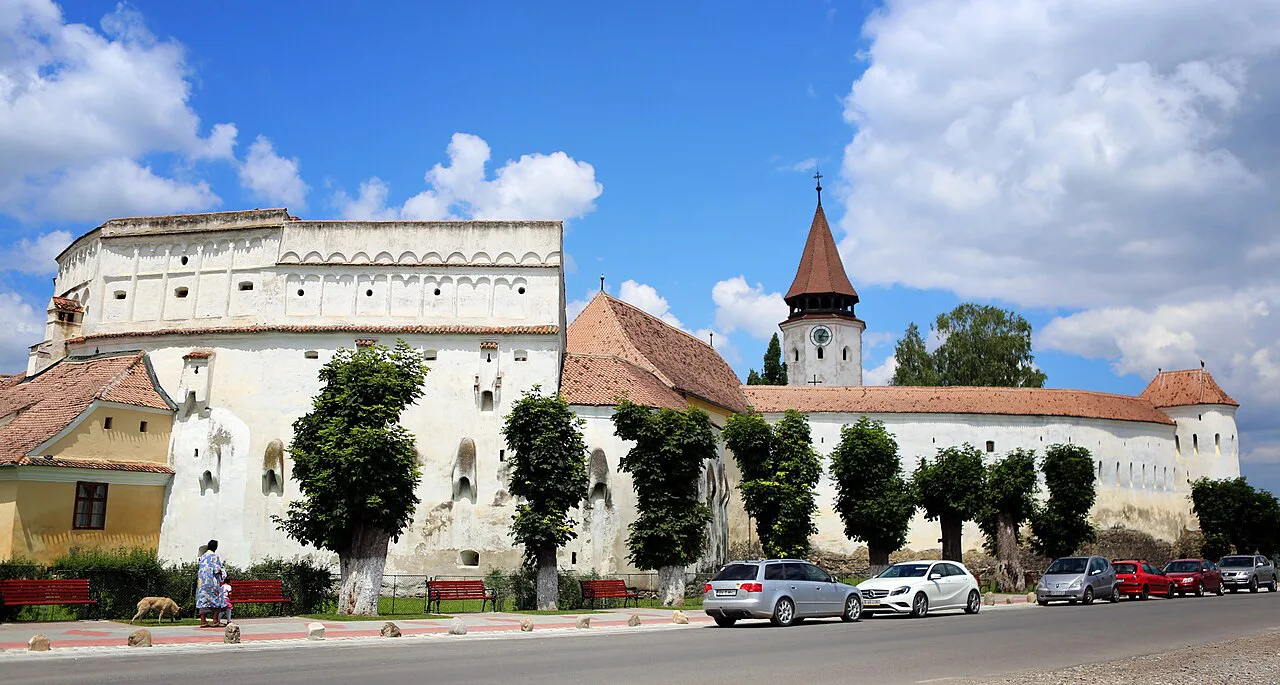
Prejmer lies a short way out of Brașov, and the regional overview of Transylvania groups it with Hărman among the churches close to the city, which makes it an easy addition to a day based in Brașov. Check current transport and timings on the day before you rely on a particular service.
By car the drive from Brașov is short and straightforward, and having your own vehicle lets you chain Prejmer with Hărman, which sits on the other side of the city, without waiting for connections. A self-drive trip in Transylvania benefits from a good national road network linking the medieval towns with the countryside between them.
The church and its setting
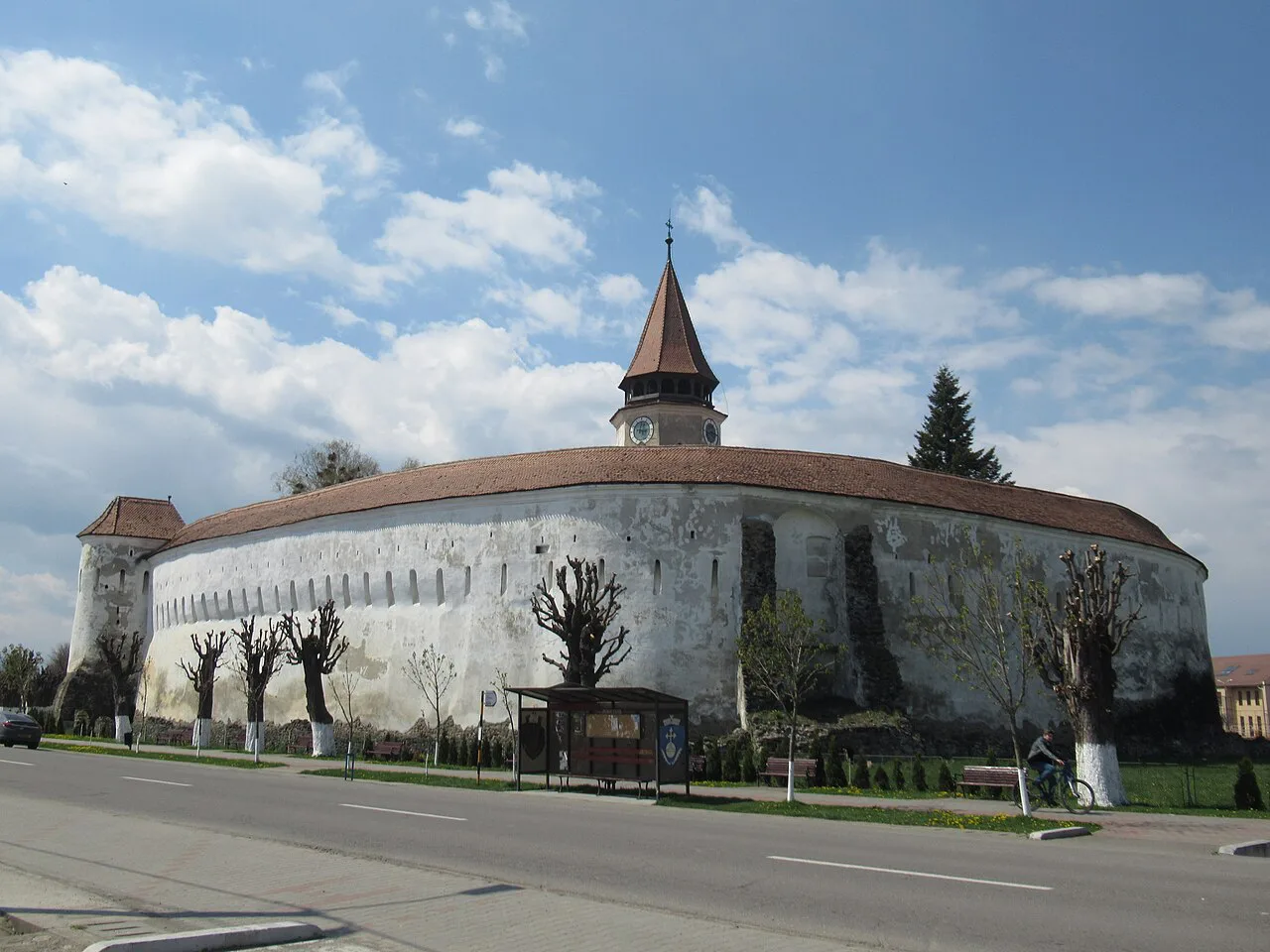
Prejmer's fortified church is one of a group that a regional overview of Transylvania calls the most spectacular of the churches close to Brașov, and the same source describes it as the largest fortified church in Southeastern Europe. Stand outside first to take in the size, then walk the line of the defences before you go in.
Because the church stands inside a working village, the approach is through ordinary streets and gardens, and the gate is a modest opening rather than a castle entrance. Set your expectations accordingly: this is a fortified church, not a castle, and the visit is short rather than a long circuit.
Forts and fortified churches across Transylvania vary a great deal in scale, and Hărman, close to Brașov, is known for massive walls and a strong set of defensive towers, so comparing the two on the same trip shows how each community solved the same problem differently. Rupea Citadel, further north in Brașov County, offers the hilltop fortress experience if you want that contrast in one day.
How neighbouring communities stored food inside their defences
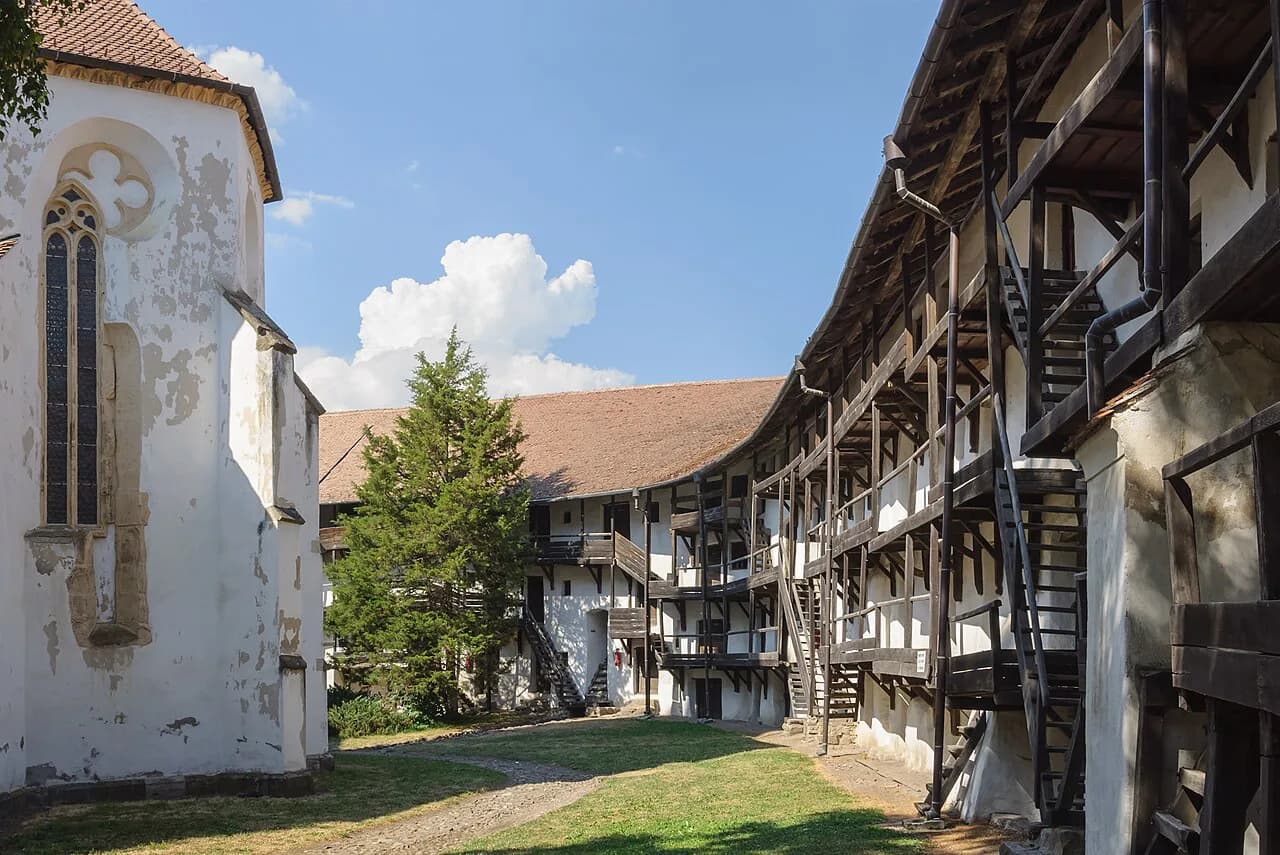
Other Transylvanian communities used the space inside their defences for storage. At the Unitarian fortified church in Dârjiu, grain-storage rooms were built against the interior side of the defending walls and are still in use today, while smoked hams, meats and sausage are kept in the main tower, hung on wooden hooks assigned to each family. That account of Dârjiu is worth knowing when you look at other fortified churches in the region, even though the two churches are far apart and run by different communities.
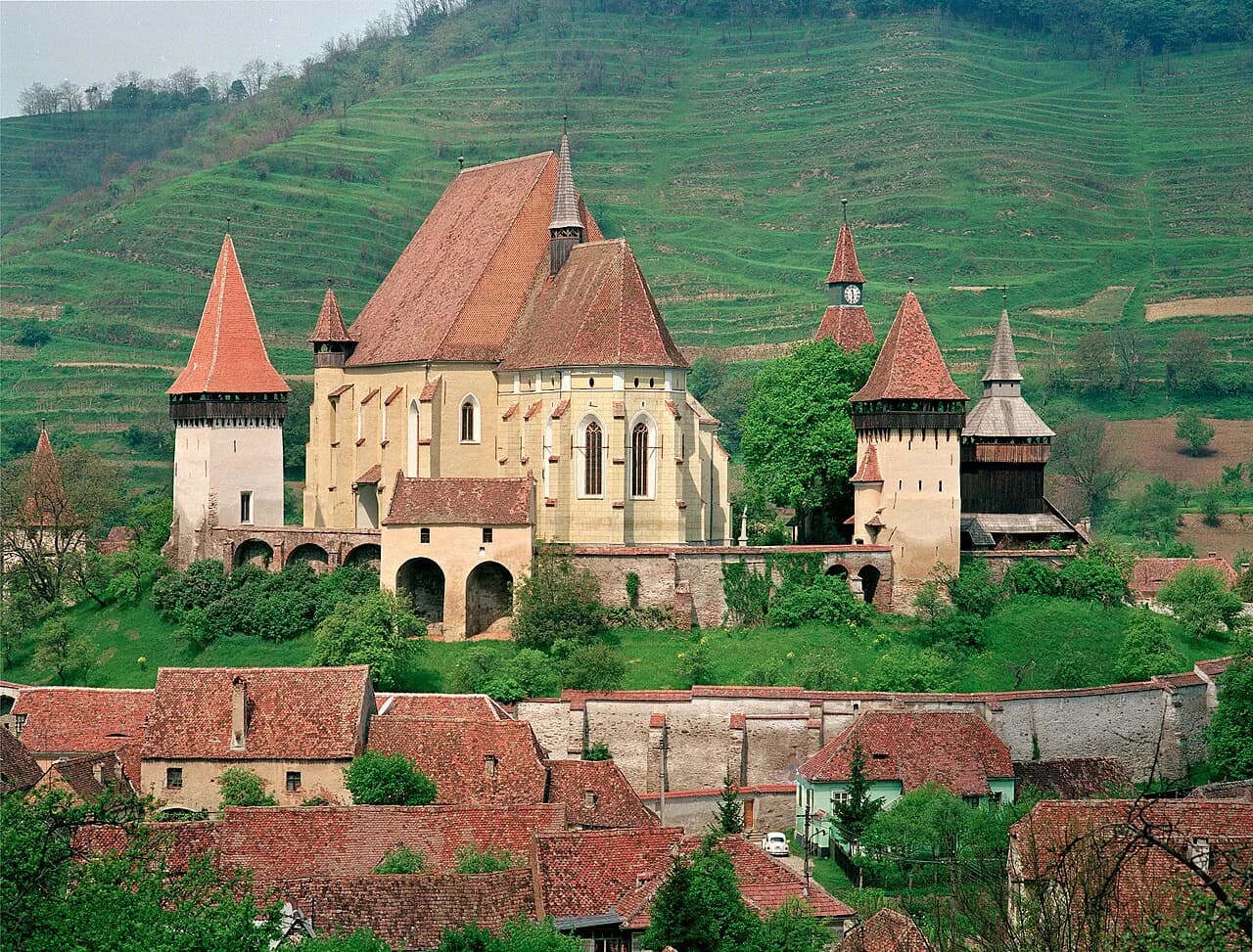
If the inner life of these churches interests you, plan the day around a small number of sites rather than a long list: look at how each set of defences closes in around the church, then step inside. Viscri and Biertan are the other classic stops on this theme, and each is worth a separate visit rather than a rushed add-on.
If the storage rooms are what interests you, plan the day around them rather than around a list of sights: walk the ring, look at how the openings face inward, and then step into the church. Viscri and Biertan are the other classic stops on this theme, and each is worth a separate visit rather than a rushed add-on. For Viscri, see Viscri: A Guide to the Fortified Church and Saxon Village.
Visiting arrangements
Opening arrangements for fortified churches in this part of Transylvania are managed locally, so ask at the Brașov tourist information office or check the parish and local authority pages before you travel. Do not build a tight itinerary around an assumed opening time.
Smaller sites often open only when someone is on hand, and some accept visitors by arrangement, so a phone call or message ahead is the sensible step if Prejmer is the reason for your detour. Allow for the possibility that the church is closed on the day you arrive, and have Hărman or Brașov as the fallback.
How much time to allow and what to pair it with
Give Prejmer a short visit on site, plus travel time from Brașov, which makes it a comfortable half-day when combined with one other stop. Most of your time goes on the church and its defences rather than on a museum trail.
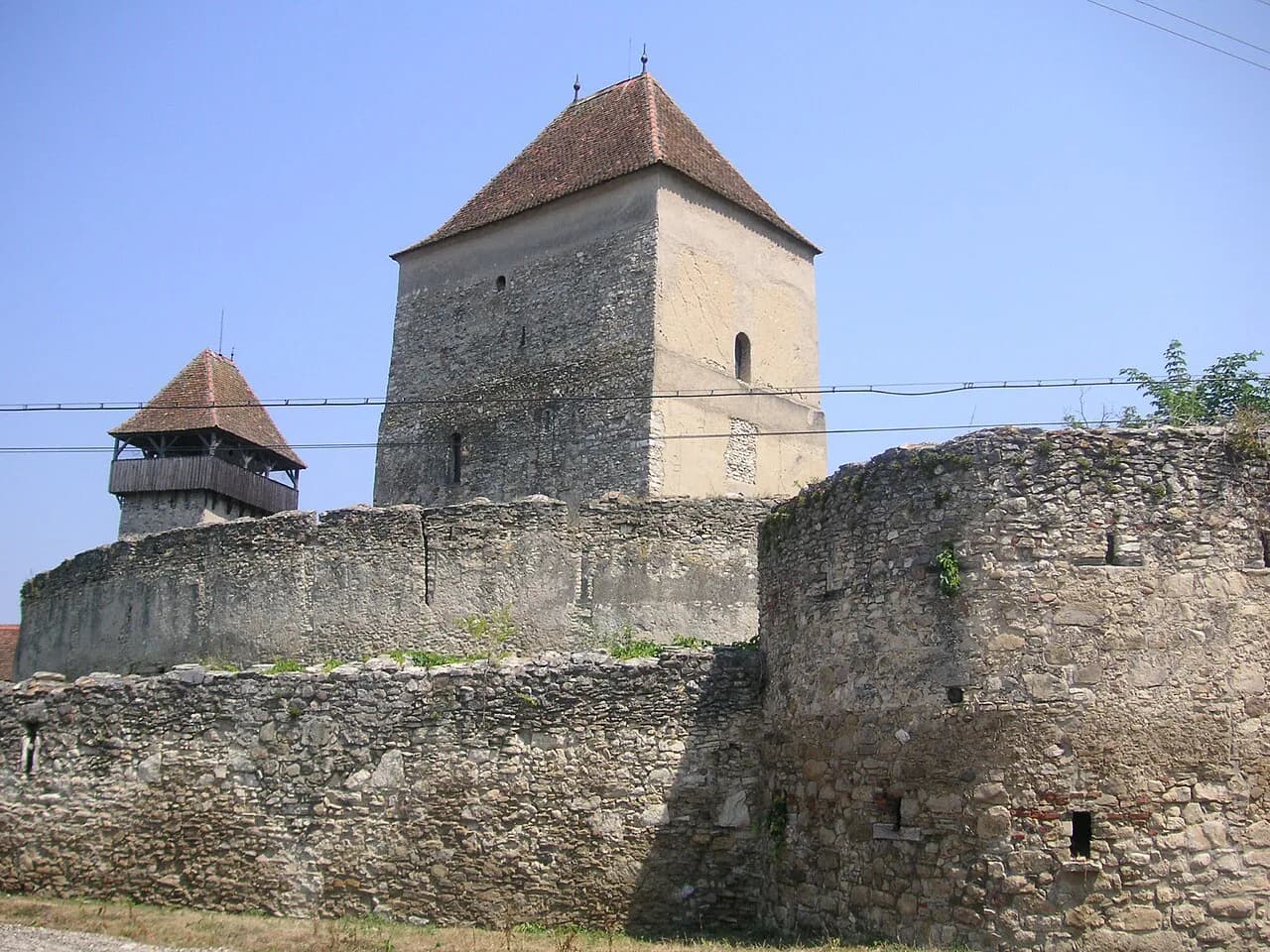
The natural pairing is Hărman fortified church, which lies on the opposite side of Brașov and is described as protected by massive walls and a strong set of defensive towers. Joining the two gives you a morning or afternoon of contrasting defences without long drives, and you can be back in the city for the evening.
If you are touring fortified churches over several days, Viscri and Biertan are the obvious next stops, and Saschiz and Valea Viilor round out a loop towards Sibiu county and the Târnava valley, where Saschiz sits. Each works best as a dedicated stop rather than a tick-box on the way to somewhere else.
What to expect in a village that is still lived in
Prejmer is a working village, not a heritage park, and the streets around the church carry everyday traffic and farm activity. That is part of the appeal, but it also means you should keep to the site and avoid treating gardens and yards as part of the attraction.
Further west, towards Sibiu, Cisnădie is a Saxon town at the foot of the Cindrel mountains, some 2 km from Cisnădioara, and shows where the surrounding countryside leads. The wider Saxon landscape of villages and churches is mapped out in the regional guide to Saxon Transylvania, which helps you place Prejmer on a longer route.
Is Prejmer worth the detour?
Yes, if you want to see a Saxon fortified church close to Brașov and are already in the city with half a day to spare. It is a short, focused visit rather than a destination in its own right, so treat it as one half of a morning with Hărman and you will get the most from the trip.
Explore more Transylvania guides
Frequently Asked Questions
Do you need a car to visit Prejmer from Brașov?
A car makes it easiest to combine the church with Hărman on the other side of Brașov in the same half-day. If you plan to rely on public transport, confirm the current timetable locally before you set out.
Is Prejmer the same place as Tartlau?
Yes. Tartlau is the German name for Prejmer, and you will still see it on older maps and inscriptions. The Romanian name Prejmer is the one used on signs today.
How does Prejmer compare with Viscri and Biertan?
Prejmer is the closest of the three to Brașov and the quickest to see. Viscri and Biertan are further out and reward a dedicated visit rather than a quick stop. Pick Prejmer if time is short and you are based in Brașov.
Sources
Useful notes for your next trip
Optional updates to our guides.
You might also like
Continue reading
More guides you'll find useful