Cisnădie: Fortified Church and Textile Museum Near Sibiu
Cisnădie is a Saxon town near Sibiu with a late-Gothic fortified church and bell tower, plus a textile museum. Here is what to see and how to reach it.
On this page
Cisnădie is a Saxon town at the foot of the Cindrel mountains, and the reason to come is its fortified church and the textile museum that explains the wool and cloth trade behind the town's wealth. Allow two to three hours for both, or a half day if you add the two-kilometre bike path to Cisnădioara.
The town is a short hop from Sibiu, so it slots easily into a day built around the county's Saxon heritage. This guide covers what you see in the church and its walls, what the museum holds, how to get there and how to pair it with Cisnădioara.
Cisnădie: a small Saxon town below the Cindrel mountains
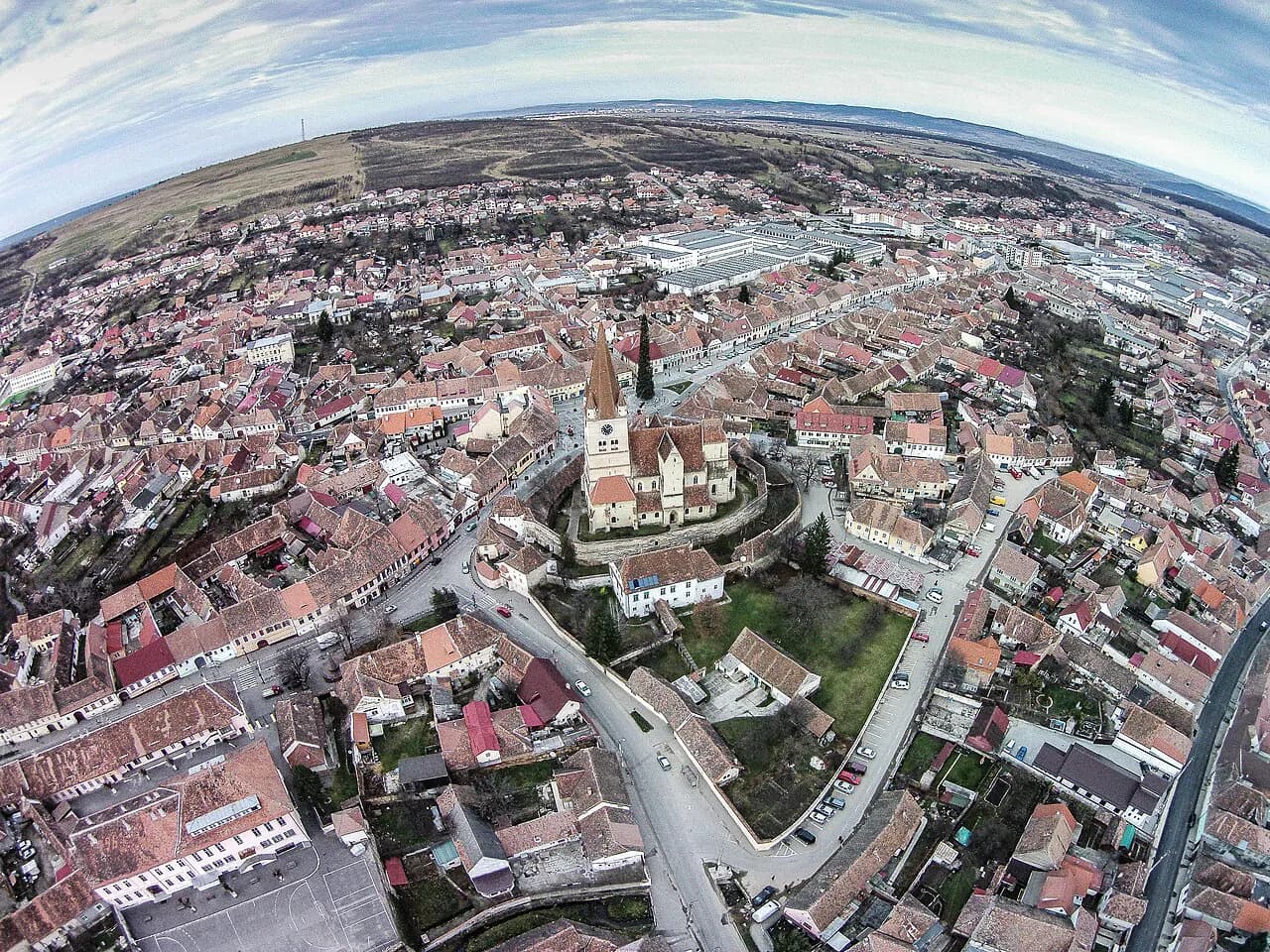
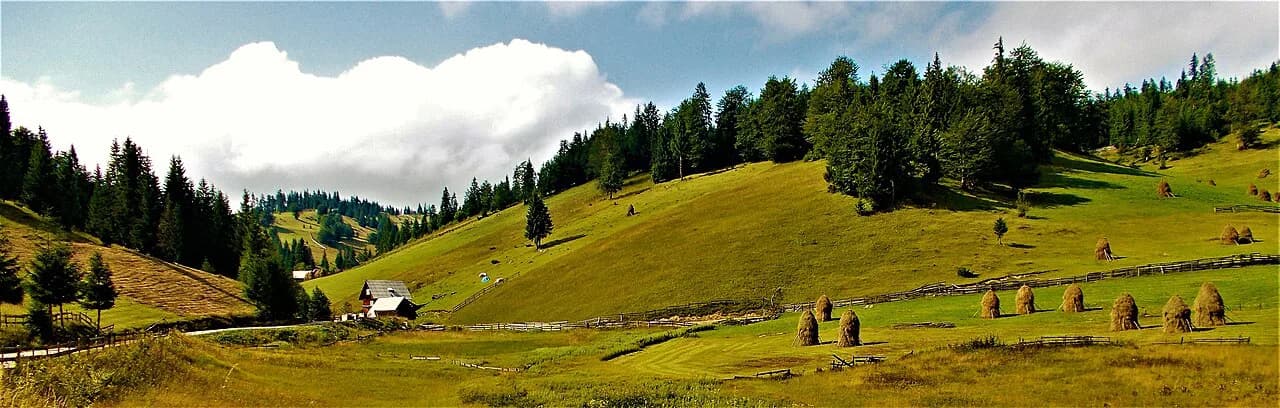
Cisnădie is a town, not a village, founded eight centuries ago as a Saxon settlement and known in German as Heltau. It sits at the foot of the Cindrel mountains, a landscape that shapes both the walk out to the surrounding hills and the bike routes that start from the town.
What makes the town worth a stop is its compact core: the church and tower anchor the centre, and the buildings around them carry the cheerful colour that the town now markets to visitors. Come expecting a working Romanian town with a heritage core, not a preserved open-air village.
The town lies about 2 km from the tourist village of Cisnădioara, which has its own fortified church on a hill. Keep the two separate when you plan: Cisnădie has the tower and the textile museum, Cisnădioara has the hilltop citadel, and a dedicated bike path links them.
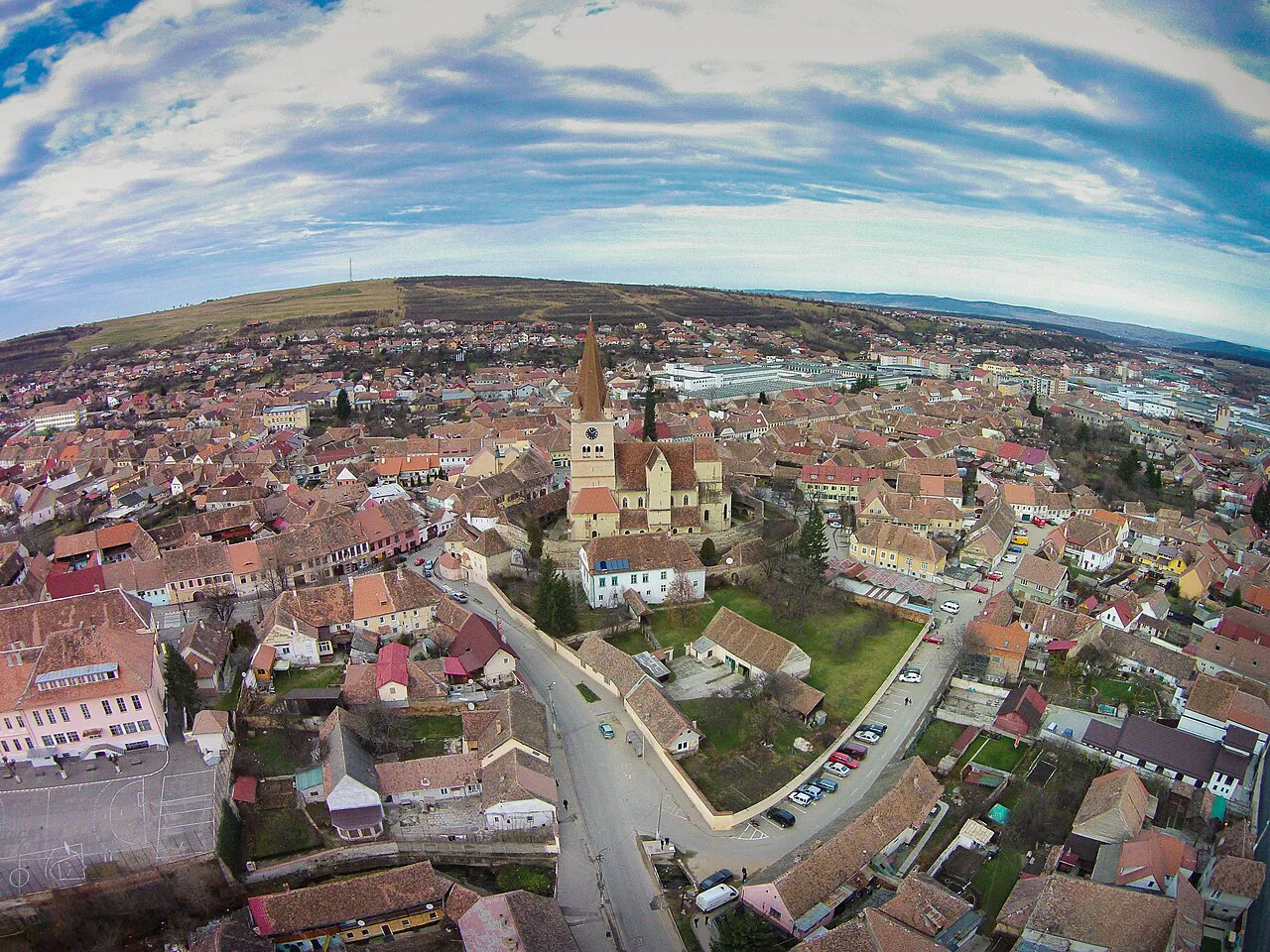
The fortified church in the town centre
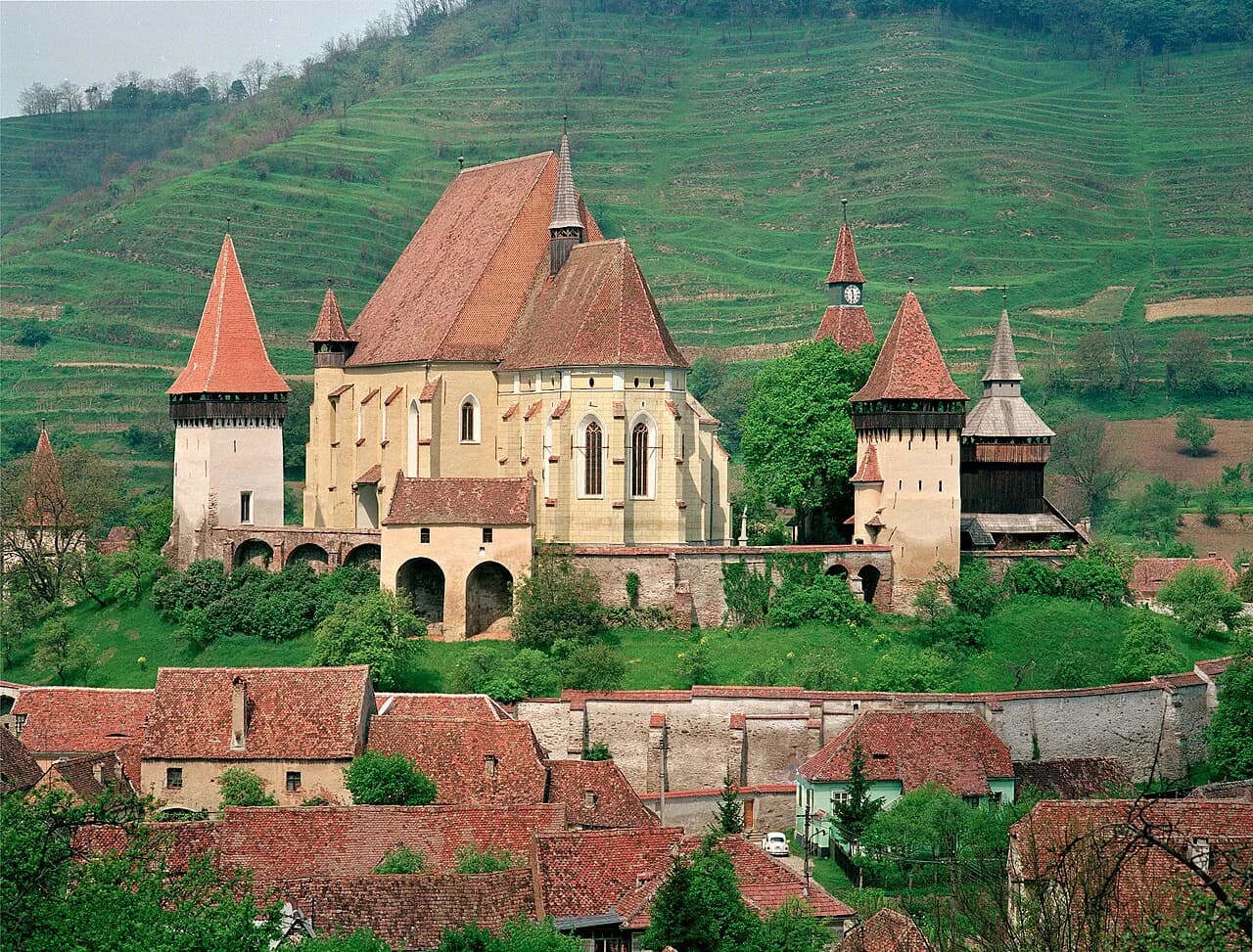
The Evangelical fortified church is the building that pulls your eye as you arrive, a late-Gothic structure raised in the 14th century on the foundations of an earlier Romanesque basilica. The tower, called the Turnul Clopotniță or bell tower by local people, was remarkable in its day.
The tower carries two claims worth knowing before you look up at it: it is described as the first tower in Transylvania with a clock, and the first tower east of Vienna to be fitted with a lightning conductor. Both belong to the building's long history rather than to anything you can see working today, but they explain why the bell tower dominates the skyline.
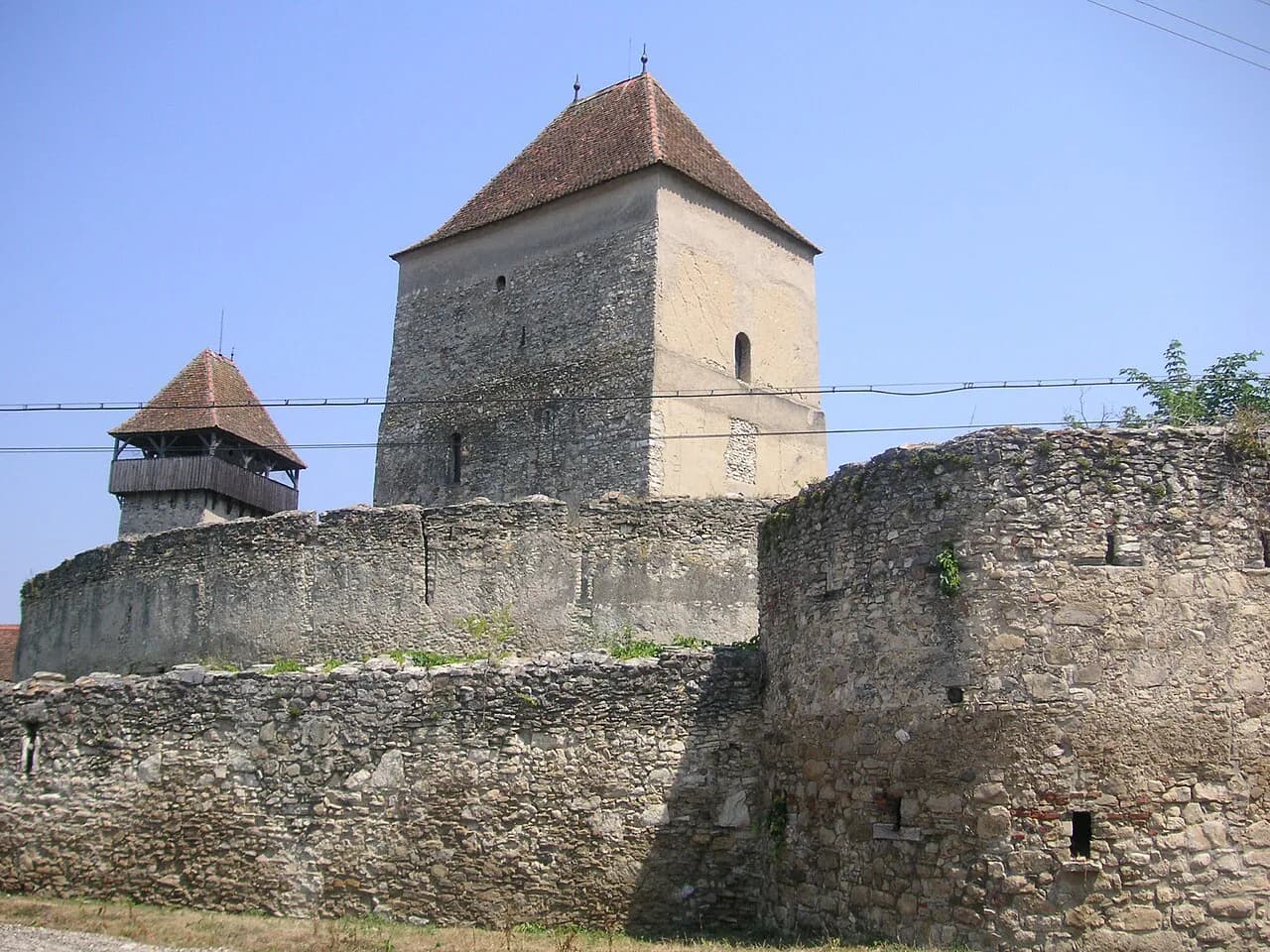
The church still keeps elements of its fortification and valuable decoration, so walk the outside as carefully as the inside. Look for the surviving defensive features and carved detail rather than treating the church as a single stop-and-photograph moment.
What to look for inside and the stories the guides tell
Centuries of use have left the church with stories and legends attached to it, and the church guides enjoy telling them to visitors. Treat the guiding as the way to make sense of the interior rather than as a fixed show: the source describes guides sharing stories, not a scheduled tour, so ask at the church what is available on the day you arrive.
If you have visited other Transylvanian Saxon churches, Cisnădie reads as a town-centre version of the pattern: a late-Gothic nave with defensive works, a tall bell tower and decoration that survives in fragments. The difference is the setting, with the town's coloured houses around it rather than fields.
The interior is the reason to slow down rather than rush the tower and leave. Give the church at least half an hour, longer if a guide is on hand to talk you through the fortification elements and the decoration.
The textile museum: cloth, wool and carpets
The textile industry museum, Muzeul Industriei Textile, is the second half of a Cisnădie visit. In the Middle Ages the town was known for workshops making sickles and scythes and, above all, for cloth working, and the museum traces how those workshops became manufactories and factories, with the town later known for woollen carpets sold abroad.
Inside, the displays include the guild flags of the cloth-makers, hand tools for working wool, a loom and working utensils, along with documents and different carpet patterns. It is a small, focused collection, so plan on around half an hour rather than an afternoon.
The museum matters because it explains the trade that paid for the town's church and its walls. If you are working through the Saxon heritage of the region, this is the place where the economics behind those buildings becomes concrete.
Getting there from Sibiu and the Cisnădie–Cisnădioara bike path
Cisnădie sits close enough to Sibiu to be reached by train, car or bus, and the Sibiu county tourism site lists all three as ways of travelling around the county. Check current connections and departure points with the carrier before you set out, since timetables change with the season.
If you are cycling, the Cisnădie–Cisnădioara bike path links the town with the village 2 km away, officially opened on 16 September 2016. That makes a straightforward pairing on two wheels: the church and museum in Cisnădie, then the hilltop church at Cisnădioara.
On foot, the same 2 km is a gentle walk between the two. Drivers should treat the town centre as the base and park there rather than trying to drive the lane to Cisnădioara.
How long to allow and combining the church with Cisnădioara
A realistic half day covers the fortified church, the bell tower and the textile museum at an unhurried pace, with time left to get to Cisnădioara. If you only want the headline sights, two hours in Cisnădie itself is enough.
Cisnădioara deserves its own slot: its fortified church stands above the village, so add walking time on top of the 2 km between the two settlements. The pairing works best in the morning, leaving the afternoon for the return to Sibiu.
If you have time for only one Saxon church stop in the region, Cisnădie's advantage is the museum next door; for a village setting with walls inside the settlement, Viscri is the better-known comparison.
Practical points: guiding and the Cisnadie City App
The church guides are the route to the stories, so ask on arrival about timings and talks. Opening arrangements for the church and museum should be checked with the Sibiu county tourism service or the town before you travel, as they are not fixed in the published material.
The Cisnadie City App is available for Android and iOS and gathers events, sights, accommodation and restaurants for both Cisnădie and Cisnădioara. It is the simplest way to check what is running on the day you visit, and it covers the neighbouring village too, which suits a two-village trip.
Two cautions: the museum's contents are as catalogued above, so do not expect an industrial-scale collection, and the town is a working place rather than a tourist village. Build the visit around the church and museum and let everything else be a bonus.
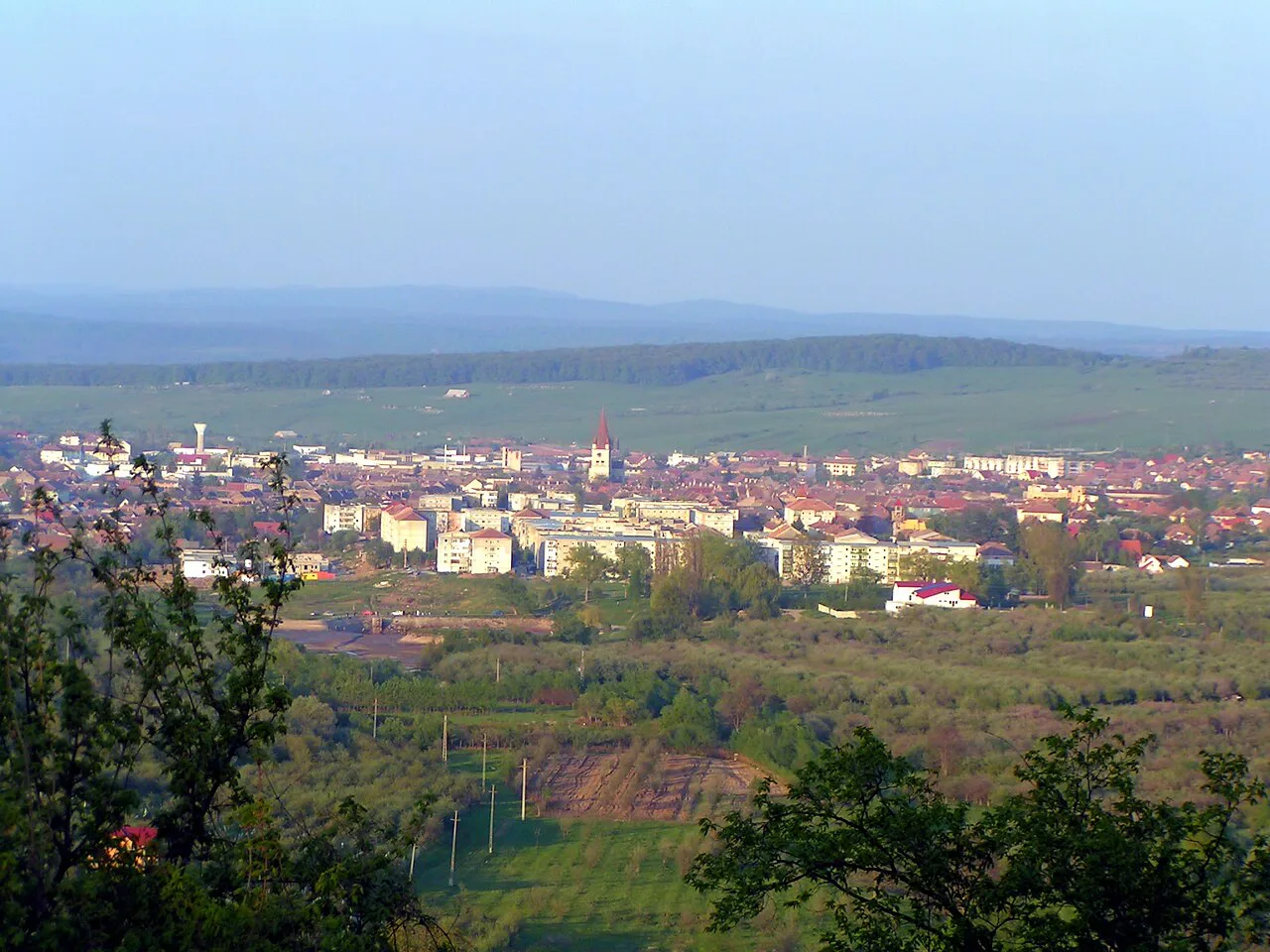
Is Cisnădie worth the detour from Sibiu?
Yes, if you want the Saxon story in one compact stop: the late-Gothic fortified church and its bell tower, the surviving fortification elements, and the textile museum that explains the cloth trade behind them. It is not Bran, and it does not try to be.
Pair it with Cisnădioara via the 2 km bike path or on foot, and confirm church and museum arrangements before you go. If you want the wider context first, start with the region's fortified churches.
Explore more Transylvania guides
Frequently Asked Questions
Is Cisnădie worth visiting from Sibiu?
Yes, for a half-day stop built around the late-Gothic fortified church with its bell tower and the textile industry museum. It suits travellers following the Saxon heritage of the region rather than anyone looking for a theme-park village.
Is Cisnădie a town or a village?
It is a town, a Saxon settlement founded eight centuries ago and known in German as Heltau. Cisnădioara, roughly 2 km away, is the village with the hilltop fortified church, and a bike path links the two.
How long should I spend in Cisnădie?
Two hours covers the church and museum at an easy pace. Allow a half day if you add the walk or ride to Cisnădioara and its fortified church.
Sources
Useful notes for your next trip
Optional updates to our guides.
You might also like
Continue reading
More guides you'll find useful