Romanian Traditions: What You Can Actually See on a Trip
Romanian traditions you can see on a trip: folk costume, wax-and-dye painted eggs, carved gates in Maramureș, open-air village museums and Easter customs.
On this page
Most Romanian traditions that matter to a visitor fall into two groups: crafts and collections you can see on any date, and calendar customs such as Easter that you cannot move to suit your flights. Plan a city break around the first group and treat the second as a bonus if your dates happen to land on it. This guide covers what folk costume and painted eggs actually are, where carved gates and wooden churches stand, which open-air museums are worth the detour, and how to behave when a host puts food in front of you.
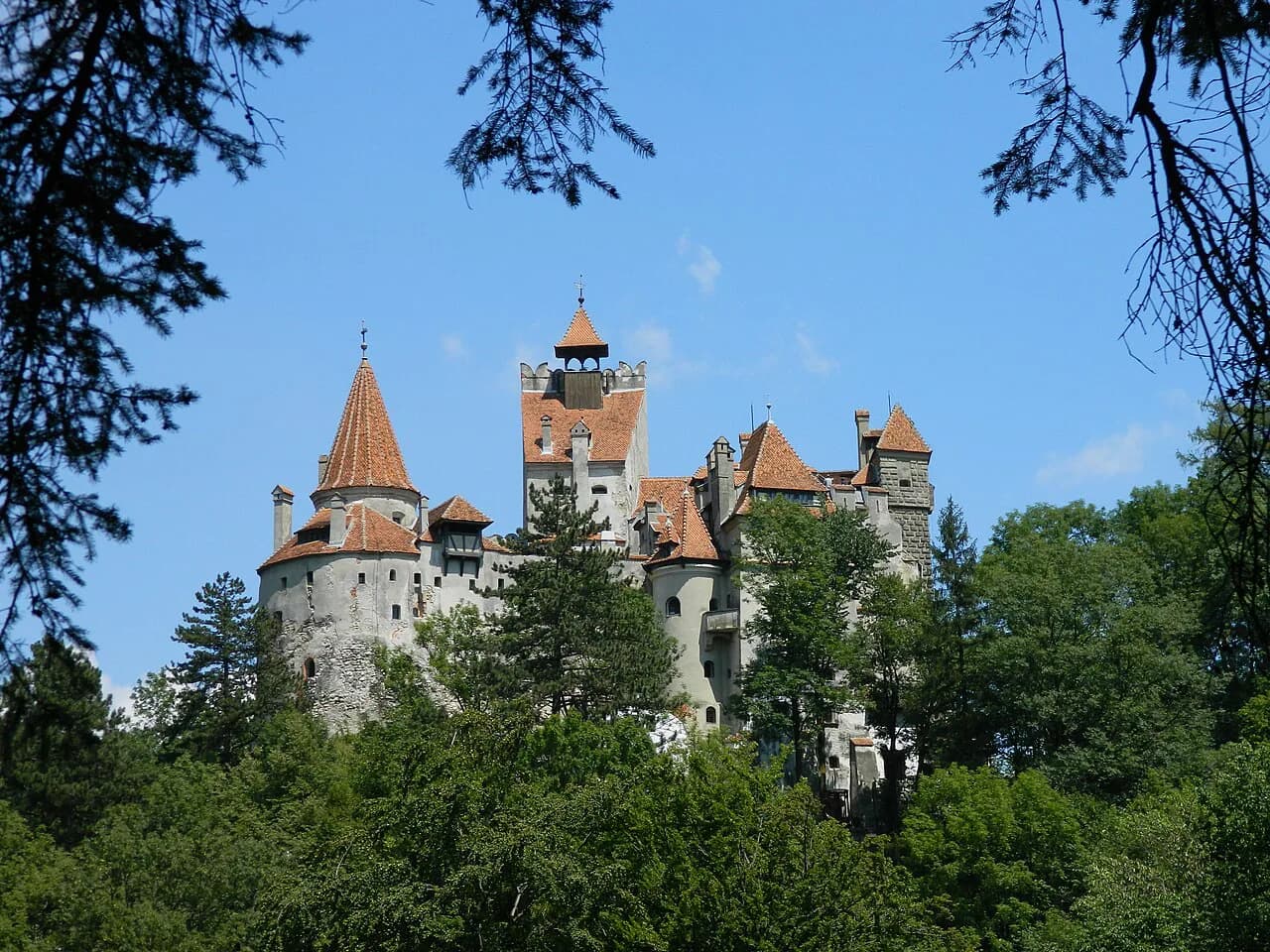
Two things are worth getting straight before you go. Romania is not a Slavic country and was not part of former Yugoslavia, and ethnic Romanians and Roma are separate identities that visitors regularly confuse, which causes real offence. Separately, the Dracula story is Bram Stoker's fiction and sits apart from the historical Vlad III, so treat castle marketing accordingly rather than as local belief.
Living customs, folk crafts and the museums that hold them
For a traveller, Romanian traditions are best approached as objects and occasions rather than abstractions. The objects are embroidered blouses, painted eggs, carved wooden gates and the fittings of wooden churches; the occasions are religious festivals and village celebrations that follow the Orthodox calendar. Museums and open-air village collections are where the objects are concentrated and explained, which makes them the reliable stop on a short trip.
The occasions are harder to build an itinerary around. If a festival falls during your stay, go; if it does not, a museum visit gives you the same material without waiting for a date. That trade-off is the single most useful decision on this page: choose a base with a strong folk collection rather than chasing an event you cannot confirm.
Folk costume and embroidered blouses
The ie, the embroidered blouse, is the piece visitors recognise first, and the motifs are the reason to look closely rather than buy the first version you see. Patterns are worked on specific zones of the garment — sleeve, chest, cuff — and differ by region, so two blouses from different parts of the country read as different designs rather than variations on one. The fuller picture of the Romanian folk costume, from woven belts to headwear, explains what the motifs are and which region a piece claims, so a souvenir becomes something you can date and place.
What are some cultural traditions in Romania? The traditions a visitor meets most often are embroidered blouses and full folk costume, wax-and-dye decorated eggs, carved wooden gates and timber churches in Maramureș, and folk music and dance performed at village festivals. Easter customs are the calendar event most likely to overlap a trip.
How do Romanians say hi? Greetings are fairly formal on first meeting, and people tend to be reserved until they know you. Keep introductions courteous, use titles where they apply, and let familiarity build over the conversation rather than forcing it.
What should I avoid saying in Romania? Avoid strong criticism of the country or its people, and be careful with communism and corruption as conversation openers, since opinions vary and outside criticism is poorly received. Don't call Romania a Slavic or former Yugoslav country.
Folk costume more broadly includes the fitted waistcoats, woven belts and headwear worn with the blouse, and museum displays usually show a full outfit rather than a single garment. That matters when you are judging quality in a market: the blouse is one component of an ensemble with its own regional rules. Look at complete outfits in a collection first, then shop.
Carved wooden gates and wooden churches in Maramureș
Maramureș, in the north, is where carved wooden gates and wooden churches are seen in place rather than reassembled in a museum yard. The gates are the outward-facing craft: tall, steeply roofed structures with carved posts and motifs, standing at the entrance to a household plot. The churches are the larger version of the same timber tradition, and several are inscribed on the world heritage list.
Getting there is the honest obstacle. Maramureș is a long haul from Bucharest and from the Brașov–Sibiu axis, and reaching individual villages without a car means arranging transport in advance rather than relying on frequent services. If wood is your priority, give the region two nights and accept that it eats a chunk of a one-week trip; if it is not, see timber churches closer to your route and save Maramureș for a separate visit.
Painted eggs and folk crafts
Decorated eggs are the craft most travellers can actually carry home, and the technique is the thing to understand before you buy. Traditional Romanian Easter eggs are decorated with wax and dye rather than painted with a brush, which is why the patterns hold crisp lines and why the same motifs recur across a region. Learning the method helps you tell hand-worked eggs from printed imitations on a craft stall.
The related technique uses onion skins to build up the ground colour before wax and dye are applied, giving the deep reds and browns you see on older pieces. Crafts beyond eggs and blouses — weaving, woodwork, ceramics — are shown together in folk art collections, which is the efficient way to see several traditions in one afternoon.
Folk music and dance through the year
Folk music and dance are performed at village festivals and cultural events rather than staged daily for visitors, so a trip built around them depends on the calendar. Folk festivals and traditional music are deeply rooted in Romanian identity, and ensembles performing regional dances are the usual format. Ask at a town's cultural centre or tourist information desk what is running during your dates instead of assuming a fixed season.
Do not plan a first trip around a specific festival unless you have confirmed it is happening. Build the trip around collections and crafts, and treat a dance performance or village celebration as something you might catch. If a festival is the whole point of your visit, make that the anchor and plan everything else around it.
Easter and harvest customs a traveller may encounter
Easter is the custom a visitor is most likely to run into, because decorated eggs appear in markets, homes and museum displays in the weeks around it. Church services are long and crowded, and the painted eggs you see for sale are the same craft described above rather than a separate souvenir industry. If your trip overlaps Easter, expect some businesses to keep different hours and family time to take priority.
Harvest customs belong to villages and to agricultural calendars, and they are far harder to plan for than Easter. Christmas customs are a separate seasonal matter and not something to build a first trip around if crafts are your interest. The realistic approach is to ask locally what is happening during your stay and to accept that the answer may be nothing.
Which city break gives the best access to folk collections
Bucharest is the strongest base if you want folk material in a city break, because the Village Museum sits in the capital and can be combined with the Palace of the Parliament and the centre in one trip. Brașov and Sibiu work as a pair for a Transylvanian route, with Sibiu's museums and Brașov's Saxon walls giving context for rural crafts. Cluj-Napoca is the practical launch point for Maramureș, while Sibiu is the base for the open-air ASTRA collection.
Choose by what you want to see rather than by city size. If carved gates and wooden churches are the goal, Cluj-Napoca or a car from Sighetu Marmației makes more sense than a Bucharest city break. If embroidered blouses and painted eggs are the goal, any of the four cities gives you museum displays and craft sales without a long detour.
Village museums and open-air collections worth the detour
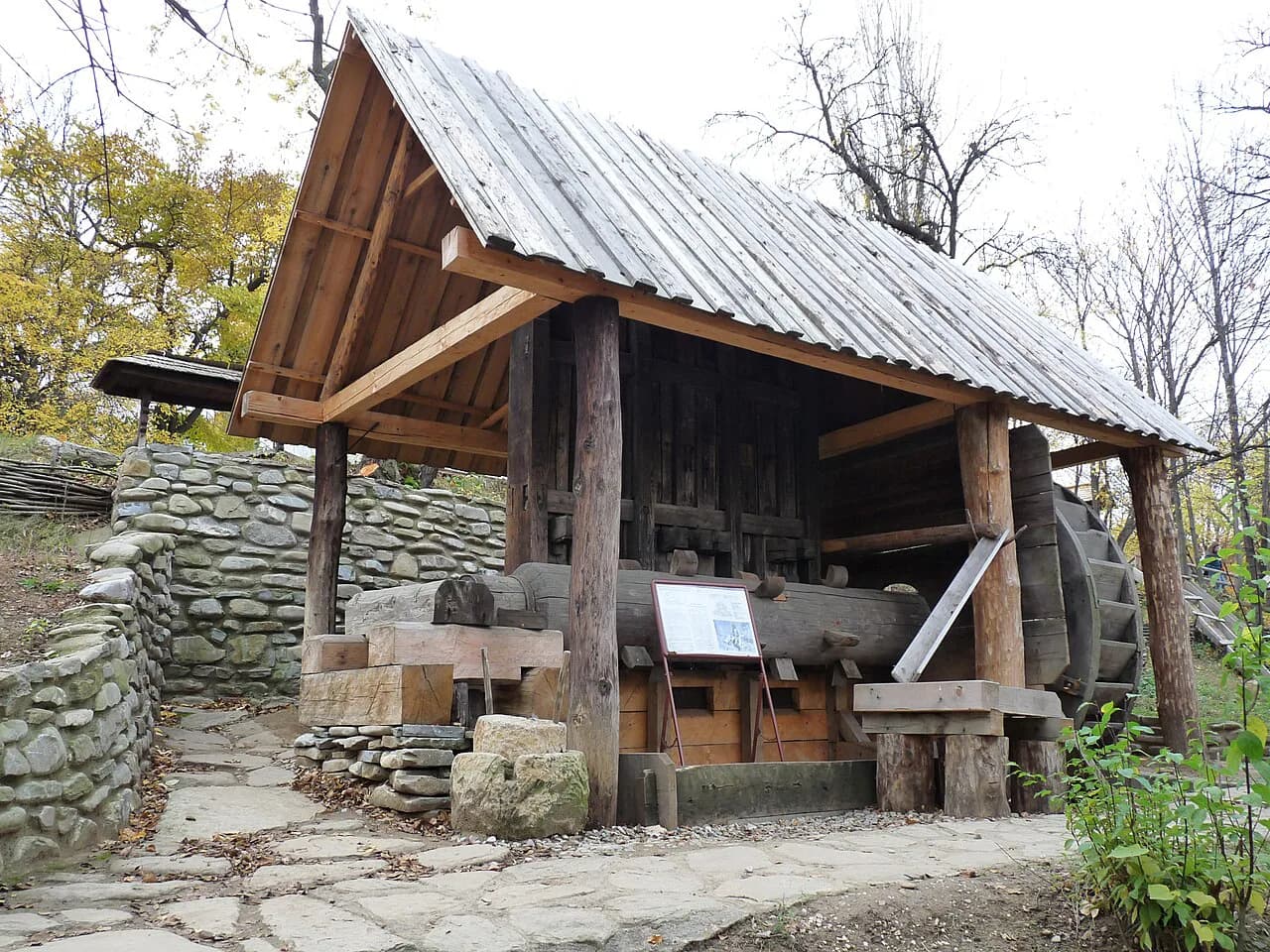
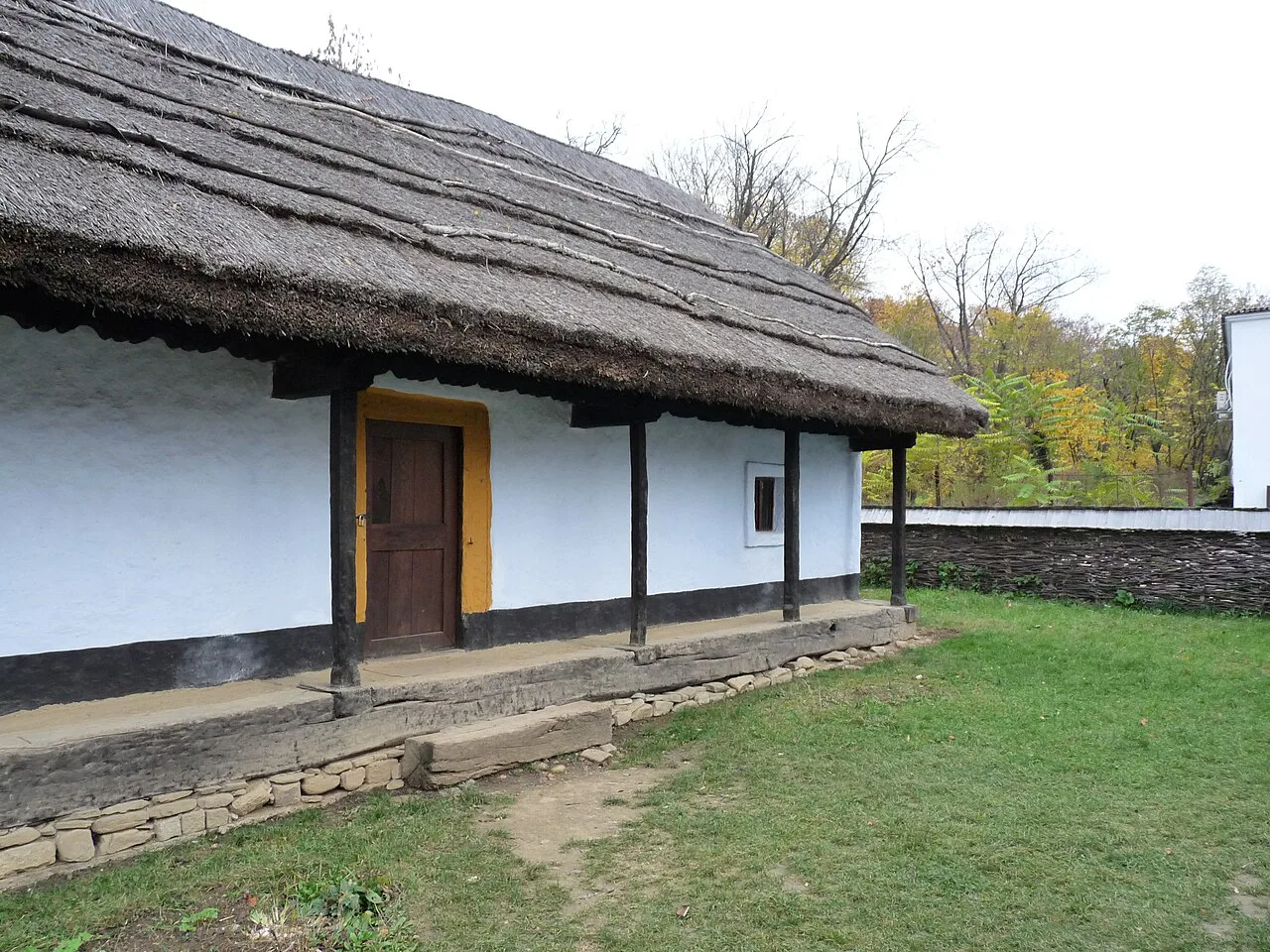
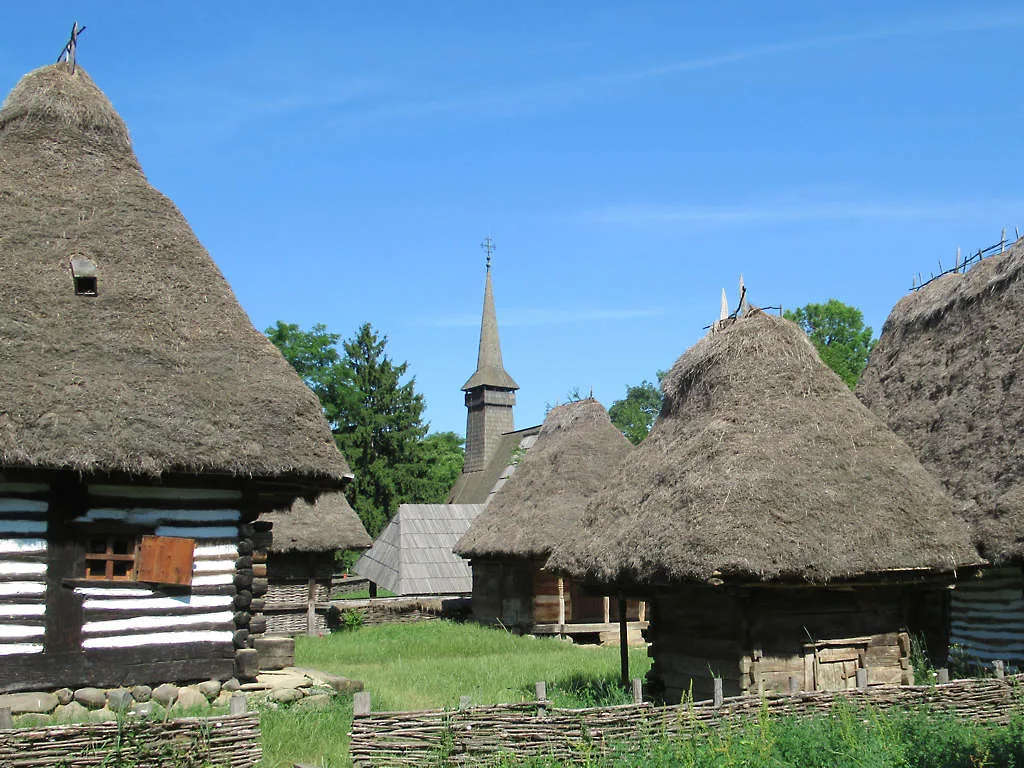
Open-air village museums solve the transport problem: houses, churches and gates from across the country are brought together on one site, so you see the building types without driving between villages. The ASTRA Museum at Sibiu is the largest of these and the obvious choice on a Transylvanian route. Allow half a day, wear shoes that cope with unpaved paths, and check opening arrangements before you travel.
The Bucharest Village Museum does the same job inside the capital, on the shore of Lake Herăstrău, which makes it the easiest folk stop for anyone flying in and out of Bucharest. Combine it with the city's central sights rather than treating it as a separate excursion. Both museums are outdoor sites, so weather affects how long you stay.
Etiquette around traditional hospitality
If food or drink is offered in a Romanian home or social setting, accept it. Hospitality is bound up with pride in food, and refusing can read as rejection rather than moderation. Take a small portion if you are full and eat some of it; the gesture matters more than the quantity.
Expect some reserve and formality on first meeting, and expect people to be direct about their opinions once conversation starts. Answer questions honestly and courteously rather than deflecting, and raise any problem directly but privately. Building familiarity takes time, so do not mistake initial formality for coldness.
Common mix-ups: Roma and Romanian identities, and the Dracula fiction
Ethnic Romanians and Roma, sometimes written Romi, are two separate identities within the country, and visitors confuse them more often than they realise. The distinction is sensitive, so get the terms right before you comment on people you meet or on what you read. The same care applies to the country's neighbours: Romania is not a Slavic country and was not part of former Yugoslavia, and treating it as generically Eastern European misses the point.
Dracula is a character from Bram Stoker's novel, and the fictional count is a separate matter from the historical Vlad III associated with sites in Wallachia and Transylvania. Castle marketing leans on the fiction, so read the two apart when you visit. Vlad III is a historical figure with a documented connection to specific fortresses; Stoker's novel is literature written centuries later.
Visitors also arrive with assumptions about how the country is portrayed abroad. Comments about corruption or about communism land differently from a visitor than from a Romanian, and strong criticism is poorly received even when the subject comes up. Let your hosts set the tone if these topics arise.
Fitting a tradition-focused stop into a town-and-castle route
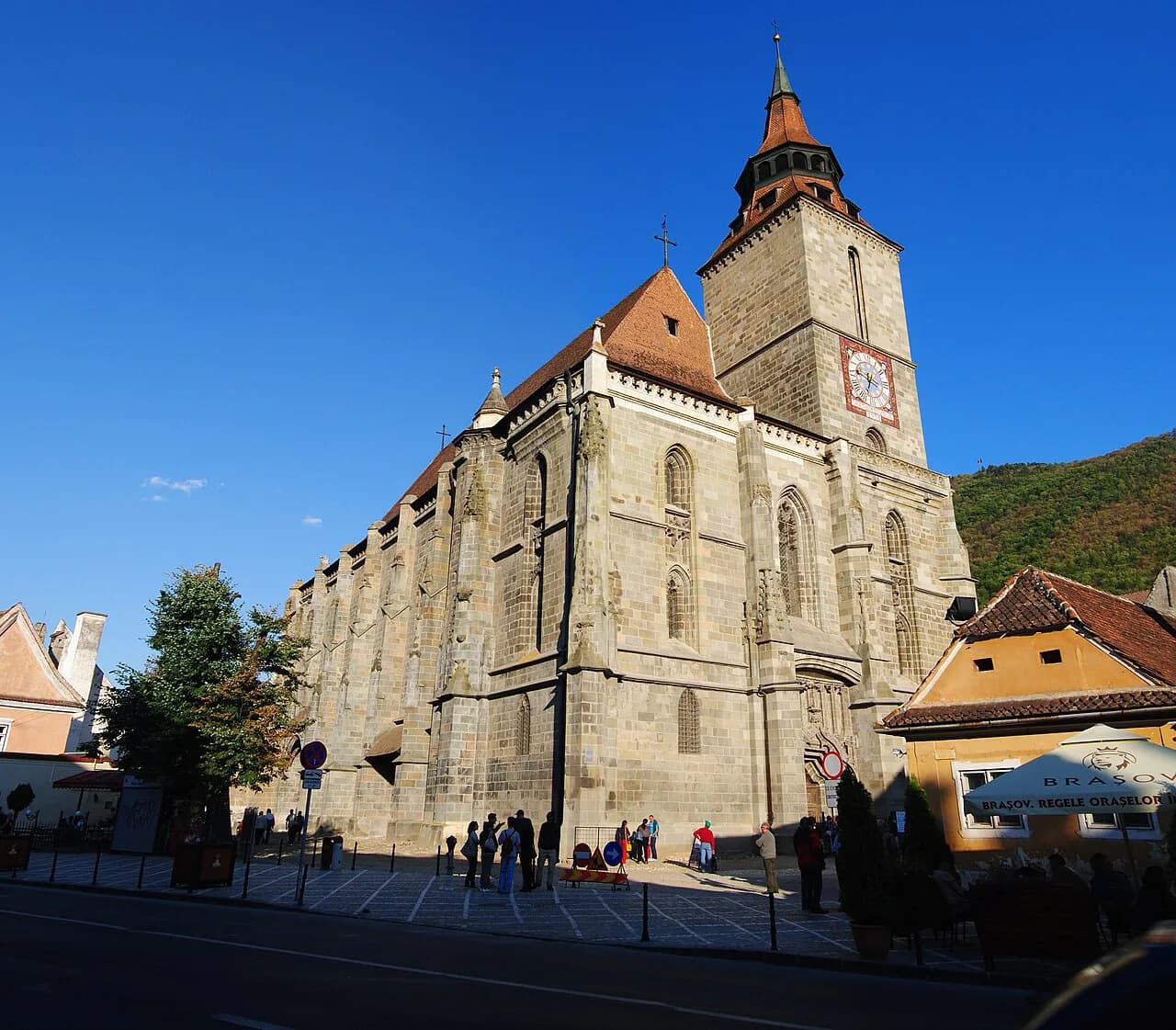
The workable pattern is to anchor the trip on towns and castles and add one folk collection plus one craft purchase. In Bucharest, that means the Village Museum alongside the centre. On a Transylvanian route, it means the ASTRA Museum at Sibiu, a morning in a Saxon fortified church village, and painted eggs or a blouse bought from a craft seller rather than an airport shop.
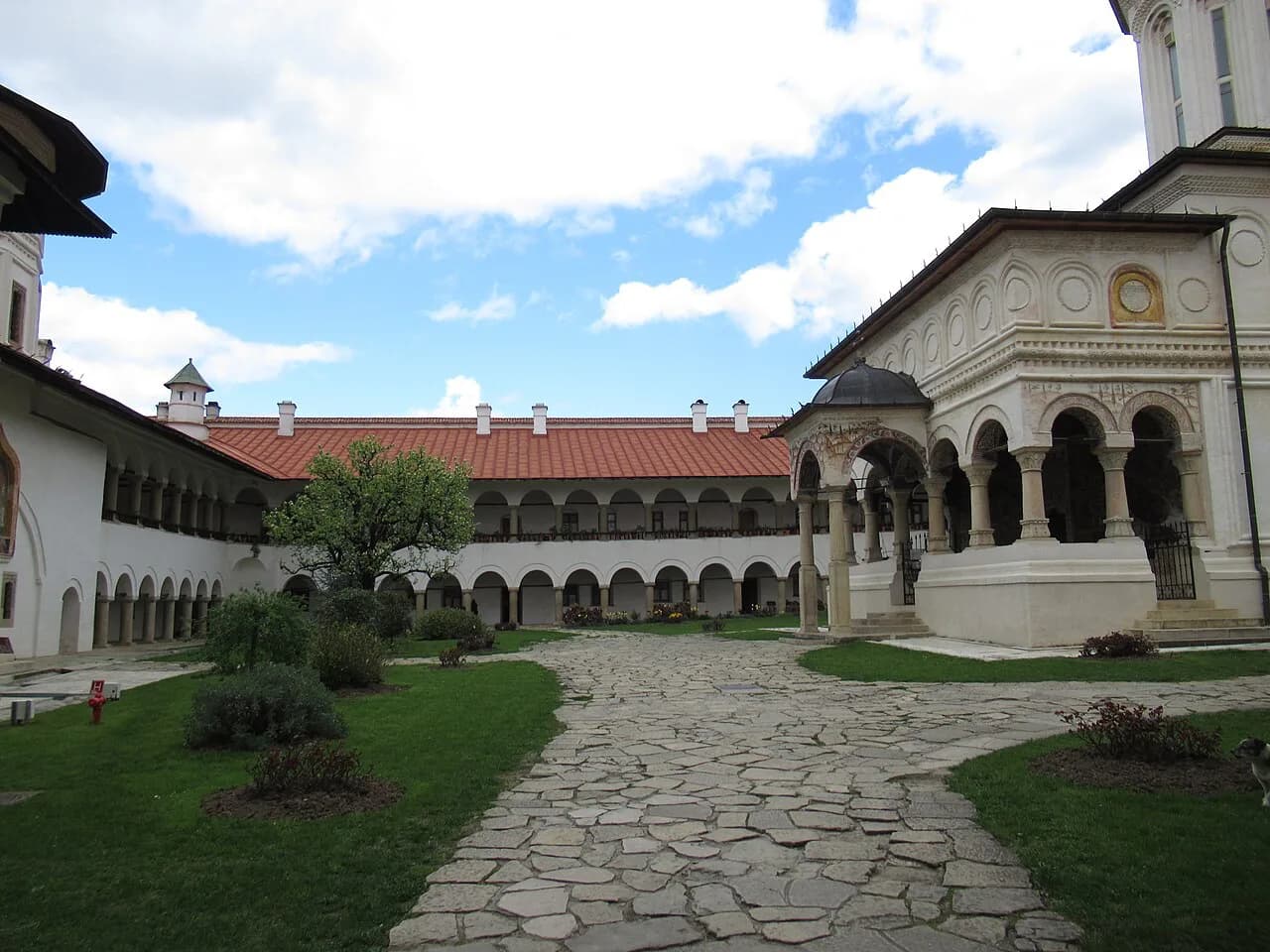
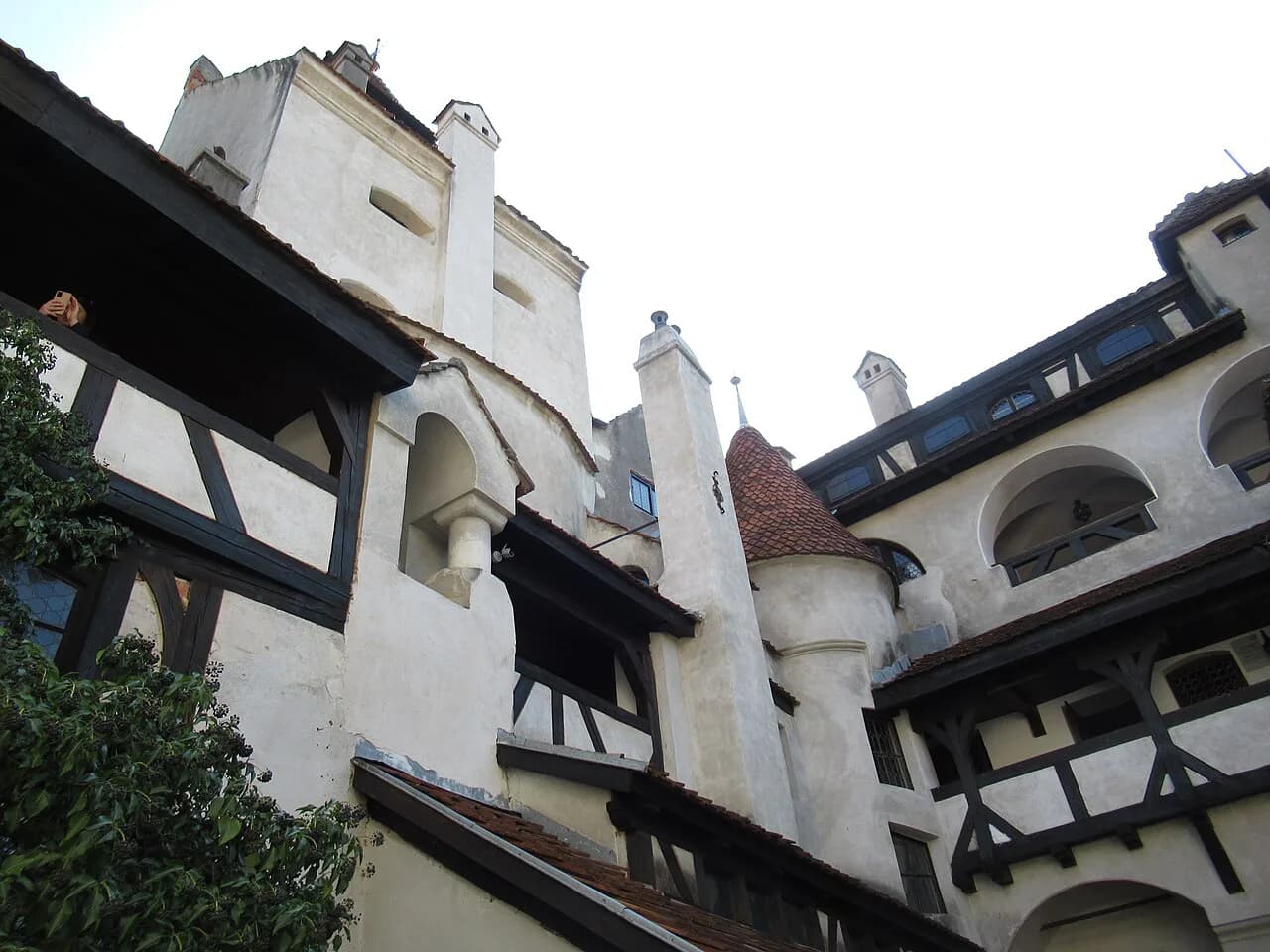
Painted monasteries in Bucovina belong to a different corner of the country and a different trip; if painted churches are your interest, plan that as its own route rather than bolting it onto Brașov. Castle visits at Bran and Peleș are the other common anchor, and a folk museum fits neatly into the day before or after. Keep one full day free of transfers so a village museum is not rushed.
Pick the craft you want to see, then build the route
Decide first whether you are chasing objects or occasions. Objects — blouses, painted eggs, carved gates, timber churches — are available on any dates through museums and markets, so build the route around them and add a castle or two. Occasions follow the Orthodox calendar and are worth planning around only if you have confirmed one is running during your stay.
Then choose your base by craft: Bucharest for the Village Museum, Sibiu for ASTRA and the Saxon villages, Cluj-Napoca as the launch point for Maramureș. Buy craft pieces from sellers who can tell you the region and technique, and accept hospitality when it is offered. Confirm museum opening days and any festival programme with the venue before booking travel.
Explore more Romania guides
Frequently Asked Questions
What are some cultural traditions in Romania?
The traditions a visitor meets most often are embroidered blouses and full folk costume, wax-and-dye decorated eggs, carved wooden gates and timber churches in Maramureș, and folk music and dance performed at village festivals. Easter customs are the calendar event most likely to overlap a trip. Open-air village museums such as ASTRA at Sibiu and the Village Museum in Bucharest gather the objects in one place.
How do Romanians say hi?
Greetings are fairly formal on first meeting, and people tend to be reserved until they know you. Keep introductions courteous, use titles where they apply, and let familiarity build over the conversation rather than forcing it. Honest answers to direct questions are valued more than polished small talk.
What should I avoid saying in Romania?
Avoid strong criticism of the country or its people, and be careful with communism and corruption as conversation openers, since opinions vary and outside criticism is poorly received. Don't call Romania a Slavic or former Yugoslav country. Keep ethnic Romanians and Roma distinct, and don't merge them.
Is Dracula a Romanian tradition?
No. Count Dracula is a character invented by Bram Stoker, and the fiction is separate from the historical Vlad III connected to specific fortresses. Castle marketing plays on the story, but it is not a folk custom. Treat the novel and the historical figure as two different things when you read site displays.
Sources
Useful notes for your next trip
Optional updates to our guides.
You might also like
Continue reading
More guides you'll find useful