Székely Land: Visiting Transylvania's Hungarian-Speaking Region
Székely Land is the Hungarian-speaking region of eastern Transylvania. Here's what it covers, which towns anchor a visit, and how to plan a trip there.
On this page
Székely Land is the Hungarian-speaking region of eastern Transylvania, where a Hungarian majority still lives today. Plan it as a two- to three-night add-on to a Brașov or Sighișoara trip rather than a standalone city break, and treat Miercurea Ciuc, Odorheiu Secuiesc and Sfântu Gheorghe as your practical bases. This guide covers where the region sits, what the towns offer, how signage and language work, and how to weigh the time against the better-known stops.
Be clear about what you are booking. Székely Land is a cultural and linguistic region with a present-day Hungarian majority in eastern Transylvania, and it sits inside the wider travel region of Transylvania. That distinction matters when you plan transport, because you will be looking up Romanian towns and counties rather than a single administrative destination.
Treat any ticketed attraction as a check-at-the-gate matter: where a site charges admission, the price is quoted in lei (RON), and you should confirm the current figure on site rather than relying on older figures. Most of what this guide describes — the towns, the village lanes and the carved gates — is seen on foot or by car rather than through a ticket desk. Keep your expectations grounded in what the region is: working Hungarian-speaking towns and villages rather than a single ticketed sight.
What Székely Land is
Székely Land is the part of eastern Transylvania where the Székelys, a Hungarian-speaking community, form the present-day majority. The territory has a distinct heritage shaped before and after the political changes of the twentieth century, and that heritage is what most visitors come to see.
The Romanian-language context matters for research: Romanian sources and maps will usually use Romanian town names rather than the English spelling, so keep both forms to hand when you search for transport or read a timetable.
Historically the Székelys were led by a Count of the Székelys, an office in the medieval Kingdom of Hungary. That is background rather than something you will encounter as a visitor, but it explains why the region's story is framed in Hungarian terms as much as Romanian ones.
Treat the region as one strand of a wider Carpathian trip. The towns here sit between the better-known Saxon sites to the west and the mountain passes to the east, so a loop through Transylvania can take in both.
Where Székely Land sits within Transylvania and how travellers reach it
Székely Land occupies the eastern side of Transylvania. Approach it from the west and south via the larger Transylvanian towns, using the route that best matches your other stops rather than a single fixed gateway.
For a first visit, a sensible pattern is to base yourself in Brașov or Sighișoara and spend two nights in the Székely towns before returning. Sighișoara works well as the second anchor if you want to combine the Székely towns with the Saxon citadel and its Piața Cetății.
Public transport across the region is uneven, and some smaller places are served infrequently. Check the current timetable before committing to a bus-only plan, and keep a car or organised transfer option in reserve for the last stretch.
If you are stringing together several Transylvania stops, sketch the route on a map before booking anything. A Transylvania map makes the distances between Brașov, Sighișoara and the Székely towns obvious, and it will save you from backtracking on mountain roads.
Miercurea Ciuc, Odorheiu Secuiesc and Sfântu Gheorghe: the towns that anchor a visit
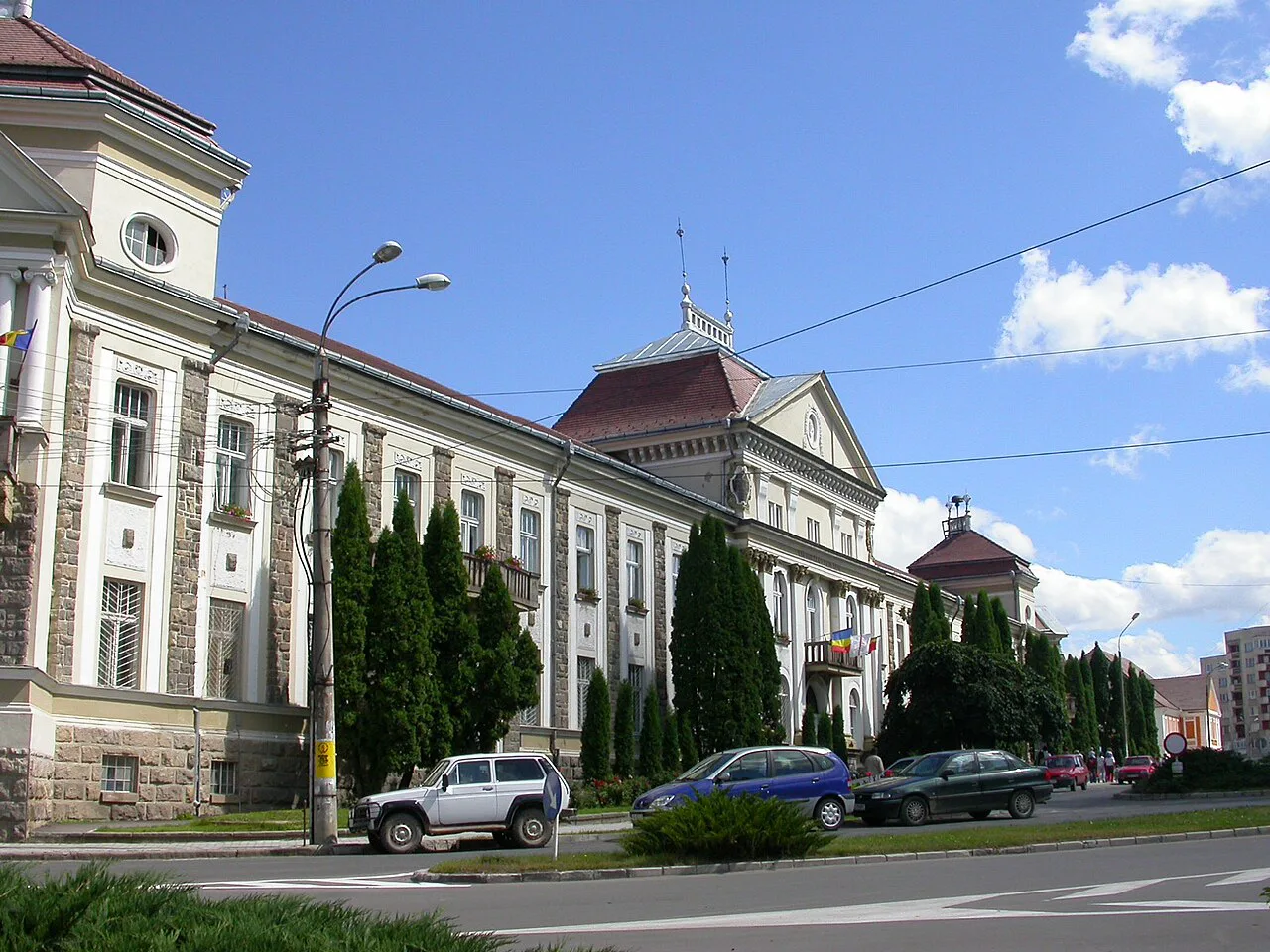
Miercurea Ciuc is a natural northern base in the region, and along with Odorheiu Secuiesc and Sfântu Gheorghe it is one of the three Székely towns usually named as anchors for a visit.
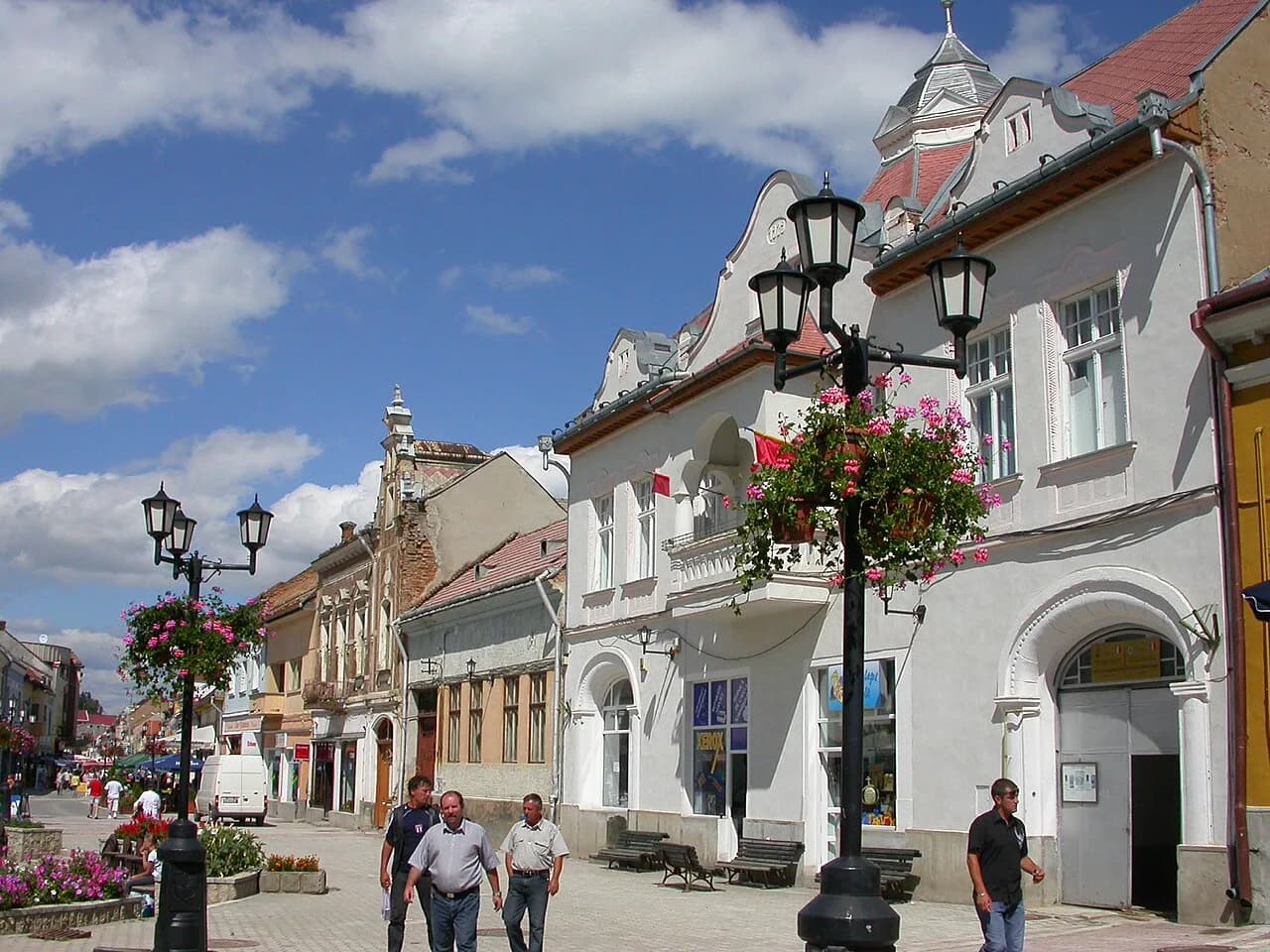
Odorheiu Secuiesc is the region's other substantial town and a good half-day stop for its central streets and Hungarian-language signage. Sfântu Gheorghe, further south towards Brașov, is the most convenient anchor if you are arriving from that direction and want a shorter transfer.
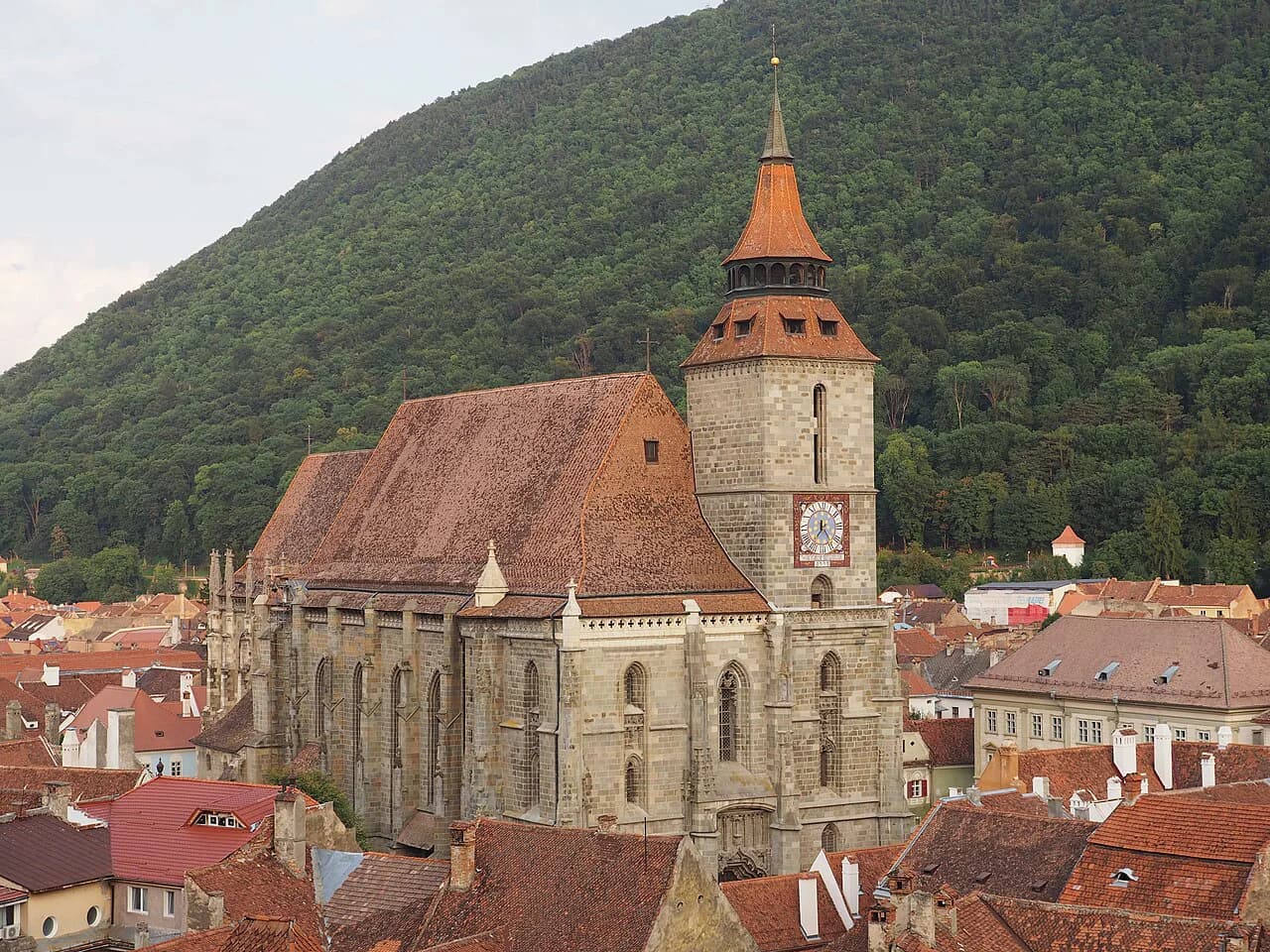
None of the three is a blockbuster sight in the sense of Brașov's Black Church or Bran Castle. Their value is as working Hungarian-speaking towns where you can walk the centre, eat, and use them as a springboard for the surrounding villages. If your trip is short, pick one base and explore outward rather than trying to tick all three.
Carved wooden gates and village architecture
Villages across the Székely region are known for their carved wooden gates, tall structures with deep geometric carving standing at the entrance to houses. They are part of the village building tradition, and a slow drive through the lanes is the way to see them.
The gates stand at the entrance to people's homes, so admire them from the lane rather than walking up to photograph at close range. A car gives you the flexibility to stop where the road allows; buses on fixed routes will take you past plenty without the option to pause.
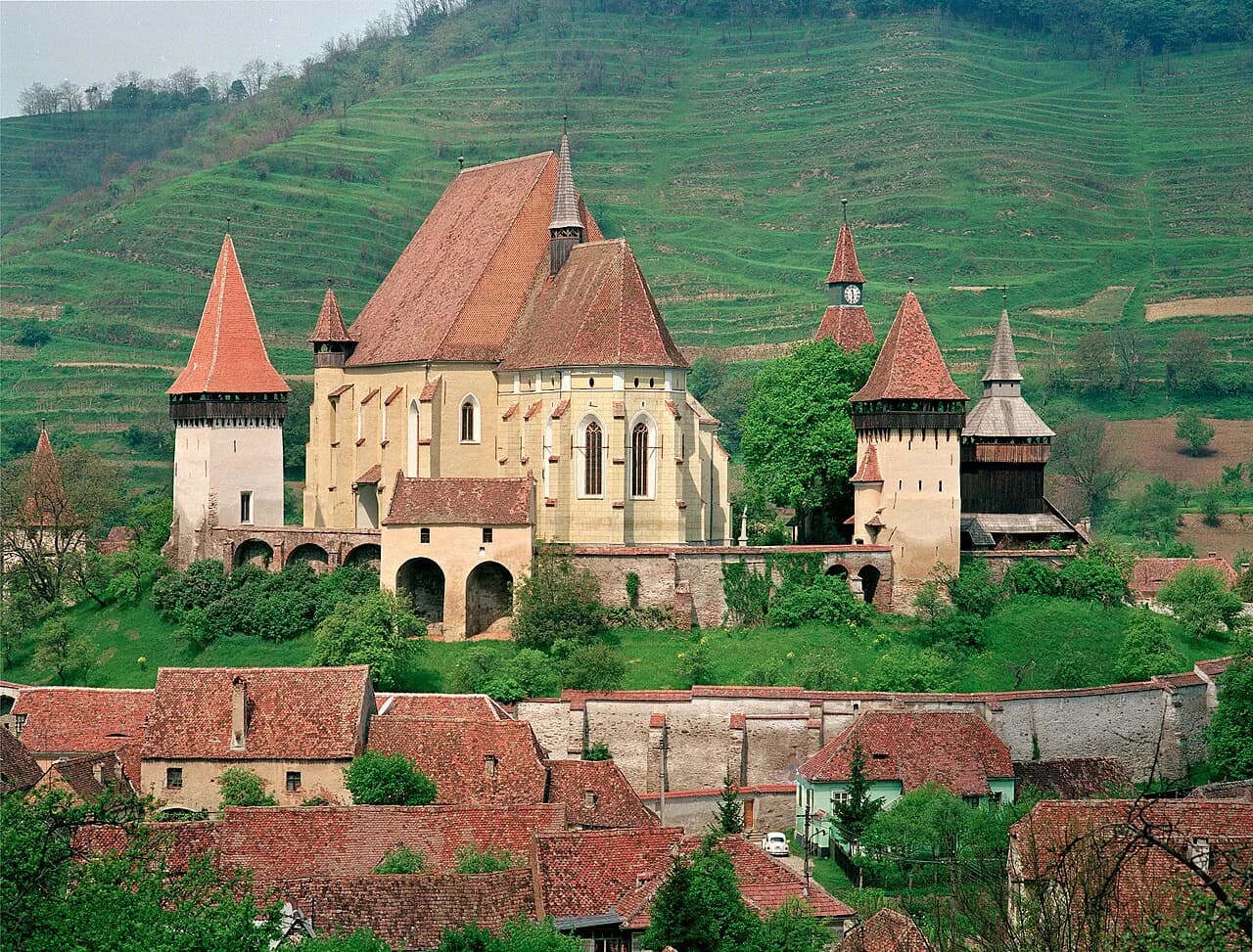
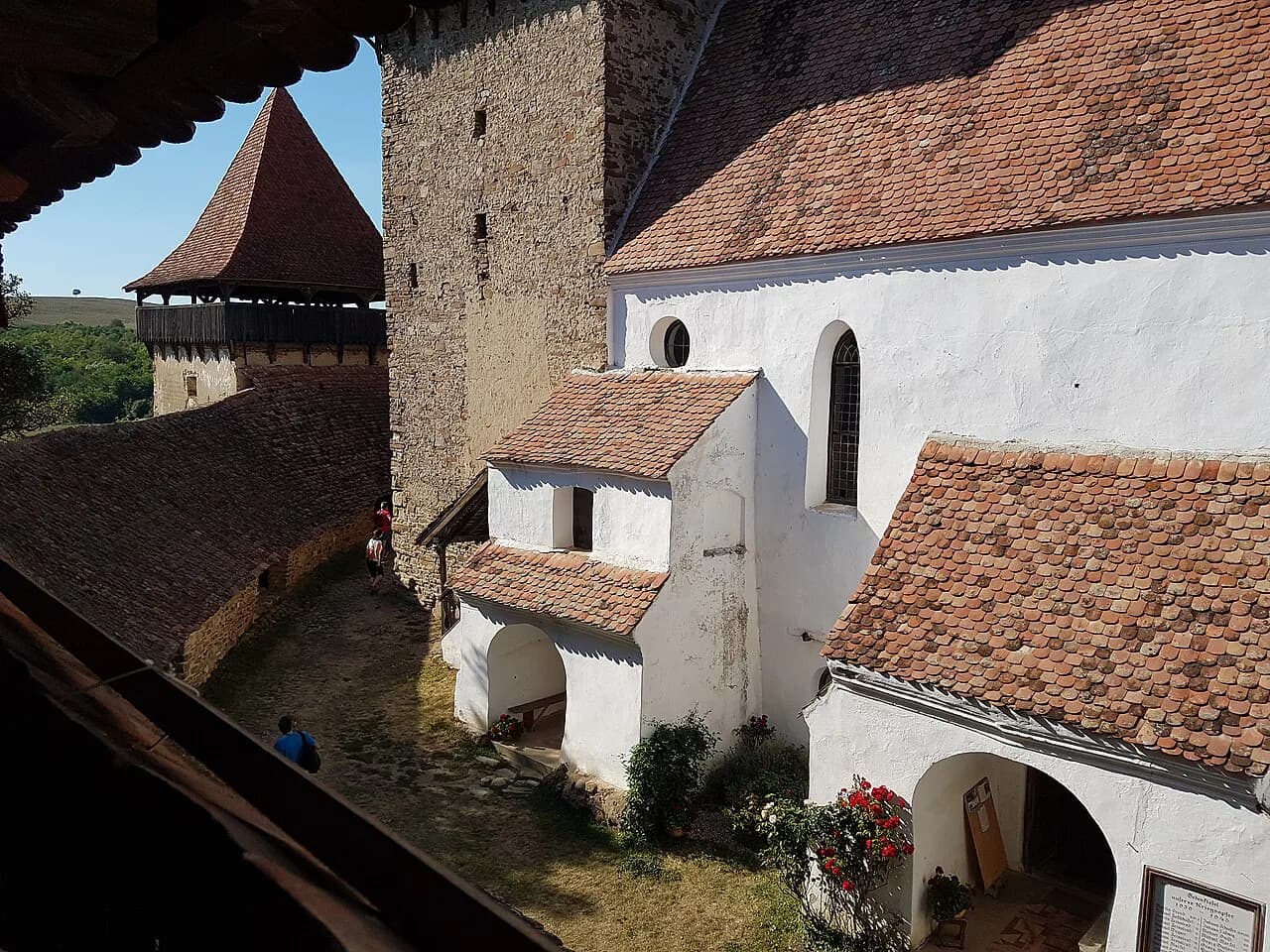
If your wider Transylvania trip includes the Saxon villages, note the contrast. The fortified churches at Biertan, Viscri and Prejmer belong to a different tradition, so don't expect the same architecture in Székely villages as in the Saxon settlements further west.
The countryside around the towns
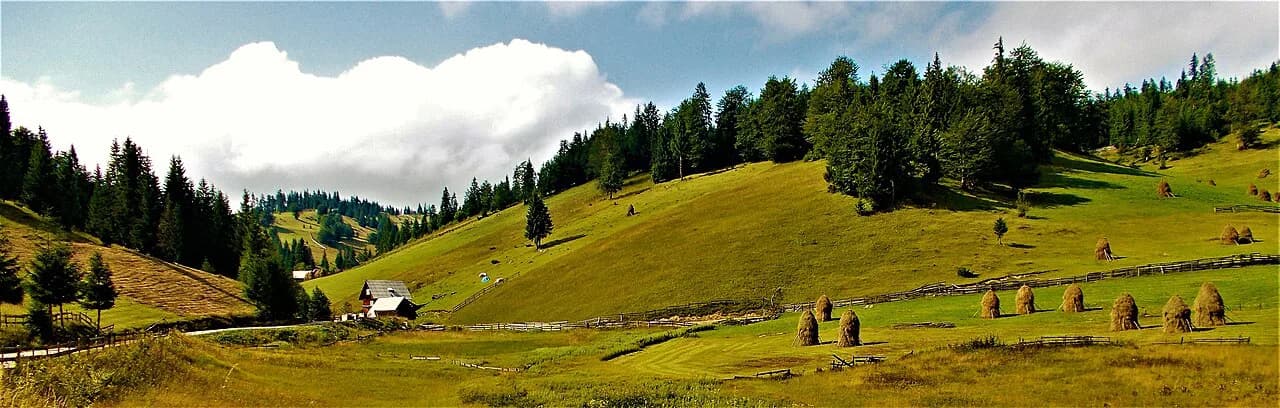
Beyond the towns, the countryside is the reason to slow down: villages, lanes and surrounding hills reward a driving day rather than a fixed list of sights. If Lake St Ana and the Praid salt mine are on your list, treat them as individual stops to plan around your own research rather than as a single itinerary this guide maps out.
Treat any named site in the region as a check-before-you-go matter: opening days, seasonal restrictions and admission can change, so confirm the current details with the site or operator rather than relying on older figures. Build flexible driving days around one or two confirmed stops rather than a packed schedule.
A countryside day works best from a base at Miercurea Ciuc or Odorheiu Secuiesc, with your own car so you can stop where the road allows.
Language and signage: Hungarian alongside Romanian
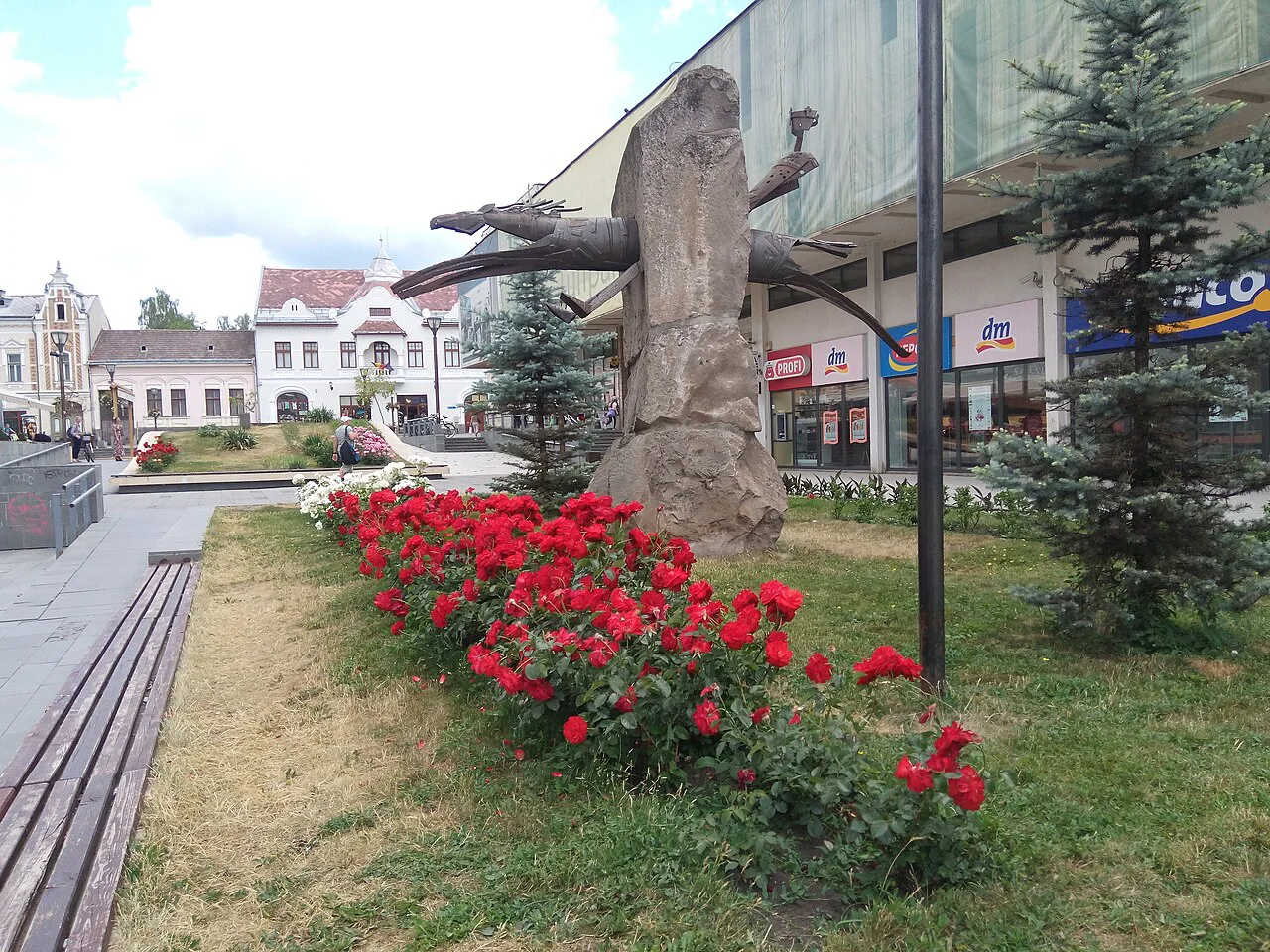
In the Székely towns Hungarian is the language you will hear most in the street, reflecting the local majority rather than a tourist gesture.
English is less widespread than in Brașov, so a few words of Romanian or Hungarian go a long way in smaller places. Learning to say the town names properly also helps, since ticket clerks and bus drivers will use the local forms rather than the English spelling.
Place names on timetables may appear in either language, sometimes both, and occasionally in a form you don't recognise from your map. Cross-check the Romanian name before you travel and keep the Hungarian one written down as a backup.
The Székely Himnusz: the anthem tied to the region's identity
The Székely Himnusz began as a poem by György Csanády, and was set to music by his friend Kálmán Mihalik. The finished work was performed publicly in spring 1922 and was well received.
Mihalik contracted typhus and died only months after that first performance, and the work had been retitled the Székely Himnusz shortly before his death. It became a song of longing for Székelys and Hungarians who wanted to be reunited in one state after the Trianon settlement.
Under the communist government of Nicolae Ceaușescu, singing the anthem was forbidden, and those caught could be imprisoned or sent to labour camps. That ban made the song more popular rather than less, and it became a form of protest. Treat all of that as history: it is not a description of the region today.
How much time the region needs and how to combine it with Brașov or Sighișoara
Two nights is the minimum that makes the journey worthwhile; three nights lets you add a countryside day without rushing. A single day trip from Brașov to Sfântu Gheorghe and back leaves little time for the villages.
The honest trade-off is against the better-known stops. Brașov's Piața Sfatului and the Black Church, and Sighișoara's citadel, are more compact and more heavily visited, so a short trip may deliver more per day there. Székely Land rewards travellers who are willing to trade density for a slower, more rural experience.
If you are building a longer loop, the region pairs well with the towns further west, including Alba Iulia and the route towards Târgu Mureș. A guided Transylvania tour can handle the driving, though you will want to check whether the itinerary actually crosses into the Székely towns rather than skirting them.
For a broader sense of what else is worth adding to the same trip, our guide to the best towns in Transylvania is a sensible next read before you commit to a route. It will help you decide whether Székely Land is the right counterweight to the Saxon sites or whether you would rather spend the time elsewhere.
Getting around by train, bus and car
A car is the most practical way to see the region properly, because the villages and the surrounding countryside are away from the main rail lines. Mountain sections are slower than the distance suggests, so plan fewer stops per day than you would in flatter country.
Buses link some of the towns, but check the current timetable before you rely on a particular connection, and have a fallback plan for the last leg.
If you are arriving from the north-west, Târgu Mureș is a useful staging point before heading east into the Székely towns. It also gives you an urban stop with its own centre, so it can break up a long driving day.
Is Székely Land worth the detour?
Yes, if you have at least two nights to spare and a car or a flexible bus plan. The region gives you Hungarian-speaking towns, carved wooden gates and villages within a compact area, which is a different experience from the Saxon citadels and the crowds at Bran.
No, if this is your first short trip to Transylvania and you have three or four days total. In that case put the time into Brașov and Sighișoara, and leave Székely Land for a return visit when you can drive and stay longer.
Whichever way you decide, settle the route before you book anything. Fix your bases, confirm the current opening days for any site you want to visit inside, and check train and bus times for the specific dates you are travelling.
Explore more Transylvania guides
Frequently Asked Questions
How do you pronounce Székely?
The Hungarian pronunciation is roughly SAY-kay, with the stress on the first syllable. The letters sz give an s sound and the é is a long ay, so it is not pronounced with a hard z. Locals will understand the Romanian form secui as well.
Are the Székelys Hungarian or Romanian?
The Székelys are a Hungarian-speaking community living in eastern Transylvania, within modern Romania. The region has a present-day Hungarian majority, and Hungarian is widely used alongside Romanian.
Is Székely Land connected to Dracula?
No direct connection is documented here. Bram Stoker's Dracula is fiction, and the historical Vlad III is a separate subject tied to sites in Wallachia and around Bran, so keep the two apart when planning a trip.
Sources
Useful notes for your next trip
Optional updates to our guides.
You might also like
Continue reading
More guides you'll find useful