Râmeț Monastery: Visiting the Old Church in the Trascău Mountains
Râmeț Monastery is an Orthodox church in a valley in Alba County, dated to the 14th century. Here is what to expect and how to plan the drive there.
On this page
Râmeț Monastery is a short visit: one 14th-century Orthodox monastery church in a valley in Alba County, in the mountains east of Alba Iulia. The drive up the Râmeț valley shapes the day as much as the church itself, so treat it as a valley-end destination rather than a stop-off between towns. This guide covers what the church is, how the site sits in the village, and how to plan the approach.
The building you come for is the old church, dated to the 14th century, rather than a walled complex of museum rooms. Set your expectations accordingly: this is a place to look at carefully for half an hour, not a site that fills an afternoon.
What Râmeț Monastery is
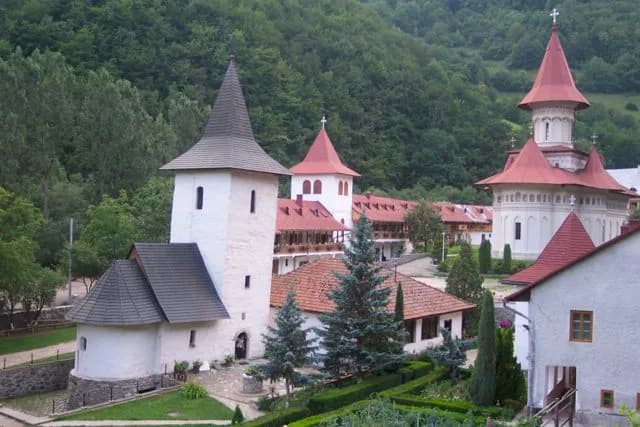
Râmeț is an Orthodox monastery in a valley in Alba County, in the mountains of western Transylvania. The community's church is the draw, and the village around it is small. It is not a fortified churches site with towers and bastions, nor a working complex of exhibition rooms, so plan the visit around the building itself.
The church is dated to the 14th century, and it is described as one of the oldest monastery churches in Transylvania. That description is worth keeping in proportion: it makes the building historically interesting, but the site is modest in scale. If you are choosing between several old churches in the region, this one rewards an interest in age and setting more than spectacle.
Alba County is the general area to plan around, with Alba Iulia as the obvious base for the region. The county boundary here is not something to argue about on the ground; what matters for your itinerary is that the monastery sits in the mountains east of Alba Iulia, reached from the Alba Iulia side. Note that one image caption places Râmeț in Cluj County, so confirm the location on a current road map before you drive.
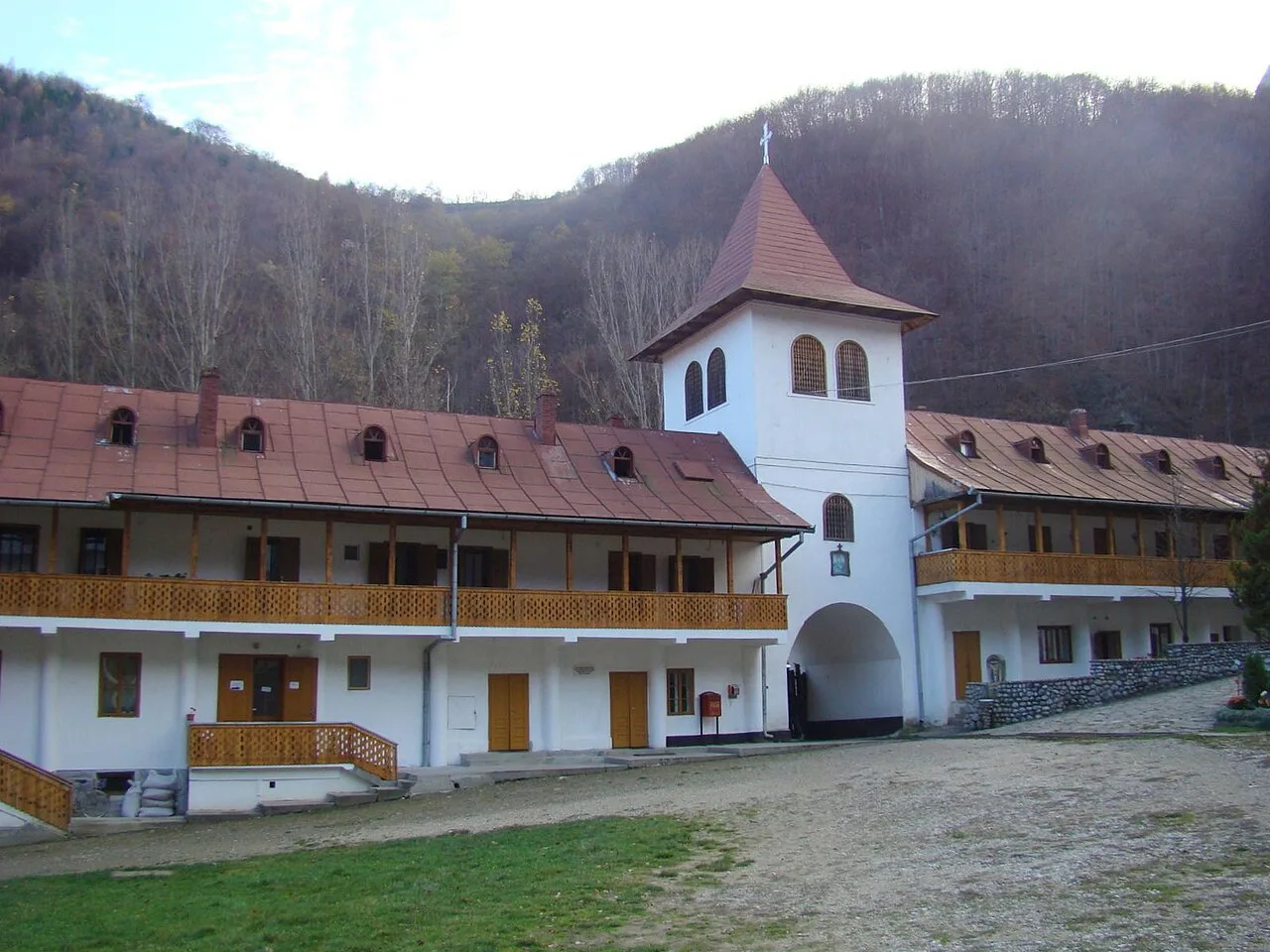
The monastery church
Come for the age of the building. A church with 14th-century origins in an Orthodox monastery is the reason to make the detour, and the visit works best if you understand how a Romanian Orthodox church is laid out before you arrive. The setting, at the head of a valley with mountains on both sides, does the rest.
There is no basis for promising painted interiors, a carved iconostasis or a museum display. What is documented is the date of the church and its Orthodox use; anything beyond that, you find out on arrival. Go expecting a plain, old, working church and you will not be disappointed by missing exhibits.
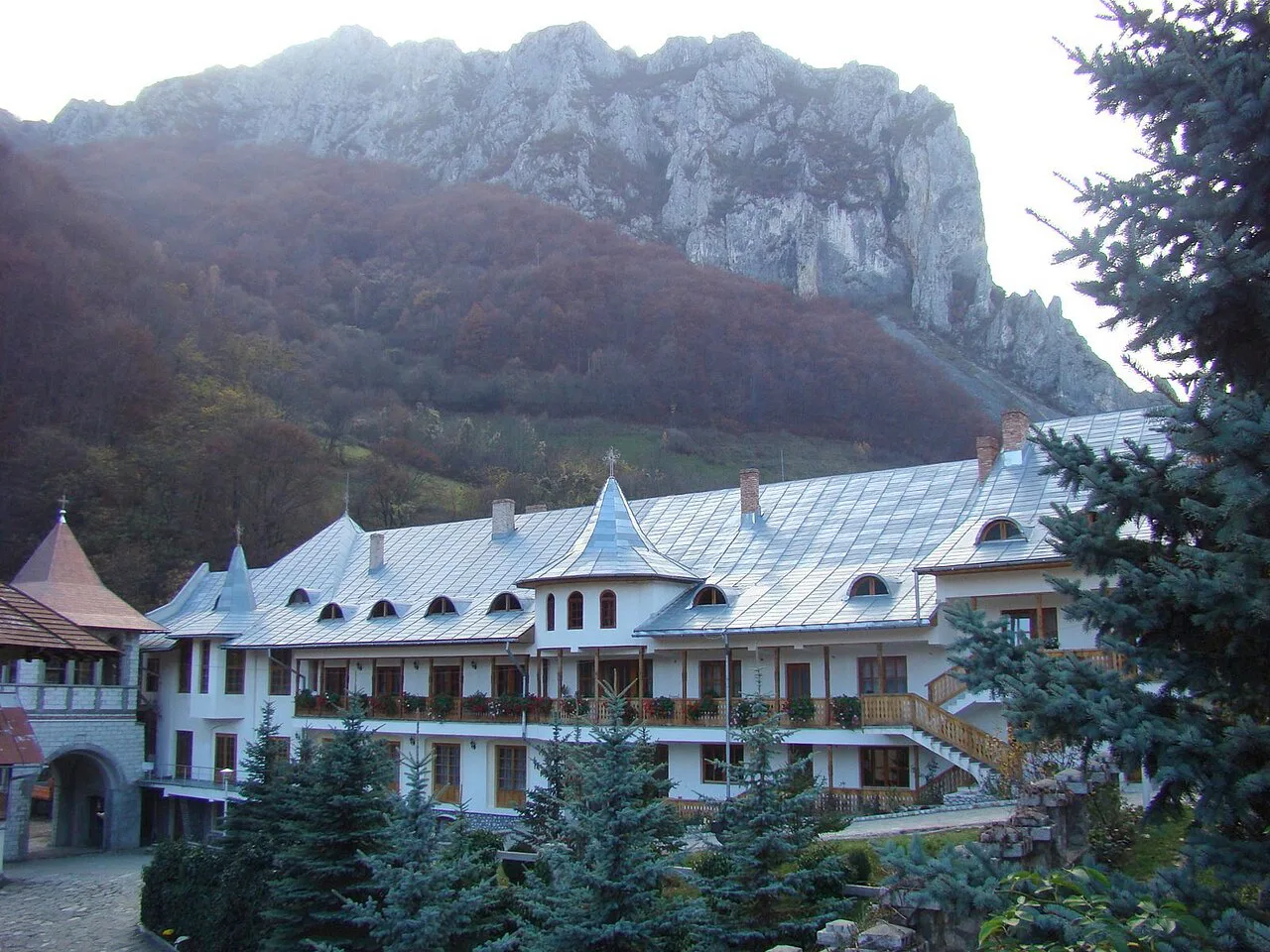
Where the monastery sits in the valley
Râmeț lies in the Valea Râmețului, the Râmeț valley. The monastery is part of a valley settlement rather than an isolated monument in open country, so you arrive among houses and then walk to the church. Plan your approach so that you are not turning up at the end of the day with no light left.
The valley setting is the point of the trip, and the wooded mountain country around it rewards a slow drive. Narrow valleys in this part of Transylvania take time, and the last stretch is the slowest. Allow for that when you build the day, and keep the rest of the itinerary light so the drive in does not feel like a race.
Getting there: the road in
Râmeț is reached by road, up the Râmeț valley from the Alba Iulia side. There is no source here that gives a road number, a distance or a journey time, so plan the drive with a current road map and set off with a full tank, because the valley has little in the way of services.
The road in is narrow and the journey is the slowest part of the day, so a car is the practical way to do this. Treat the drive as the trip: you come for the valley, the village and the church at the end. If you are travelling without a car, plan the monastery around a driver or a booked car; no published bus or train connection to the monastery appears in the sources consulted, so build the day around a private vehicle and check current road and access conditions before setting out.
Allow more time for the road than your map suggests, and start early enough to drive back out in daylight. The mountains east of Alba Iulia are a poor place to be caught by darkness on an unfamiliar road. A full day out from Alba Iulia, with the monastery as the turning point, is a sensible shape.
How long to allow
The visit itself is short: half an hour to an hour is enough for the church and the immediate surroundings. Most of the day goes on the drive in and out, so the trip works as a half-day or full-day outing from Alba Iulia rather than a destination in its own right. If you have only one day in the area, this is the sort of place to visit alongside something else.
Build the rest of the day around the region rather than around a list of sights. Alba Iulia is the natural place to start and finish. If you are collecting old churches and monasteries on a longer trip, compare the wider choice of monasteries in Romania before you commit a day to one valley, since each one demands a different amount of driving.
Practical points to confirm before you travel
Check opening times and visiting arrangements with the monastery directly before you set out. Ask whether the church is open to visitors on the day you plan to come, and whether a service is taking place, since that changes what you can do on site. Treat any online listing you find as a starting point rather than a timetable.
Photography and dress are matters of the community's own rules, so ask on arrival. Keep your voice low inside the church, and dress as you would for any working Orthodox church in Romania. If you want to photograph people or a service, ask first.
For a broader sense of how Orthodox churches in Romania are arranged and used, read Romanian Orthodox Churches before you go so that a short visit means something. Elsewhere in Romania, monastery architecture and decoration vary widely between regions, and knowing the difference helps you judge what you are seeing at Râmeț.
Is Râmeț worth the drive?
Yes, if you want one old church in a quiet valley and are happy to spend most of the day on the road. No, if you are expecting a large complex with exhibits: the visit is brief and the church is the whole of it. Plan the drive in daylight, take a car, and confirm visiting arrangements with the monastery before you go.
Explore more Romania guides
Frequently Asked Questions
Is Râmeț Monastery in Alba County or Cluj County?
Râmeț is described in one image listing as sitting in Alba County and in another as in Cluj County, so check the location on a current road map when you plan the drive rather than relying on a single listing.
How much time should I allow for Râmeț Monastery?
Allow half an hour to an hour on site for the church and its immediate surroundings. The drive up the valley and back is the slowest part of the day, so most of your time goes on the road; plan a half-day or full-day outing from Alba Iulia rather than expecting a long visit.
Do I need a car to visit Râmeț Monastery?
A car is the practical way to reach the monastery, since the last stretch is up a narrow valley road with few services. No bus or train connection to the monastery is published, so plan around a car or a booked driver.
Sources
Useful notes for your next trip
Optional updates to our guides.
You might also like
Continue reading
More guides you'll find useful