Horezu Pottery: What It Is and How to Buy It in Romania
Horezu pottery is handmade in Horezu, Vâlcea County, and appears on the UNESCO Intangible Cultural Heritage Lists. Here is what the craft is and how to buy it.
On this page
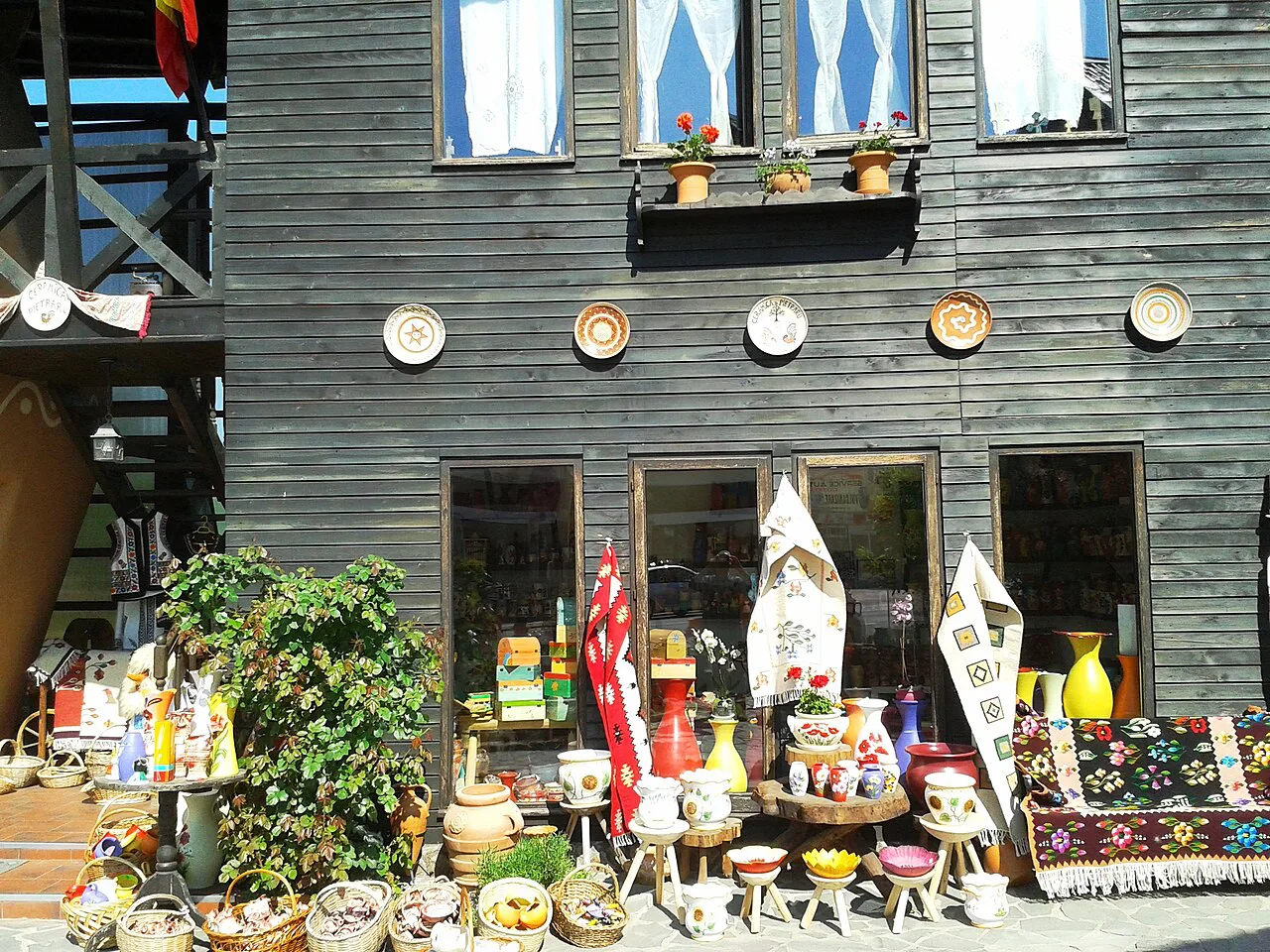
Horezu pottery is handmade pottery from Horezu, a town in Vâlcea County in south-western Romania, and the craft is recognised on the UNESCO Intangible Cultural Heritage Lists. If you want to buy it properly, go to a working pottery in Horezu rather than a gift shop in Bucharest, and expect each piece to differ from the next.
What Horezu pottery is and where it is made
Horezu pottery is a traditional handmade pottery produced in and around Horezu, in the northern part of Vâlcea County. The workshops shape and decorate each piece by hand, so the craft sits with individual potters rather than with a factory line. Buyers should read "handmade" literally here: small variations in form, glaze pooling and brushwork are part of the object, not faults.
That distinction matters when you are choosing what to bring home. A hand-thrown jug and a moulded copy can look similar in a photograph, but only one came off a potter's wheel in Vâlcea County. Ask directly whether the piece was made in the workshop you are standing in, and whether the decoration was painted there by hand.
Why the craft is on the UNESCO Intangible Cultural Heritage Lists
Horezu ceramics appear on the UNESCO Intangible Cultural Heritage Lists, which is the clearest signal that this is a living craft rather than a decorative theme. The listing attaches to the tradition of making the pottery in Horezu, not to any single workshop or design. For a visitor, it is a reason to see the work where it is produced and to treat a purchase as supporting a continuing practice.
Is Horezu pottery safe to use for food and drink? Ask the workshop where you buy it. Decorative pieces and pieces made for use can be finished differently, and the potter is the right person to say how a specific item should be used and cleaned.
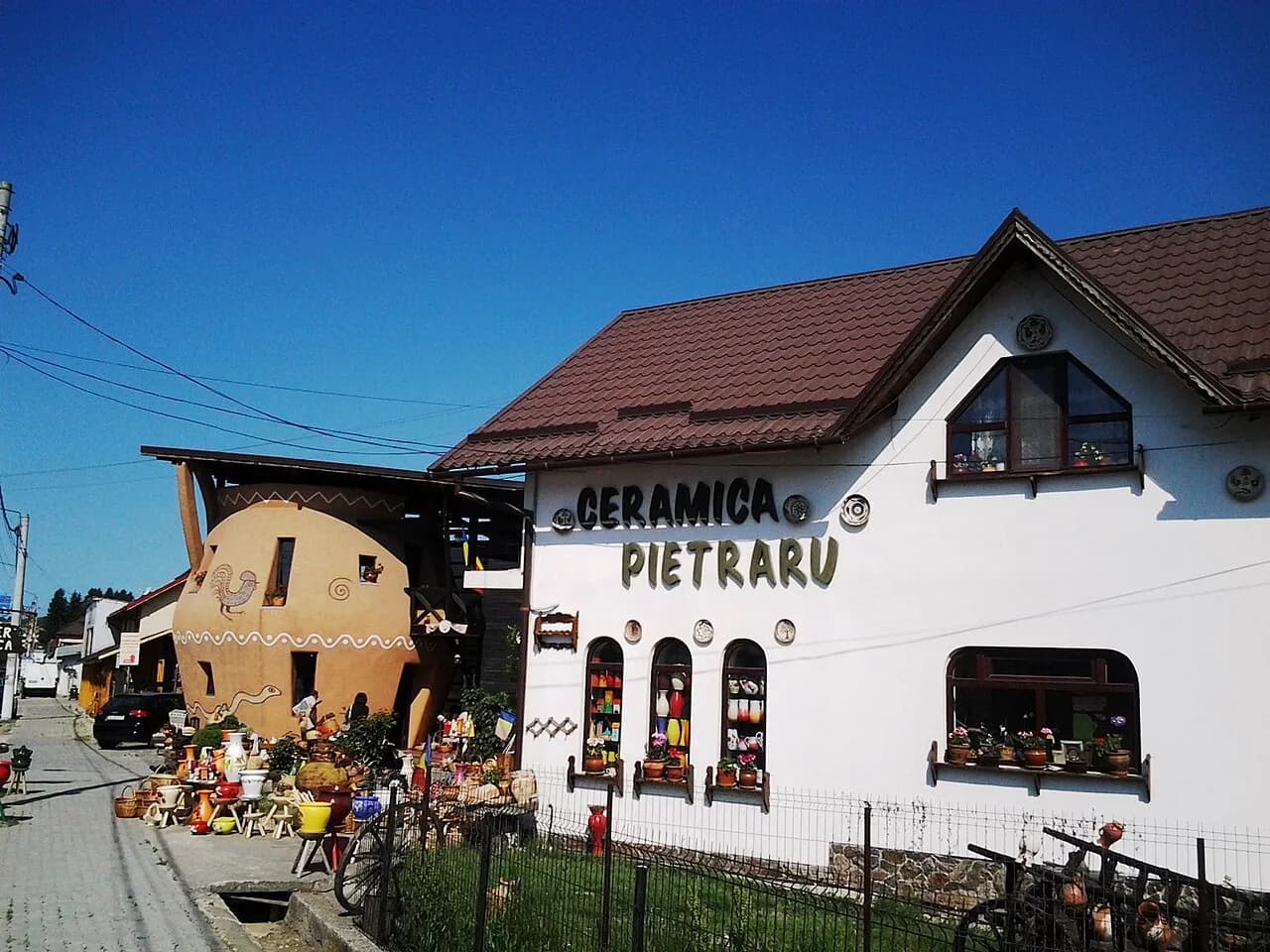
Can I watch the pottery being made? Ceramica Pietraru is a pottery workshop and shop in Horezu, Vâlcea County, so there is working space as well as stock to browse. How much you can see on a given day depends on what the workshop is doing, so ask when you arrive.
How do I get Horezu pottery home undamaged? Keep the potter's wrapping on, pack the piece in the centre of a rigid box, and surround it with clothing rather than loose paper. Hand luggage is safer than a checked bag where the size allows, because the piece stays with you.
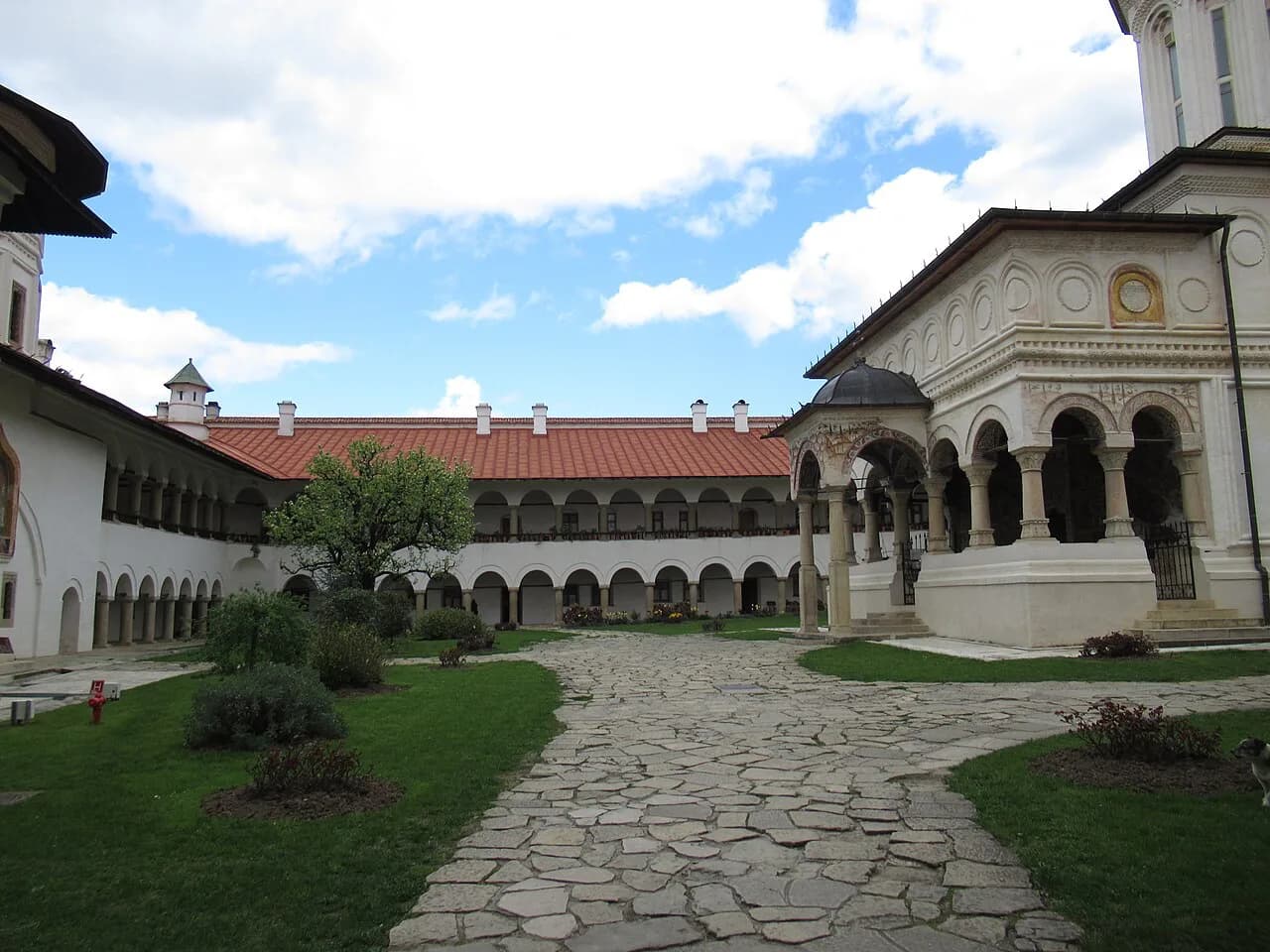
The monastery at Horezu is a separate stop from the potteries, and the two are usually combined on the same day out. The monastery is the anchor of the town for most travellers, while the ceramics are what you can actually carry away. Build the day around both if you have a car, and give the workshops more time than you think you need.
What makes the pieces distinctive: handmade forms and painted decoration
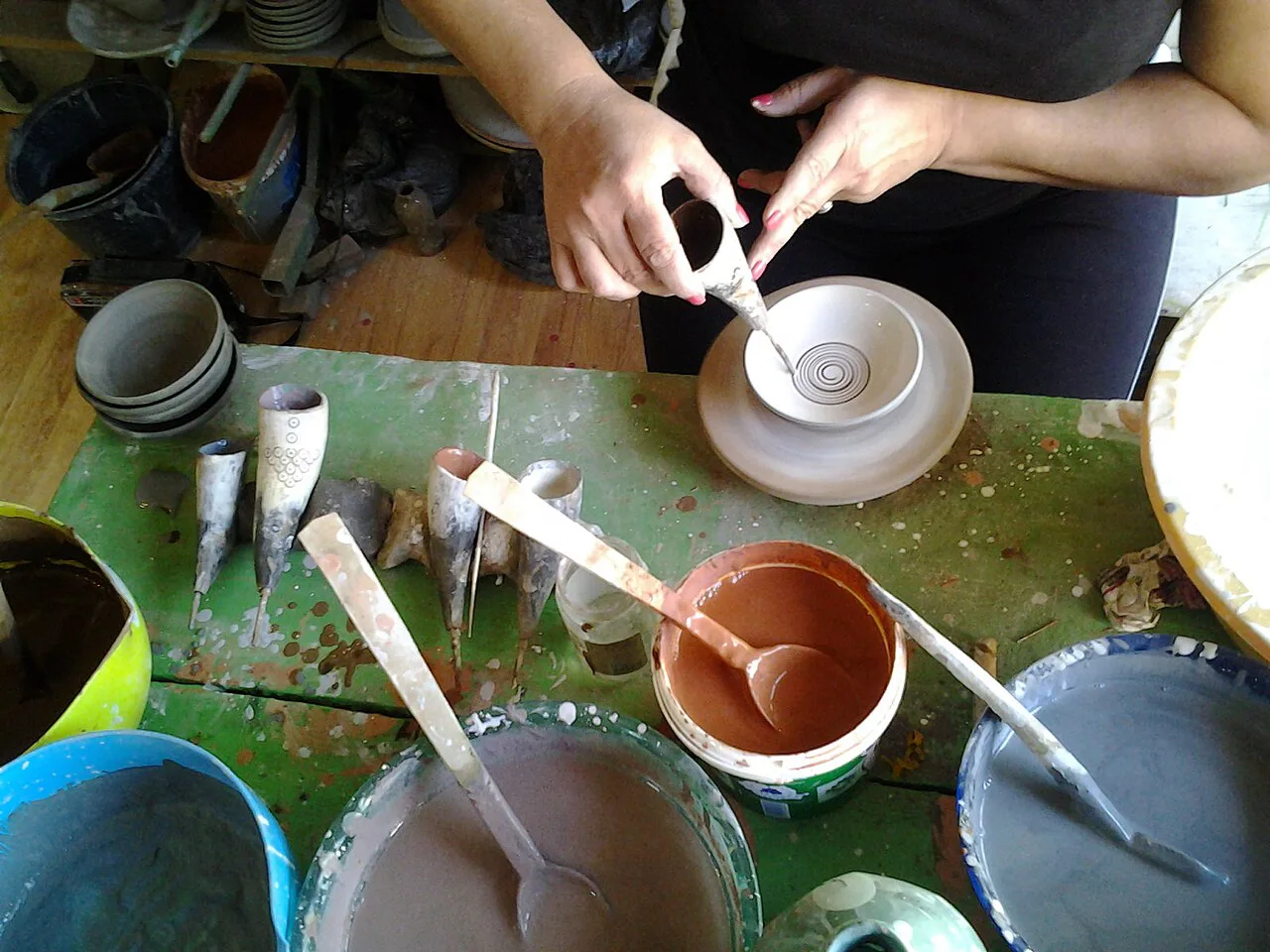
The character of the pottery comes from the combination of a hand-built or wheel-thrown form and painted surface decoration applied before firing. Because the painting is done by hand, repeated motifs vary in spacing and pressure from piece to piece; that irregularity is the difference between Horezu work and printed imitations. Look at the underside and the rim as well as the face of a plate or jug.
If painted church interiors are part of your trip, the craft sits naturally alongside them: the same instinct for pattern and colour runs through the Romanian Orthodox church decoration you will see in Vâlcea County and beyond. The pottery is the portable version, which is why it makes a better souvenir than anything mass-produced.
Where to see and buy it: potters' workshops in Horezu, including Ceramica Pietraru
Ceramica Pietraru is a pottery workshop and shop in Horezu, Vâlcea County, where you can see traditional Horezu ceramics being made and sold in the same place. That combination is what you want: a workshop floor, finished stock and someone who can answer questions about the process. Set aside time to watch before you buy, because the demonstration changes how you read the price of a large piece.
Horezu and its monastery also fit neatly into a wider tour of the region's monasteries in Romania, particularly if you are driving between Vâlcea County and neighbouring counties. Cozia monastery, further along the Olt valley, is the obvious second stop in the area, and the drive between them is straightforward by car.
Buying from a workshop: what to ask and what to expect from a working pottery
Ask three questions before you commit: was this made here, was it painted by hand, and how should it be used and cleaned. A working pottery will answer all three without hesitation. Decorative pieces and pieces intended for actual use may be finished differently, so say which you want rather than guessing from the look.
Inspect the piece in daylight and check the rim, handle joins and base for chips or hairline cracks that would spread in a suitcase. Ask the potter to wrap it, and keep the wrapping on until you are home; workshop paper and padding are usually better than anything you improvise later. If you are buying several pieces, choose one larger item over four small ones that will knock together.
Carry ceramics in your hand luggage if the airline allows the size, and pack them in the centre of the bag rather than against the shell. Spare clothing makes better padding than newspaper, and a rigid box inside a soft bag survives baggage handling better than a soft parcel alone.
Practical notes: getting to Horezu in Vâlcea County and carrying fragile pieces home
Horezu sits in Vâlcea County, north of the Olt valley, and the practical approach is by road; a car gives you the freedom to stop at workshops and at the monastery in the same day. Public transport in this part of Romania is thin, so plan your onward legs before you set out rather than relying on turning up. If you are building an itinerary, the wider monasteries route gives you a sensible spine to hang Horezu on.
Beyond the pottery, the region's carved and painted church art is worth a deliberate stop: the Brâncovenesc style turns up in monastery architecture across Wallachia and northern Oltenia, and it sharpens your eye for the decoration on the ceramics. Readers heading west afterwards often add Tismana monastery in Gorj county, or continue via Târgu Jiu.
If your route runs north into Alba County, the ramet monastery at Valea Râmețului is a rugged detour that suits travellers with their own transport and a taste for quiet places. It is not a substitute for Horezu, but it rounds out a ceramics-and-monasteries loop.
Readers continuing towards Maramureș sometimes ask about the Merry Cemetery at Săpânța, which is a long day's drive from Vâlcea County and belongs to a separate trip. Keep it out of a short Horezu itinerary.
Should you buy at the workshop or wait?
Buy at the workshop. The piece is made where you can see the process, the potter can wrap it properly, and you are paying for work you have actually inspected rather than a photograph. Choose one piece you can carry safely instead of several you will worry about.
Check current workshop arrangements and opening before you travel, then build the day around Horezu Monastery and the potteries together.
Explore more Romania guides
Frequently Asked Questions
Is Horezu pottery safe to use for food and drink?
Ask the workshop where you buy it. Decorative pieces and pieces made for use can be finished differently, and the potter is the right person to say how a specific item should be used and cleaned. If you plan to serve from it, say so before you choose, and follow the care instructions you are given.
Can I watch the pottery being made?
Ceramica Pietraru is a pottery workshop and shop in Horezu, Vâlcea County, so there is working space as well as stock to browse. How much you can see on a given day depends on what the workshop is doing, so ask when you arrive. Allow more time than you would for a simple shop visit.
How do I get Horezu pottery home undamaged?
Keep the potter's wrapping on, pack the piece in the centre of a rigid box, and surround it with clothing rather than loose paper. Hand luggage is safer than a checked bag where the size allows, because the piece stays with you. Choose one large item over several small ones that will knock together.
Sources
Useful notes for your next trip
Optional updates to our guides.
You might also like

Continue reading
More guides you'll find useful