Bucovina, Romania: Painted Monasteries, Suceava and How to Visit
Bucovina in north-east Romania holds the painted monasteries of Voroneț, Sucevița and Humor plus Suceava. Here is what to see and how long you need.
On this page
Bucovina is the northern part of the Moldova region in north-eastern Romania, set between the Eastern Carpathian Mountains and the Prut River, and it is entirely separate from the Republic of Moldova, which the region is often confused with. Plan two or three nights based in Suceava and you can cover the main painted monasteries at a civilised pace, with a day spare for a village or a second look at a favourite church. This guide covers what Bucovina is, which monasteries to choose between, how Suceava works as a base, and how much time the region realistically asks for.
What Bucovina is and where it sits
The name means the land of beech trees, and the wider Moldova region it belongs to stretches across about 27,062 square miles of north-eastern Romania with a population of roughly 4.5 million. Its main cities are Bacău, Botoșani, Galați, Iași, Piatra Neamț, Rădăuți and Suceava, with Suceava the one that matters for monastery trips. Keep the wording straight when booking: Moldova here means a Romanian region, not the independent country across the Prut.
The climate is temperate continental, with hot summers and cold, snowy winters, which shapes how the villages look and how much of the day you want to spend outdoors. The landscape is wooded hills and long valleys rather than big scenery, and the monasteries sit within it rather than on dramatic crags. Treat the region as a corner of Romania to be driven slowly and stopped in often, not a route to be ticked off.
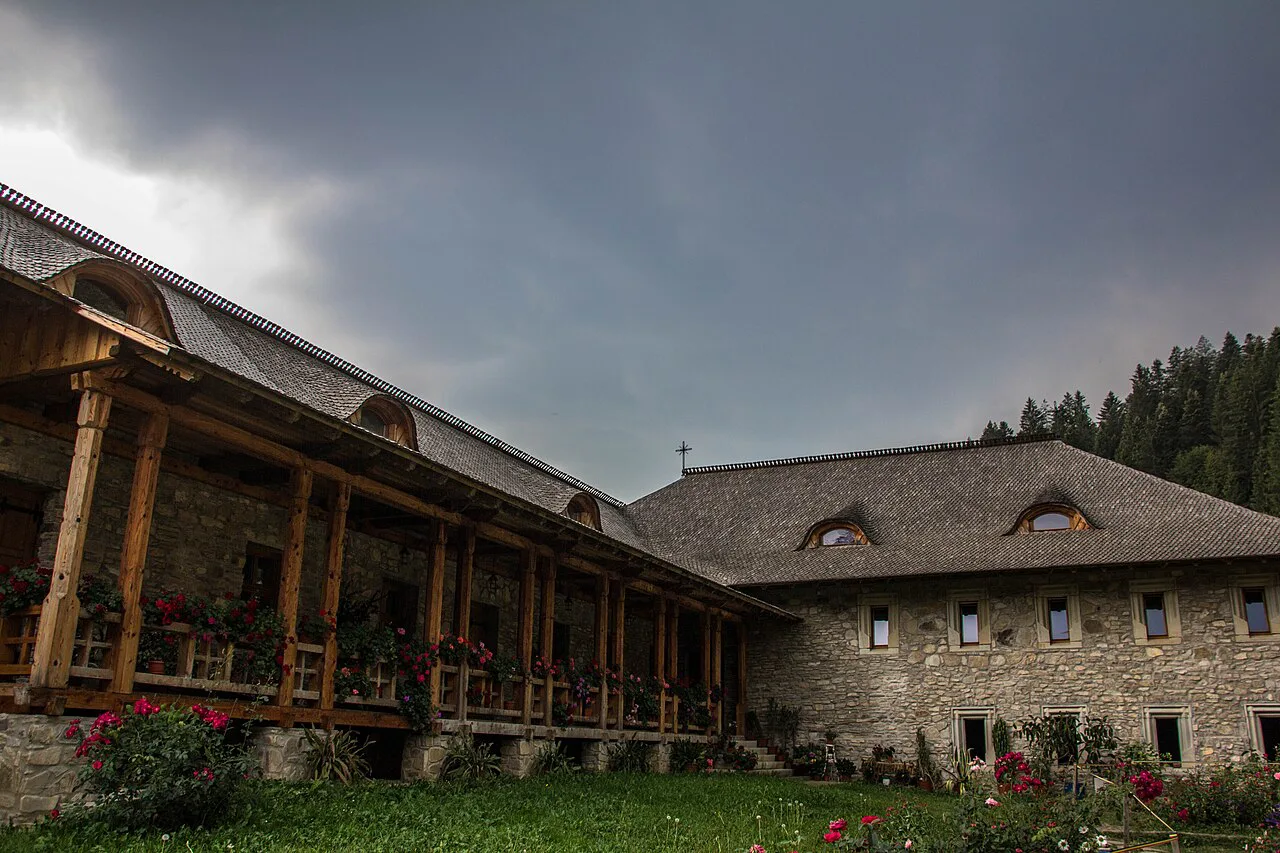
The painted monasteries and how they differ
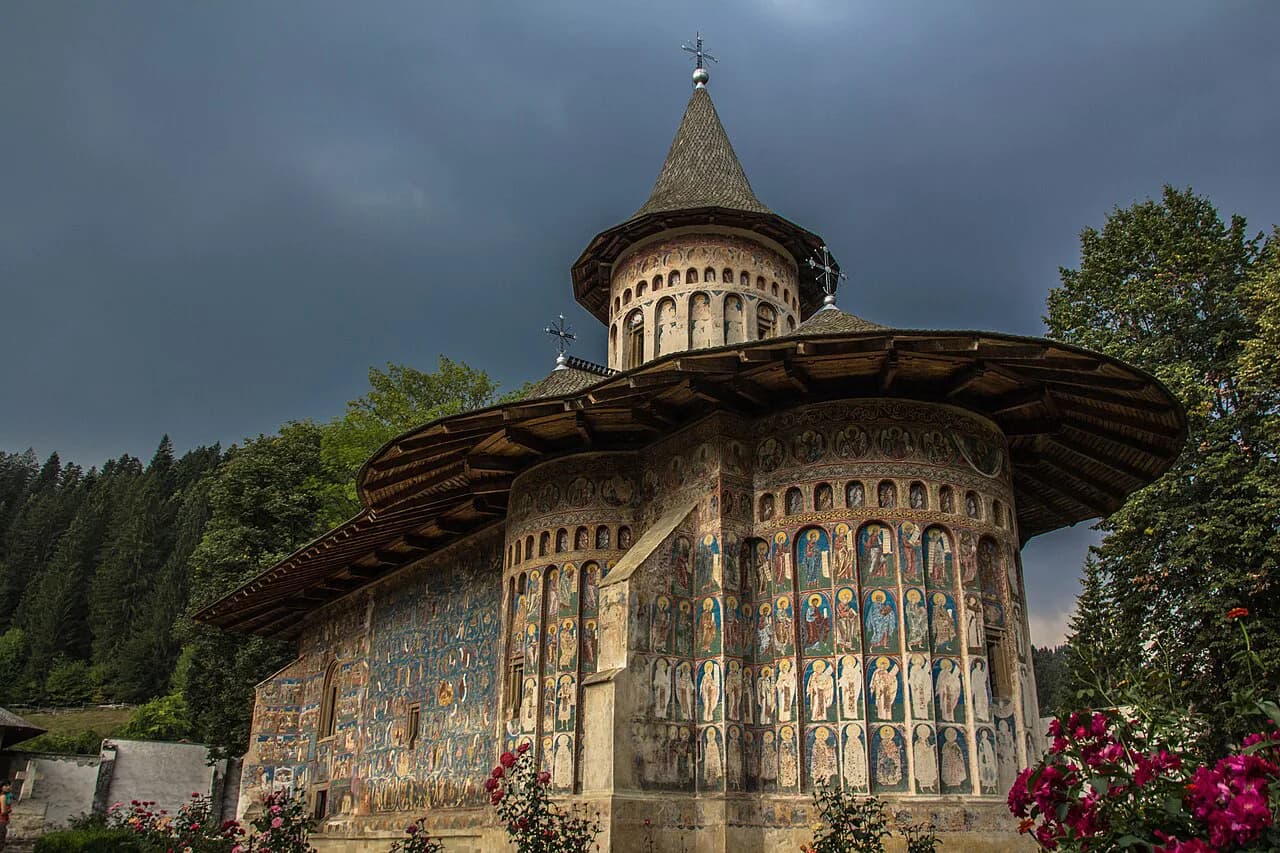
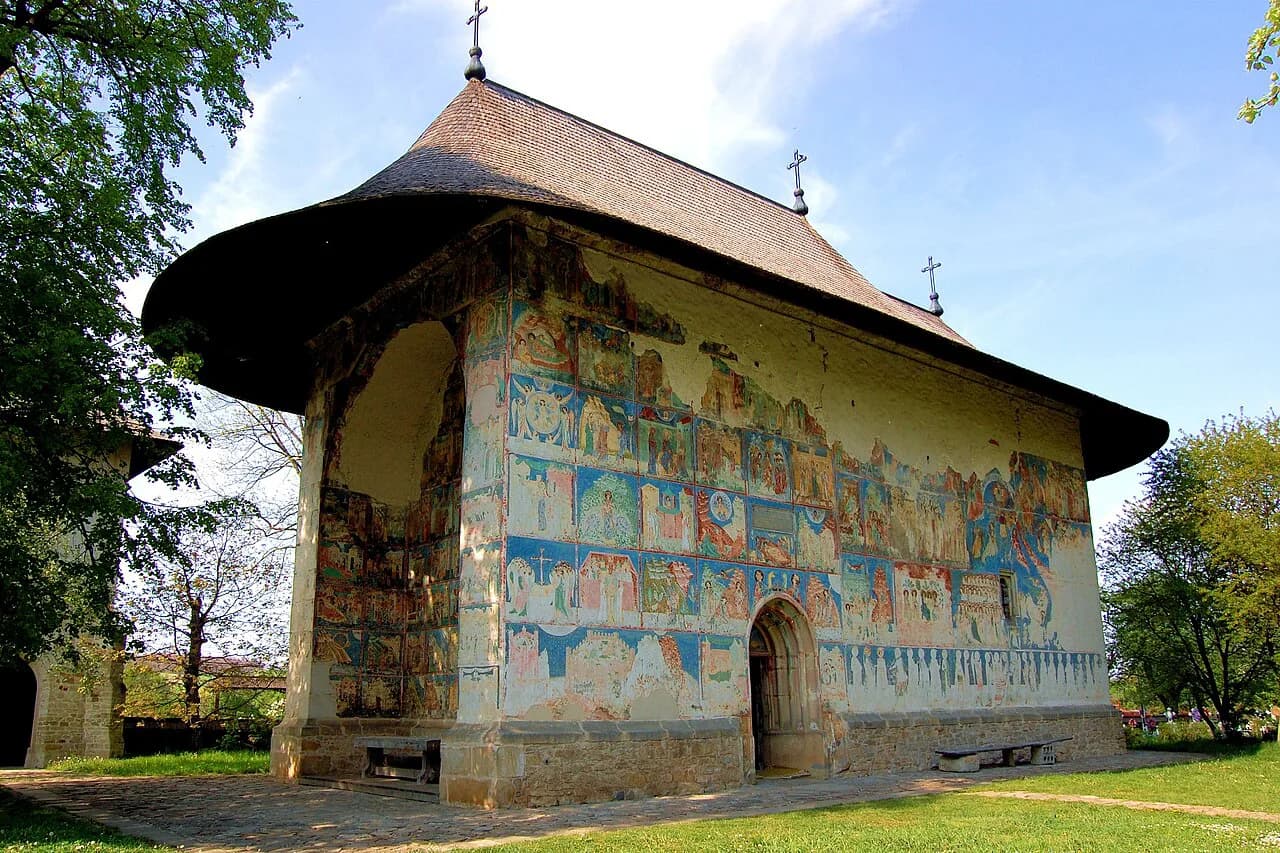
The painted monasteries are the reason most people come: churches with colourful exterior frescoes of dramatic religious scenes, founded in the 15th and 16th centuries and recognised as UNESCO World Heritage Sites. Voroneț, erected in 1488, carries a Last Judgment fresco on its façade, and the background blue that has never faded is known as Voroneț blue. The full spread of sites, with what makes each one worth the stop, is set out in the Painted Monasteries of Bucovina.
Voroneț is the one to see first if you have only an afternoon: the west façade holds the Last Judgment and the blue that gives the monastery its name. Look at the painted exterior as a whole rather than photographing from the gate; the detail rewards standing still for a few minutes. A dedicated guide to Voroneț Monastery covers the church itself in more detail.
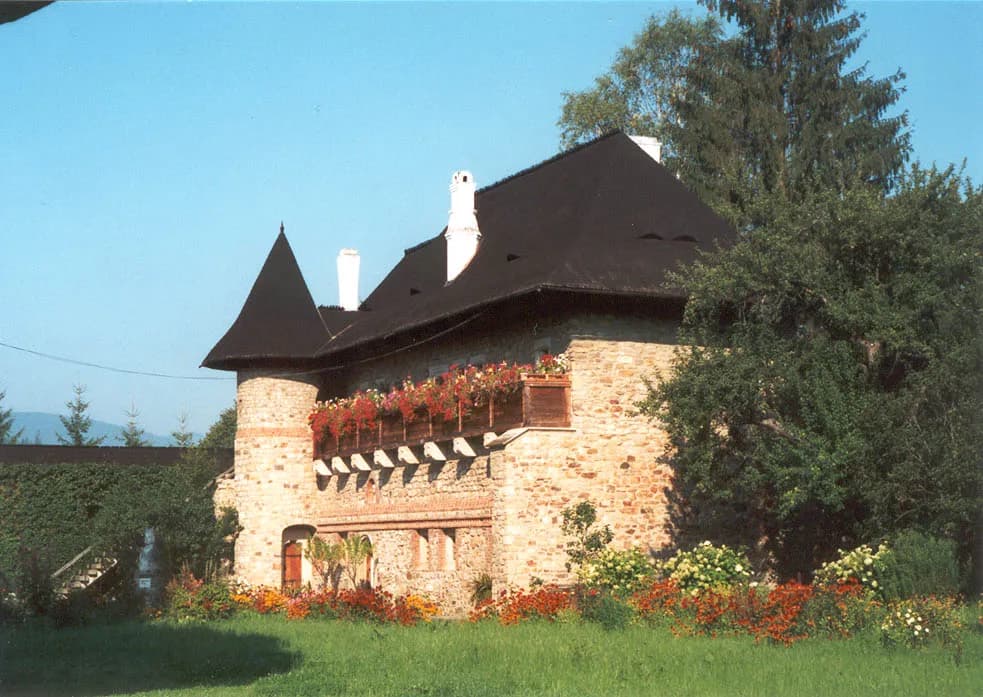
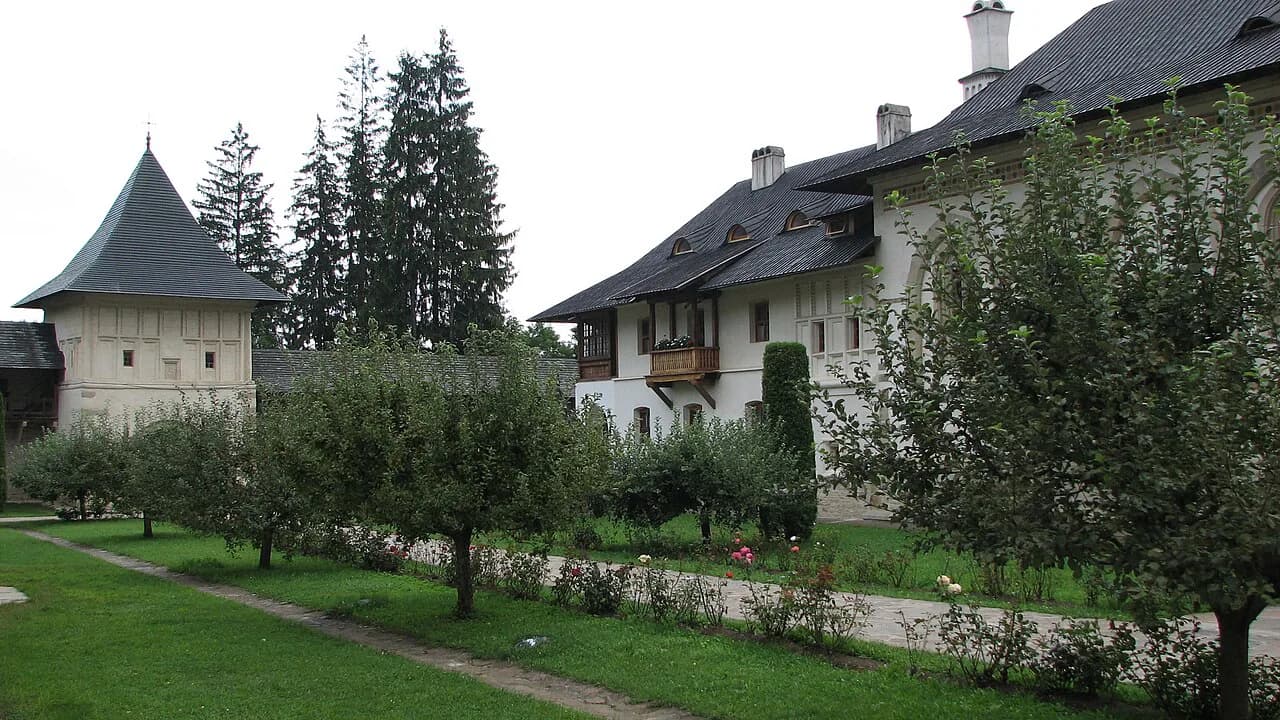
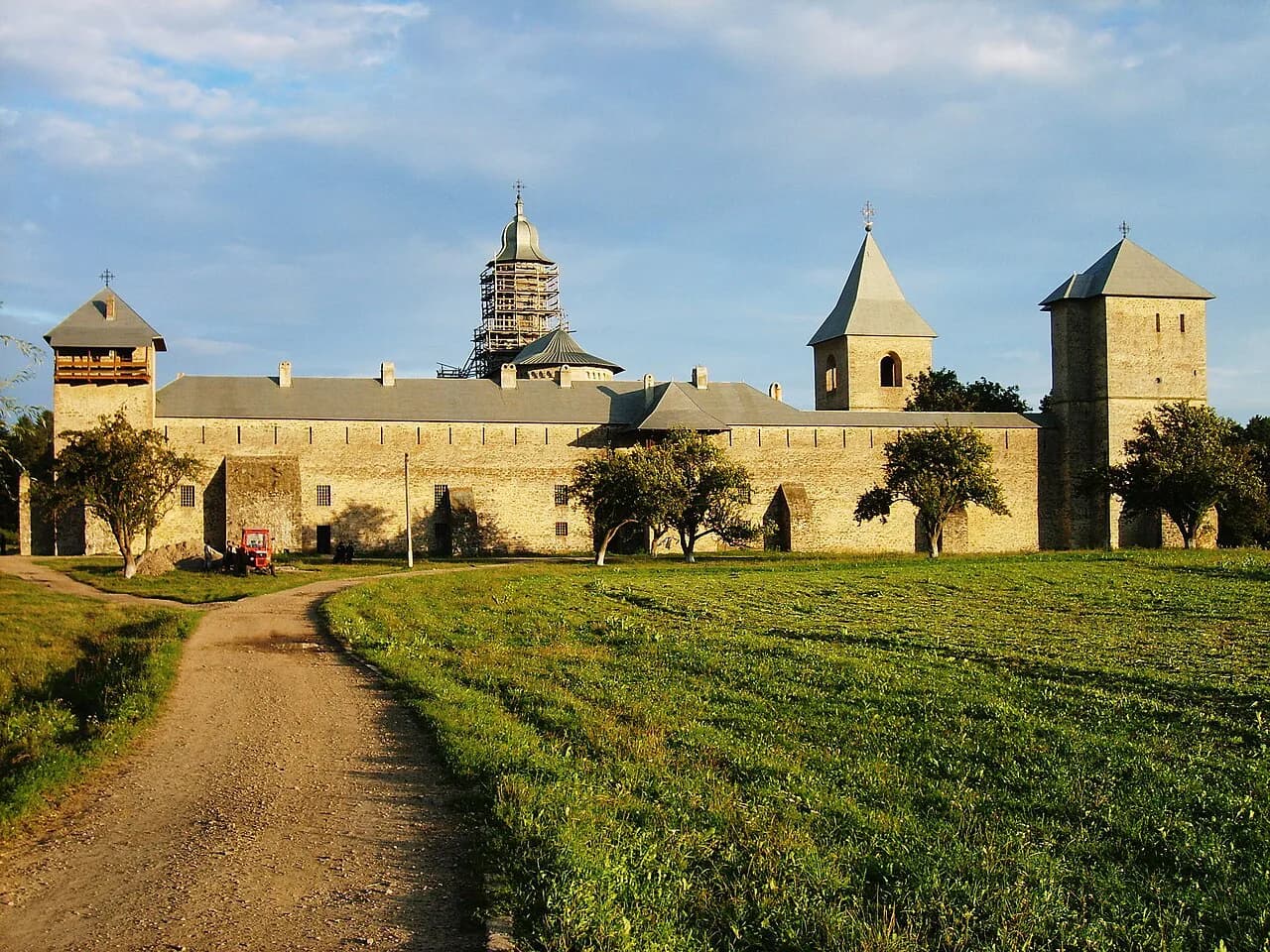
Sucevița is the counterpoint, with its distinctive greens, and it is the monastery most people photograph second. Its defensive walls and gate tower make it feel like a small fortress as much as a church, and it rewards a slower look at the painted cycle outside. Sucevita monastery is worth an hour rather than the twenty minutes a circuit stop usually allows.
Humor is where the frescoes are predominantly red, and it is the most manageable stop of the main group if you are short of time. Moldovița also belongs on the same run, and it sits on a wooded slope above the road, with the painted exterior best seen from the courtyard. Arbore, with its own small painted church, fills a short gap in the schedule between stops, and it is quieter than the three headline names.
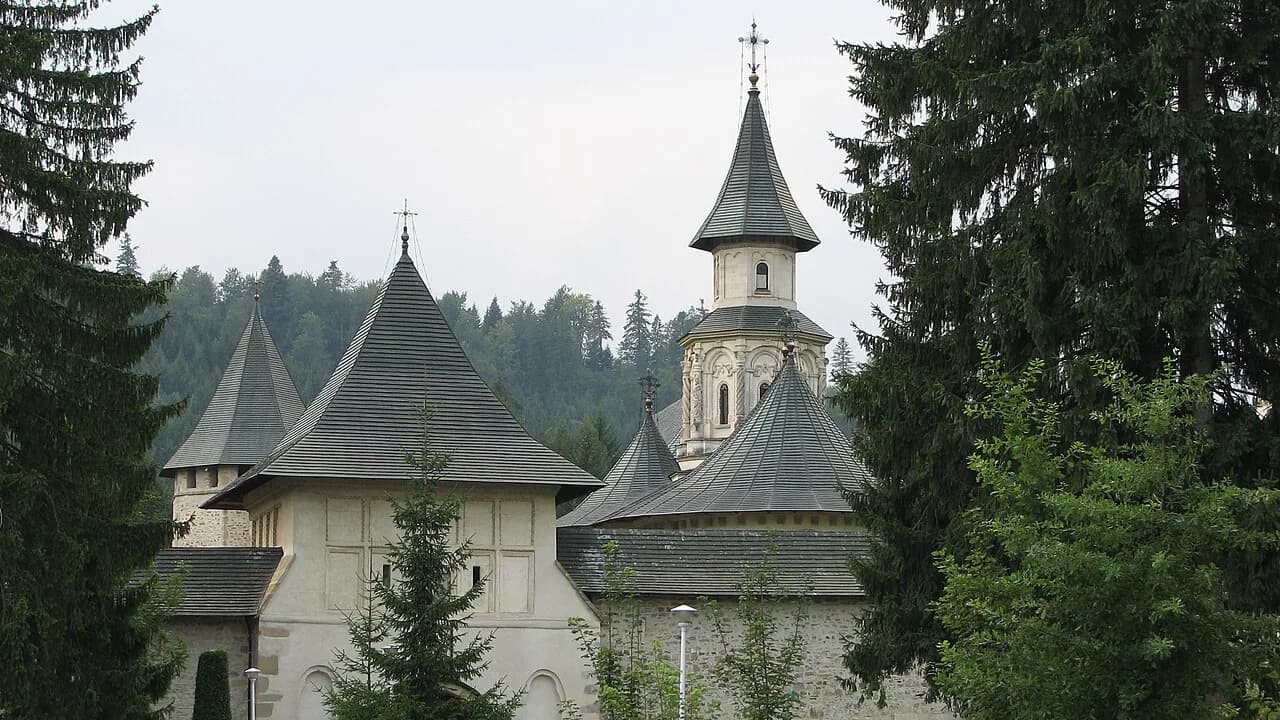
Two more places sit outside the fresco circuit but are worth planning round. Dragomirna monastery is close enough to Suceava to add to an arrival afternoon. Putna monastery, further west, is the one to prioritise if a working monastic setting interests you as much as painted façades, and it is a natural pairing with a night in the hills.
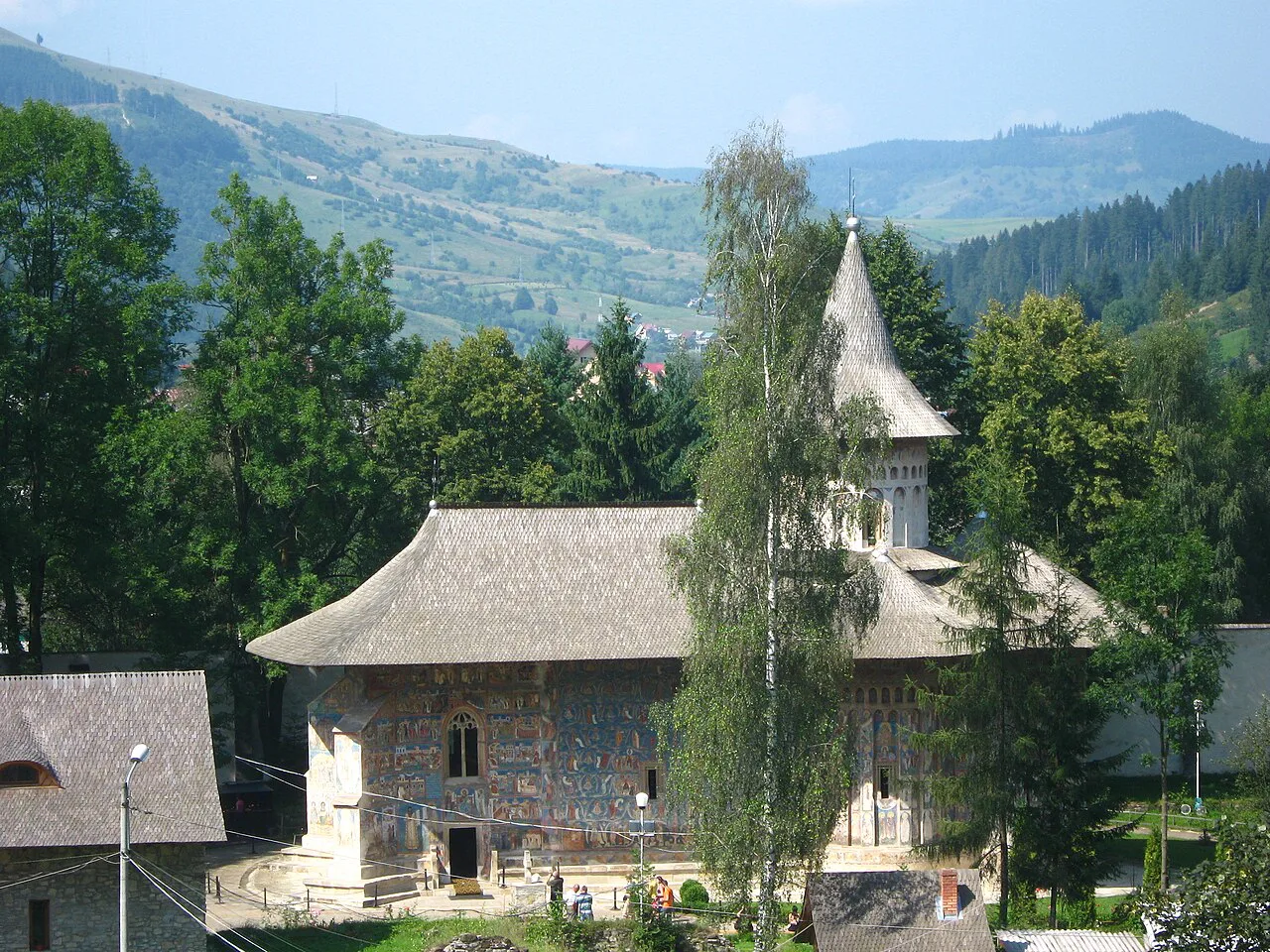
Suceava as the base
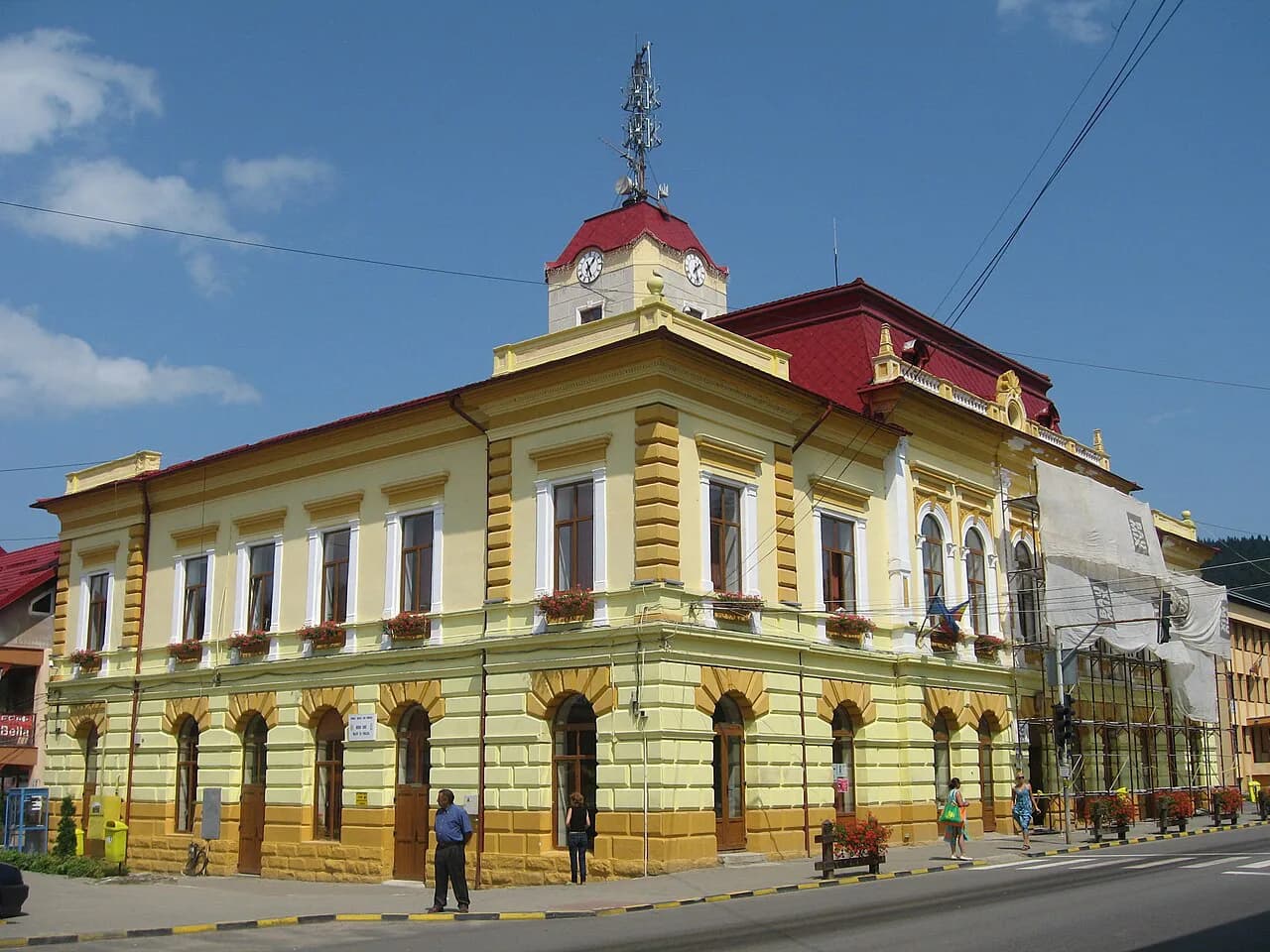
Suceava is the convenient starting point for the monasteries, and it held the capital of Moldova from 1375 until 1565, which is why so much sits within the town itself. The remains of the Fortress of Suceava, built in 1388, can be toured, and the walls give a wide view back over the town. Budget half a day for the citadel and its climb, and keep the rest for the centre.
The Bucovina History Museum holds medieval armour, coins, tools and documents, and its Hall of Throne recreates Voivode Stephen the Great's court with original furniture, weapons and costumes. That room gives more context for the monasteries than most guidebooks manage before you reach them, so see it early in your stay. St. George Church, a UNESCO World Heritage Site, and Zamca Monastery are the other sights to fit into the same walkable circuit.
Suceava also has museums dedicated to woodcraft, ethnography, history and folk art, which is useful on a wet day when the monasteries are a long drive in poor visibility. Check opening days and ticket prices with the museums before you build a day round them, because they change and are not fixed for the season.
Gura Humorului and the villages
Gura Humorului is the usual alternative base to Suceava, and it puts you within easy reach of both Voroneț and Humor without a long drive at either end of the day. Staying in the countryside around it rather than in the town gives you the village version of Bucovina: a slower morning, a longer lunch, and shorter hops between monasteries. A guide to Gura Humorului covers how the town works day to day.
The region is one of the smallest in Romania and is full of villages and groves of beech trees between the monasteries, which is why a stay here works better than a day trip from far away. The countryside around Gura Humorului is where you notice that the monasteries sit in a working landscape of small farms and timber houses rather than a museum belt.
Village life follows the Orthodox calendar of feast days and fasting periods, and the year is structured around those dates rather than around the visitor season. Seventy per cent of Romania's northern provinces are covered in forest, woodland that runs unbroken across the hills between the settlements. That matters practically: distances feel longer than the map suggests, and a quiet road can take longer than the direct line implies.
Câmpulung Moldovenesc and Vatra Dornei both work as overnight stops if you want to break the drive west from Suceava rather than return each evening. Marginea Black pottery, made in the village of that name, is the craft stop most worth adding to a monastery day if you want something to carry home.
How long you need
Give the main monasteries a full day from Suceava if you want Voroneț, Sucevița and Moldovița without rushing, and two days if Humor and Arbore are also on your list. The frescoes are on exterior walls, so reading them takes longer than stepping inside and out again, and each stop realistically needs 45 minutes rather than fifteen. A rushed coach circuit leaves you with photographs and little else.
Add a third night to take in Putna and a village or two, or to give Suceava's citadel and history museum a proper half day rather than an hour at either end of a monastery run. The region does not have a single blockbuster sight that justifies a marathon drive; its value is spread across many medium-sized stops. Plan fewer places with more time in each and the trip works far better.
Getting there and getting around
Suceava is the arrival point and the natural start of monastery trips, so most itineraries begin and end there. The region's monasteries are spread across the countryside rather than lined up along one road, so a car or a booked tour is the practical way to link more than two in a day. Train and bus services from Suceava to the smaller towns exist, but check timetables with the local bus and train companies before relying on a connection to reach a specific monastery.
If you drive, plan monastery pairs rather than a full day's list: Voroneț with Humor, Sucevița with Moldovița, and Putna on a separate loop west. The road between them passes through villages and timber traffic that slows progress, so a schedule that assumes motorway speeds will run late. Check local road and fuel conditions before heading out to the more remote sites.
Opening times, service times and ticket prices for the monasteries and the Suceava museums are not standardised, so check each site's own listing before travelling and carry cash in lei for the smaller stops. Do not build a day around a fixed closing time taken from an old guidebook.
What to expect on the ground
The frescoes are on the outside of the churches, so a wet day changes your visit entirely and a bright morning transforms it. Some interiors are in active monastic use, and visitors are asked to dress and behave accordingly, which is a practical instruction rather than a formality. Car parks at the main monasteries are small, so arriving before mid-morning is the single most useful timing decision you can make.
Ceahlău National Park lies beyond the monastery belt and is worth an extra day only if you are already staying in the region, with 90 species of birds recorded in the park. Treat it as a separate outing rather than something to bolt onto a Voroneț morning.
Suceava base or village stay?
Base in Suceava if you want the citadel, the history museum and easy logistics; base in Gura Humorului or a village around it if the monasteries are the whole point. The first suits a short trip with a car, the second suits a slower one where mornings start late.
Whichever you choose, plan two monasteries a day rather than four, leave Suceava's own sights a proper half day, and confirm opening times and ticket prices with each site and museum before you set out.
Explore more Bucovina guides
Frequently Asked Questions
Is Bucovina part of Romania?
Yes. Bucovina is the northern part of the Moldova region in north-eastern Romania, between the Eastern Carpathian Mountains and the Prut River, and its main visitor base is Suceava.
Is Bucovina in Moldova?
It is in the Romanian region of Moldova, not the Republic of Moldova. The Republic of Moldova is an independent country that was once part of Romania, and the shared name is the source of most of the confusion.
What is Bucovina best known for?
The painted monasteries, churches founded in the 15th and 16th centuries with colourful exterior frescoes and UNESCO World Heritage status. Voroneț, Sucevița, Humor and Moldovița are the names that come up most, with Putna and Dragomirna further out.
How do you reach the Bucovina monasteries?
Suceava is the arrival point, and a car or a booked tour is the practical way to link more than two monasteries in a day. Check current bus and train times if you plan to rely on public transport between the villages.
Sources
Useful notes for your next trip
Optional updates to our guides.
You might also like
Continue reading
More guides you'll find useful