Suceava: A Practical Guide to the Town and Its Sights
What to see in Suceava, how the centre is laid out, how long it needs and how it works as a base for the Bucovina painted monasteries.
On this page
Give Suceava a half-day for its centre and a separate block for the Seat Fortress hill; if you also want the museums, plan most of a day. The town was once the capital of Moldavia and sits on the river of the same name in Suceava County, north-eastern Romania, in the beech-forest country the sources call Bukovina.
The town has two roles for a visitor. It is a stop in its own right, with a fortified hill above the streets and a cluster of churches and museums around Piața 22 Decembrie, and it is the practical starting point for the painted monasteries of Bucovina that draw most travellers to this part of Romania.
What Suceava is and where it sits
Suceava lies on the river of the same name in Suceava County, north-eastern Romania, and was once the capital of Moldavia. The surrounding region is Bukovina, whose name translates as country covered by beech forests, and the landscape rolls between hills and river.
Suceava is in Romania, not in the separate state to the east. That neighbouring country is the Republic of Moldova, and the shared name trips up plenty of itineraries, so check which side of the border your booking sits on before you plan the rest of the route.
The city sits at the centre of a network of monasteries rather than beside one blockbuster sight, so treat the town and the surrounding monasteries as one trip. Suceava is the county town of Suceava County, in the north-east of the country.
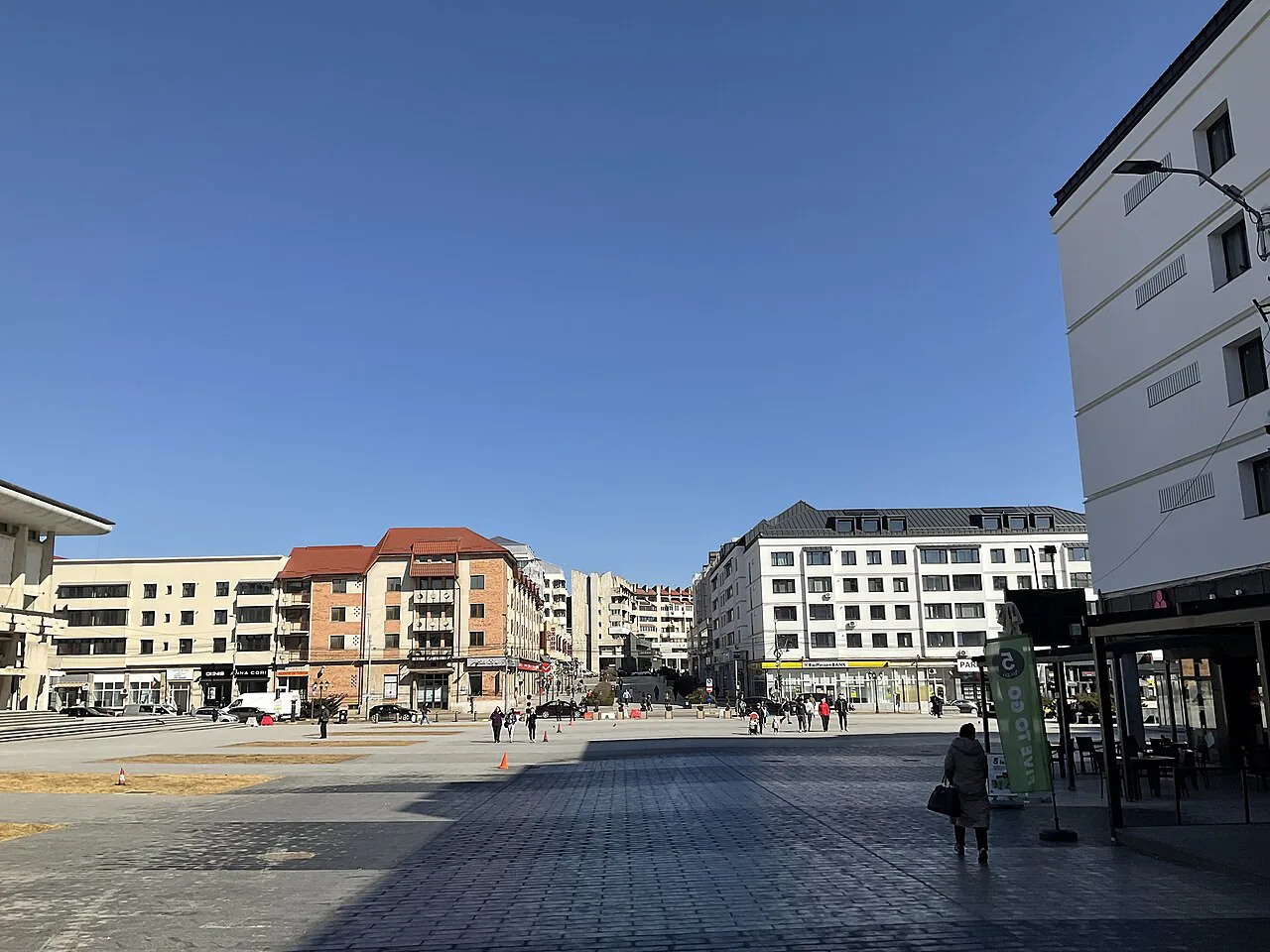
Why Suceava earns a stop
Three things justify the stop on their own: the fortress above the town, the Church of St George with its painted exterior, and the Museum Complex of Bukovina in the centre. The fortress and the churches carry the town's history, and the museums fill in the rural culture of the region around it.
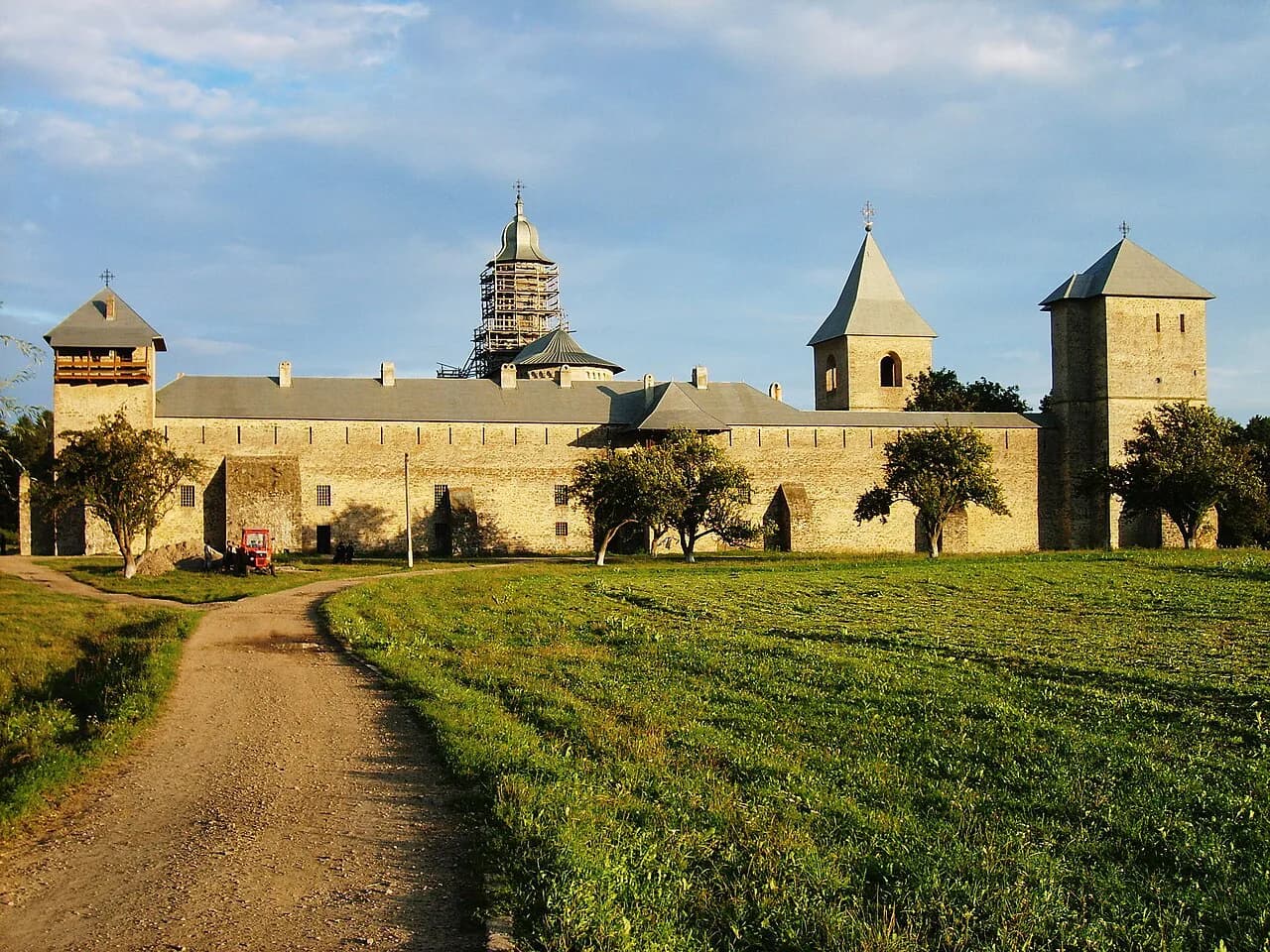
The fifteenth-century fortifications built by Stephen the Great were never taken by the Ottomans, and they still tower over the hills above the town. The same ruler is tied to the church architecture of the region, which is why the town's own sights and the monasteries outside it read as one story.
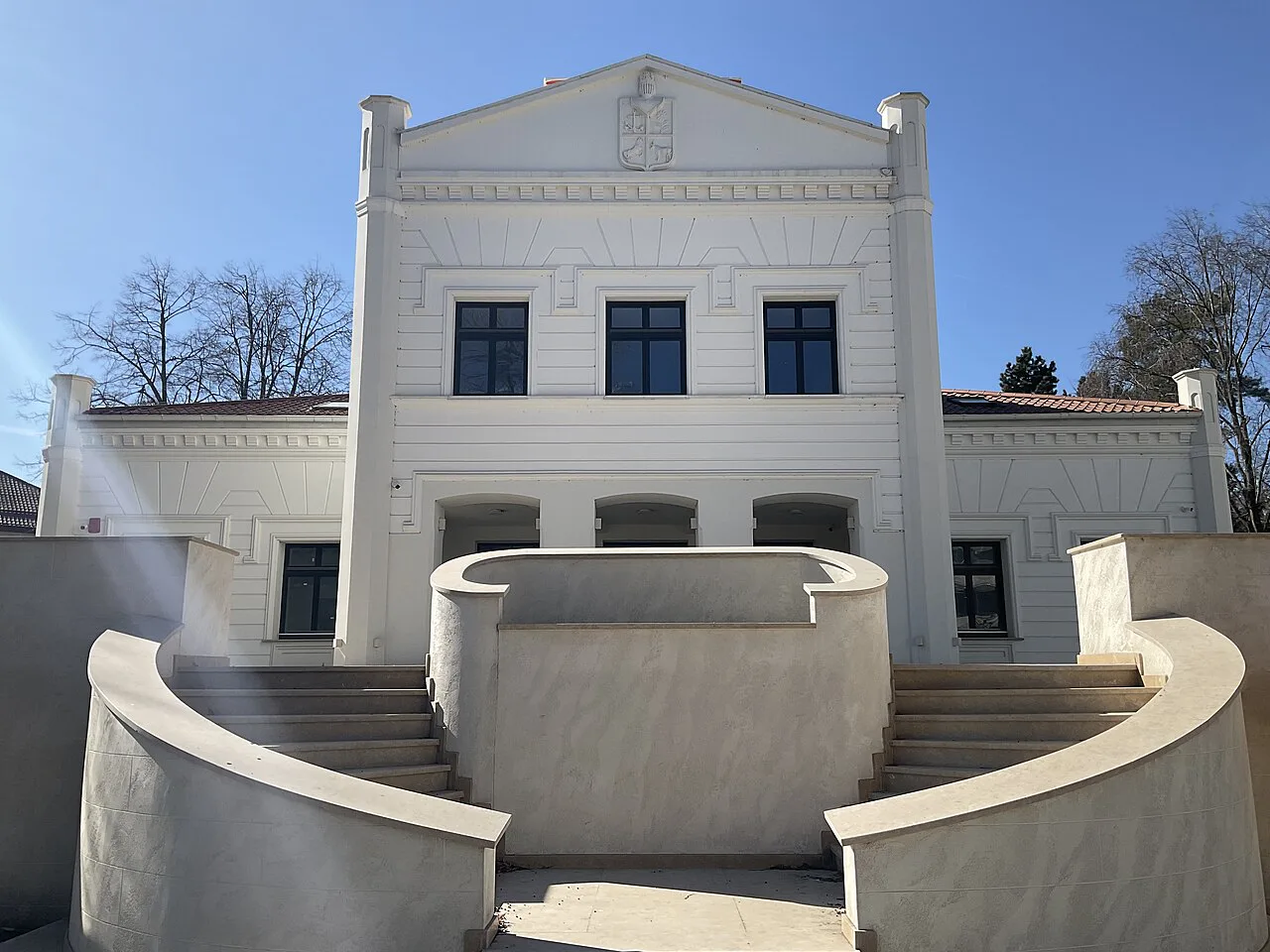
The town centre on foot
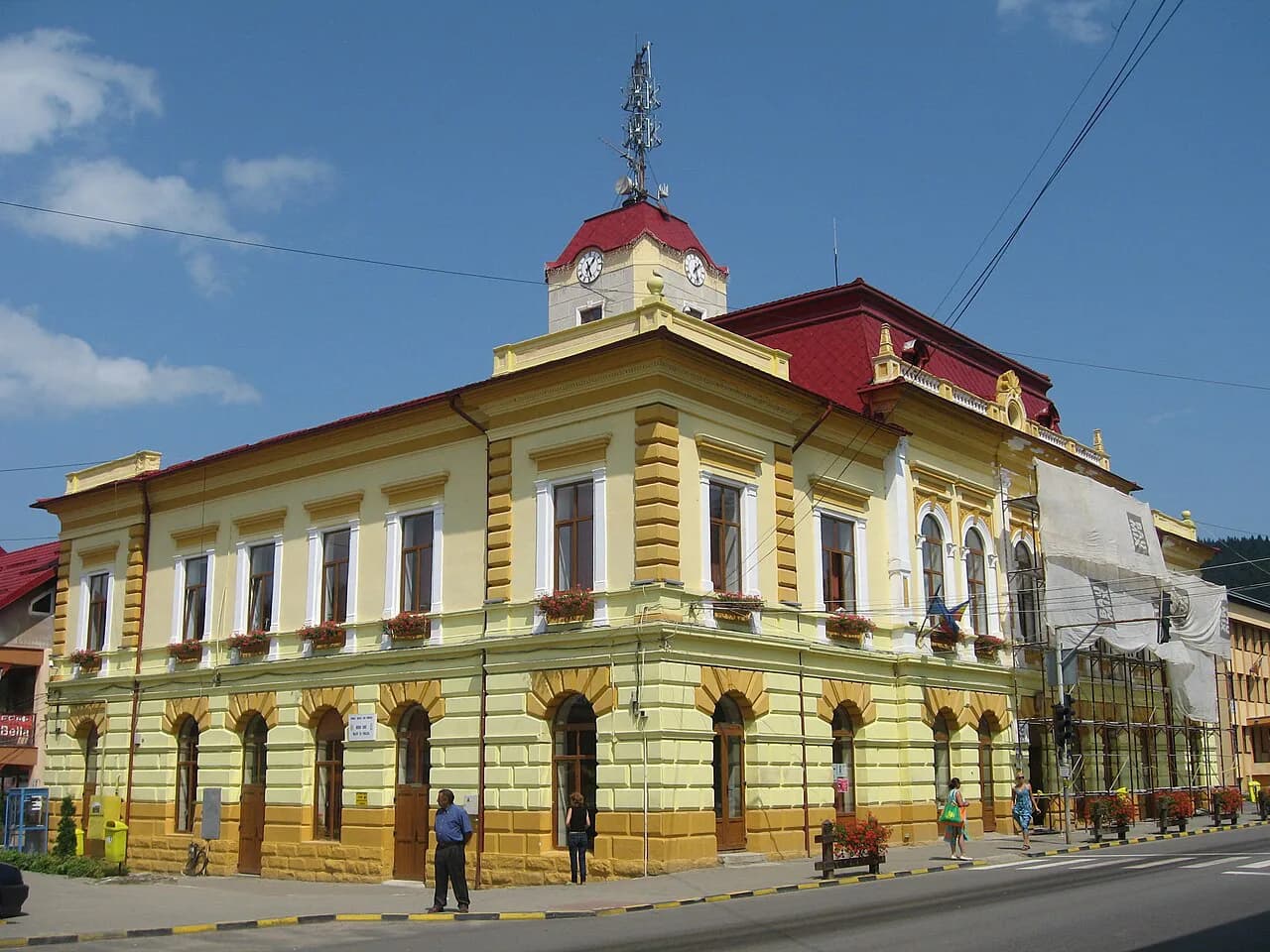
The centre walk is short and compact: Piața 22 Decembrie is the heart of the city, and the Ethnographic Museum of Bukovina sits near it with collections of folk costumes, household tools and local crafts. The Princely Inn, where nobility once relaxed after hunting in the forests, is another central landmark to look out for as you walk.
The Museum Complex of Bukovina gathers the town's main collections, including the History Museum of Bukovina with its weapons, coins and old documents, and the Bucovina Village Museum, which shows rural architecture in the open air. Pick two of the three rather than trying to see everything in one afternoon.
Two churches anchor the walk: the fourteenth-century Church of Mirauti, where the princes of Moldova were crowned, and the Church of St George. Both are close enough to the centre to fold into the same morning or afternoon, so leave the museums for whichever half of the day you have left.
Stephen the Great's fortress and the view over the town
The fortress sits above the town rather than in it, so budget a separate block of time and expect a climb or a short transfer rather than a stroll from Piața 22 Decembrie. The fifteenth-century walls still stand and give a wide view over Suceava and the surrounding hills, which is the reason to go up even if you skip the interior.
Check the fortress opening days and ticket price in lei before you go, since the town's tourism information does not publish hours or fees for the site. If the weather closes in, the view is the point of the trip up, so keep the fortress flexible and put the museums first instead.
St George's Church and the painted exterior
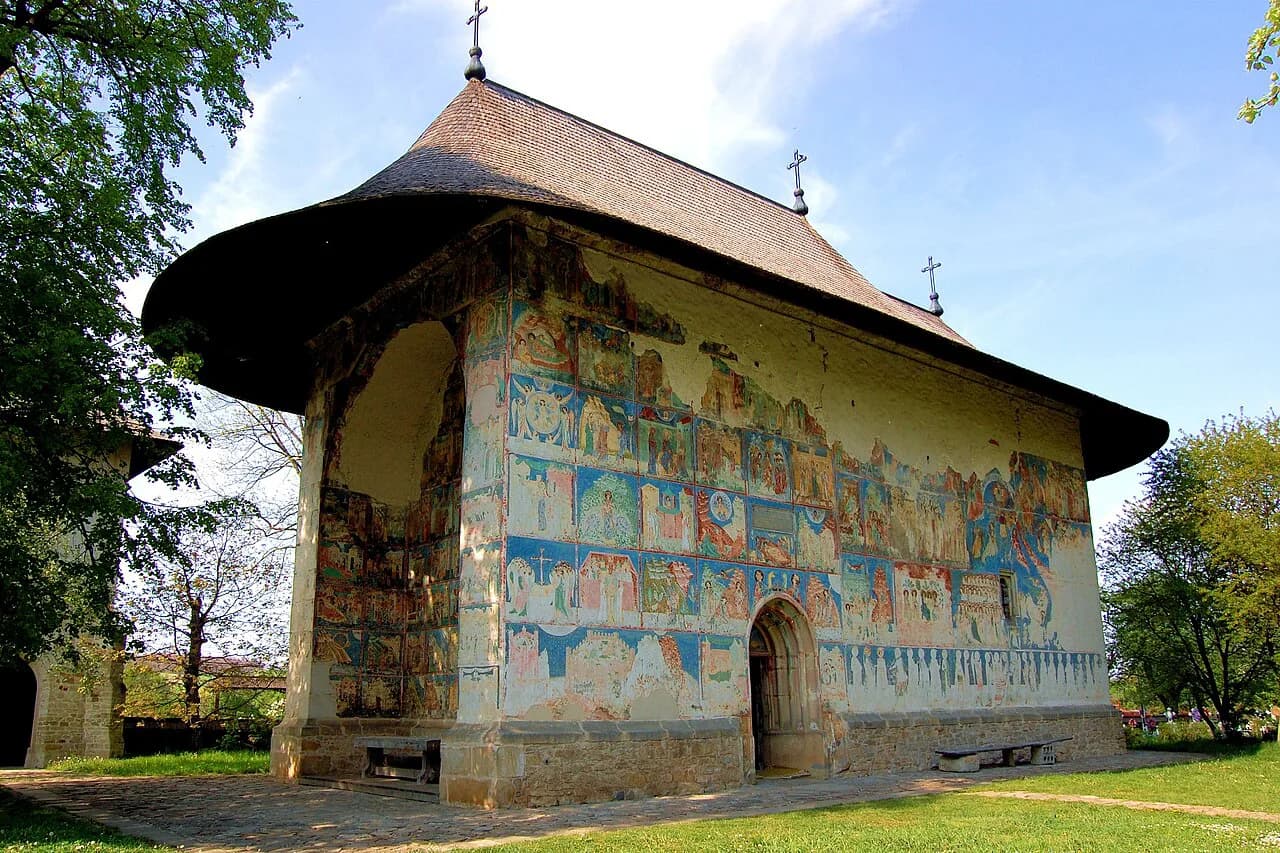
The Church of St George is painted inside and out with scenes from the Old and New Testaments, and it is listed as a UNESCO World Heritage Site together with the painted monasteries of Bukovina. Seeing it in town gives you the iconography before you head out to the monasteries, which makes the later visits easier to read.
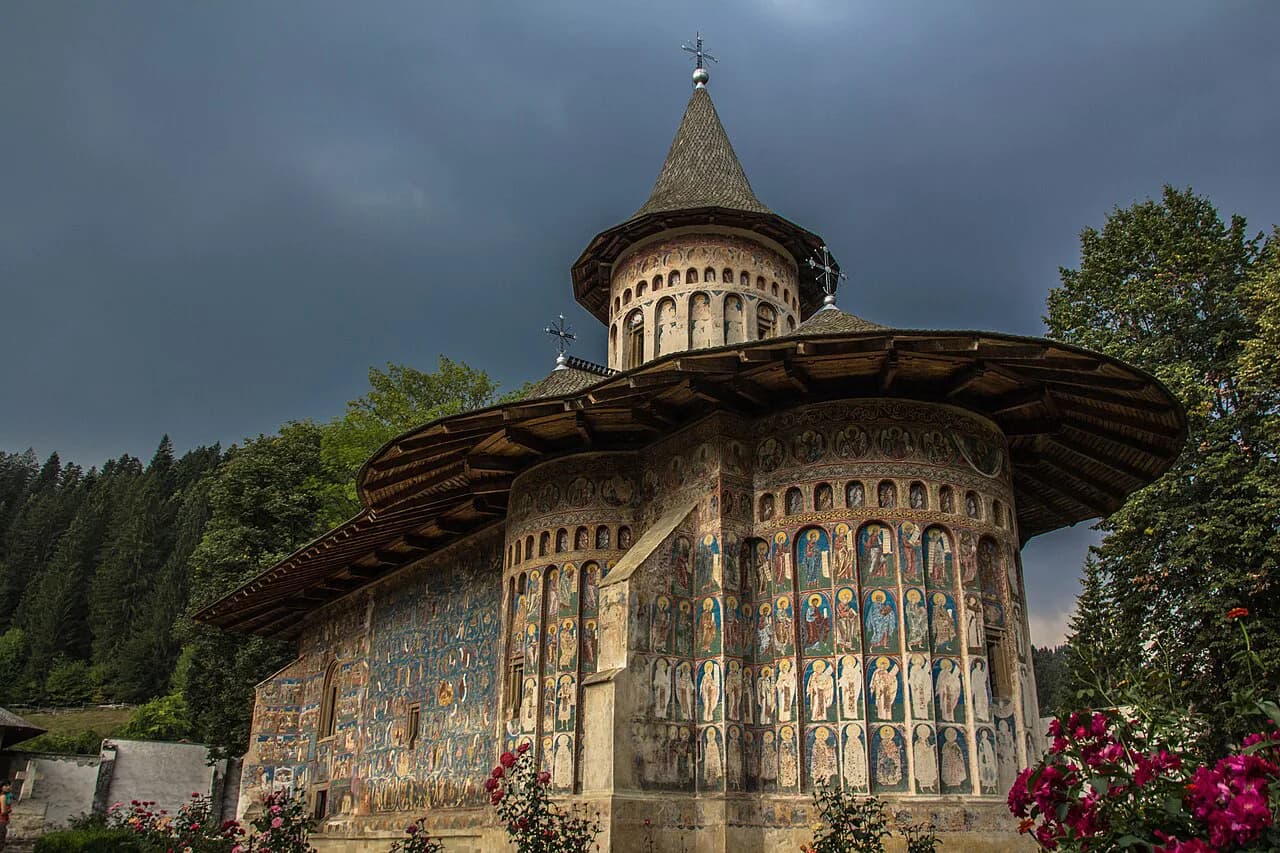
The exterior frescoes of the region date from the fifteenth and sixteenth centuries and mix biblical scenes with portraits of Moldavian princes and rulers, while the Ottoman Turks are shown among the damned. Knowing that convention helps you spot the historical figures painted alongside the saints and prophets.
Suceava as a base for the painted monasteries
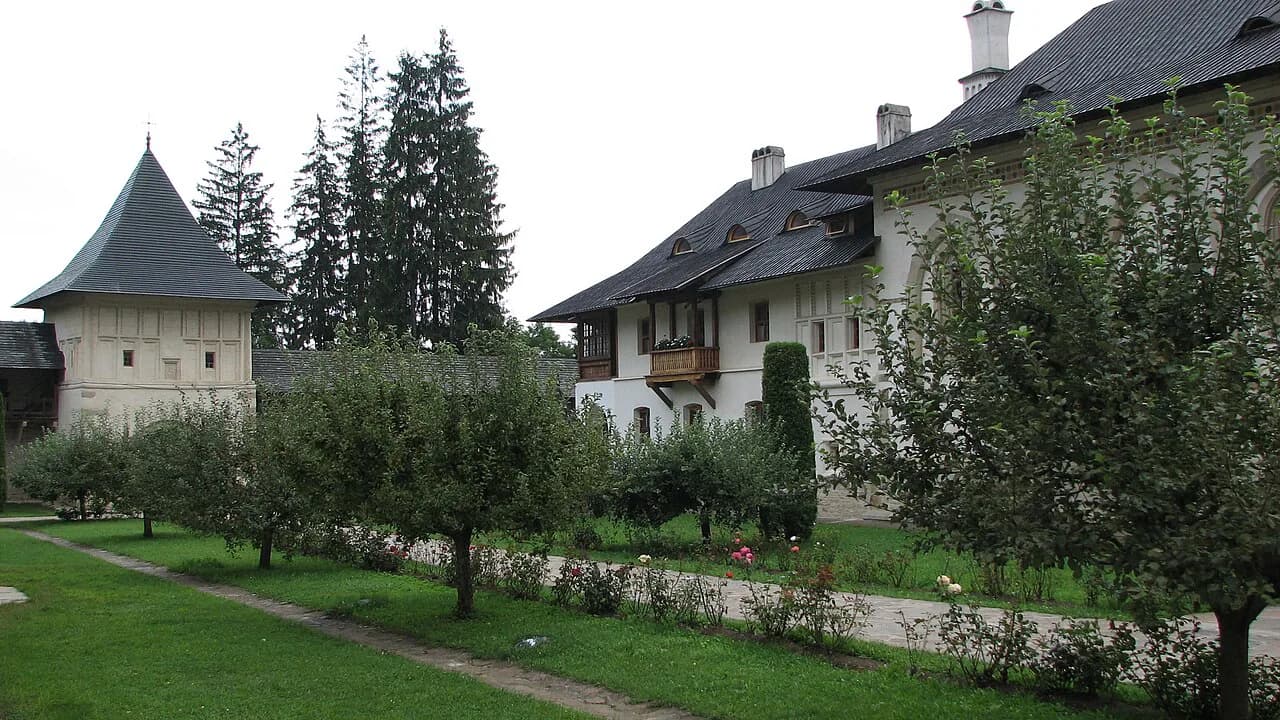
Suceava is the starting point for the painted monasteries of Bukovina, the group of churches with bright exterior frescoes in ochre, yellow and turquoise. The town works as a base because it has the airport and the roads out to the monasteries, so you can sleep in one place and visit the churches on day trips.
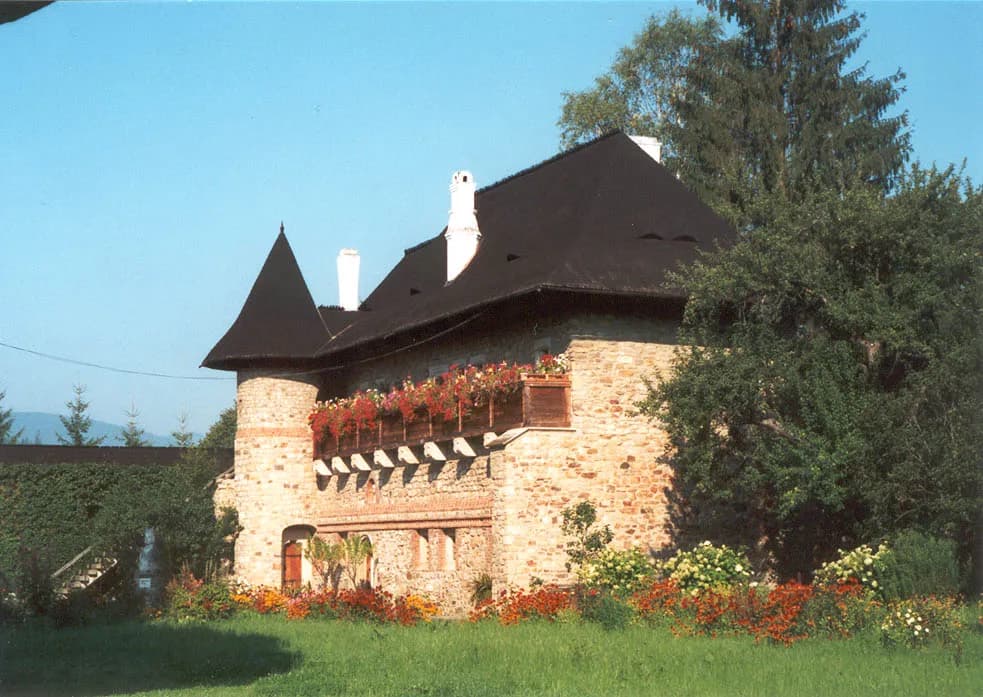
Three monasteries are worth naming. Voroneț Monastery was built in 1487 by Stephen the Great to mark a victory over the Turks and is known for frescoes inspired by the Old and New Testaments; Sucevița Monastery has exterior frescoes from the same period; and Moldovița Monastery, in the middle of a forest, keeps the best-preserved exterior frescoes of the group.
Treat the monasteries as separate days or a long single loop rather than a morning add-on to the town. The roads run through forested country, and stringing Voroneț, Sucevița and Moldovița together in one day leaves little time at any of them.
How long Suceava needs
Half a day covers the centre on foot: Piața 22 Decembrie, the Church of Mirauti, the Church of St George and one museum. Add a second block of two to three hours for the fortress hill if the view and the walls interest you, because it sits apart from the centre walk.
If you want the Ethnographic, History and Village museums as well as the fortress, give Suceava a full day and start early. Travellers who use the town mainly as a monastery base often cut the town to an afternoon and put the saved time into a second monastery day.
Getting there and getting around
Suceava has its own airport, named after Stephen the Great, about nine miles from the city, which makes it the easiest arrival point for this corner of Romania. From the airport you reach the centre by road, and the town itself is small enough to cover on foot once you are there.
For the monasteries and the fortress, a car or an organised tour gives you far more control than public transport, especially when you want to combine two or three churches in one day. Book any tour through a local operator and confirm the pickup point in the centre before you commit.
Who Suceava suits
Suceava suits travellers who want the painted monasteries without moving hotels every night, and who are happy to spend an afternoon on a town that is quieter than Brașov or Sibiu. It also suits anyone flying in, since the airport is close to the city.
Base elsewhere if you are mainly after Saxon towns and castles in Transylvania, because Suceava sits in the north-east and the drive across the country eats a day. Base elsewhere, too, if you want a dense restaurant and bar scene, since Suceava's appeal is the churches, the fortress and the museums.
Should Suceava be your monastery base?
Yes, if the painted monasteries are the reason for the trip. Suceava gives you the airport, the town's own churches and museums, and the roads out to Voroneț, Sucevița and Moldovița, so you can settle in one place and still see the monasteries properly.
Build the trip in this order: a half-day in the centre, a separate block for the fortress hill, then one or two full days for the monasteries. Confirm opening days and ticket prices in lei at the sites themselves, since they change and the town's tourism information does not publish them for the fortress.
Explore more Bucovina guides
Frequently Asked Questions
Is Suceava part of Moldova?
Suceava is in Romania, in Suceava County in the north-east of the country, and was historically the capital of Moldavia, the Romanian region. The separate state to the east is the Republic of Moldova, so check which side of the border your booking is on before you plan the route.
How long do you need in Suceava?
Half a day covers the centre on foot, including Piața 22 Decembrie, the two central churches and one museum. Add two to three hours for the Seat Fortress hill, which sits above the town, and plan a full day if you want all three museums as well as the fortress.
Do you need a car to visit the painted monasteries from Suceava?
A car or an organised tour gives you the most control, especially if you want to combine two or three monasteries in one day. Confirm the pickup point in the centre when booking and check monastery opening days locally before you set out.
Sources
Useful notes for your next trip
Optional updates to our guides.
You might also like
Continue reading
More guides you'll find useful