Suceava Citadel: Visiting the Seat Fortress of Suceava
Plan a visit to Suceava Citadel, the Seat Fortress above the town: what stands inside the walls, seasonal hours, ticket prices in lei and how long to allow.
On this page
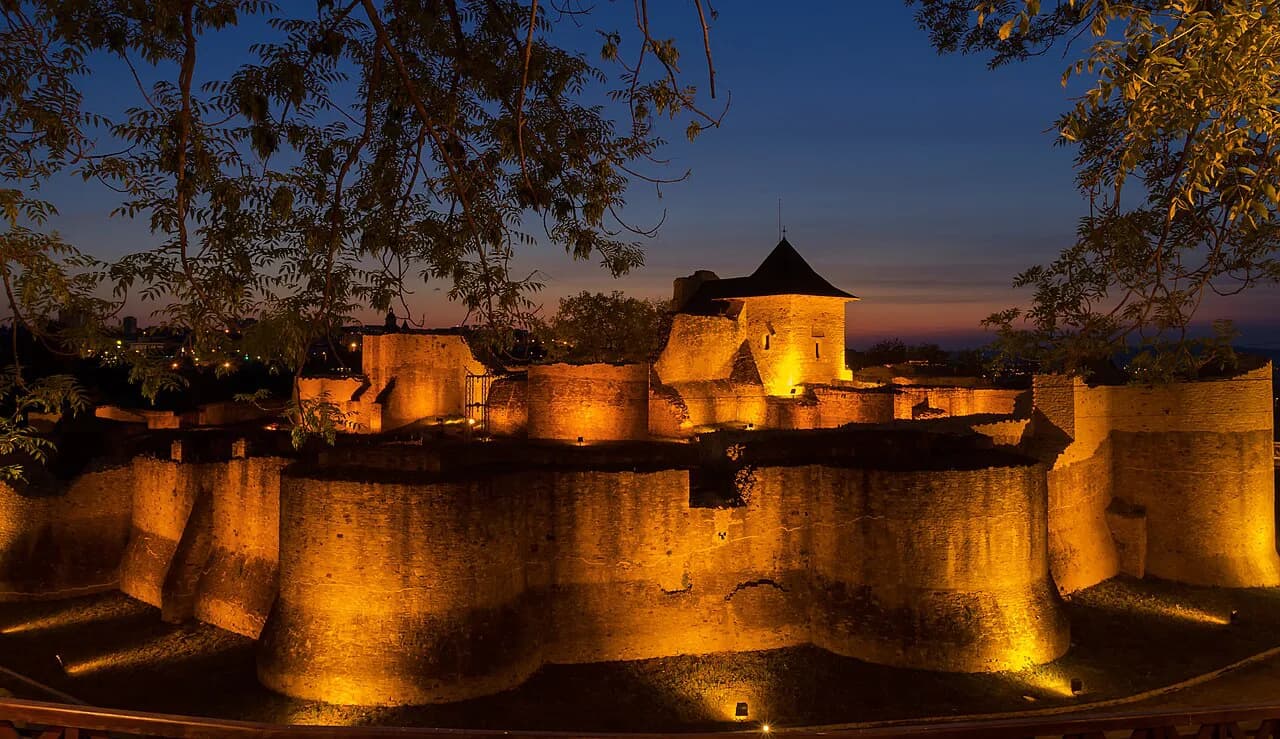
Suceava Citadel is the Princely Fortress of Suceava, a medieval castle on a plateau above the town, and it needs about two hours including the climb and the exhibition inside the walls. This guide covers what stands inside, the month-by-month opening programme, ticket bands in lei and the walking route up from the centre so you can slot it into a Bucovina trip.
What the Suceava Citadel is
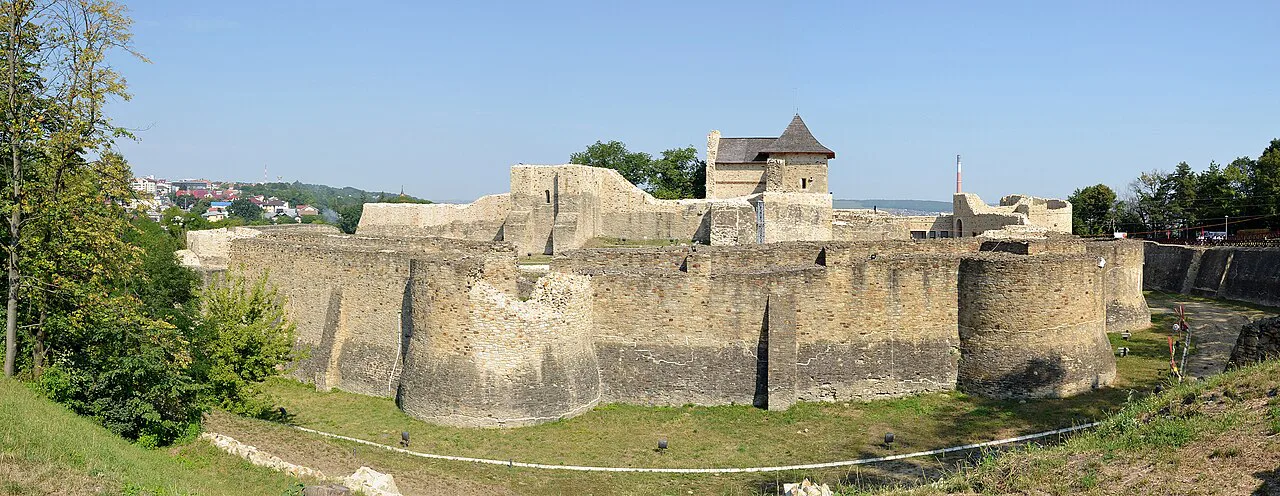
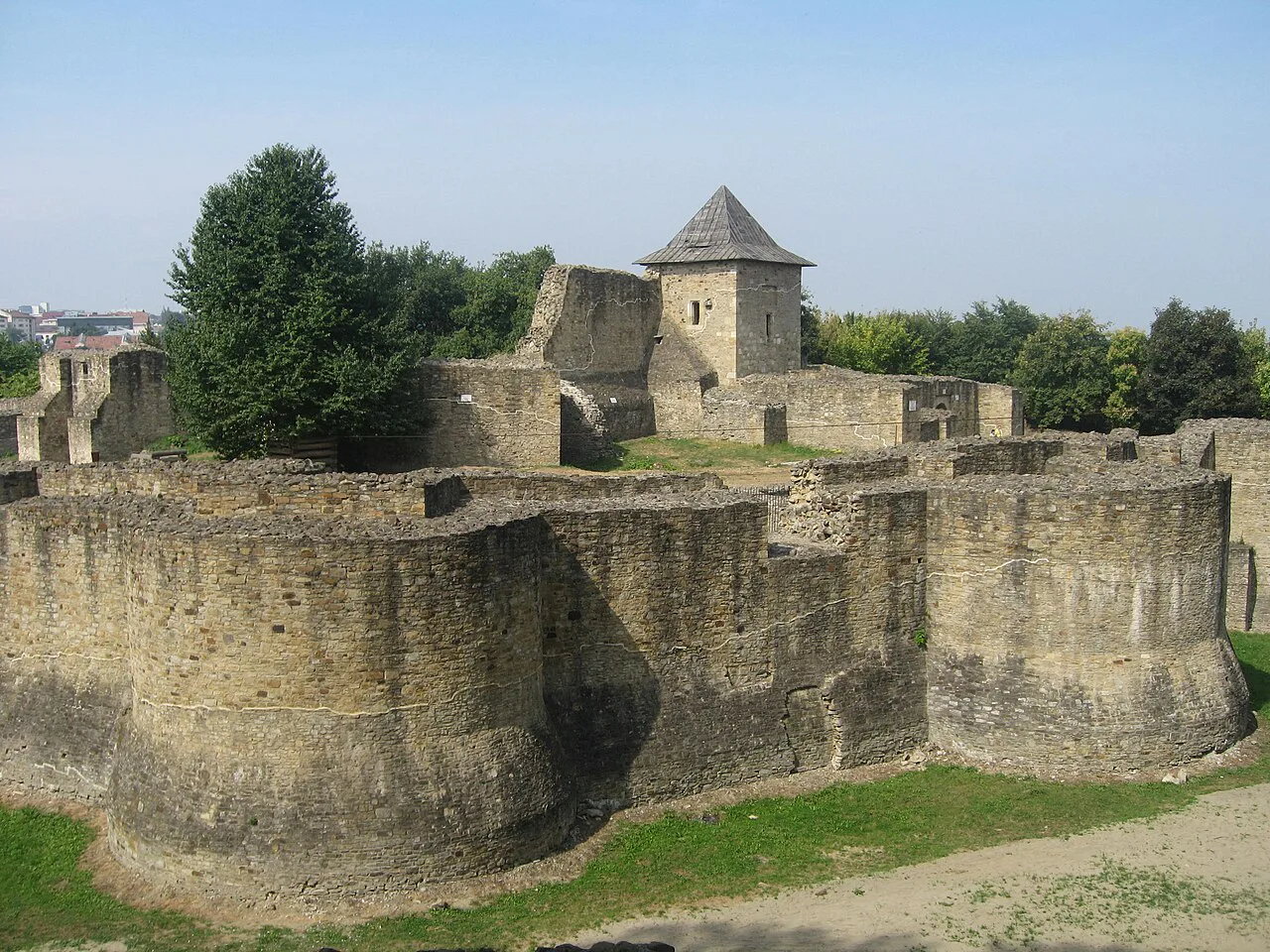
The Princely Fortress of Suceava was built at the end of the 14th century close to the medieval city and served as the main residence of Moldavia's rulers for almost 200 years. Today the Muzeul Național al Bucovinei runs it as a national historic monument and museum, with a permanent exhibition installed inside from 2016. The castle and its protection walls were consolidated and completed under a large financed project between 2011 and 2015, which restored the fortress's former princely look.
Suceava sits within the wider painted-monastery country of southern Bucovina, so the citadel works best as a half-day in the town rather than a stand-alone detour. If your trip is built around the monasteries, see the Painted Monasteries of Bucovina for how the sites fit together.
Where it sits and how it relates to Suceava's medieval city
The citadel occupies a plateau above Suceava, and the museum describes it as standing near the medieval city rather than within the modern centre. That elevation is the reason the walk up is part of the visit: you climb to the walls, then move through the gate and courtyards on foot.
Allow for the climb in your timing rather than arriving at the gate with ten minutes to spare. Komoot lists a loop from the Bucovina Village Museum to Suceava Fortress at roughly 8.2 km and about two hours twelve minutes of walking, which gives a realistic sense of the distance if you combine the two on foot.
What survives: the castle and the protection walls
What you walk through today is the medieval architectural assembly of the castle plus the protective walls, consolidated between 2011 and 2015, with a permanent exhibition installed inside from 2016. The museum presents the site as a restored ensemble that includes the exhibition inside the chambers.
Approaches and access around the walls can change with works on site, so check the route up before you set out on the day you plan to visit. Build the climb into the plan rather than assuming a short stroll from the car or bus.
Inside the fortress: weapons, heraldry and Moldavia's medieval Treasure
The permanent exhibition gives the first and most comprehensive presentation of medieval weapons in Moldavia, alongside the heraldic symbols of Moldavian rulers and aristocrats from the 14th to the 17th century. It also displays Moldavia's medieval Treasure, which makes the chambers worth slowing down for rather than walking straight through to the walls.
Plan your time so the weaponry and heraldic pieces get the attention, then take the walls and courtyards afterwards when you want the open air. If you are building a monastery circuit, the Painted Monasteries of Bucovina lie within driving distance of Suceava.
The lapidarium, Gothic decoration and the glazed stoves
The lapidarium recomposes the most complete picture of Suceava's fortress and sets out the building systems and architectural decoration, with Gothic themes dominating in the 15th century. Medieval household fittings are on show too, including glazed stoves that combine local decorative motifs with Central European ones.
These rooms reward a slower pace than the outdoor walls, so budget part of your two hours for the lapidarium before you head back out into the courtyards.
The multimedia rooms and the bookable video projection
Multimedia installations with medieval themes and video projections run inside the exhibition, including an interactive book on foreigners' accounts of Moldavia and a projection called The Chronicle of Suceava's Fortress. The museum treats these as part of the visit, and the interactive book is the piece most received by visitors.
The evening video projection runs in the hour after last admission in the published programme, and the museum asks you to schedule it in advance. That means deciding before you arrive whether you want the daytime exhibition only or the projection slot as well, because the booking changes your evening.
Opening hours month by month
The fortress closes on Mondays outside June, July and August, when it opens Monday to Sunday. In March it opens from 09.00 to 20.00 with last admission at 19.00, still closed on Mondays, and in April from 09.00 to 21.00 with last admission at 20.00.
In May and in June, July and August the programme runs later, with Tuesday to Sunday hours in May and daily hours in the summer months, both closing at 22.00 with last admission at 21.00. September shifts to 10.00 to 21.00 with last admission at 20.00, October to 10.00 to 20.00 with last admission at 19.00 and November to 10.00 to 19.00 with last admission at 18.00.
December, January and February are the shortest days, from 10.00 to 18.00 with last admission at 17.00, still closed on Mondays. Check the museum's visiting programme for the date you plan to travel rather than relying on these figures as a guarantee.
Tickets in lei
The permanent exhibition costs 20 lei for adults, 5 lei for pupils and students with valid ID, and 10 lei for retired persons. Keep student or pensioner ID with you, because the reduced bands depend on it.
The visiting programme lists no separate ticket price for the evening projection, so treat the adult and concession rates above as the ticket you are buying and settle the projection when you schedule it. Check the current prices on the museum's own page before you travel, since published rates can change.
How long a visit needs
Two hours covers the climb, the exhibition and a walk around the walls at a comfortable pace, with more time if you add the evening projection. Arriving in the last hour before closing leaves too little for the lapidarium and the weapons rooms, so aim for mid-morning or early afternoon.
The projection runs in the hour after last admission, so a full day at Suceava Citadel means an afternoon visit and an evening return for the scheduled slot.
Getting there from Suceava and the Village Museum loop
The fortress sits above Suceava and the walk up can be combined with the Bucovina Village Museum, which gives you a loop rather than a there-and-back climb. Komoot lists that loop at about 8.2 km with roughly 100 m of ascent, and describes the paths as easily accessible and suitable for all skill levels.
If you would rather not walk the full loop, take a taxi or drive up and save your energy for the walls and the exhibition. Either way, the climb is the part that catches people out, so give it its own half-hour rather than squeezing it into the visit.
Alongside the citadel in Suceava
The Muzeul Național al Bucovinei in Suceava also runs the Bucovina Village Museum and the History Museum, so a single day can cover the fortress and one of those without moving far. The museum's Discover Romania app offers an audioguided tour of the fortress in Romanian, English, German and Hungarian using a downloaded coupon.
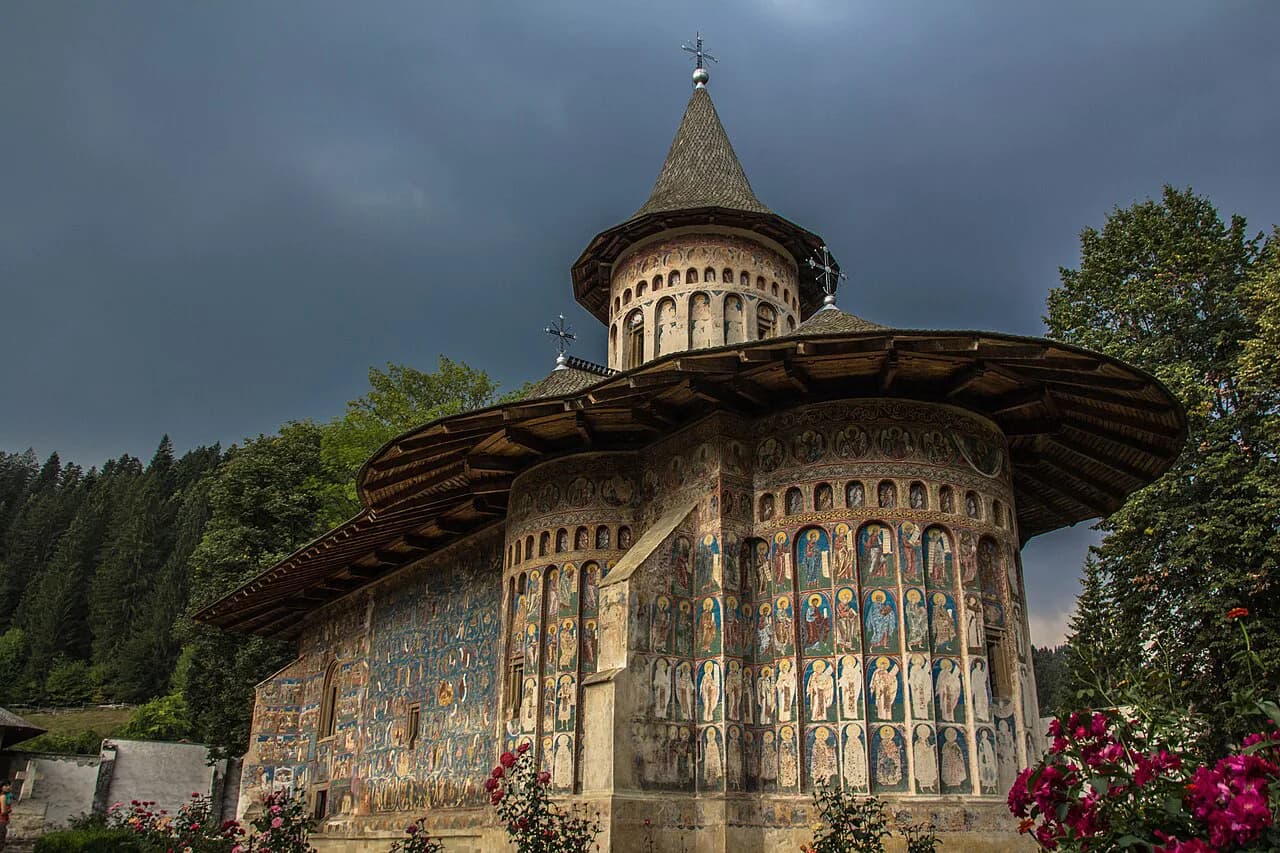
The painted monasteries lie within driving range for a longer Bucovina trip; Voroneț Monastery is among the easiest to add to a Suceava day.
Is the fortress worth the walk up?
The Suceava Citadel is worth the climb if you want the weapons, heraldry and lapidarium in one place, and the walk up from the Bucovina Village Museum makes it a proper half-day. Skip it only if you are short of time and heading straight for the monasteries.
Before you travel, check the museum's published programme for your month and confirm the evening projection slot if you want it. Book the projection when you decide, and keep concession ID with you for the reduced ticket bands.
Explore more Bucovina guides
Frequently Asked Questions
Is Suceava Citadel the same as Suceava Fortress?
Yes. Suceava Citadel, Cetatea de Scaun a Sucevei and the Princely Fortress of Suceava all refer to the same site run by the Muzeul Național al Bucovinei on the plateau above the town.
Where is Suceava located?
Suceava is in north-eastern Romania, in the region of Bucovina, and the fortress stands on the plateau above the town rather than in the centre.
Does Suceava Citadel close on Mondays?
The fortress closes on Mondays outside June, July and August. In those three summer months the museum programme lists it as open Monday to Sunday.
Sources
Useful notes for your next trip
Optional updates to our guides.
You might also like
Continue reading
More guides you'll find useful