Sucevița Monastery: The Fortified Painted Church in Bucovina
Sucevița Monastery in Bucovina is a walled painted church with corner towers, exterior frescoes and a museum of 16th-century books and icons. Here's what you see.
On this page
Sucevița Monastery is worth a stop for two things stacked on one site: a church whose walls carry painted scenes inside and out, and a defensive shell of thick walls and corner towers that you walk through to reach it. The village sits in the Bukovina region of north-eastern Romania, and the monastery is its main reason to arrive.
This page covers the layout of the enclosure, the painted Church of the Resurrection, the museum holdings, a realistic time budget and how the approach on foot works. Practical points such as dress and cameras are treated only where a source supports them.
What Sucevița Monastery is
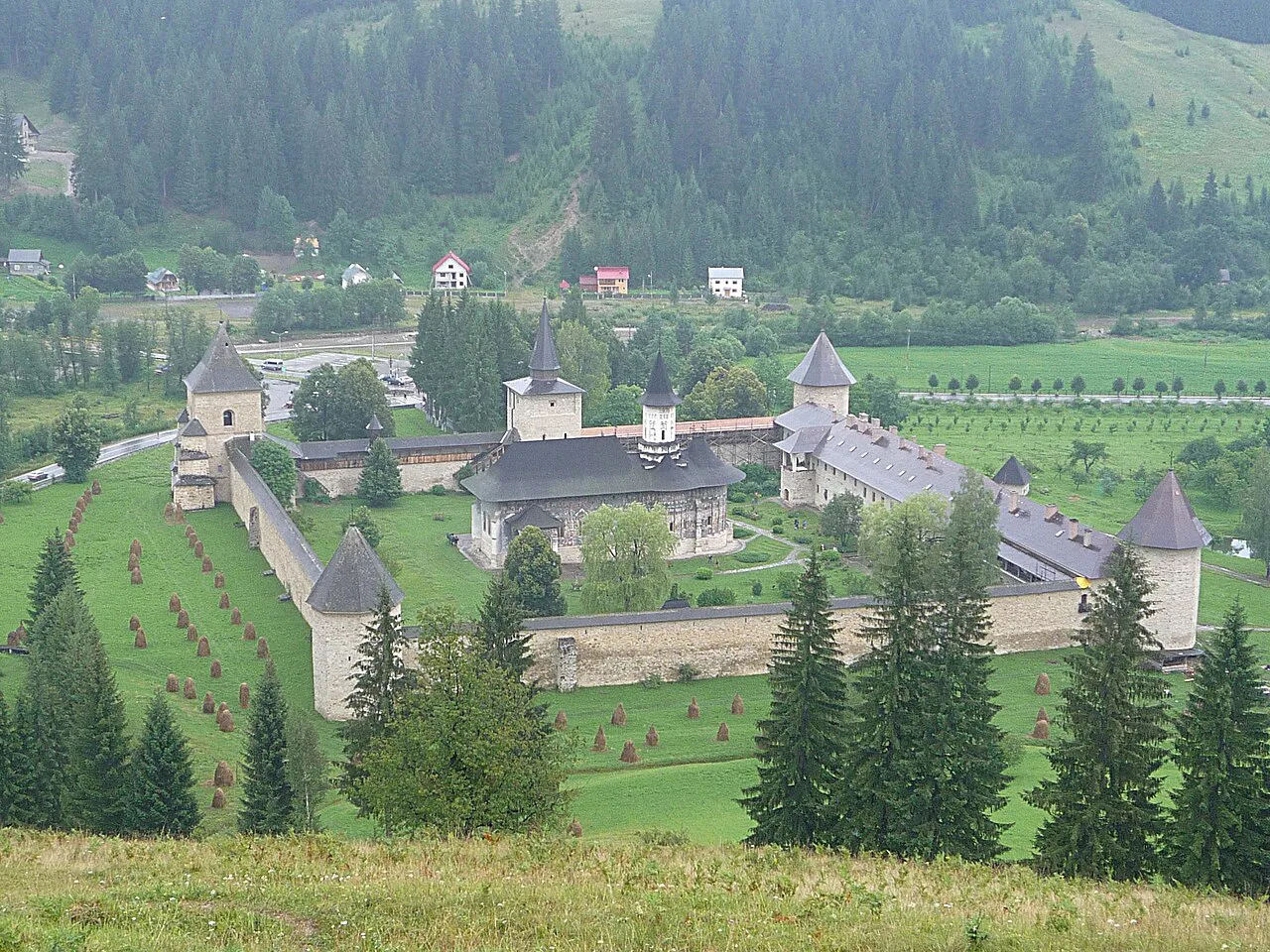
The heart of the site is the Church of the Resurrection, a painted church built in the second half of the 16th century. The monastery was then enlarged and wrapped in powerful walls with corner towers, which is the shape you see today.
In practice you meet the defensive ring first and the church second, so the visit reads as a compound rather than a single building. That order matters when you plan: the walls take minutes, the church takes the bulk of your time.
Where Sucevița sits in Bucovina and how it fits a painted-monasteries circuit
Sucevița is one of the seven painted churches of Bukovina that are entered together on the UNESCO World Heritage List. That collective listing is the reason most travellers meet it as part of a circuit rather than on its own.
If you are building a loop through Bucovina, group Sucevița with the other walled and painted sites you can reach in a day rather than treating each as a separate outing. The wider Bucovina guide sets out the towns and roads the circuit runs on.
Sucevița rewards a slower pace than a quick photo stop, because the painted surfaces run across several walls and the monastery buildings hold a museum as well. Give it a proper slot on the circuit instead of squeezing it between two other churches.
The walls and corner towers: how the defensive enclosure shapes a visit
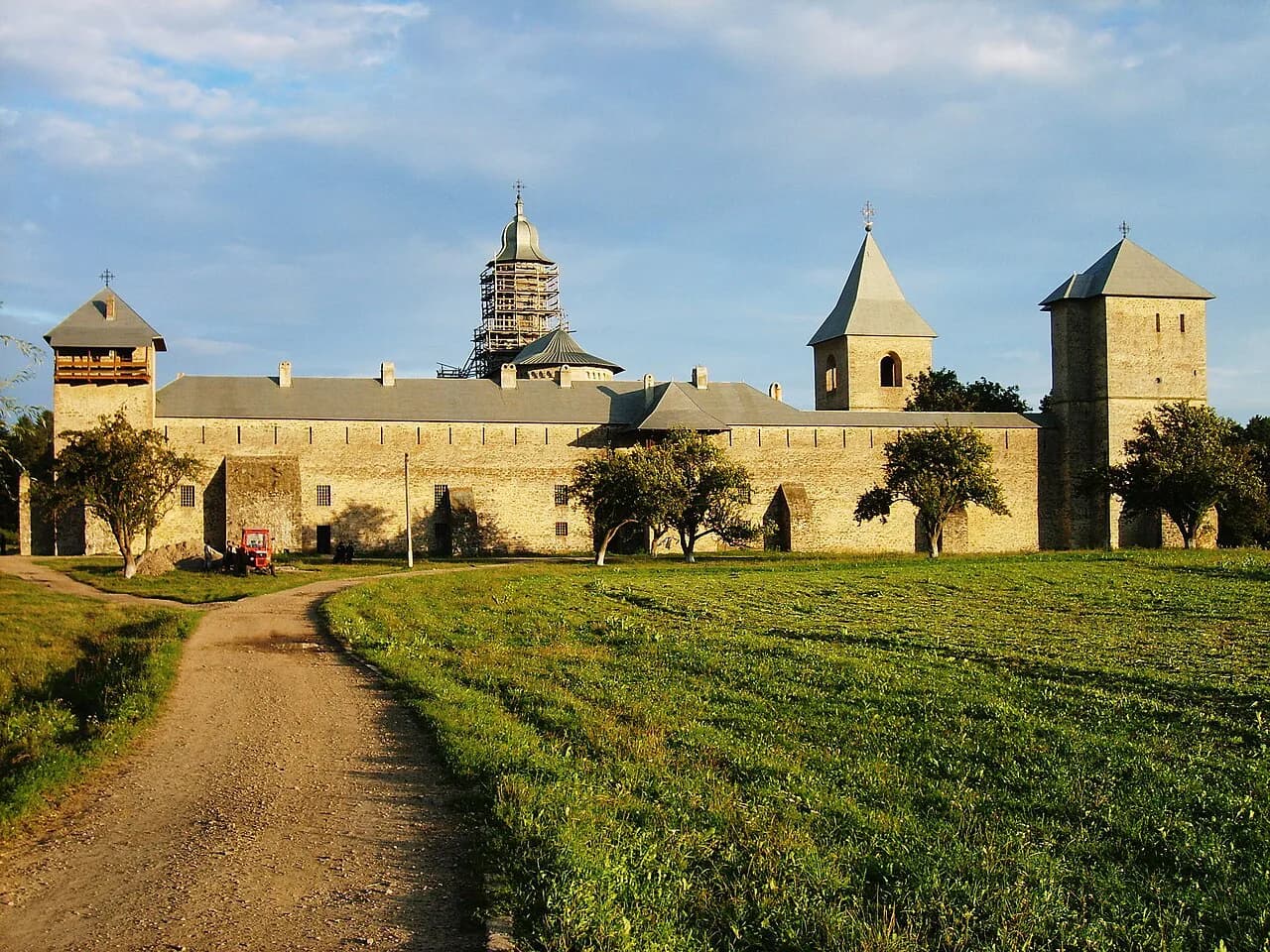
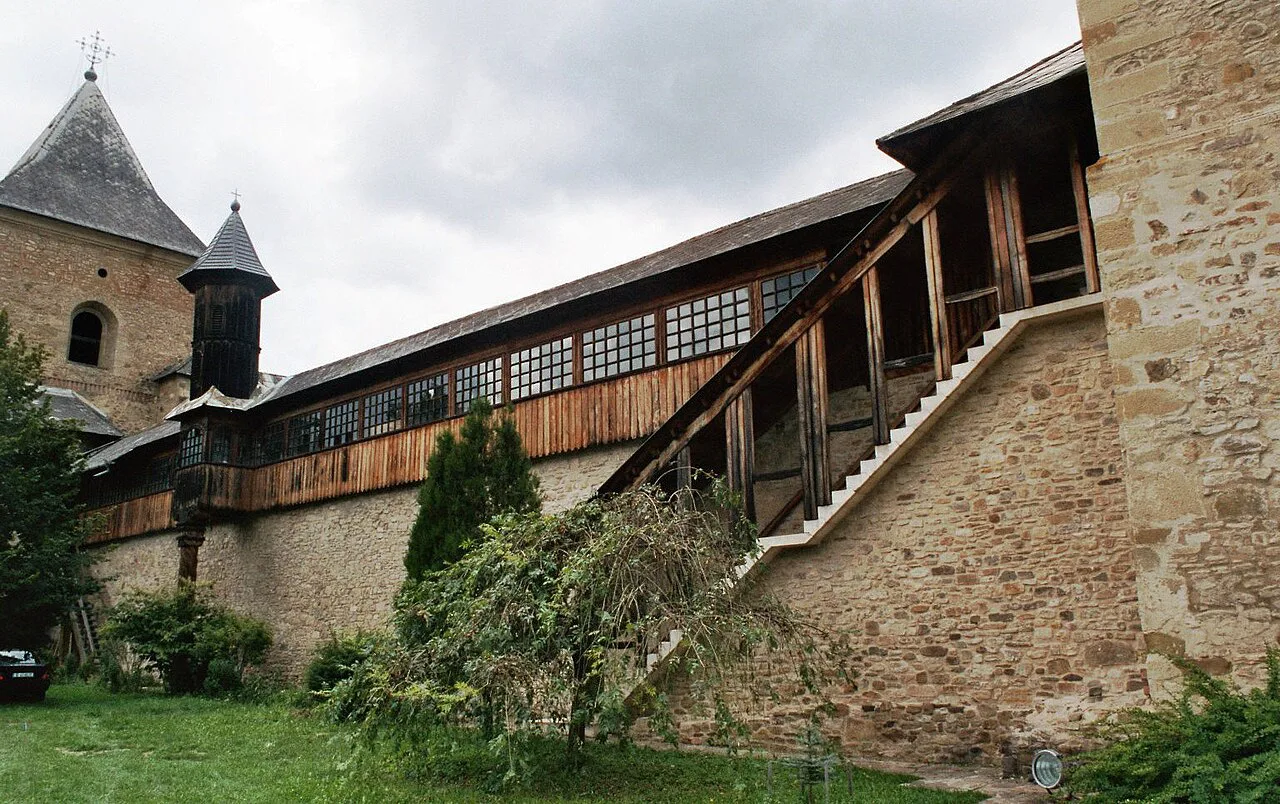
The monastery is a highly fortified complex, with towers and gatehouses built into the perimeter. Walk the inside face of the wall and you can read the defences as a continuous circuit rather than as isolated fragments.
Because the enclosure is compact, the walls do not add much distance to your visit, but they do change how the church is lit and how much of the exterior painting you can see at once. Start with a slow lap of the courtyard, then go into the church with the layout in your head.
The exterior frescoes: what survives on the walls
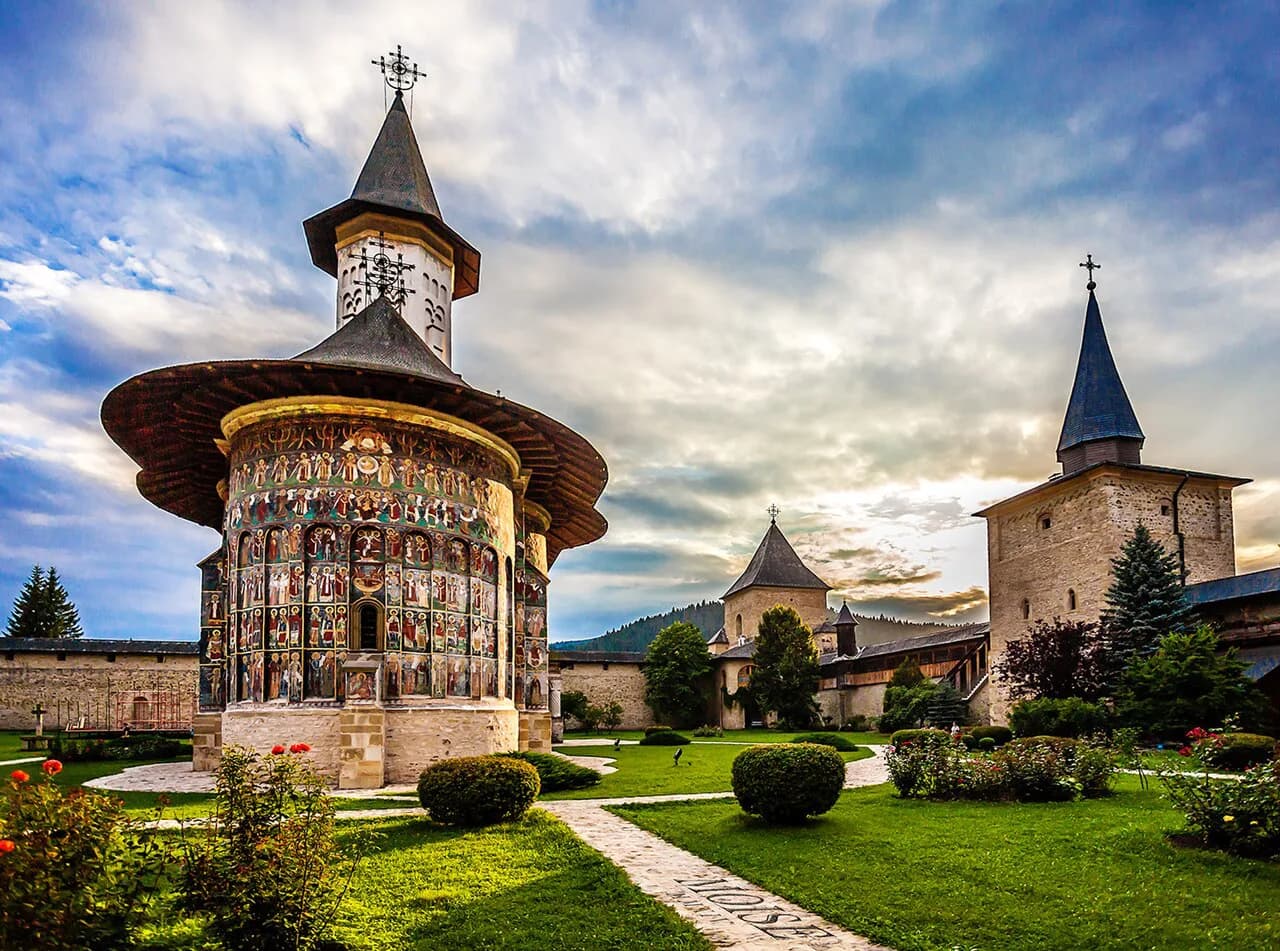
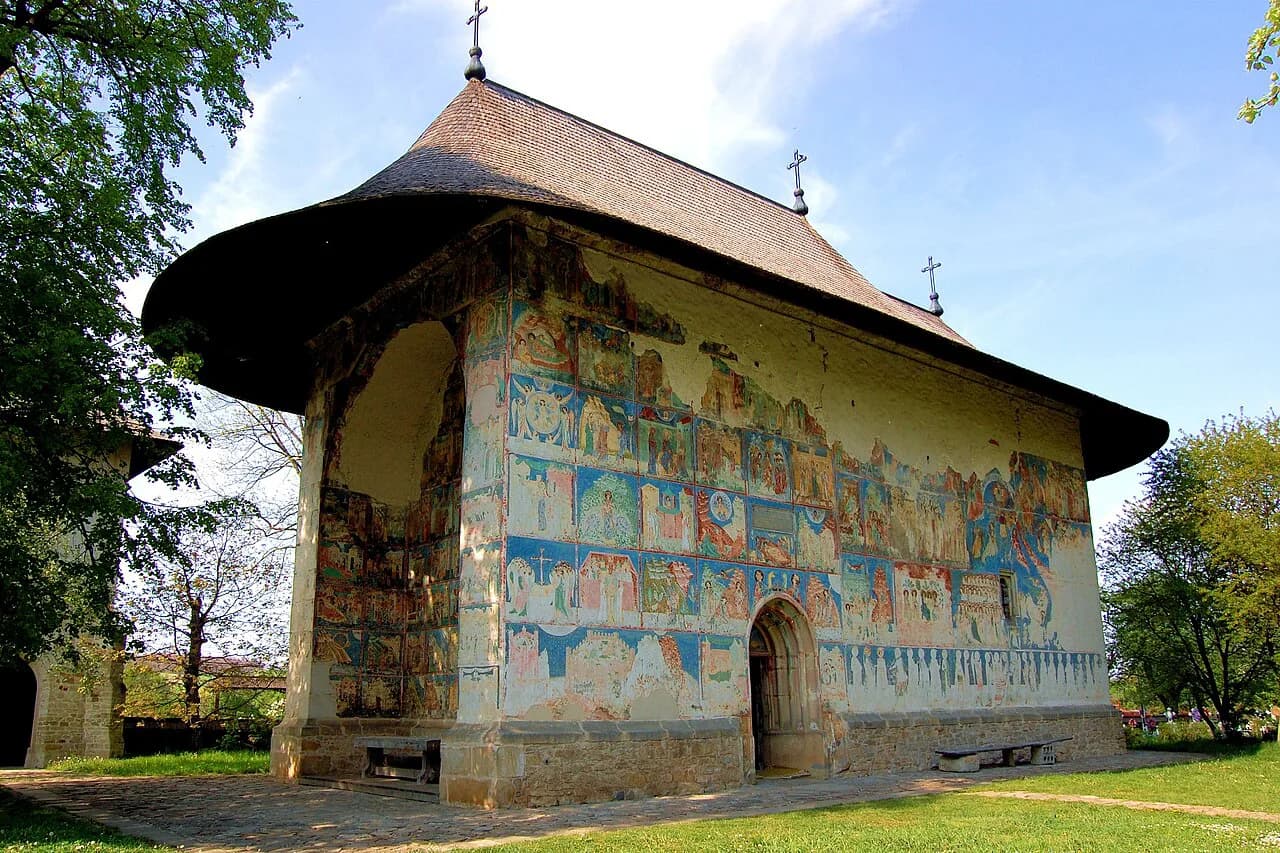
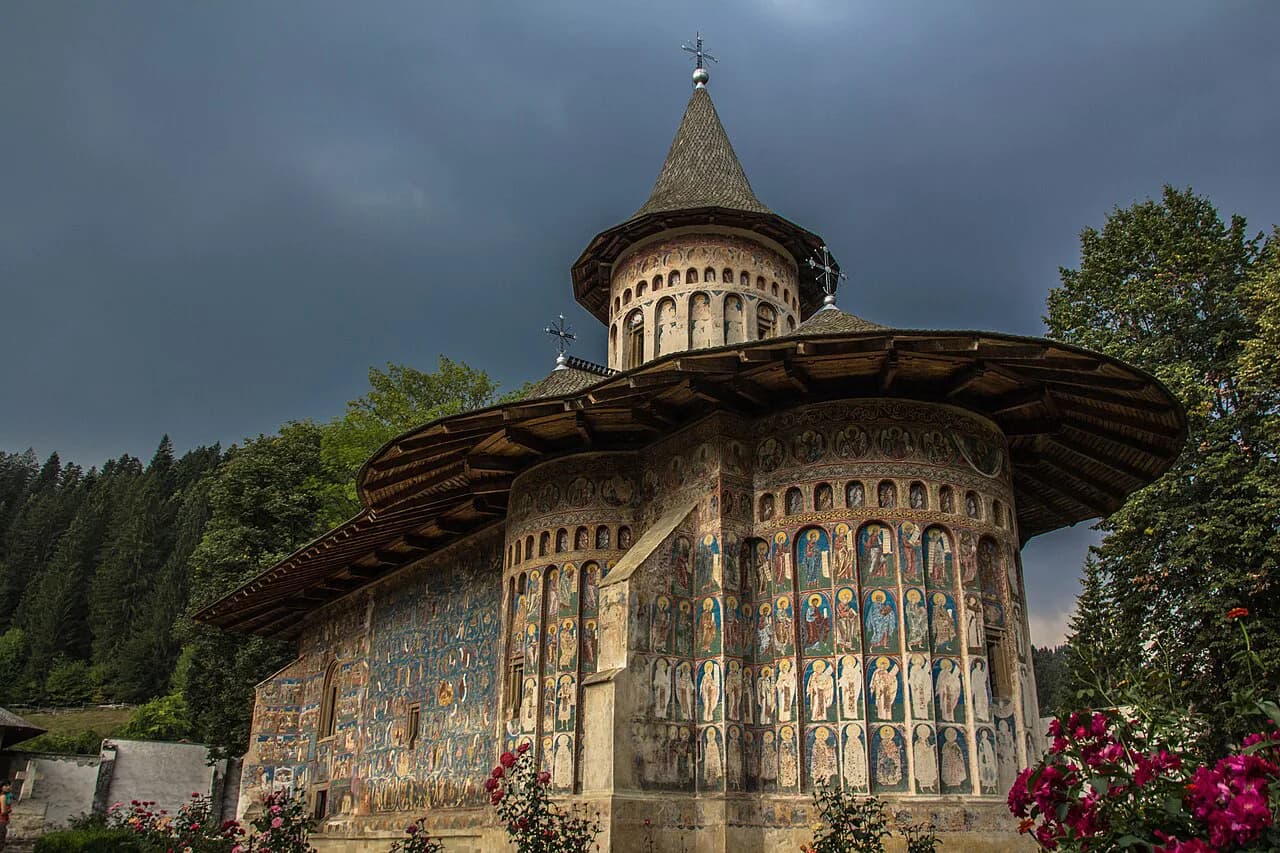
The church was decorated with external frescoes, and the historical paintings cover nearly every interior and exterior wall of the building. The scenes are drawn mainly from the Old and New Testaments, so the programme is readable even without a guide who names each panel.
The outside paintings are the reason many people come, and they are best seen by moving along the walls rather than standing in one spot. Allow time to look at more than the facade facing the entrance, because the sequence continues around the building.
Inside the church: the painted interior
Inside, the painting continues across almost all the walls, which makes the church a single continuous surface rather than a room with decorated panels. Read the interior as a sequence: start low and close, then step back to take in the upper registers.
Light levels inside make some scenes easier to pick out than others, so give your eyes a few minutes before deciding you have seen it. The interior is the part of the visit that rewards the most patience.
The monastery museum: 16th-century books, liturgical items and icons
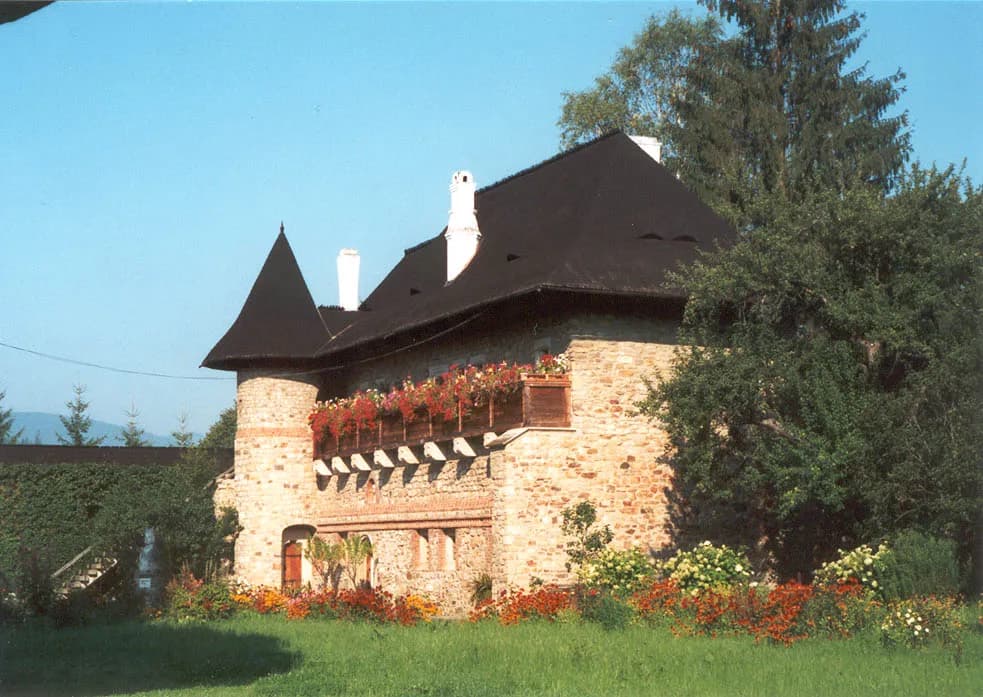
The monastery buildings hold a museum with numerous books, liturgical items and icons dating from the 16th century. Treat it as a second stop rather than an afterthought: it gives context to what you have just seen painted on the walls.
If your time in Bucovina is limited, the museum is the part to keep if you care about objects and the part to drop if you only came for frescoes. Decide before you arrive so you are not making the call in the courtyard.
How much time to give Sucevița and what to prioritise
Budget the stop around three layers: the enclosure and its towers and gatehouses, the painted church, and the museum. The site is compact enough that the first layer costs little time, which leaves most of your visit for the church and the collection.
If you have under an hour, take the courtyard lap and the church interior and leave the museum for a return. With more time, add the museum and a second pass at the exterior walls, which often reads better once you know the interior scheme.
Getting there: arriving at Sucevița village and walking to the monastery
Sucevița is a small village, and the monastery sits on its edge rather than in a separate visitor complex, so the final approach is short and simple.
The wider region is served by towns such as Suceava and Gura Humorului, which is where you sort out the day's driving before heading for the village. Check locally for current opening times before you set out, as these change through the year.
Practical points: dress and photography
This is an active religious site, not a ruin, so arrive dressed modestly and keep your voice down in the church. The monastery buildings have a museum, but photography arrangements there are not something to assume either way.
Because the courtyard is the main space for viewing the exterior walls, expect other visitors to be moving through the same ground, and plan your photographs around that.
Where Sucevița fits against the other painted churches of Bucovina
Sucevița stands apart on a circuit for its combination of painted surfaces and a full defensive enclosure, which you can see in one compact visit. Compare it with the other UNESCO-listed painted churches when you plan the order of your days.
A sensible circuit pairs Sucevița with the sites you can reach along the same roads, such as Voroneț Monastery and Moldovița Monastery, so you are not doubling back across the region.
If your base is Gura Humorului, Humor Monastery is an easy addition to the same run of days, and Putna Monastery gives the circuit a second centre if you are staying longer in Suceava County.
Is Sucevița worth a slot on your Bucovina circuit?
Yes, if you want one stop where painted walls and a working defensive enclosure sit together and the museum gives you something to read afterwards. Skip it only if your days are already full of churches and you need to cut one.
Build the day around the church first and the museum second, then use the courtyard as your breathing space between the two. That order keeps a small village site from turning into a rushed tick on a list.
Explore more Bucovina guides
Sources
Useful notes for your next trip
Optional updates to our guides.
You might also like
Continue reading
More guides you'll find useful