Ieud: The Village and Its Wooden Churches in Maramureș
Plan a visit to Ieud in Maramureș, with its UNESCO-listed Biserica din Deal, the later Biserica din Șes, the hillside Jewish cemetery and the route in by road.
On this page
Ieud deserves half a day, not a full one: two wooden churches, a hillside Jewish cemetery and a small village museum sit within easy reach of each other on the Izei valley. Come by car if you can, see Biserica din Deal first, and plan the visit so you are not inside a church during a Sunday morning service. This guide covers the village layout, both churches, the museum and workshops, the manuscript kept in Bucharest, and the realistic ways of reaching Ieud from Sighetu Marmației or Vișeu de Sus.
Where Ieud sits on the Izei valley
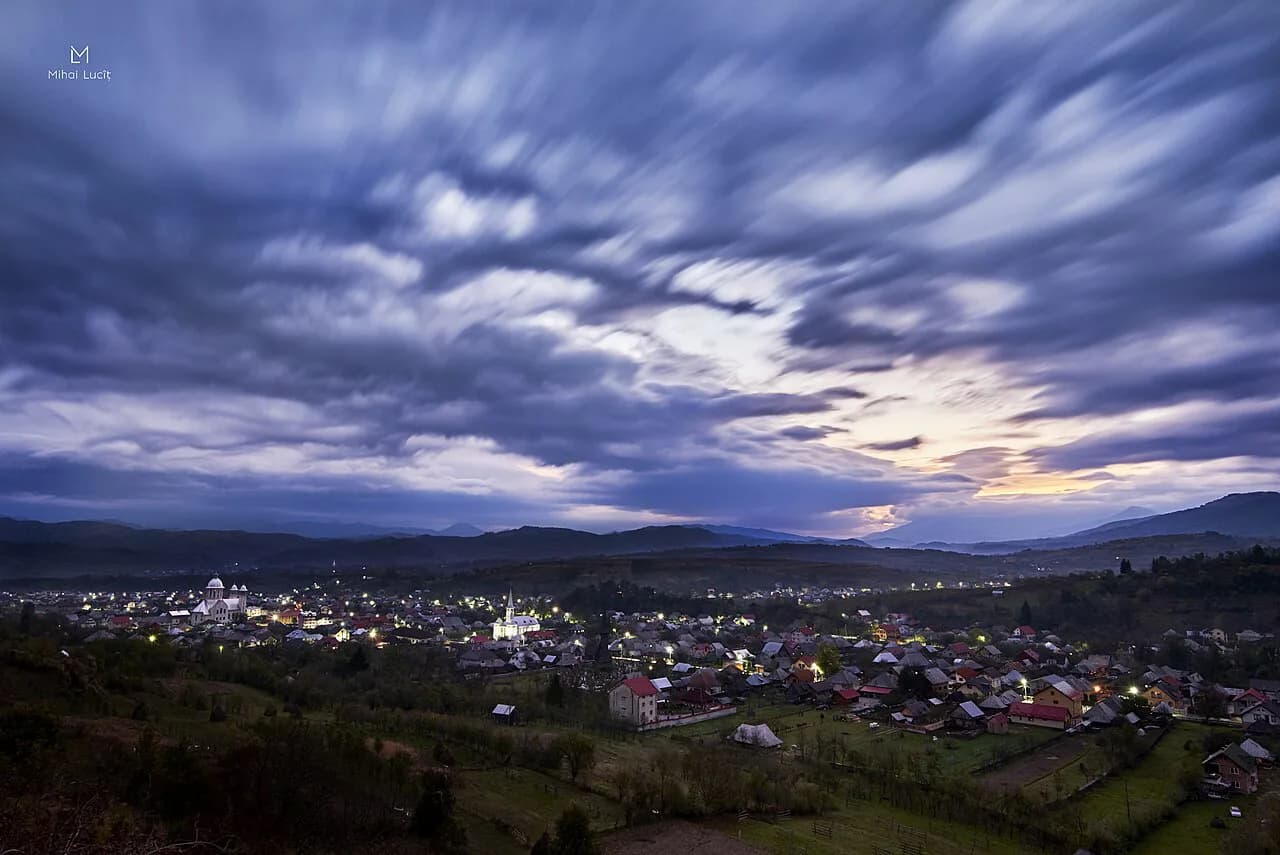
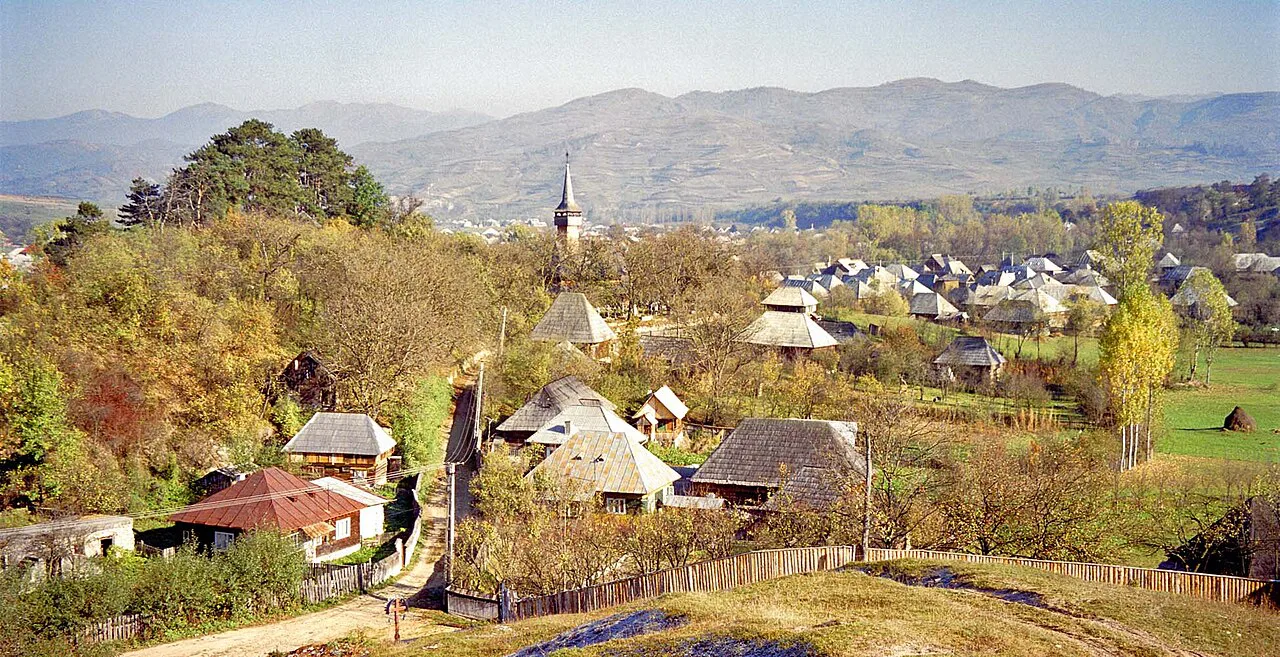
Ieud lies on the Valea Izei in Maramureș, in the commune of the same name, roughly between Sighetu Marmației, Borșa and Vișeu de Sus. The village spreads along the valley road rather than around a single square, so you will move between its sights by car or on foot along the street. Treat it as one stop on an Izei valley circuit rather than a base for the whole region.
The first documentary mention of the village dates to 1365, which gives you a sense of how long settlement here has been recorded. Wooden churches, carved gates and farmhouses set the tone of the place. For the wider picture of the region's villages, the wooden churches of Maramureș are the thread that ties Ieud to Desești and the rest.
Biserica din Deal: the UNESCO-listed church
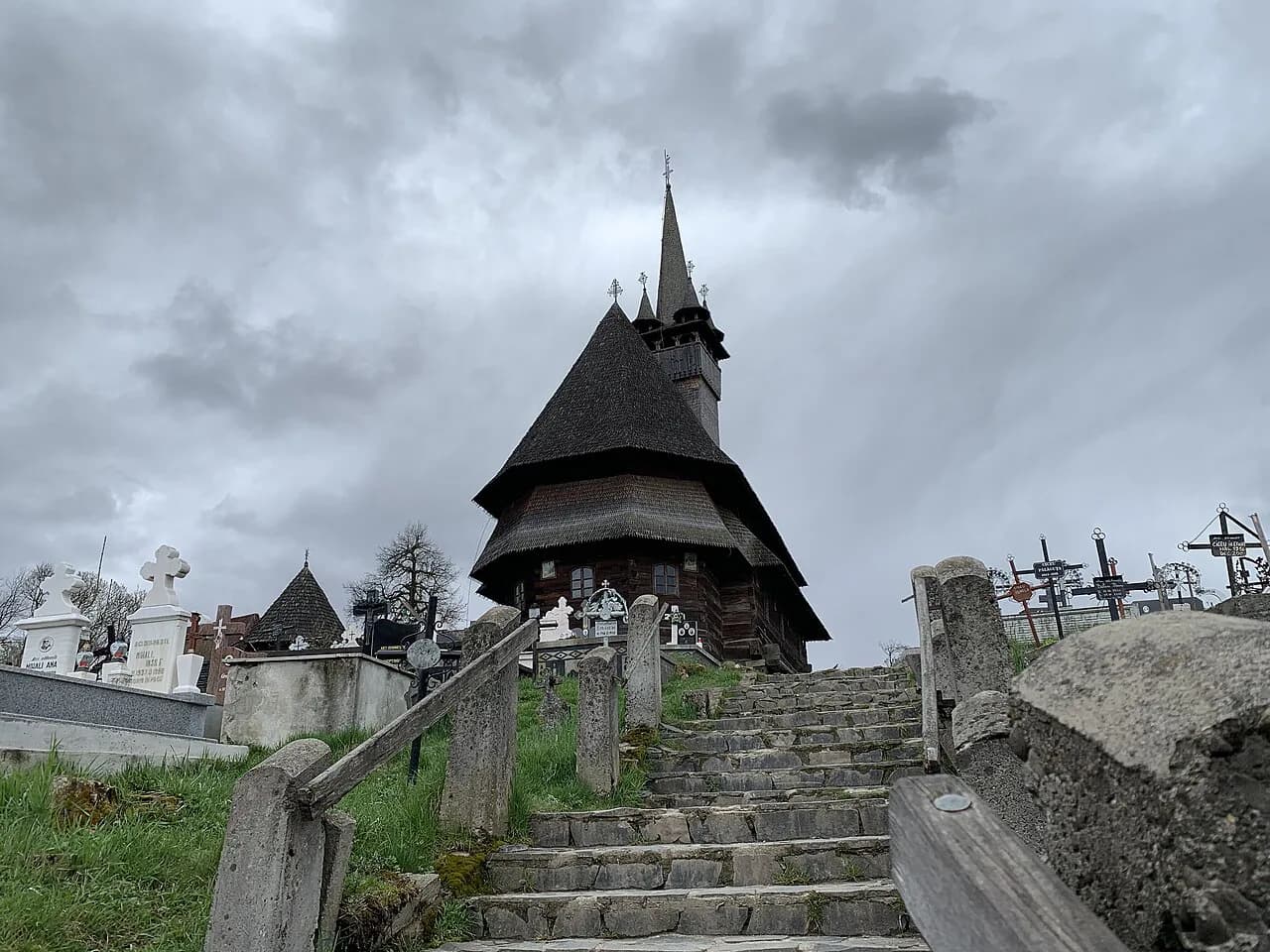
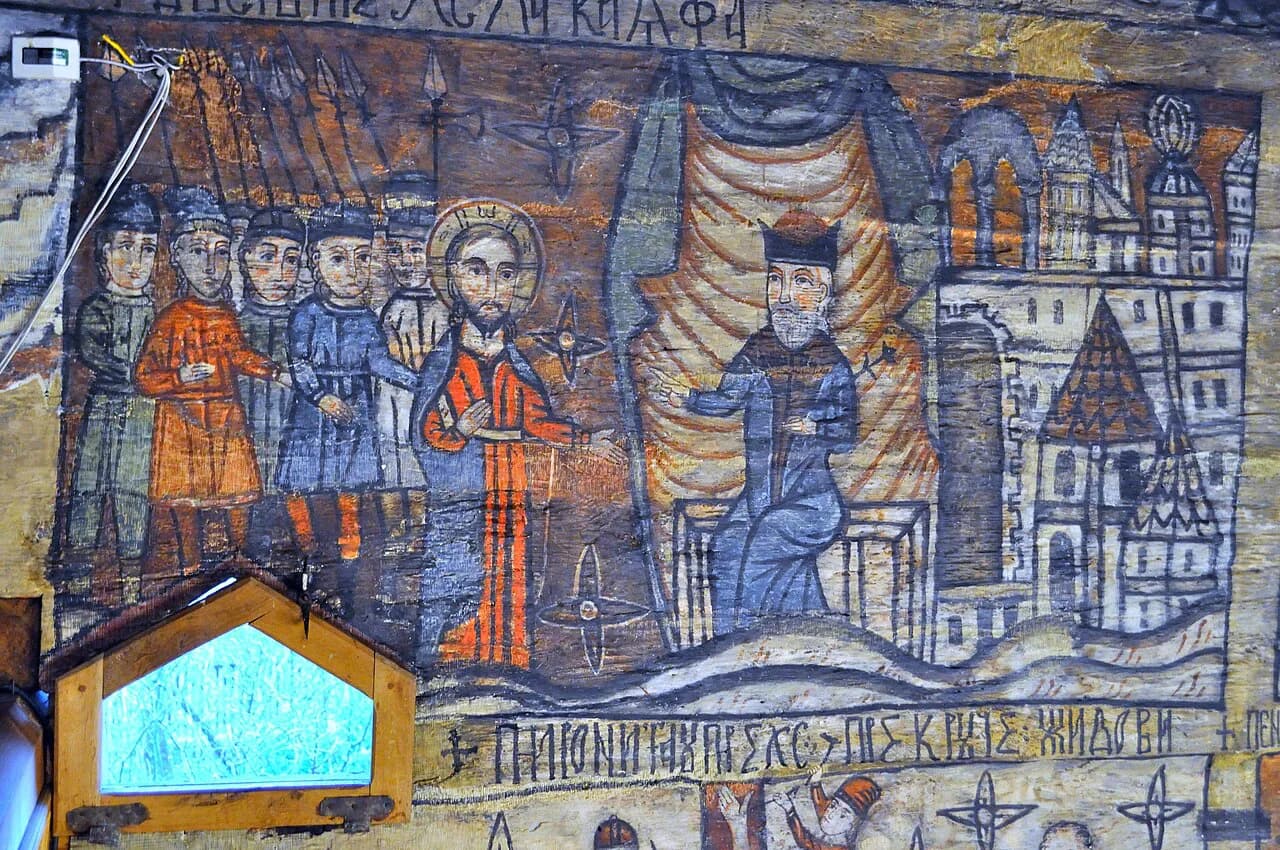
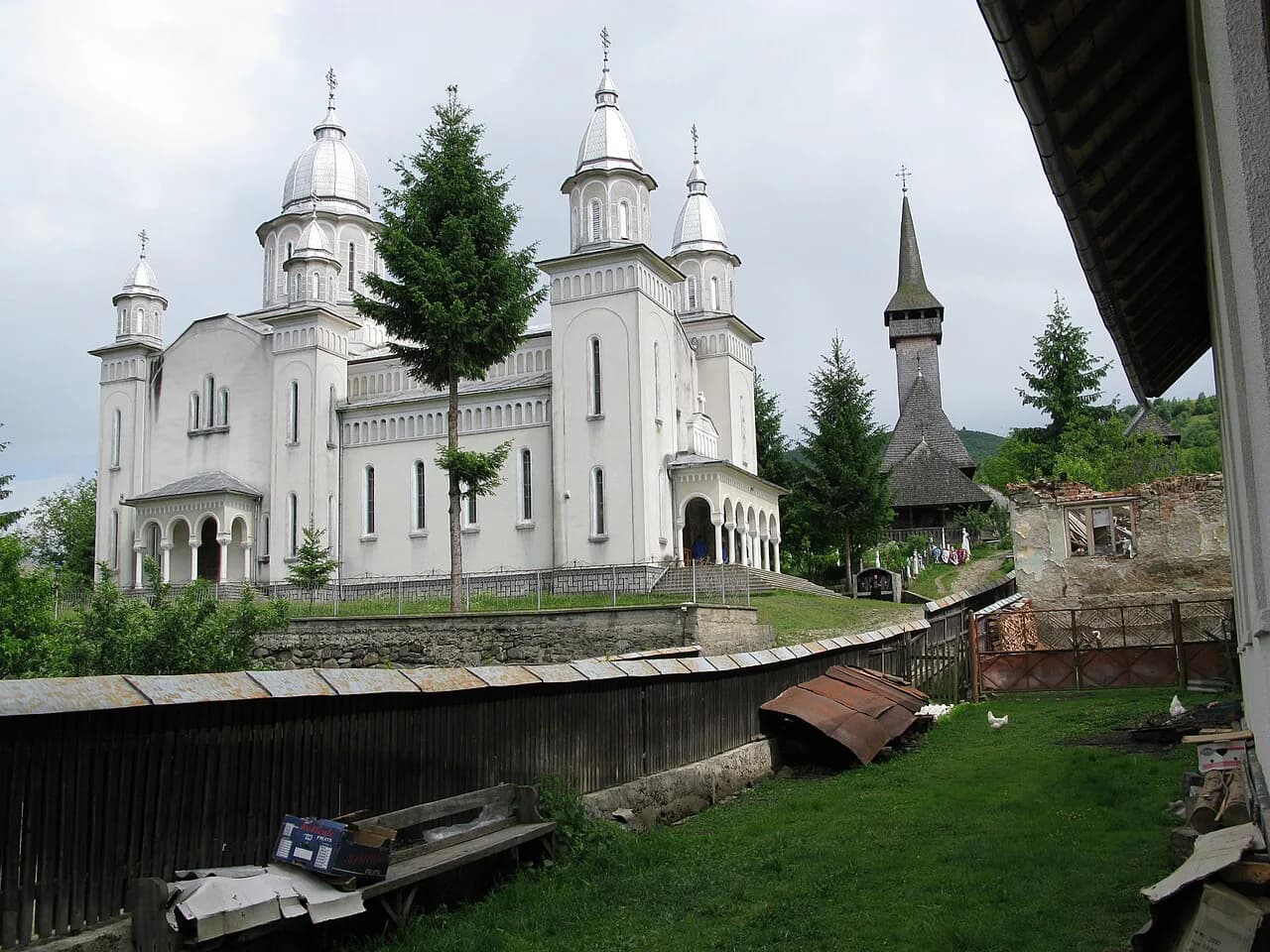
Biserica din Deal, dedicated to the Nașterea Maicii Domnului (the Nativity of the Virgin), stands on a rise above the village and was built in the 17th century. It appears on the UNESCO World Heritage list and is described as one of the oldest wooden churches in Maramureș. See this one first, while you are fresh and the light is good, because the climb and the interior take more time than the second church.
The church is an active place of worship, and Sunday is when the village turns out for the liturgy. Villagers dress modestly and formally for church, so a scarf or long trousers and covered shoulders are the sensible choice if you plan to go inside. No source gives opening hours or service times for the church, so ask at Pensiunea Bocrită in Ieud the day before, or check the church door locally on arrival; either way, don't count on finding it open.
Biserica din Șes: the later church in the village
Biserica din Șes carries the same dedication, the Nativity of the Virgin, but was built around 1712, which places it a century after Biserica din Deal. Visit it second, after the hill church, and the contrast between the two buildings will make more sense than if you see them the other way round.
Ieud in one day: a walking order
Start at Biserica din Deal on its rise, then come down through the village to Biserica din Șes. From there, walk up to the old Jewish cemetery, which sits on a hill with a view over the village and serves as a memento of Maramureș's Jewish community. Finish at the village museum and the craft workshops, which are the most flexible stop and the easiest to shorten if time runs short.
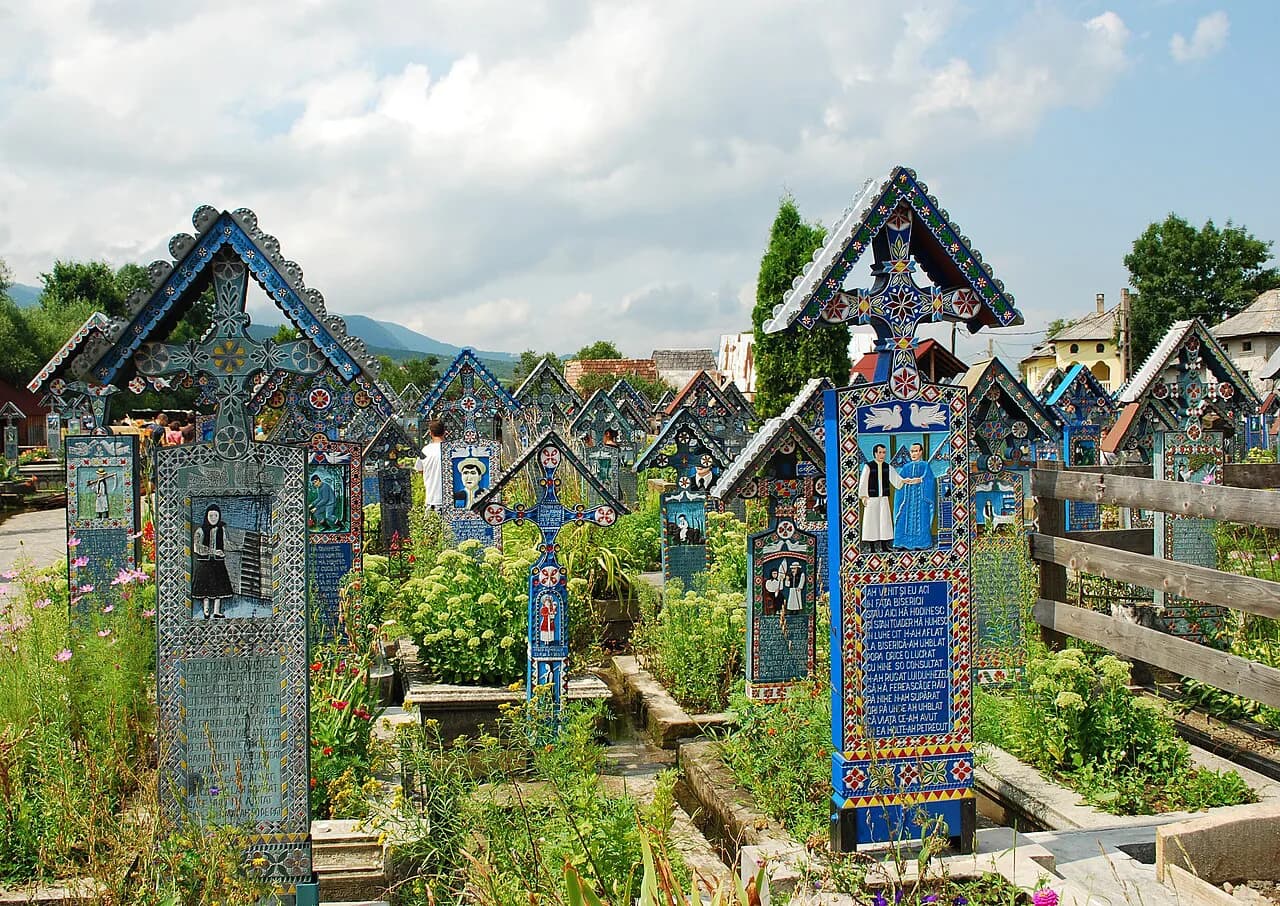
That order keeps the climbing at the start of the day and leaves the gentler stops for the afternoon, which suits a half-day visit. If you are travelling onwards, the Merry Cemetery (Cimitirul Vesel) at Săpânța is the obvious next stop on the same circuit, and the Mocănița steam train from Vișeu de Sus fills another half-day nearby.
The Ieud Manuscript and the church attic
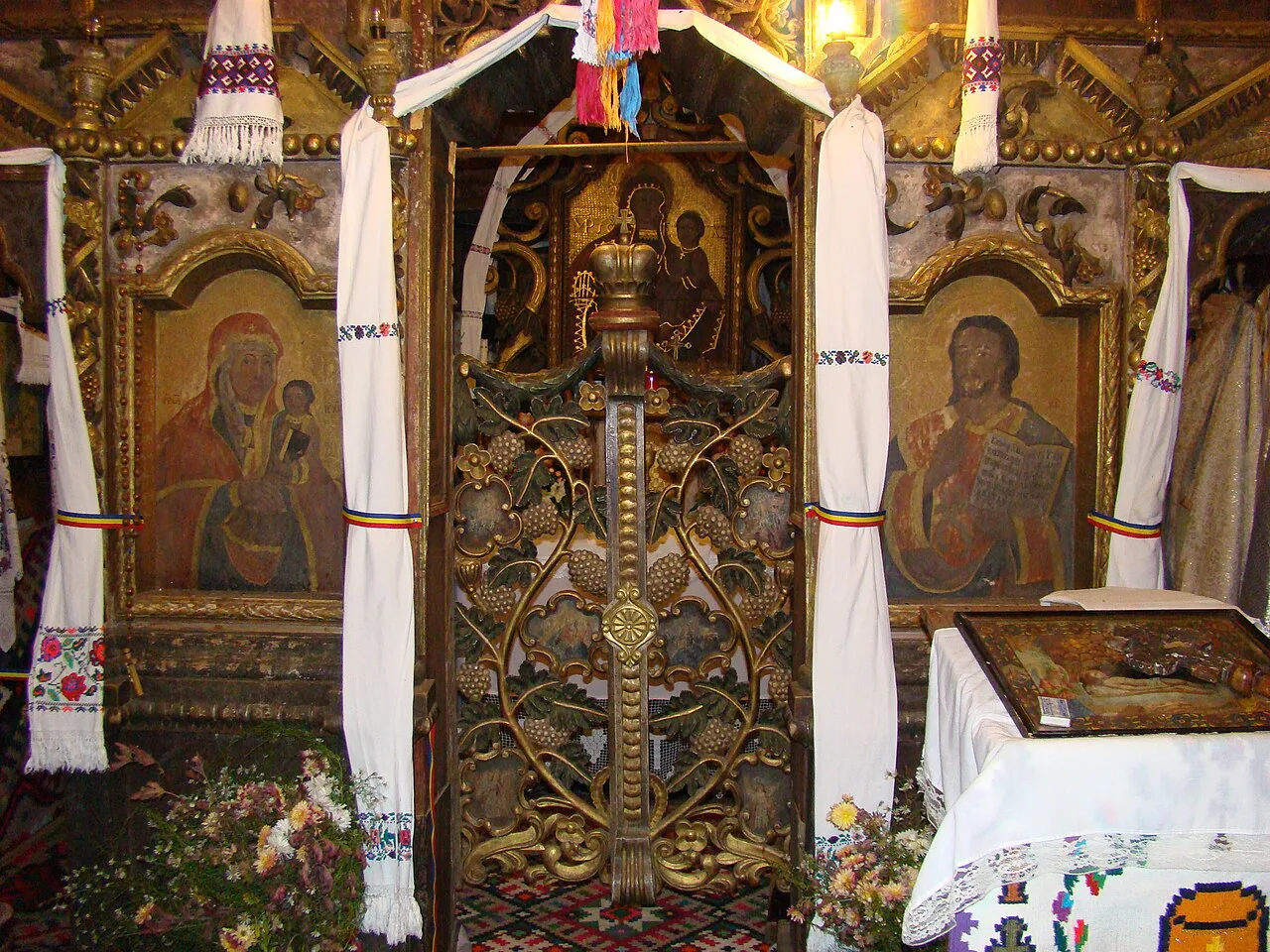
In the 1920s the so-called Manuscrisul din Ieud was found in the attic of the old church, and it is thought to have been written in 1391 or 1392. The original is held at the Romanian Academy Library in Bucharest, not in the village, so do not expect to see it on display in Ieud. The church itself, its roof structure and its setting are what you come for; the manuscript is the historical footnote that explains the village's reputation among scholars.
The village museum and working crafts
The village museum in Ieud holds tools and objects used by the village's ancestors and sits in the courtyard of local people, with both a new house and an old one on the site. It is a small, informal collection rather than a state museum, which is exactly what makes it worth the stop. Check locally before making it the centrepiece of your day, as no opening hours or ticket details are given for it.
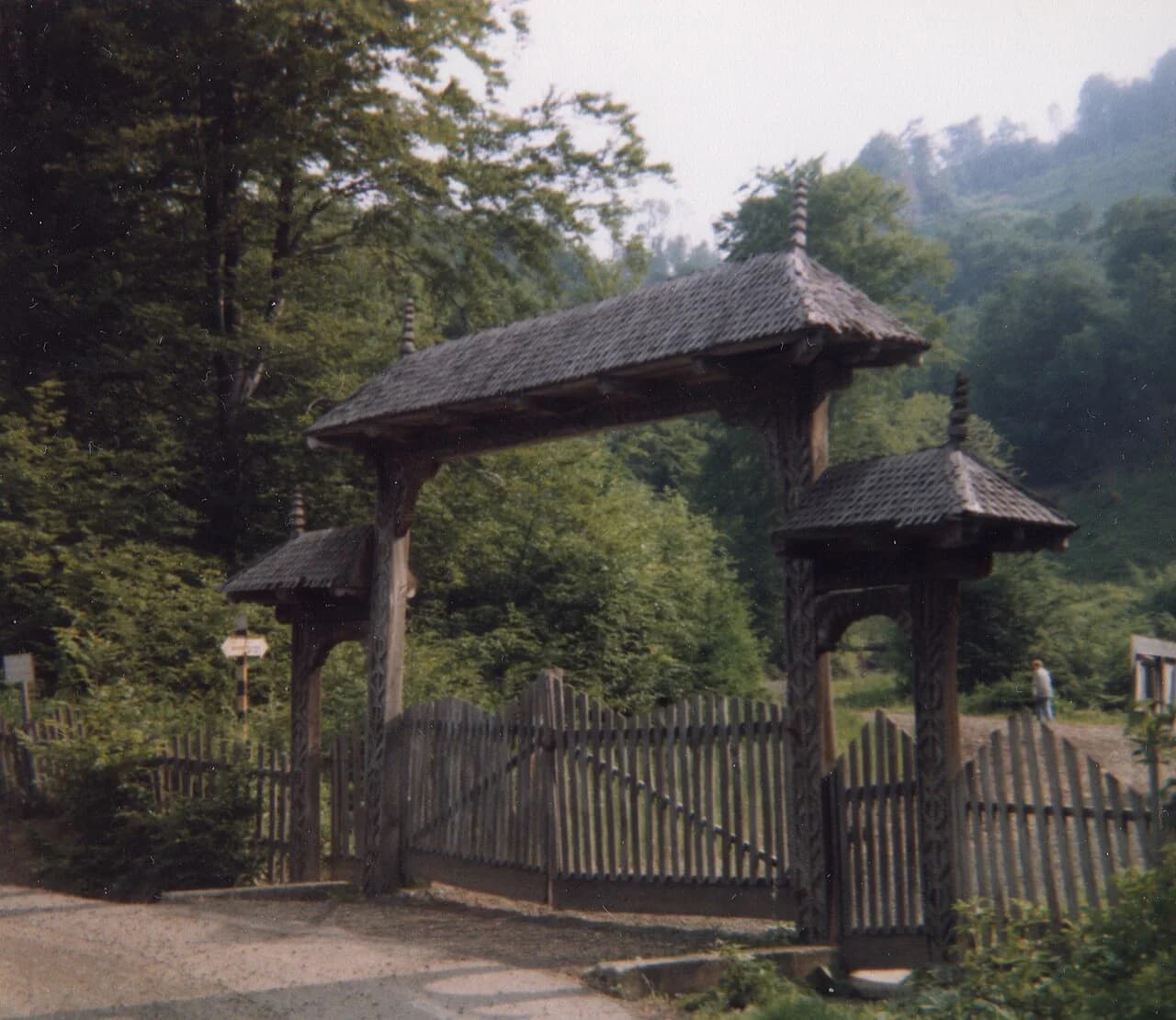
Craft workshops in the village cover weaving, distilling and carpentry, and they let you watch skills that are still practised here rather than presented as a demonstration for tourists. If textiles are the draw, Botiza is the other Maramureș village to put on the same itinerary, and the carved Maramureș gates between the villages reward a slow drive.
The Jewish cemetery above the village
The old Jewish cemetery in Ieud stands on a hill with a view over the village and is described as a place of historic, artistic and human value and a memento of Maramureș. It is a cemetery, not a visitor attraction, so keep your voice down, stay on the paths and do not move or lean on the stones. Its position also gives you one of the better views back over Ieud, which makes it worth the short climb even on a tight schedule.
How to get to Ieud
By car, Ieud is reached from Sighetu Marmației along the Izei valley, with Vișeu de Sus and Borșa the other practical starting points in the area. The village sits on the valley road, so you drive through it rather than diverting to it. Allow more time than the distance suggests, because the road is shared with farm traffic and the villages along it slow you down.
Bus services run along the valley, but no timetable, frequency or fare for reaching Ieud appears in the sources, so check the current schedule at Sighetu Marmației or Vișeu de Sus before relying on it. There is no railway station in the village itself; the nearest rail access is at Sighetu Marmației or Vișeu de Sus, which are also the places to pick up a bus or arrange a car. If you are working out where to put Ieud in a wider trip, keep it in the same day as the Sighetu Marmației sights rather than splitting the valley in two.
How long Ieud needs, and when to come
Half a day covers both churches, the cemetery and the museum at a comfortable pace, and a full day only makes sense if you add the workshops properly or continue to another village on the valley. A Sunday visit puts you in the village on its liveliest day but means you may not be able to look around inside during the liturgy, so a weekday is the calmer choice for interiors. Whatever day you choose, keep the visit short enough to leave time for the rest of the valley.
Is Ieud worth the detour?
Yes, as a half-day stop on an Izei valley circuit rather than a destination in its own right. The pairing of Biserica din Deal and Biserica din Șes, plus the cemetery and workshops, gives you more than a single church stop, and the village itself is small enough to walk between them. Build the day around a car or a confirmed bus, see the hill church first, and treat the museum as the flexible part of the plan.
Explore more Maramures guides
Frequently Asked Questions
Are the wooden churches in Ieud open every day?
Opening arrangements for Biserica din Deal and Biserica din Șes are not given in the sources used here. Both are active places of worship, so the reliable approach is to ask locally on arrival and to avoid arriving during a Sunday service if you want to look around inside. Dress modestly either way.
Is there a monastery at Ieud?
Ieud's religious sights are its two wooden churches, Biserica din Deal and Biserica din Șes, not a monastery. If you want monasteries on the same trip, Bârsana and Rohia are the ones to add to the Maramureș itinerary, both a drive from the Izei valley.
Do you need a car to get to Ieud?
A car is the simplest way to reach Ieud and to move between the church on the hill, the church in the village and the cemetery. Buses run along the valley, but no timetable or fare is given in the sources here, so confirm the current service at Sighetu Marmației or Vișeu de Sus before setting out.
Sources
Useful notes for your next trip
Optional updates to our guides.
You might also like
Continue reading
More guides you'll find useful