Mălăncrav: Fortified Church, Apafi Manor and Getting There
A candid guide to Mălăncrav in Transylvania: the fortified church and its Gothic frescoes, the Apafi Manor, how to get there and how long to allow.
On this page
Mălăncrav rewards a few hours if you want a village, a painted church interior and a restored manor in one stop, and it costs you a drive from Sighișoara rather than a public transport connection. The village sits in Sibiu County, and the practical approach is by car on DN14 and DC26 from Sighișoara. This guide covers the church and its frescoes, the tower climb, the Apafi Manor, access by car, bike or on foot, and how the village compares with Biertan and Viscri.
Where Mălăncrav sits and what it is
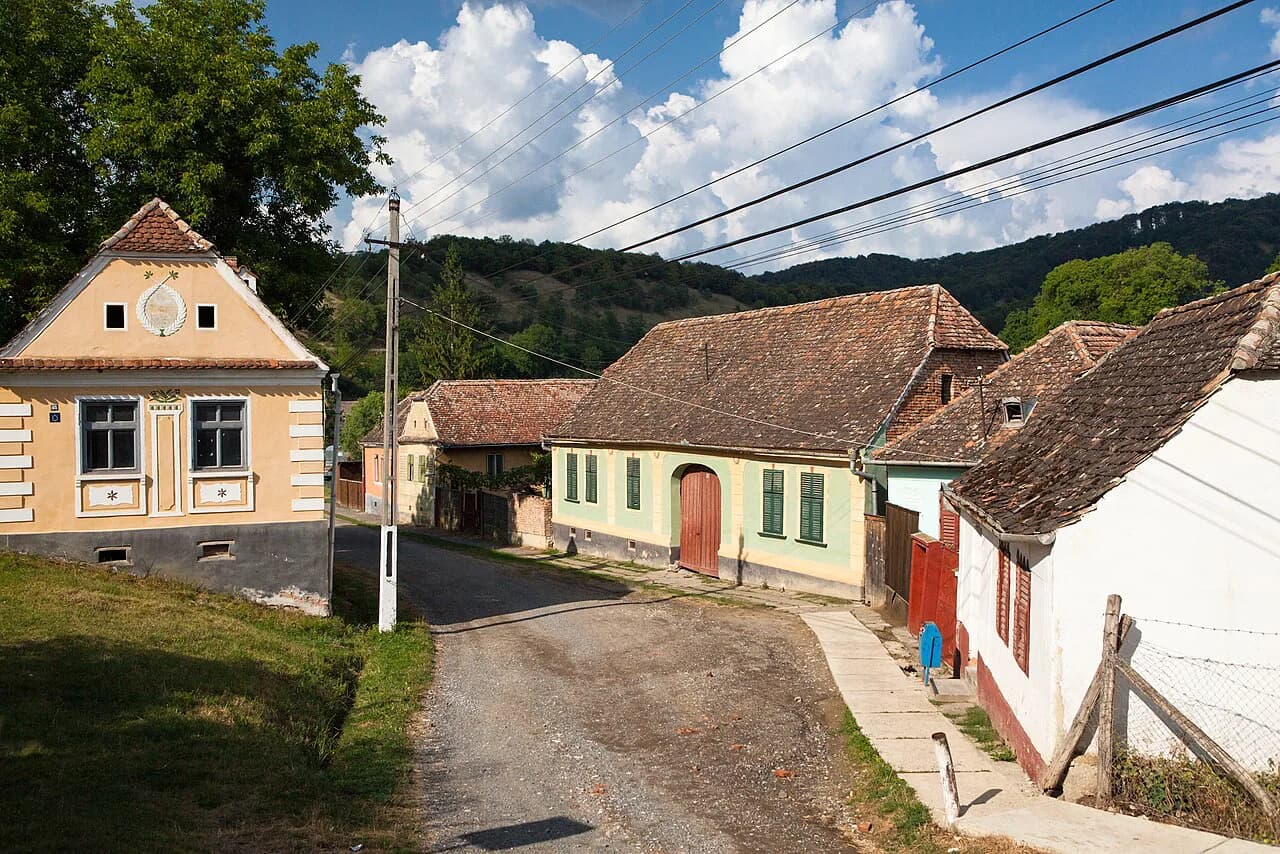
Mălăncrav is a village in Sibiu County, surrounded by forests and rolling hills, and it dates from the early 14th century. The source describes it as today the village with the largest German ethnic population in the region, which is why the Saxon character of the place still reads clearly in the street layout and the farmhouses. Sighișoara is the nearest city, which makes Mălăncrav a natural companion to the town rather than a destination in its own right.
Unlike Viscri or Criț, Mălăncrav belonged to the Apafi family, and its people lived under serfdom until the 19th century. That ownership left a mark on the village fabric: the manor and the church stand close together at the heart of the settlement, and the Apafi and later Bethlen families shaped the buildings around them. Reading the village this way makes the two sights feel connected rather than like separate stops.
The fortified church and what survives of its defences
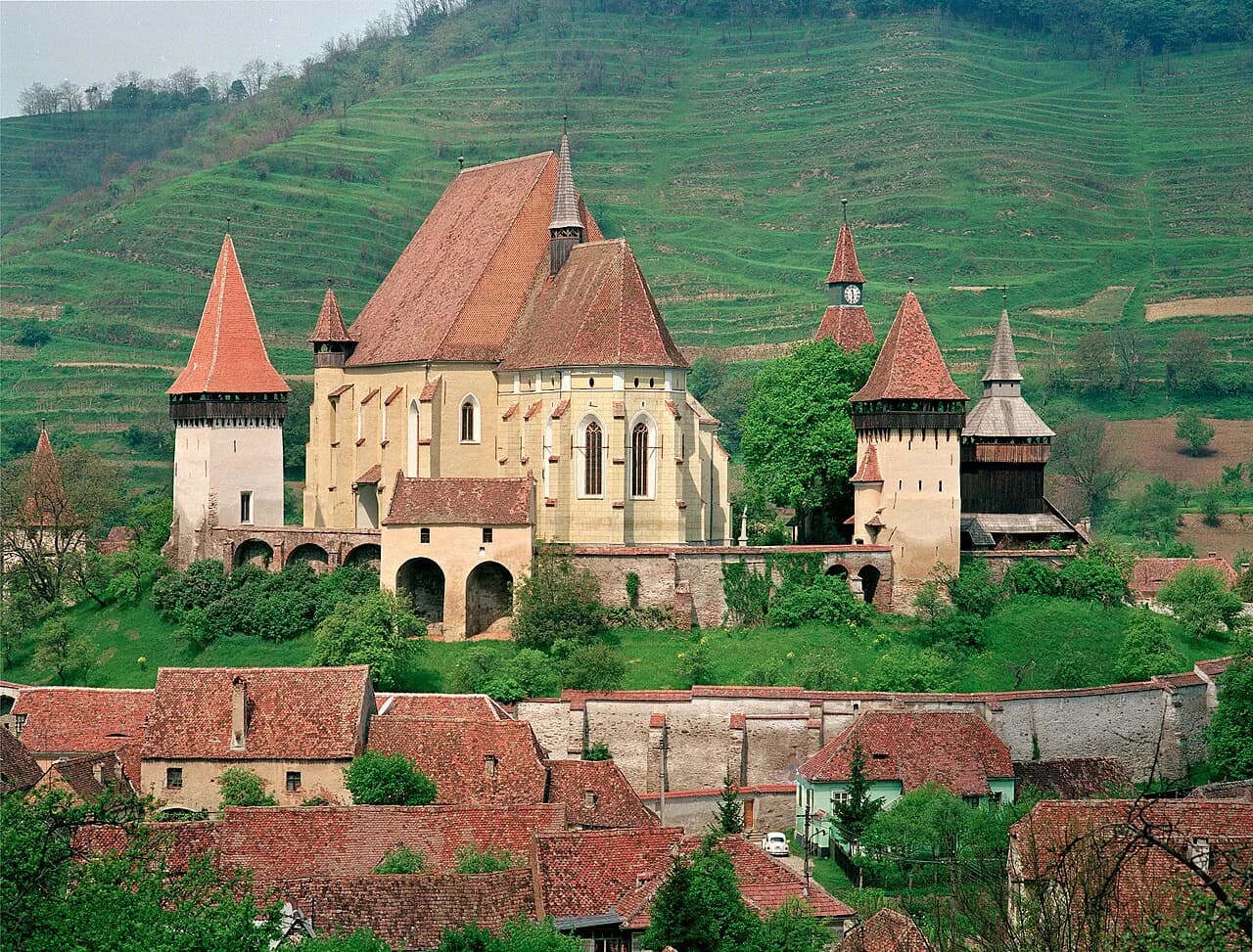
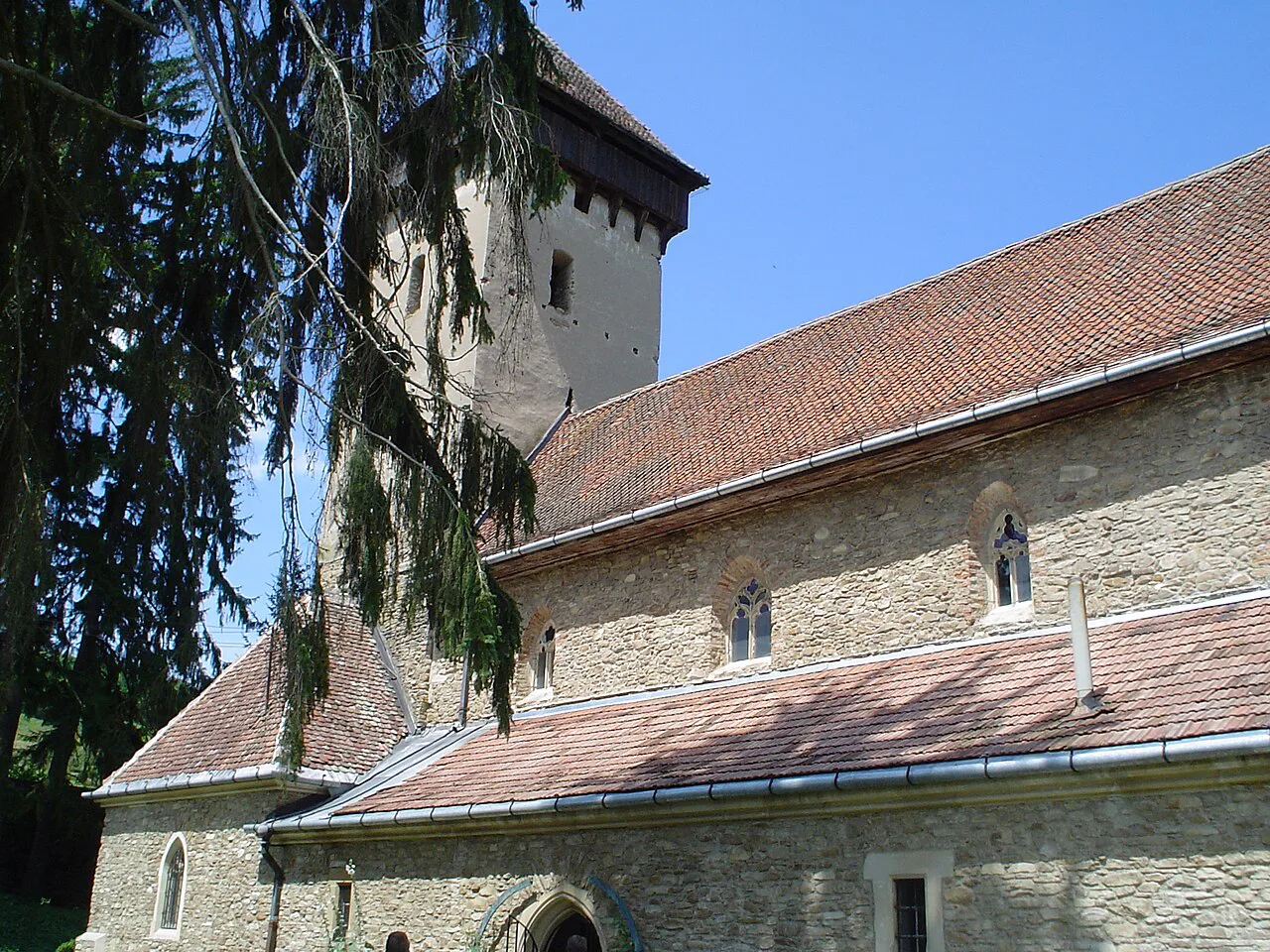
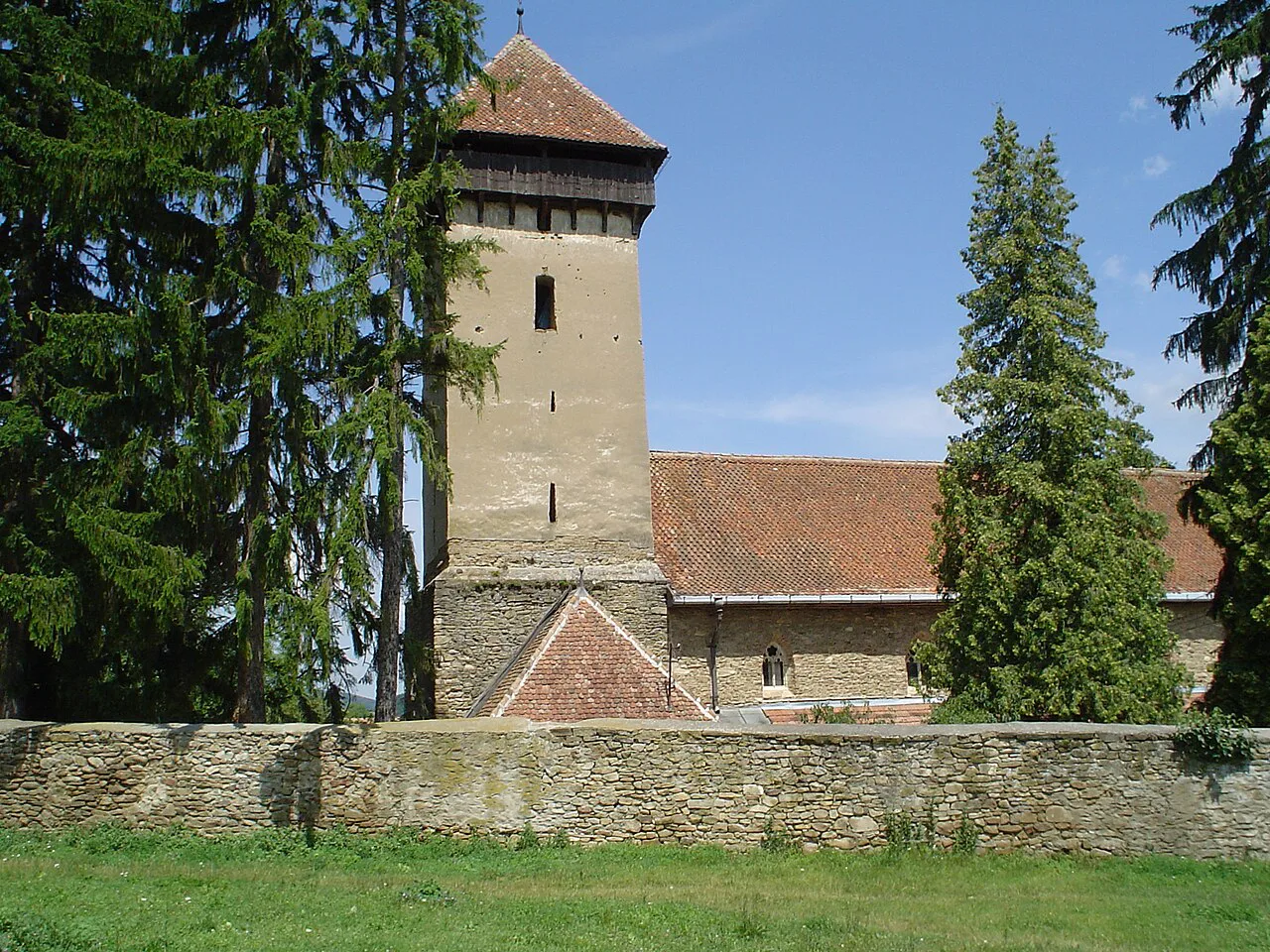
The Evangelical church at Mălăncrav began in the 14th century, and most of its original fortifications are gone. What remains is a church you visit for the interior rather than for complete walls, towers and bastions of the kind that make Prejmer or Biertan such full defensive ensembles. Set your expectations accordingly: this is a village church with an exceptional painted interior, not a fortress circuit.
The building stands a few metres from the Apafi Manor, and the two are easily seen in the same visit. For the wider Saxon heritage of the region, start with our Fortified Churches of Transylvania guide, which explains how the villages and their churches relate to one another.
The frescoes: 20 metres of Gothic painting and 53 Bible stories
The reason to come is the fresco cycle inside the church: around 20 metres of painting carrying 53 Bible stories, covering the interior in a continuous narrative. Pre-Reformation church painting survives in very few places in Transylvania, so a cycle of this extent is the village's draw, and it repays slow looking rather than a quick walk-through. Bring binoculars if you have them, since much of the detail sits high on the walls.
The altar is a separate piece of note, donated centuries ago by Mihai Apafi, and it ties the church interior to the family whose manor stands next door. Comparable painted interiors in the region include the churches at Hărman and Biertan and the Church on the Hill in Sighișoara, all of which reward anyone following frescoes across this part of Transylvania. If painted interiors are your priority, plan the day around them rather than around the villages themselves.
Climbing the tower
Five wooden staircases lead up to the church tower, with a view over the whole village from the top. The climb is manageable for anyone comfortable with Ladders and tight timber stairs; skip it if heights are a problem. The tower adds a vantage point rather than more art.
The Apafi Manor: a guest house, not a museum
The Apafi Manor stands a few metres from the church and was for centuries the property of the Apafi and then the Bethlen families before being confiscated under communism and falling into ruin. The Mihai Eminescu Trust took it over in 2000 with the help of the local community and began restoring it, and the manor has been receiving guests since 2007. It now runs as a five-bedroom guest house rather than a ticketed attraction, so treat it as bookable accommodation.
The restoration used traditional techniques and materials to bring the building back to its 18th-century appearance, with interiors furnished largely with local textiles, lace, furniture and ironwork. Guests book the whole house and yard whether the party is two or nine, so you are not sharing with strangers, and the trust asks guests to note that only one mobile network has coverage in the village and that bottled water is preferable to tap water. Rates are published by the Mihai Eminescu Trust per person per night, with breakfast, lunch and dinner priced separately, so confirm the current figures when you enquire rather than budgeting from an old page.
Book through Experience Transylvania, the trust's booking arm, which also runs a network of traditional guesthouses in villages such as Viscri, Criț, Biertan, Richiș, Florești and Alma Vii. Staying here puts your money into village conservation rather than a city hotel, which is the trade-off: fewer facilities, more atmosphere. Our Viscri: A Guide to the Fortified Church and Saxon Village sets out the alternative if you want a village base with a more heavily visited church.
The manor also arranges local experiences, including bread-making workshops, guided walks through the surrounding forests and hills, and a dinner cooked by shepherds at a nearby sheepfold, booked by email in advance. Those are worth building into an overnight stay rather than a day visit.
Getting there: DN14 and DC26 from Sighișoara
Access is by road: take DN14 and then DC26 from Sighișoara, and the village sits among forests and rolling hills. A car, a bike or a taxi from Sighișoara are the realistic options, and the drive suits anyone already exploring the Saxon villages around the city. Allow extra time for the last stretch, which is on a smaller county road.
Cyclists and walkers can reach Mălăncrav on routes connecting it to nearby villages, including a link to Sighișoara via Stejărenii and Criț. This is a genuine option for fit travellers who want to string villages together without a car, but it commits you to a full day out in variable weather.
How long to allow and what to combine
A few hours covers the church interior, the tower climb and a walk past the manor, which makes Mălăncrav a half-day from Sighișoara with time left for another village. Add a night at the manor if you want the workshops and the walk, and the visit stretches naturally into a slow day. The church has no published opening hours in the sources, so confirm arrangements before you drive out.
Nearby combinations that work well are Sighișoara itself, Biertan with its fortified church, Viscri, Saschiz, Darjiu and Criț. Mălăncrav is also a viable base for longer stays in Transylvania, with cycling and walking routes connecting it to the villages around. If you are building a trip across the region, start with our guide to Transylvania.
Mălăncrav or Biertan? Choosing one fortified church
If you have time for one fortified church in the Sighișoara area, Biertan is the stronger choice for defensive architecture, with its walls and towers, and it lies a short drive from Mălăncrav. Mălăncrav wins on the interior: the fresco cycle inside makes it the better stop for anyone interested in medieval painting rather than fortifications. Seeing both takes a full day by car and gives you the contrast.
Elsewhere in the region, Hărman pairs a fortified church with frescoes in its towers, while Prejmer and Câlnic Fortress show the defensive end of the spectrum. Pick by interest rather than by ticking off villages: two well-seen churches beat five rushed ones.
Is Mălăncrav worth the detour?
Yes, if you are already driving the Sighișoara–Biertan circuit and want a painted interior with a village attached. The combination of the fresco cycle, the tower view and the restored manor gives you a compact visit that does not depend on opening a fortress circuit.
Skip it if this is your only fortified church: choose Biertan for defences and completeness instead, and save Mălăncrav for a second day. Book the manor well ahead if you plan to stay, and confirm church access before setting out.
Explore more Transylvania guides
Frequently Asked Questions
Can you visit the Apafi Manor without staying?
The manor operates as a guest house with five bedrooms, booked as a whole house for parties of up to nine. It is not presented as a museum with a ticket desk, so plan to stay or to see it from outside while visiting the church next door.
Do you need a car to reach Mălăncrav?
A car is the simplest way, using DN14 and DC26 from Sighișoara. Cyclists and walkers can use routes linking the village to Stejărenii and Criț and on to Sighișoara, but a car or taxi from Sighișoara is the straightforward option.
Sources
Useful notes for your next trip
Optional updates to our guides.
You might also like
Continue reading
More guides you'll find useful