Rupea Citadel: Visiting the Hilltop Fortress in Transylvania
A guide to Rupea Citadel, the restored hilltop fortress above the town between Brașov and Sighișoara, with its three enclosures, towers, climb and summit view.
On this page
Rupea Citadel is worth a stop if you are driving the Brașov–Sighișoara corridor and want a hilltop fortress you can walk through. The restored citadel sits on a hill directly above the town of Rupea in Brașov County, visible from miles around on the main road between the two cities. It opened to visitors in 2013 after reconstruction. This guide covers how the fortress is laid out, what the approach on foot is like, what you see from the top and how the visit compares with Făgăraș fortress nearby.
Where Rupea Citadel stands
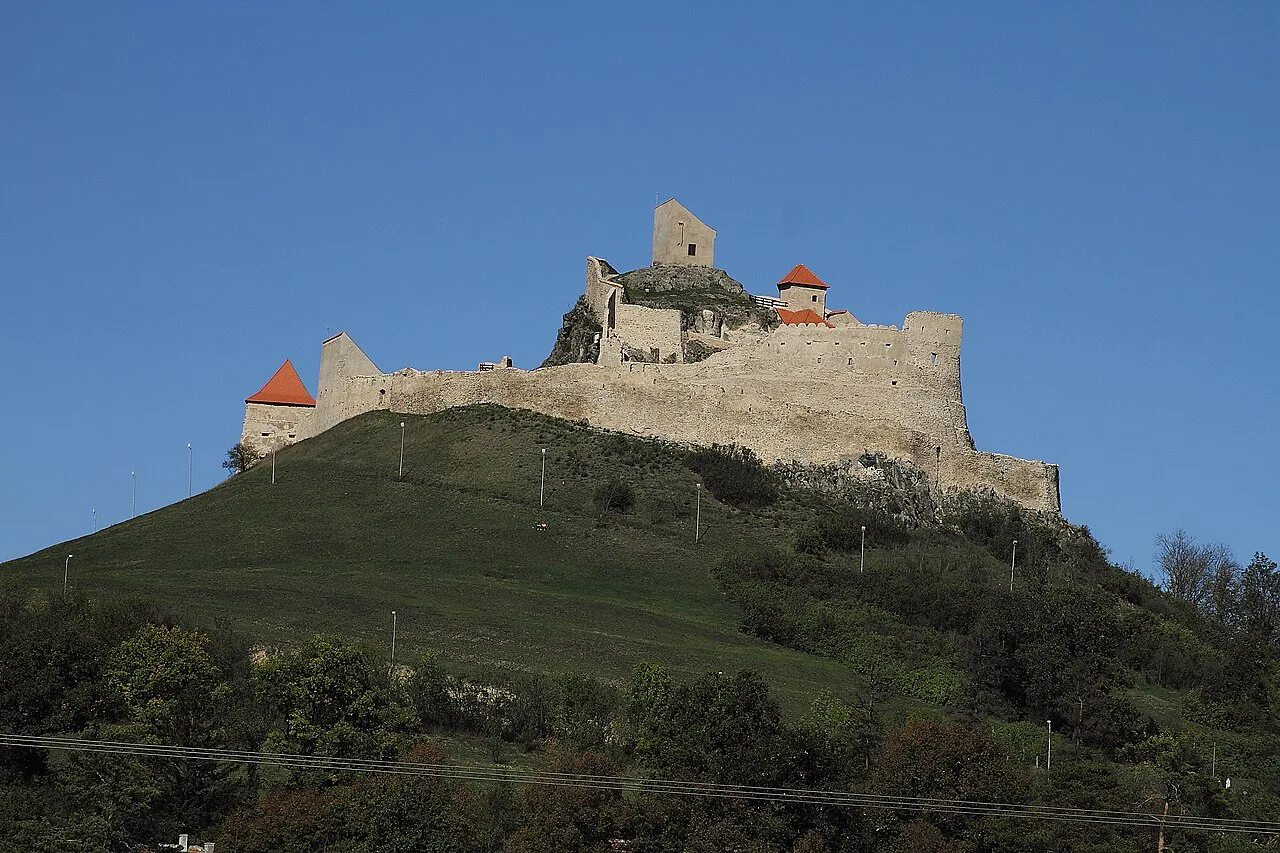
The fortress crowns a hill above Rupea, a small town in Brașov County, and it is hard to miss from the road: the walls and towers are visible for miles in every direction. The town is nationally known for its fortress, and drivers heading between Brașov and Sighișoara pass directly beneath it, which makes it an easy leg-stretch rather than a detour. The town below is ordinary Romanian market-town fabric; the reason to stop is the citadel on the hill, not Rupea itself.
The three enclosures: Lower, Middle and Upper Citadel
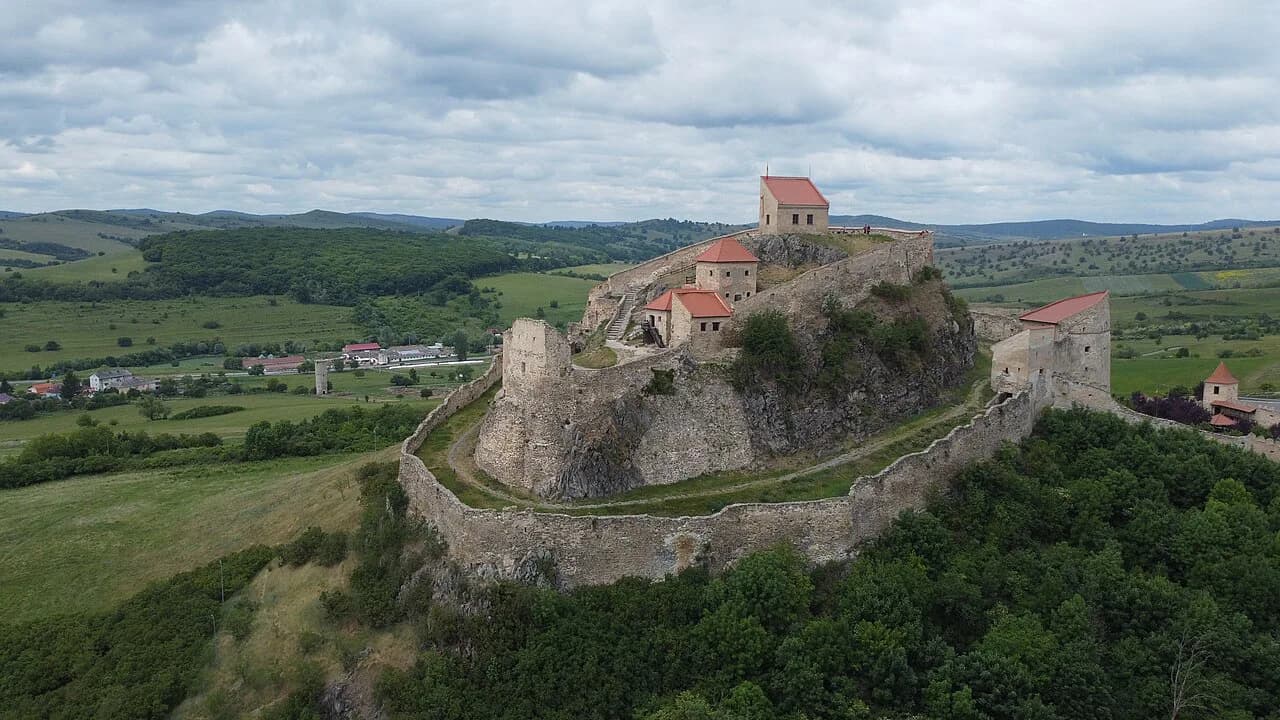
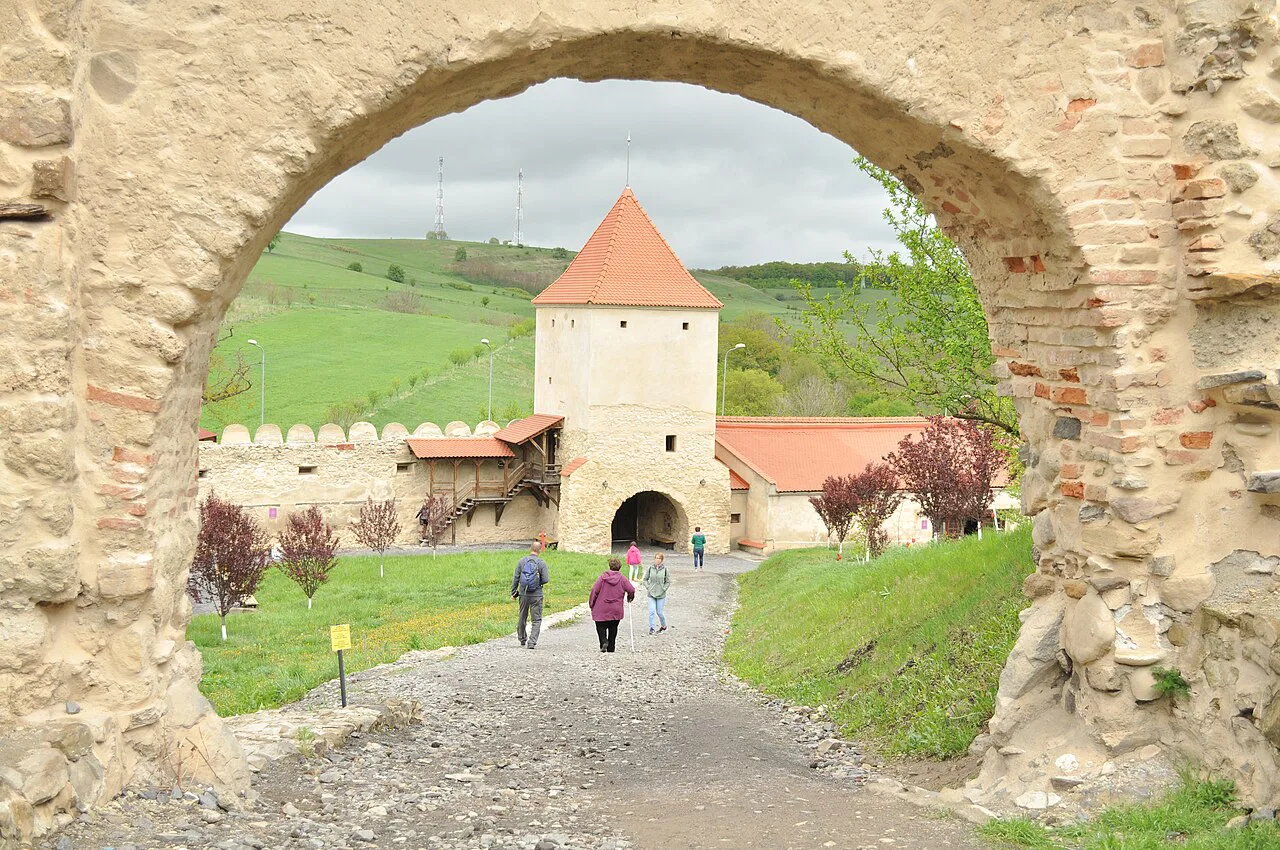
The fortress is organised as three stacked enclosures, named in the material about the site as the Lower Citadel at the bottom, the Middle Citadel above it and the Upper Citadel at the summit. You pass through them in sequence, so the visit unfolds as a climb rather than a single courtyard. The towers of the lower section hold art exhibits, which gives you something to look at between levels.
Because the layout is terraced, budget your energy for the upper sections rather than spending it all in the first courtyard. The Middle Citadel sits between the two and works as a natural pause before the final push to the top. Keep the return leg in mind too: what you climb up, you walk back down.
Towers, walls and what you pass on the way up
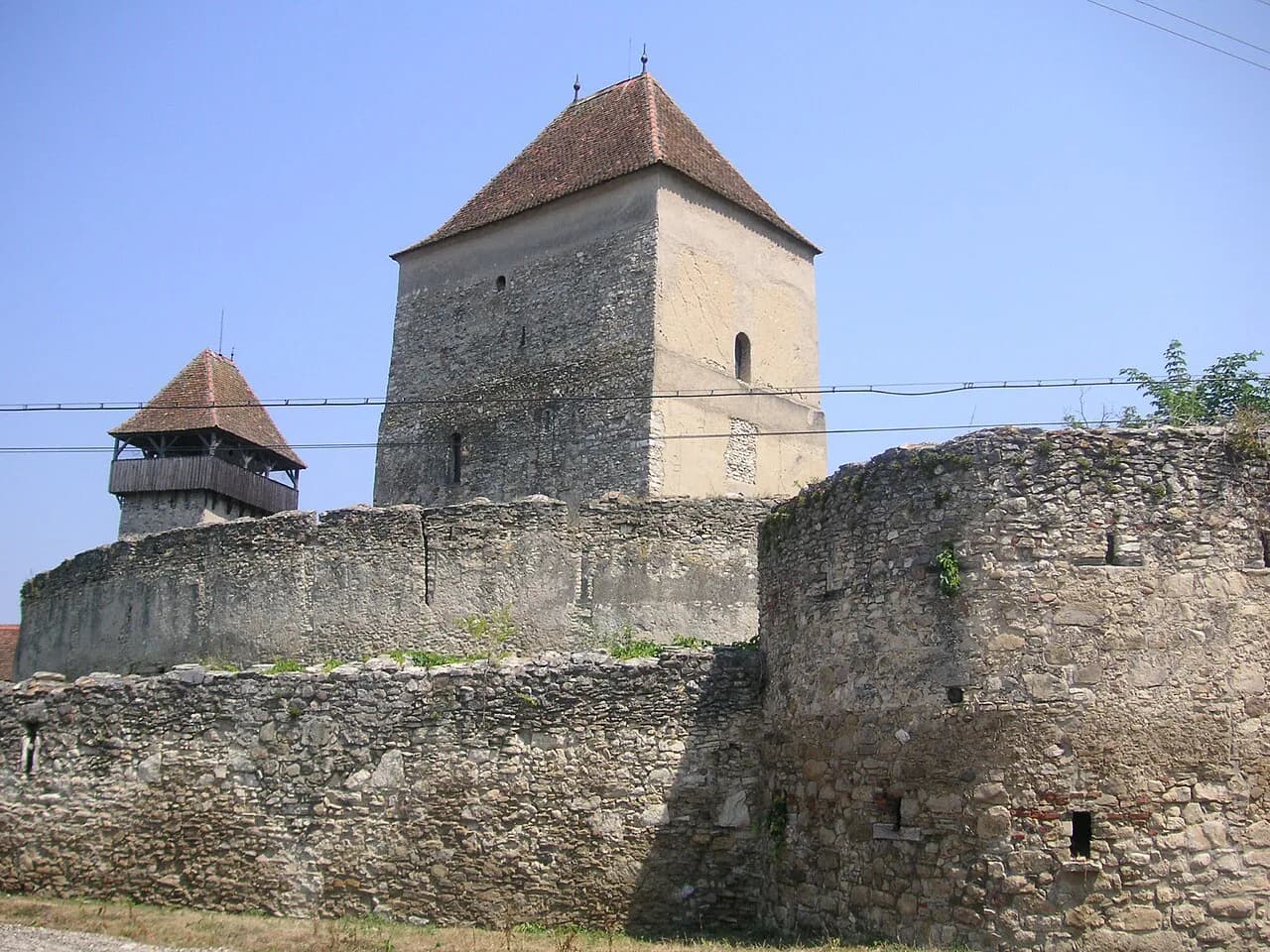
The towers are the most photogenic part of the visit, and the ones in the lower section hold art exhibits rather than standing empty. The walls themselves are the draw: built to defend the surrounding villages, the fortress relied on its hilltop position rather than a moat, unlike Făgăraș. Walking the circuit gives you a sense of how the defences layered up the slope rather than sitting on one flat line.
The climb to the gate
The approach is uphill from the town, so treat it as part of the visit rather than a footnote. The upper sections sit higher than the lower ones, so pace yourself if anyone in your group struggles with sustained inclines, and allow a slower pace and shorter time at the top.
The view from the top
From the Upper Citadel the view opens over the surrounding countryside in every direction, which is exactly why the site was chosen. The citadel is visible from miles around, and the summit is the natural place to take in the panorama before heading back down.
How long a visit takes
The climb, the three enclosures, the towers and time at the top add up, so allow time to walk all three sections without rushing and still stop for photographs. Add more if you want to look properly at the art exhibits in the Lower Citadel towers.
Getting there by car or public transport
By car, Rupea sits on the route between Brașov and Sighișoara, with the citadel visible from the main road. Public transport and local access details change, so check timetables and routes with the local tourism office before you commit. Whichever way you arrive, the final stretch to the gate is on foot.
Rupea town itself
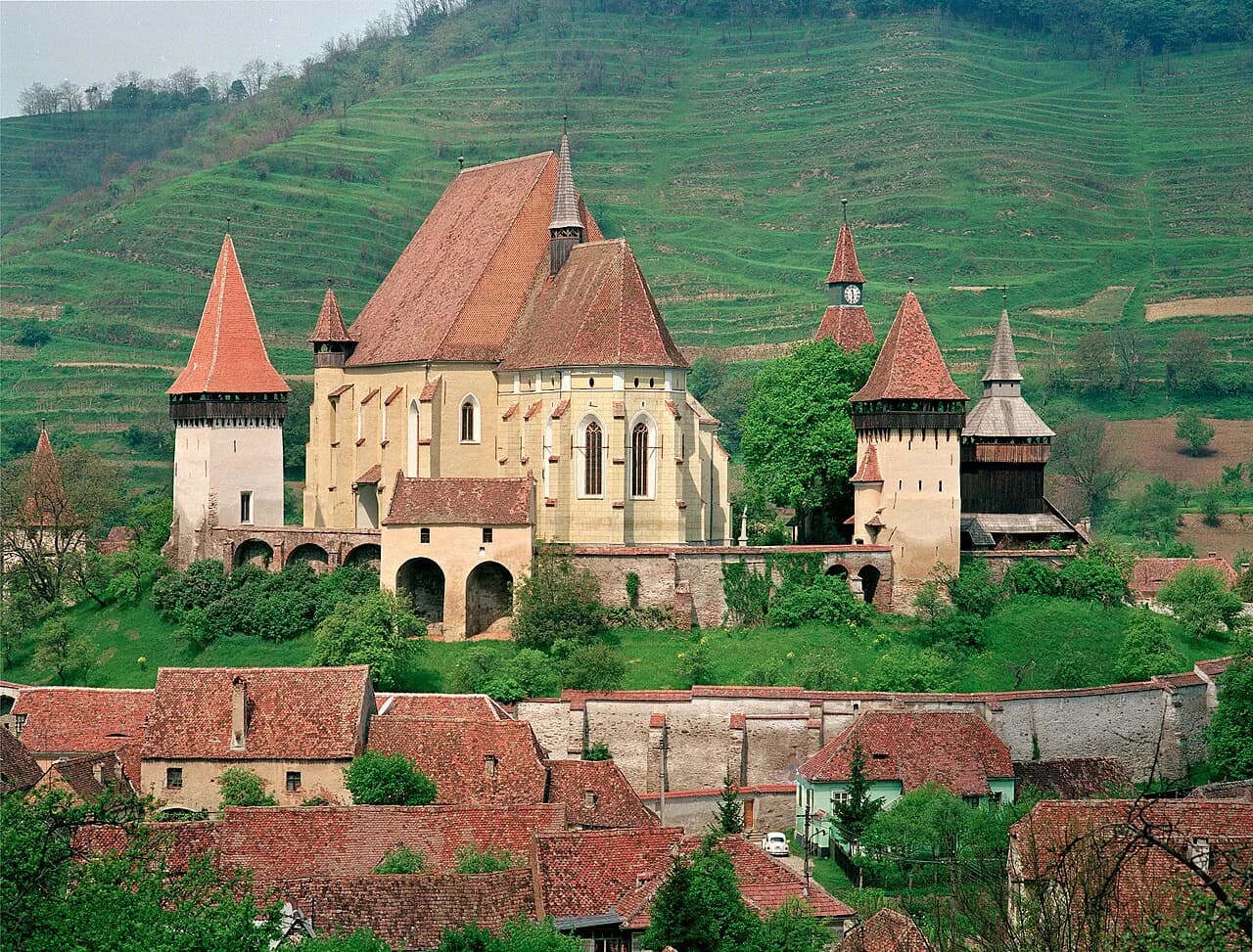
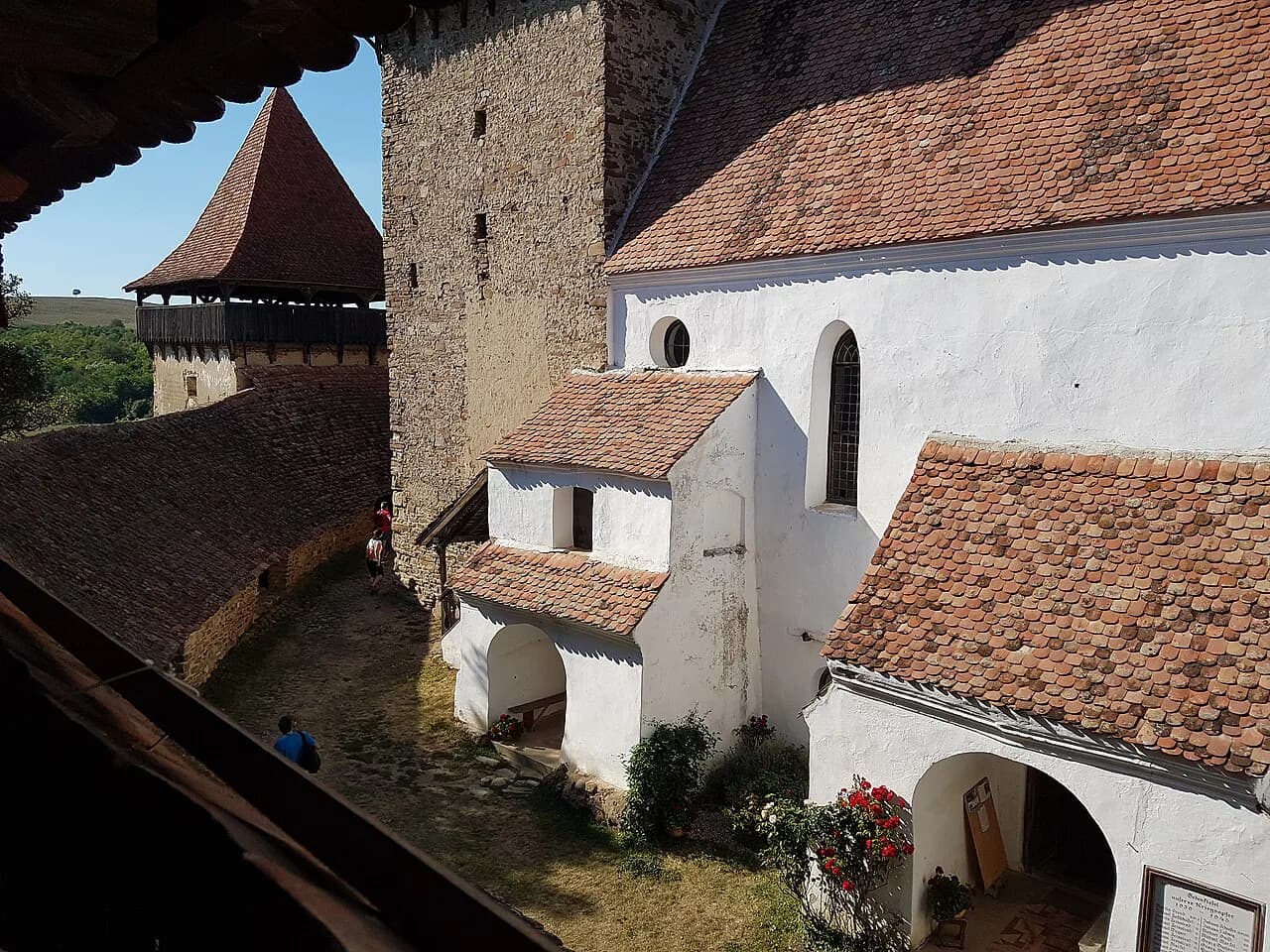
The town below is a working Romanian settlement rather than a preserved Saxon village, and most travellers treat it as a service stop rather than a destination. The Saxons who built the fortress settled across southern Transylvania from the twelfth century, and their fortified churches still stand in villages across the region, including Viscri. The citadel is the reason to pull off the road at Rupea.
Rupea or Făgăraș: which fortress to pick
Făgăraș is the other major fortress in the area and has a moat, which Rupea never needed, perched as it is on a hill above the town. Rupea requires a climb and rewards it with the panorama; Făgăraș is the town fortress reached without a hill climb. Pick Rupea if you have the time and mobility for the hill, and consider Făgăraș if the climb is a problem.
Is Rupea Citadel worth the climb?
Yes, if you are already driving between Brașov and Sighișoara and can spare the time. The three enclosures, the towers and the summit view make it a satisfying leg-stretch, and the climb is manageable for most travellers who take it slowly. Check current opening hours at the gate before you set out.
Explore more Transylvania guides
Frequently Asked Questions
Is Rupea Citadel worth visiting?
Yes, if you are on the Brașov–Sighișoara road and want a hilltop fortress with a proper walk-through and a wide view. It suits travellers with time to spare and reasonable mobility for the climb.
When was Rupea Citadel built?
The fortress was built at least a century before its first written mention in 1324, when it appears in a chronicle as castrum Kuholm. It was reconstructed and opened to visitors in 2013.
Who built Rupea Citadel?
The Transylvanian Saxons built it as a defensive stronghold for the surrounding villages and the Seat of Rupea. The same community later used it during a revolt against the Hungarian crown.
Sources
Useful notes for your next trip
Optional updates to our guides.
You might also like
Continue reading
More guides you'll find useful