Salt Mines in Romania: Which Ones You Can Visit
Salt mines in Romania you can visit, starting with Salina Turda near Cluj-Napoca: what is underground, how the trip works and what to check before you go.
On this page
Salina Turda is the salt mine to plan a Romanian trip around, and it is reachable from Cluj-Napoca. It is the one with a published room-by-room layout, an English site and a ticketing page. This guide covers what going underground involves, how to work Salina Turda into a Cluj or Turda day, and which other mines in the country are worth looking into.
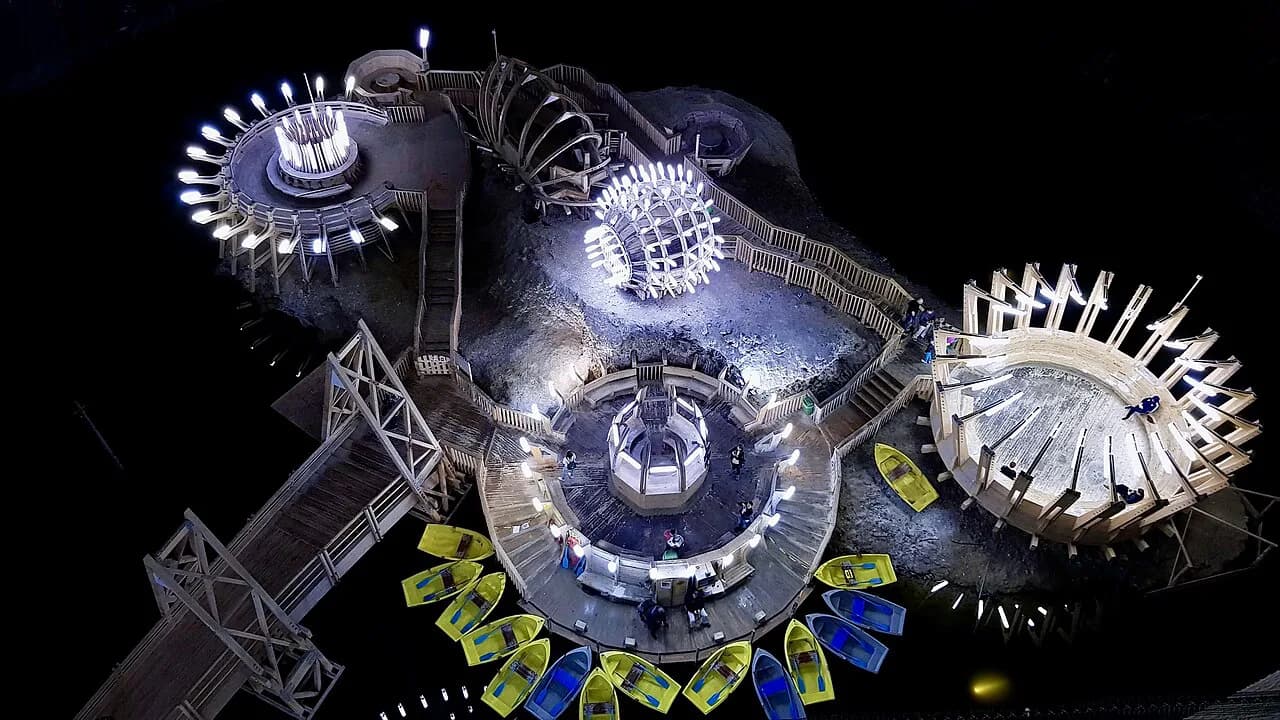
A salt mine visit is not a museum walk. You go down into galleries cut through rock salt, the air stays cool and still, and you come back up the way you went or by a lift where one runs. Salina Turda describes its workings as a place people carved out of the salt left when a sea covering the region evaporated, and that framing is the best preparation: expect an industrial underground space, not a cave.
What a salt mine visit actually involves
Plan for two things underground: a steady cool temperature and a lot of standing. Rock salt holds the cold, so the mines feel chillier than the street above even in summer, and layers you can take off are more useful than a heavy coat. Footwear matters more than fashion, because the floors are uneven and often damp.
Access varies by mine. Before you travel, read each mine's own rules, because they govern what you can carry down, whether prams and large bags are allowed and where photography is restricted. The Salina Turda visitor information sits on its own site, so start there rather than with a blog.
Where Salina Turda sits in relation to Cluj-Napoca
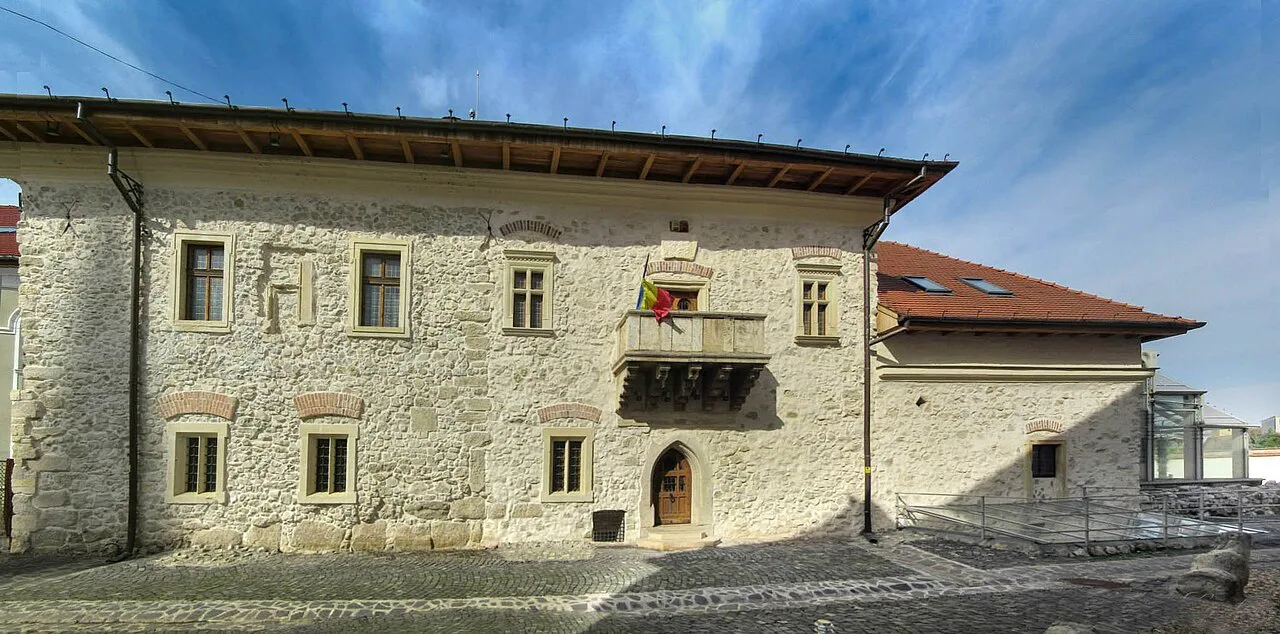
Salina Turda is in Turda itself, in Cluj county, not in Cluj-Napoca. The mine's address is Aleea Durgăului 7, and Turda sits close to Cluj-Napoca, which makes the mine feasible as a half-day from a Cluj city break or as a stop on a drive between Cluj-Napoca and Alba Iulia.
Turda has more than the mine. Salina Turda's own list of local sights includes the Roman Castrum, the Turda History Museum, the grave of Mihai Viteazul, the Calvin Reformed Church and the Șovagăilor Church, plus Cheile Turzii (Turda Gorge) on the edge of town. None of those needs a full day on its own, so pairing one with the mine is the sensible way to fill the time you have.
The rooms inside Salina Turda
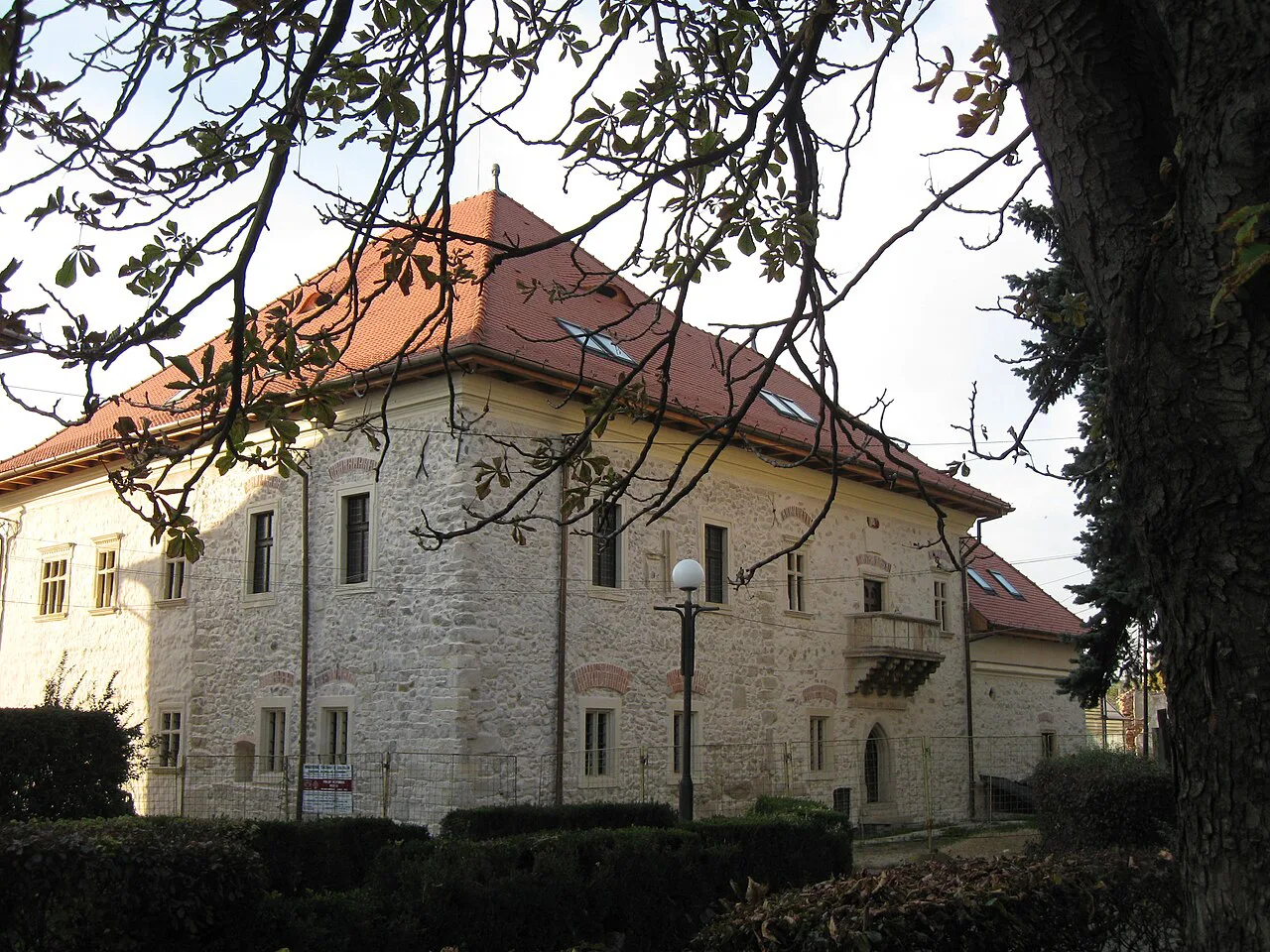
The mine names its own chambers, and knowing them helps you navigate. The Franz Josef Gallery is one gallery, the Rudolf Mine and the Theresa Mine are separate chambers, the Joseph Mine is labelled the Echo Chamber, the Crivac Chamber takes its name from the extraction machinery once used there, and the Extraction Shaft Chamber covers how salt actually came up. Salina Turda's site also lists a Registry Chamber.
Treat the list as a route rather than a checklist. Much of the drama is in the scale and lighting of the larger halls, and the smaller chambers come on the way through. If you are short of time, prioritise the main halls and the gallery, and accept that you will not read every panel.
Gisela, Anthony and the leisure side of the mine
Beyond the historic workings, Salina Turda lists the Gisela Stationary Mine and the Anthony Mine, and a separate recreation area described as an amusement park. There is also Potaissa Spa & Wellness and a didactic swimming pool on the wider site. These are the parts to skip if you have an hour, and the parts to look into first if you want them.
For a short visit, do the underground tour and leave the leisure facilities. The spa and pool are a different kind of outing, so decide before you travel which one you are going for rather than trying to do both.
Tickets, the schedule and turning up on the day
Buy before you go where you can. Salina Turda sells tickets online, so use its own site for current prices in lei and opening days; that, not a blog, is the one to check on the morning of your visit. The Salina Turda tickets page explains how the online booking works and what you need to show at the entrance.
Buying online handles the ticket, not everything else: you still join the entry line, so booking in advance is the safer bet at peak times. Use the mine's own site to confirm opening times before you set out.
How long Salina Turda takes, and when it is busiest
Add time for the entry, the descent and the climb back to your time in the main chambers, and the visit becomes a comfortable half-day from Cluj-Napoca rather than a full-day expedition, especially if you also see a museum or the gorge in Turda.
The underground halls amplify noise, so a quieter slot gives you more room to move. If your dates are fixed, take the earliest slot you can book; if they are not, a weekday is likely to be calmer than a weekend.
The other salt mines worth knowing about
Salina Turda is not the only mine open to visitors, and the others suit different trips. Salina Praid in Harghita County is the one to look at if you are travelling through Székely Land; read up on salina Praid before committing, because the visitor experience and facilities differ from Turda's.
In Moldavia, the cacica salt mine in Suceava County is the one to research if you are basing yourself around the painted monasteries. In Wallachia, salina Ocnele Mari near Râmnicu Vâlcea is a third option. Check opening days and access for both on the day, because the smaller mines run to their own schedules and facilities.
Slănic Prahova is a separate mine with its own official site, and it is the one to check if you are coming from Bucharest rather than Cluj. Use that site for times, tickets and access instead of relying on secondhand summaries. Beyond these, many salt deposits in Romania are working, flooded or closed, and are not visitor attractions at all.
Salt mines, salt caves and salty lakes
A salt mine is a worked excavation, and the Durgău Salty Lakes at Turda are something else again: surface lakes on the edge of town, listed by the mine operator among the local landmarks. They are a separate place, not an underground extension of the mine. Do not book a mine ticket expecting to swim.
The same distinction applies elsewhere. A salt cave, where one exists, is a natural cavity rather than a mine, and the two get confused in casual descriptions. If a place is advertised as a cave, check who runs it and what is actually underground before you set off, because the experience and the safety rules differ.
The air underground and salt therapy claims
Salina Turda's own material presents the underground environment as a natural source of health, and some visitors go for that reason. Treat those claims as the mine's description of the place rather than medical advice, and speak to a doctor if you are considering underground air for a health condition. Halotherapy is a related practice, but it does not turn a mine visit into treatment.
Combining a mine with castles and fortified churches
Turda works well as one leg of a Transylvania driving loop. From Cluj-Napoca you can reach the mine, then carry on towards Alba Iulia and the Saxon villages. The mine is the indoor, weather-proof stop in a trip that is otherwise mostly outdoors.
If you are basing in Brașov rather than Cluj-Napoca, choose a mine that cuts your driving rather than adding to it. Praid fits a Székely Land loop better than a Brașov one. Choose the mine that matches your base instead of forcing a long transfer for an underground hour. Those same days out of Brașov lend themselves to the Carpathian Mountains, where the region's ranges and bases are worth planning alongside your underground stop.
What to wear and carry underground
Wear layers, closed shoes with grip, and nothing you mind getting dusty. Carry water, because the walk back up is real exercise if you take the stairs. Leave large bags behind if you can, and check the mine's regulations for what is prohibited before you queue, since rules are enforced at the entrance rather than inside.
Photography is the other thing to plan. The big halls are the shots people want, and they are also the most crowded spots, so take them early in your walk rather than on the way out. Large equipment may need permission, and Salina Turda's rules are the ones that apply.
Salina Turda and Slănic Prahova compared
The choice between them comes down to your base. Salina Turda sits beside Cluj-Napoca and Turda town, with a documented set of chambers and a leisure complex attached. Slănic Prahova is the one to look at from Bucharest; check its official site for current visitor information and compare access and travel time before you pick.
Both are underground visits with cool air and stairs, and neither is a casual stop on a whim if you are arriving late in the day. Book the earlier slot, check each mine's own opening days, and let the transfer decide the mine rather than the other way round.
Which salt mine should you book?
For most travellers on a Cluj-Napoca city break, the answer is Salina Turda: book online, take an early slot and skip the spa unless you have a second day. Read the Salina Turda tickets page for how booking works before you fix your dates.
If you are based in Bucharest, look at Slănic Prahova instead. If you are travelling through Moldavia or Wallachia, the smaller mines at Cacica and Ocnele Mari are the ones to research. Whatever you pick, confirm the current opening days and prices before you travel.
Explore more Romania guides
Sources
Useful notes for your next trip
Optional updates to our guides.
You might also like
Continue reading
More guides you'll find useful