Botiza, Maramureș: a village guide to its church and weaving
Botiza is a Valea Izei village in Maramureș with a wooden church, a separate monastery and a weaving tradition. What to see and how to reach it by car or bus.
On this page
Botiza is worth visiting if you want a Maramureș village where a wooden church and a separate monastery sit close together, rather than a single monument you tick off and leave. It is in Maramureș county in the north-west of Romania, near Sighetu Marmației and Vișeu de Sus, and the village itself is the attraction, with wooden buildings and a slow rural rhythm. This guide separates Botiza's wooden church from Mănăstirea Botiza and gives honest advice on transport, timing and fitting Botiza into a wider Maramureș route.
What Botiza is and where it sits in Maramureș
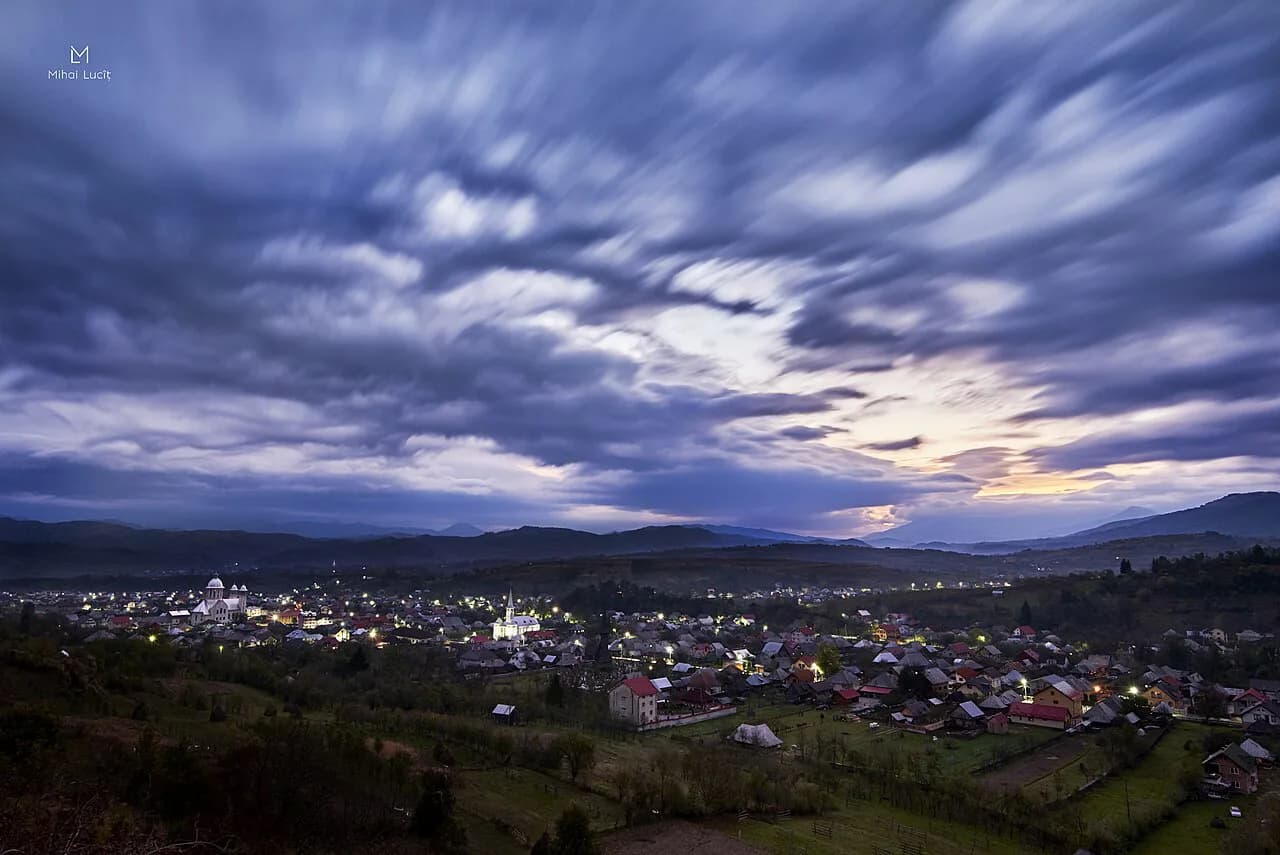
Botiza is a village in Maramureș county, in the north-west of Romania, on the Valea Izei. The valley road links it with Ieud to the west and the wider Iza valley villages that make up the rural heart of the region. Maramureș is a distinct cultural region where wooden construction, small farms and old customs have remained part of daily life, and villages here still have their own farms, livestock and working land. For an overview of the region and how its villages relate to one another, start with the Maramureș guide.
The nearest larger towns are Sighetu Marmației and Vișeu de Sus, with Baia Mare further west. Ieud, a village on the same valley, is a natural companion stop because it has its own UNESCO-listed wooden churches and a village museum. Botiza has no station of its own, so treat it as a place to arrive by road and explore on foot.
Botiza's churches: the wooden church and the monastery
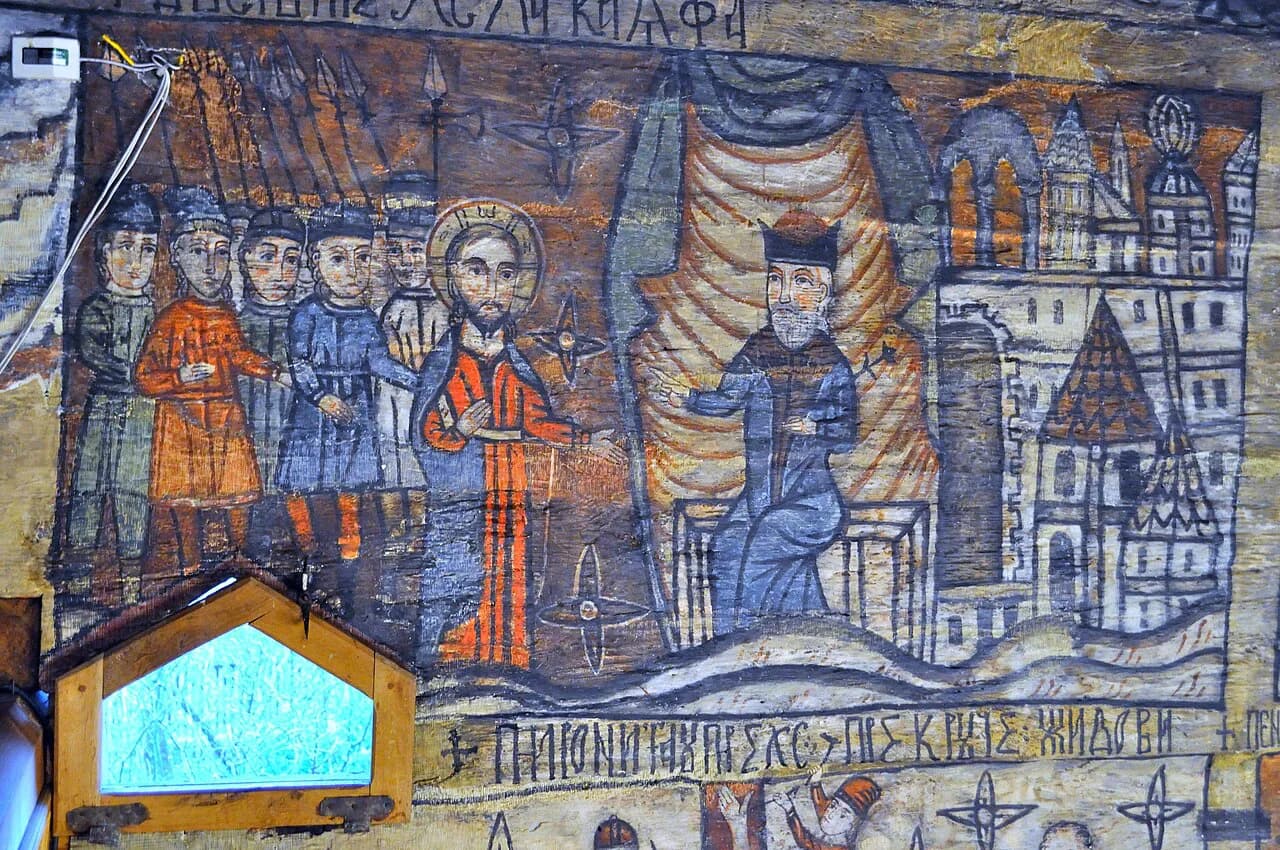
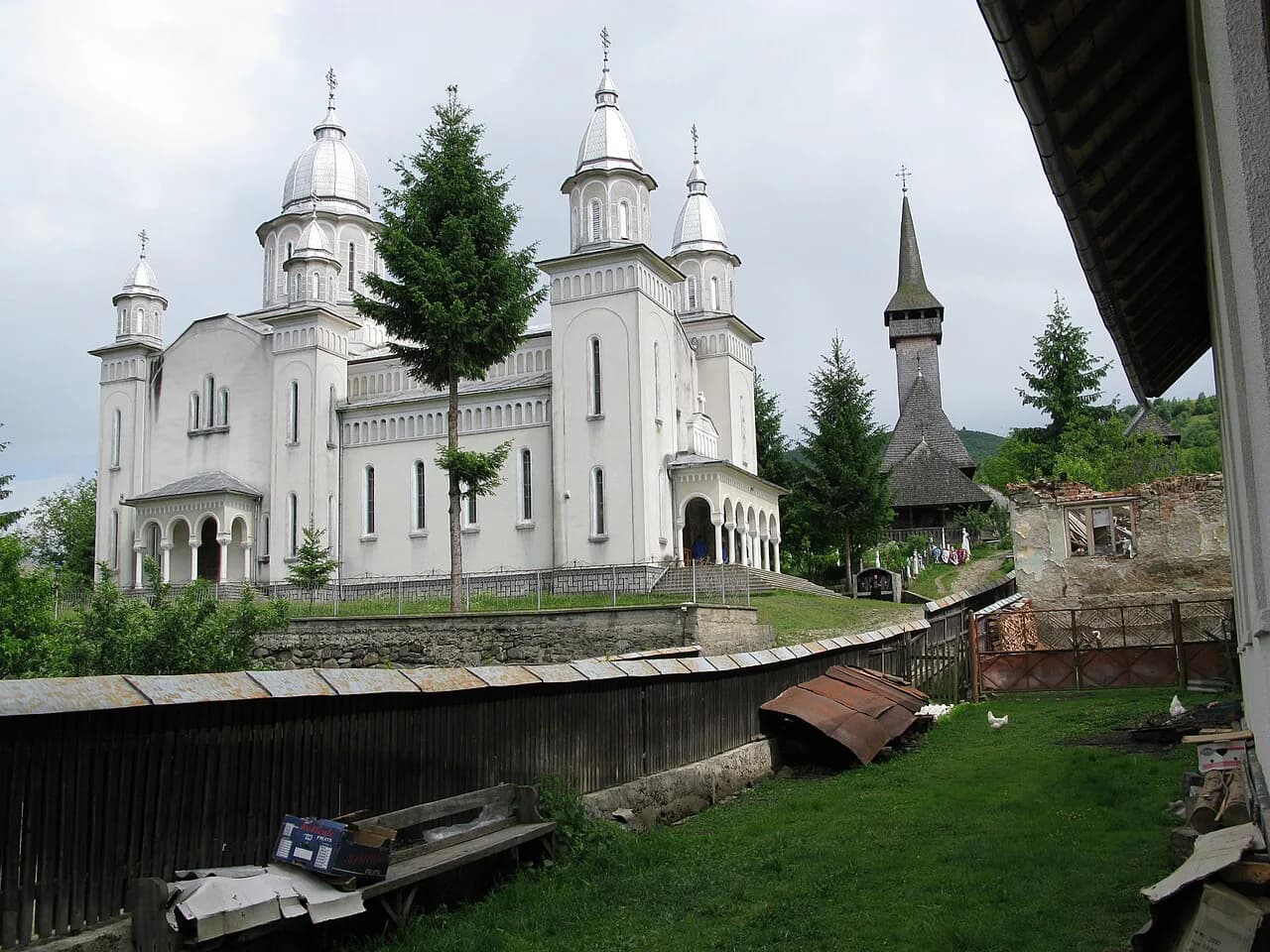
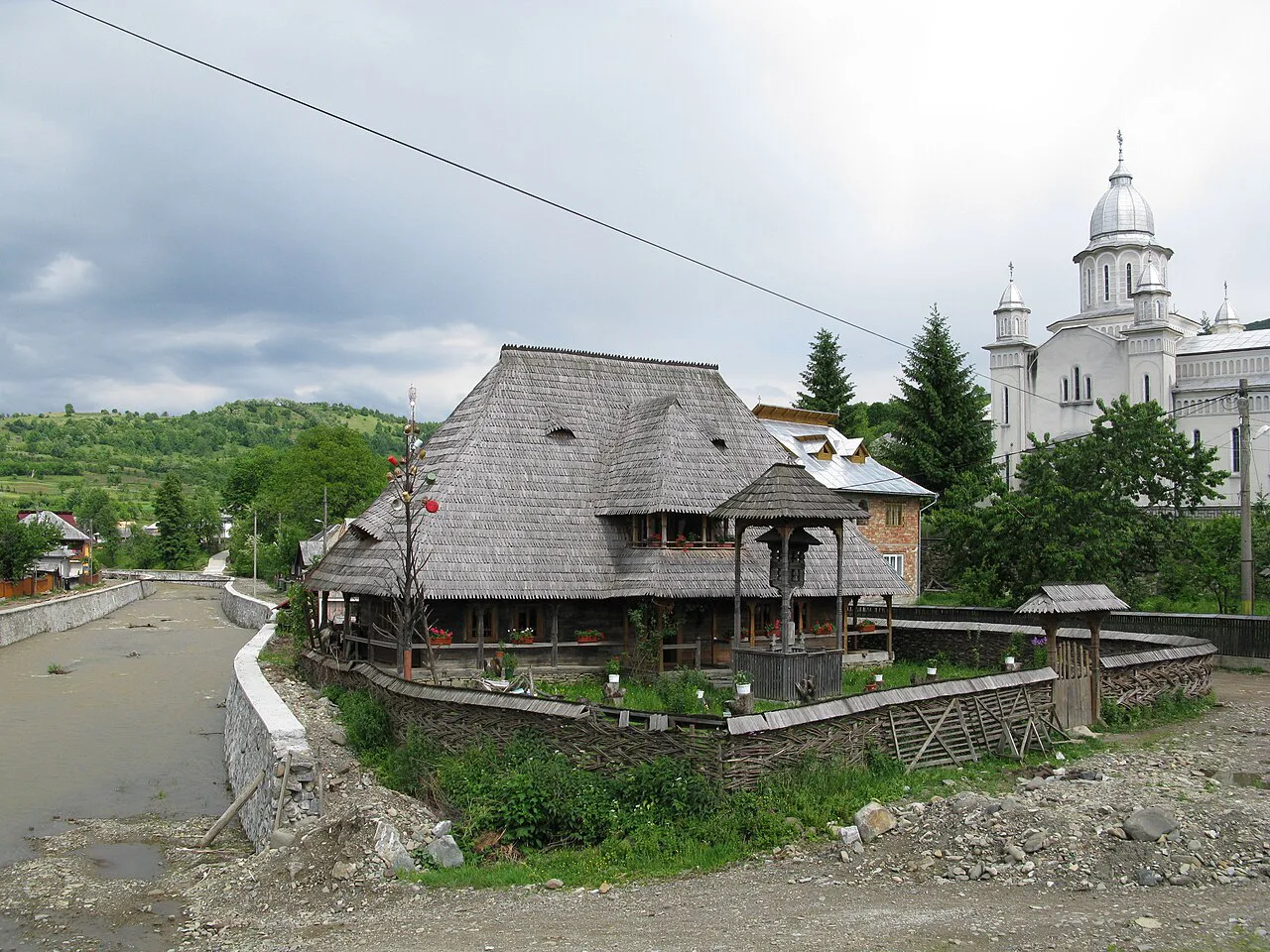
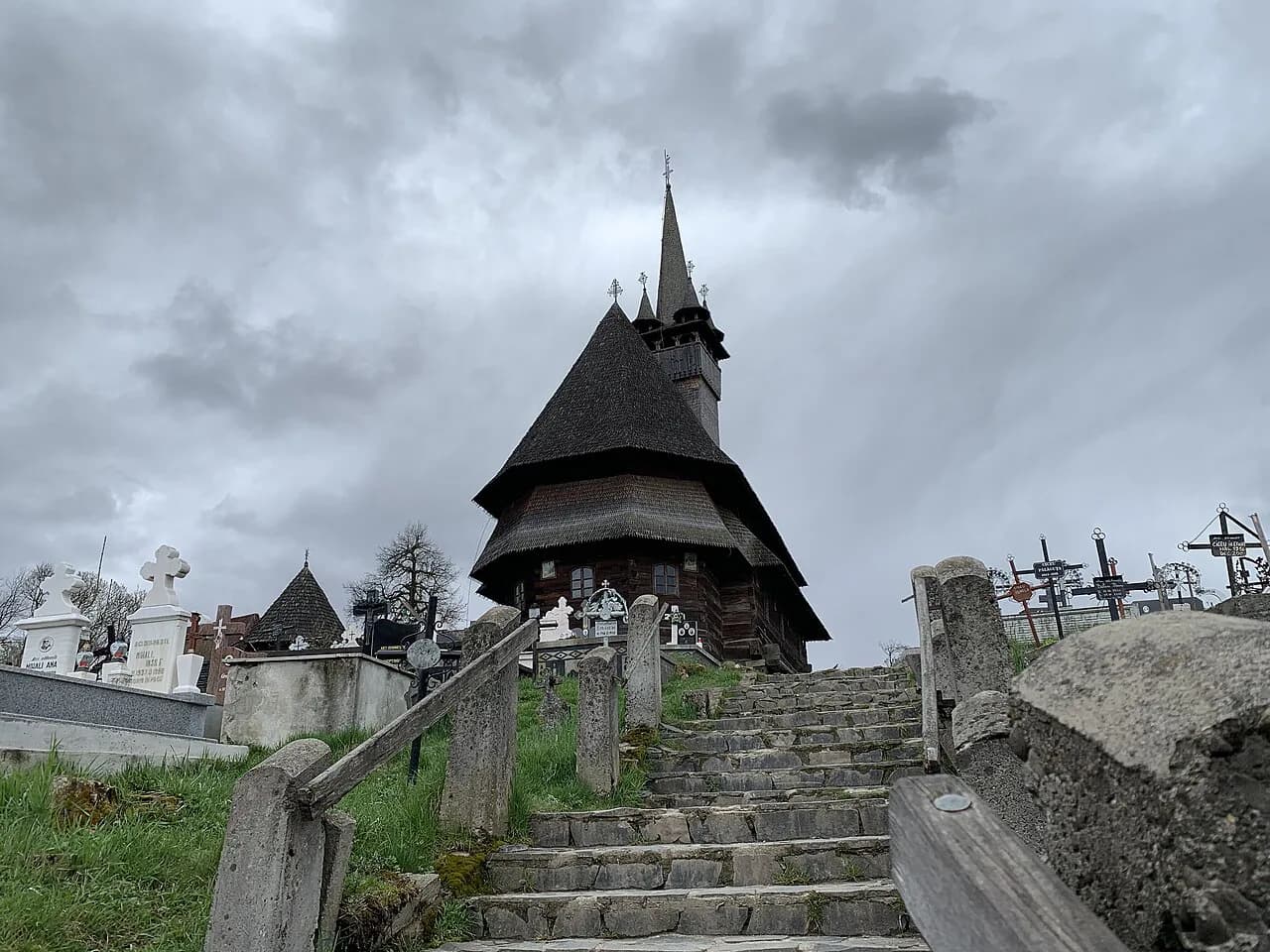
Botiza has two religious buildings that are easy to confuse. The village's wooden church is the timber-built structure typical of the region, while Mănăstirea Botiza is a separate monastery complex built in the traditional style from 1991 onwards. If you arrive expecting one building and find two, that is the reason. The monastery is a convent and monastery in Botiza, and it is the newer of the two.
The wooden churches of Maramureș are the region's signature buildings: tall towers, roofs in two levels covered with shingles and joinery that holds the structure together without nails in the older examples. There are around 100 wooden churches in Maramureș, most of them Orthodox, and eight of them are on the UNESCO World Heritage List: Budesti Josani, Desesti, Barsana, Poienile Izei, Ieud Deal, Surdesti, Plopis and Rogoz. Botiza's wooden church belongs to that wider tradition even though it is not one of the eight listed. To understand the style before you arrive, read the guide to the wooden churches of Maramureș.
Şurdeşti, about 20 km from Baia Mare in the Chioar region, is one of the UNESCO-listed churches and a useful comparison if you are touring the wooden churches by car. It was built in 1721, has a tower 54 m tall and interior murals painted in 1783. Seeing one of the listed churches alongside Botiza's own helps you read the differences in scale and detail.
Village crafts and traditional work
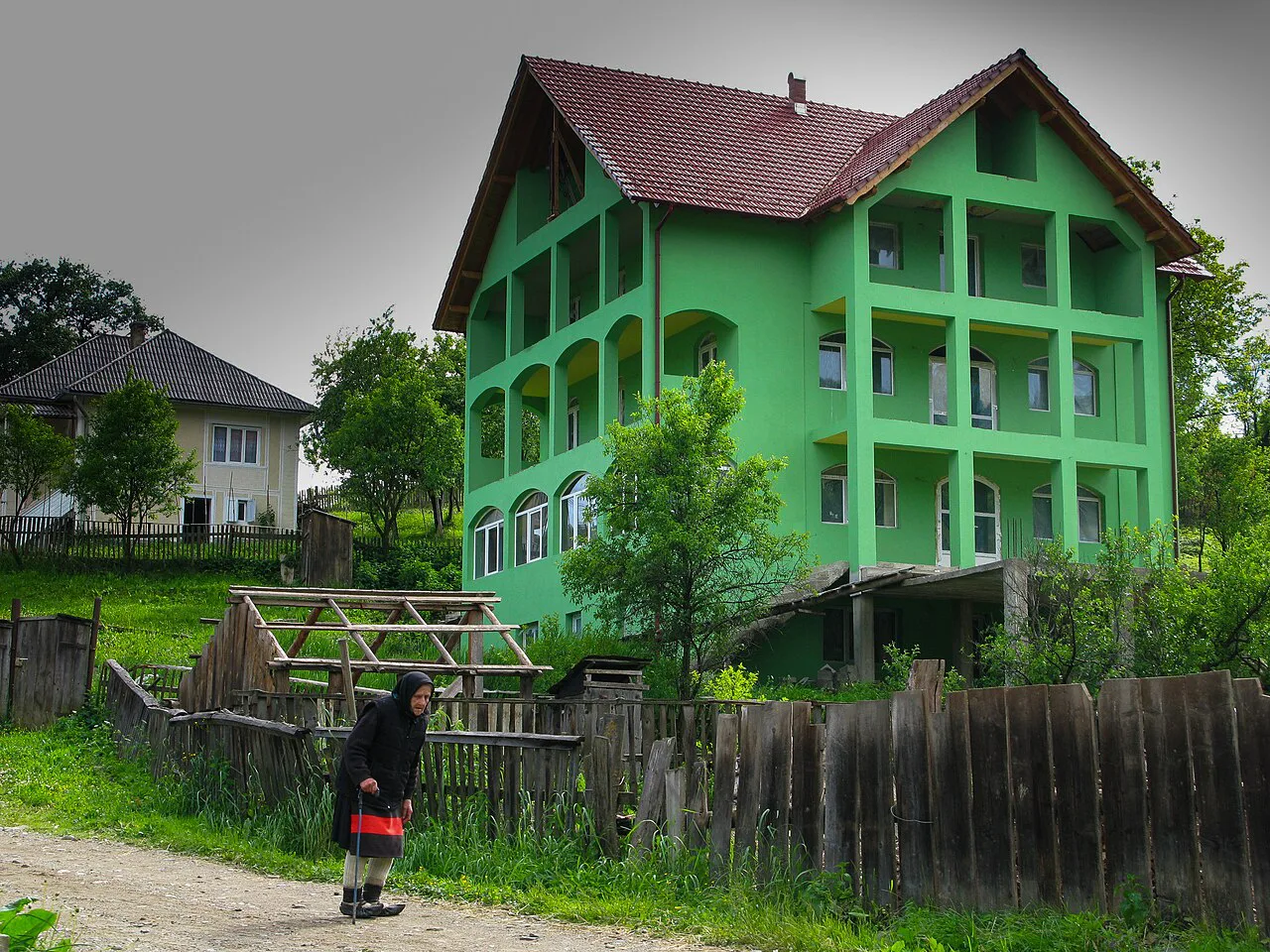
Botiza is a working Maramureș village rather than a museum piece. In the region, traditional crafts are part of ordinary life, with people working land and forest and making what they need; the tour operator's Maramureș overview notes the local tradition of traditional crafts alongside village life. Plan to spend time in the village looking at the buildings and lanes rather than rushing through.
What you can see or buy in any village workshop changes from visit to visit. Ask in the village or at your accommodation rather than relying on a fixed schedule. If crafts are your main reason for coming, allow more time in Botiza and less at the bigger monastery sites.
Old houses and rural life in the village
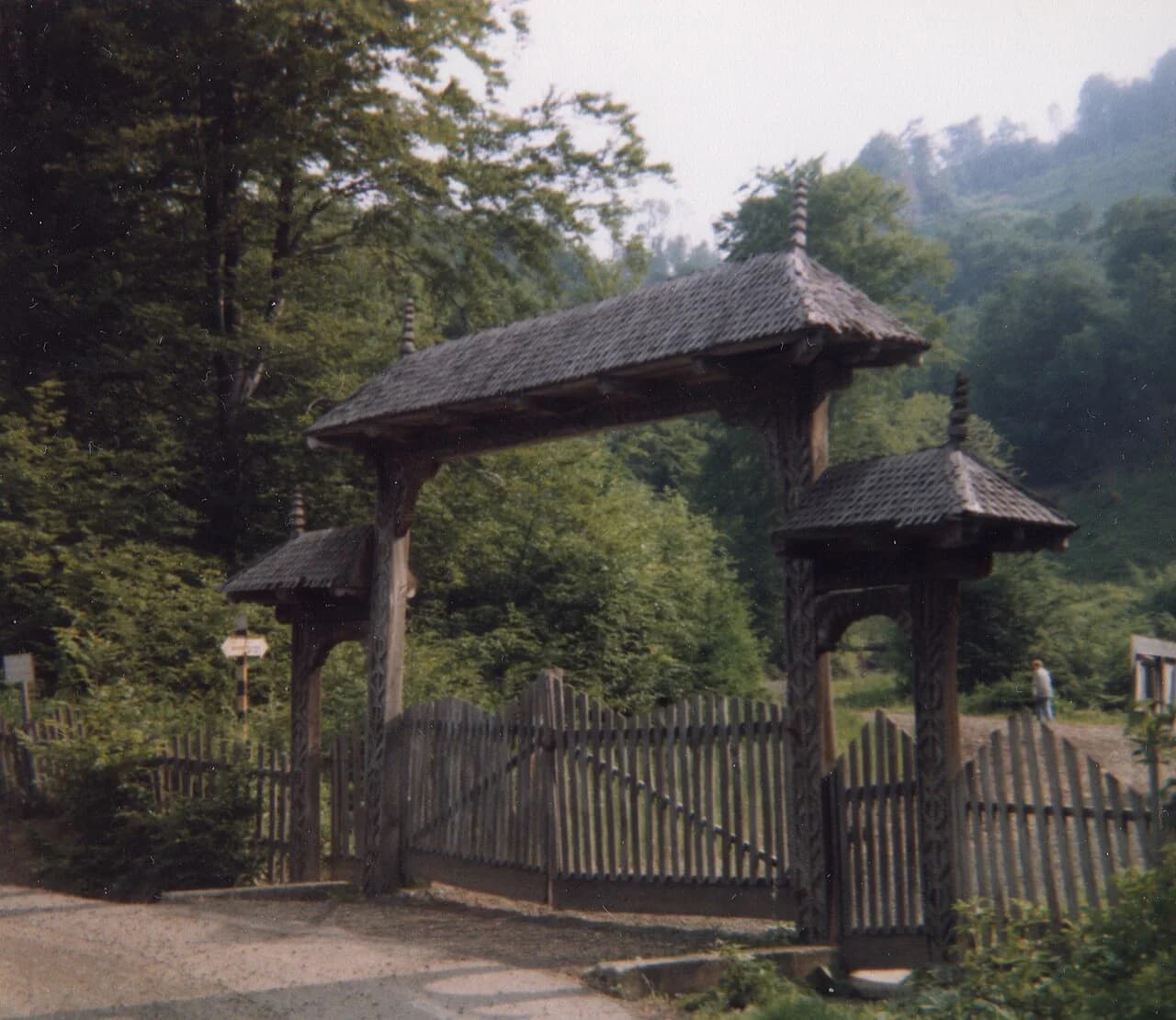
Botiza's old houses sit along the lanes, and the wider region has the carved wooden gates and shingled roofs that mark Maramureș villages. In the bigger villages, some wooden houses are being replaced by larger modern buildings, but remote places still keep the original style. Walk the village lanes slowly and you will see more than you would by driving through.
Ieud, a short drive west on the Valea Izei, has a village museum and two wooden churches: Biserica din Deal, a UNESCO-listed church from the 17th century, and Biserica din Șes, built around 1712. The village also has weaving, distillery and carpentry workshops where you can see traditional work. That makes Ieud a useful half-day companion to Botiza on the same valley road.
How to get to Botiza: car, bus and nearest rail access
Botiza is a car-first village. The easiest approach is by road from Sighetu Marmației or Vișeu de Sus, following the Valea Izei. If you are relying on public transport, buses serve the Iza valley villages, but timetables and route numbers vary, so confirm locally before you set out. There is no train station in Botiza itself. For the towns at either end of the valley, see the guide to Sighetu Marmației.
From Baia Mare, the drive into Maramureș takes you through the Chioar region, where Șurdești and Plopiș sit close together. If you are coming from that direction, pair Botiza with the wooden churches around Baia Mare. For a map view of Botiza and its position on the valley road, use a mapping app before you leave.
When to go: seasons and driving conditions
Allow half a day for Botiza if you want to see the wooden church and Mănăstirea Botiza and walk the lanes. A full day lets you add Ieud and still drive back before dark. Botiza works best as part of a Valea Izei loop rather than a standalone trip. If you are building a wider Maramureș itinerary, the valley villages, Sighetu Marmației and the Mocănița steam train from Vișeu de Sus all sit on the same road network.
Nearby villages in the same valley, such as Bârsana with its monastery, Budești and Desești, are worth adding if you have a car. Bârsana Monastery is a wooden complex in the traditional style and a well-known site in the region, so it draws more people than Botiza. If you want quiet, put Botiza earlier in the day and the larger sites later.
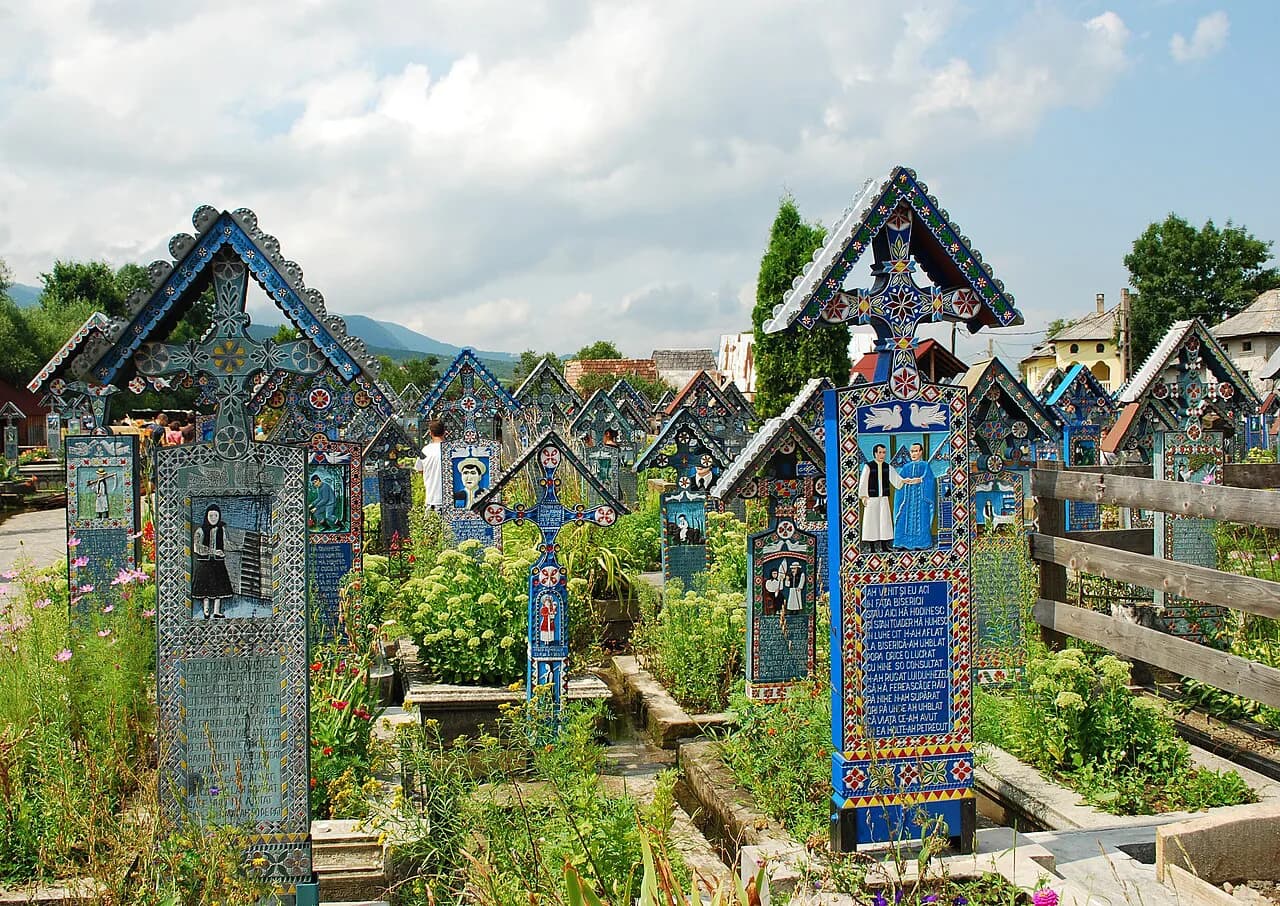
For a different kind of Maramureș stop, the Merry Cemetery (Cimitirul Vesel) at Săpânța is south of Sighetu Marmației and pairs naturally with a valley route. Its painted crosses and carved epitaphs are a contrast to Botiza's churches. Allow time for the drive between the two.
When to go: season and typical weather
Maramureș has cold winters and warm summers, and the valley villages are at their most accessible by road from spring to autumn. Summer brings the most reliable driving conditions and the longest days for exploring the lanes. Winter can make the valley roads and village lanes harder to navigate, especially after snow. Check a current forecast before you travel.
Practical points before you set off
Botiza has no large-scale visitor infrastructure. There are no published opening hours or ticket prices for the wooden church or Mănăstirea Botiza that the sources for this guide record, so ask locally or at your accommodation. Bring cash in lei for small purchases, and expect limited English in the village. If you are visiting several wooden churches, ask about entry arrangements when you arrive. To compare Botiza with the villages around it, read the guides to Breb, Budești and Desești before you plan your route.
Is Botiza worth the detour?
Botiza earns its place on a Maramureș route if you want a working village rather than a museum piece. The wooden church and Mănăstirea Botiza give you two buildings to compare, the weaving gives you a reason to linger, and the Valea Izei setting puts Ieud and the wider valley within easy reach. Go by car if you can, allow half a day, and treat the village lanes as the main attraction.
Explore more Maramures guides
Frequently Asked Questions
Is Botiza worth visiting?
Yes, if you want a Maramureș village with a wooden church and a separate monastery close together, plus the chance to see village crafts and old houses. It suits travellers who prefer a slower village stop to a tick-box monument visit.
Do you need a car to get to Botiza?
A car is the most practical way to reach Botiza. Buses serve the Iza valley villages, but timetables vary, so confirm locally before you rely on public transport.
Is there a train station in Botiza?
No, Botiza has no train station of its own. The nearest rail access is via the larger towns in Maramureș, from where you continue by road or bus.
Sources
Useful notes for your next trip
Optional updates to our guides.
You might also like
Continue reading
More guides you'll find useful