Budești, Maramureș: Wooden Church, Old Houses and How to Get There
Budești in Maramureș is a village of old wooden houses and a wooden church. Here is what to see, how the village is laid out and how to reach it.
On this page
This guide covers the Maramureș Budești, not the other Romanian places with the same name. It explains the church and what is inside it, the houses and workshops on the street, and how to reach the village by car or public transport.
To avoid confusion with the town hall and commune of the same name, check that any route or booking names Maramureș county as well as the village.
What Budești is and where it sits in Maramureș
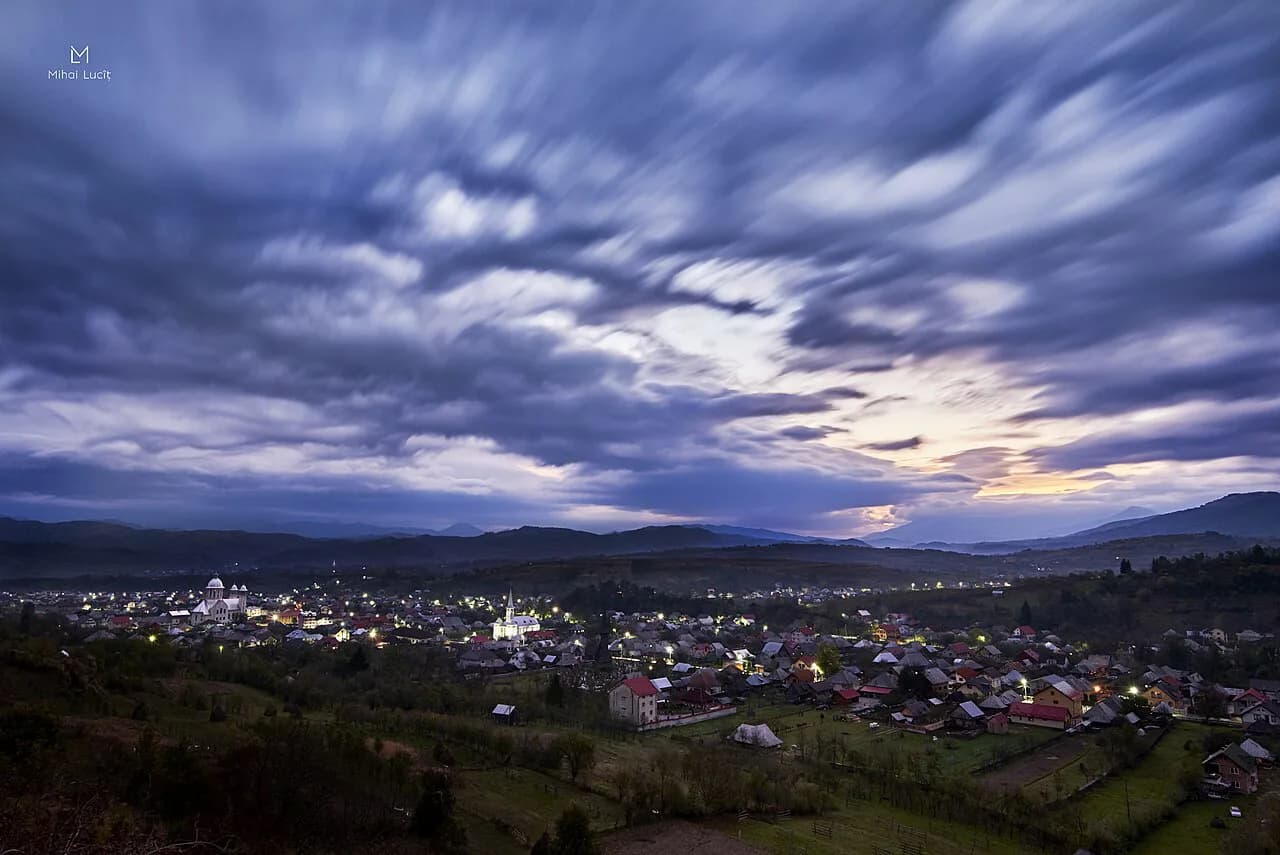
Budești is one of the villages scattered across Maramureș county in northern Romania, the region whose settlements are strung along river valleys between Baia Mare and Sighetu Mămăției. It is a lived-in village rather than a museum, so the church, the gates and the yards sit on a working street.
The village sits in the part of Maramureș where wooden churches, tall carved gates and timber houses are the ordinary fabric of the street. If you are building an itinerary around that architecture, read the wider guide to the wooden churches of Maramureș before you pick which villages to include.
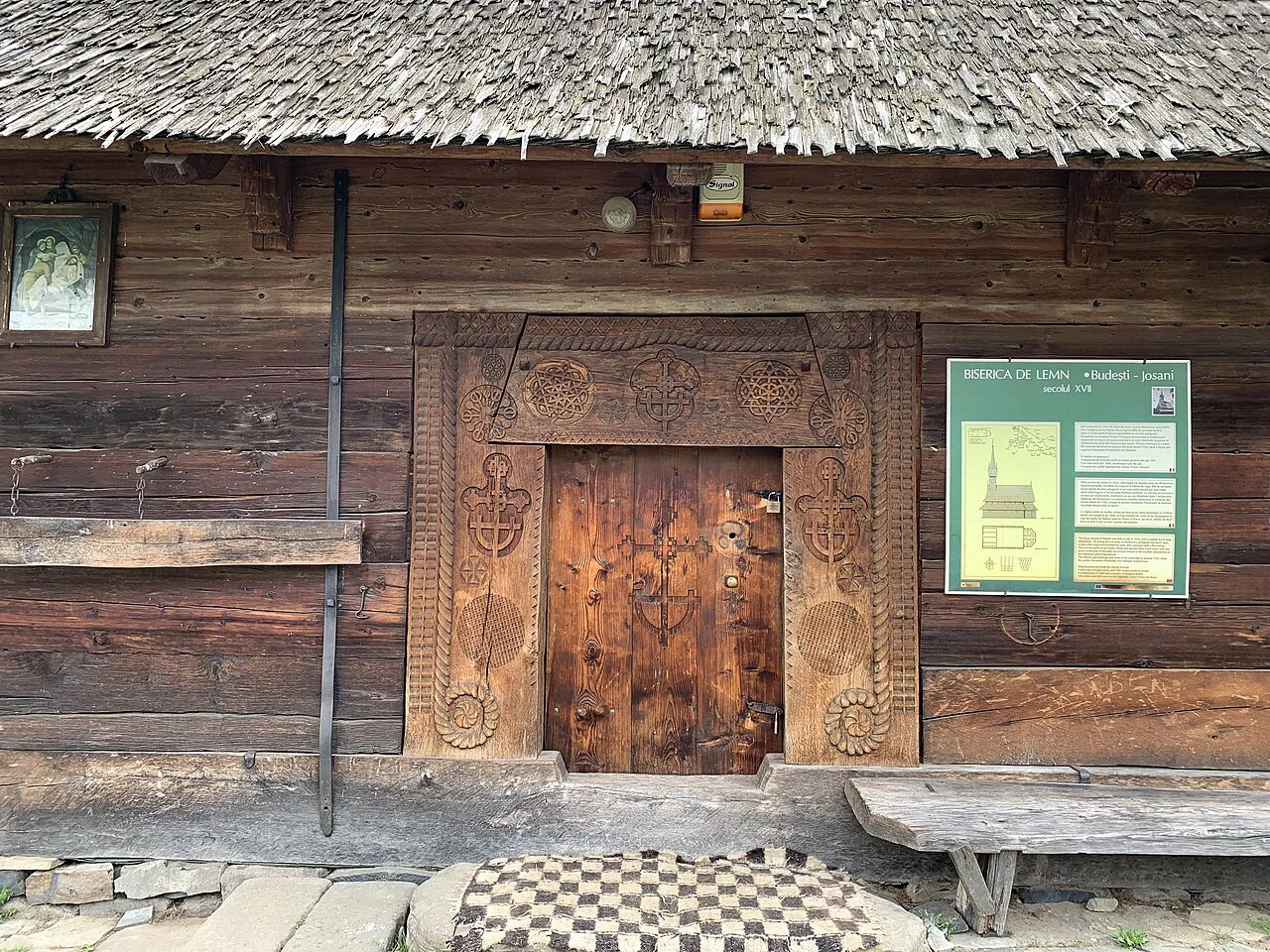
Which Budești: Maramureș, Călărași and Vâlcea
Romania has several settlements called Budești and they are hundreds of kilometres apart, so a search for the name can land you on a town hall, a map or a bus route for the wrong one. The Maramureș village in this guide is the one with the wooden church and the carved gates.
The town of Budești in Călărași county, south-east of Bucharest, publishes its own town hall information, including address, telephone and email, at Strada Gării 12.
Budești in Vâlcea county is a commune made up of the villages Barza, Bârsești, Bercioiu, Budești (the seat), Linia, Piscu Pietrei and Racovița, and it is a completely different place from the Maramureș village. Check the county as well as the name before you set a route or book anything.
If you are searching for local tax or property information and land on the Călărași or Vâlcea pages, the Maramureș village is not the one you want. The residents' records office in Budești, Călărași, for example, handles identity documents for a population of about 7,100 people, which tells you quickly that you are on the wrong page.
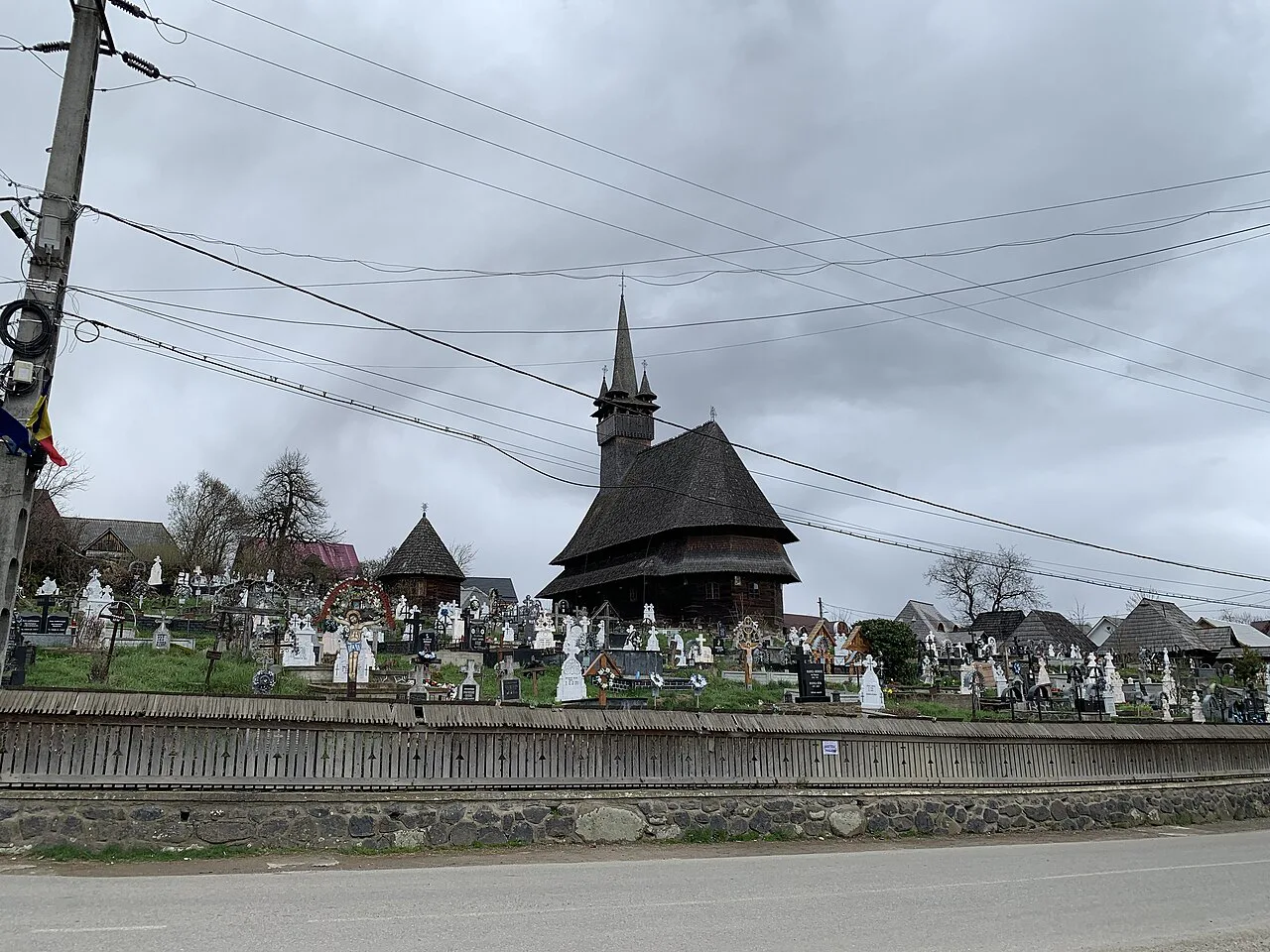
The wooden church and what you see inside
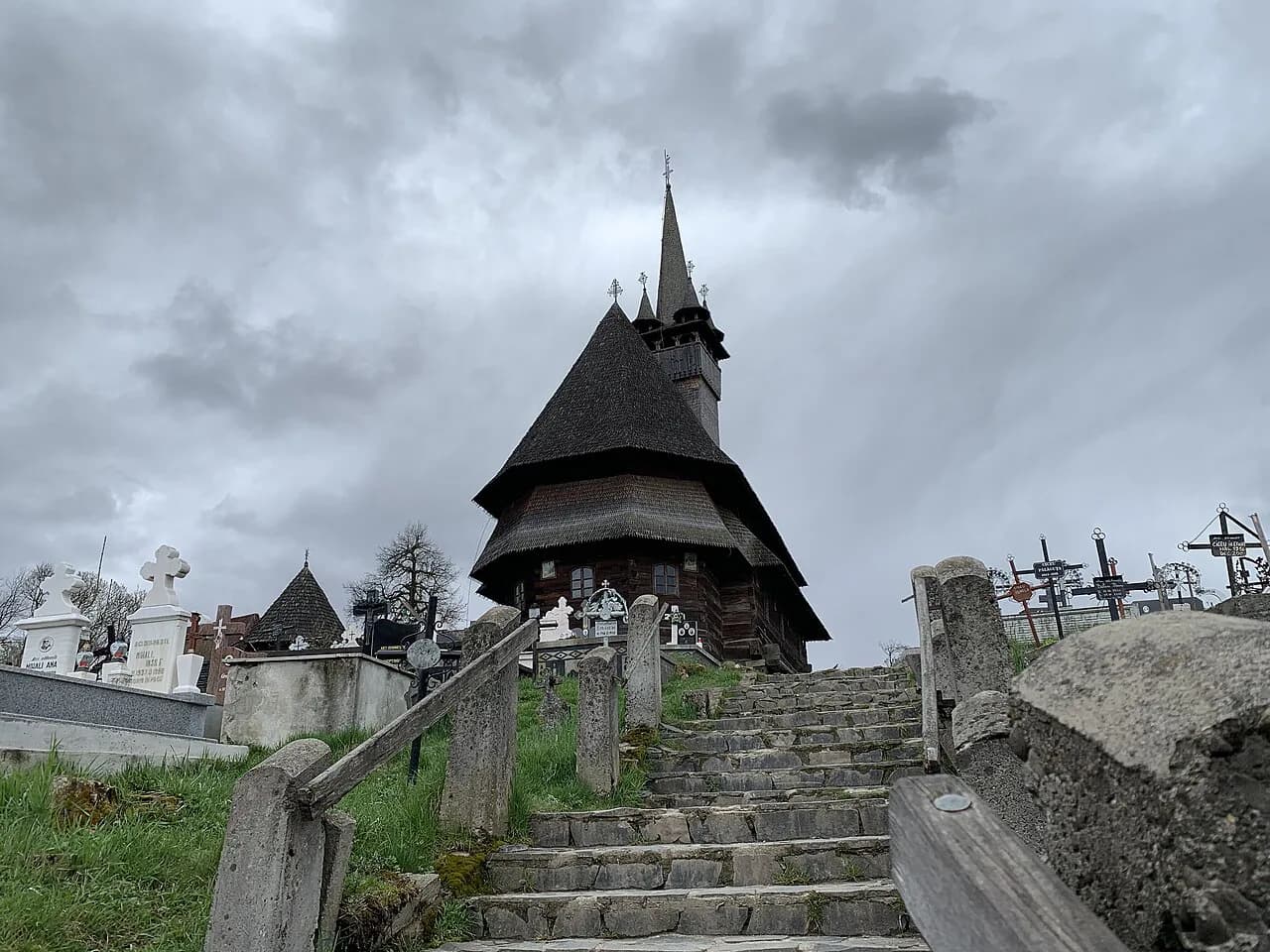
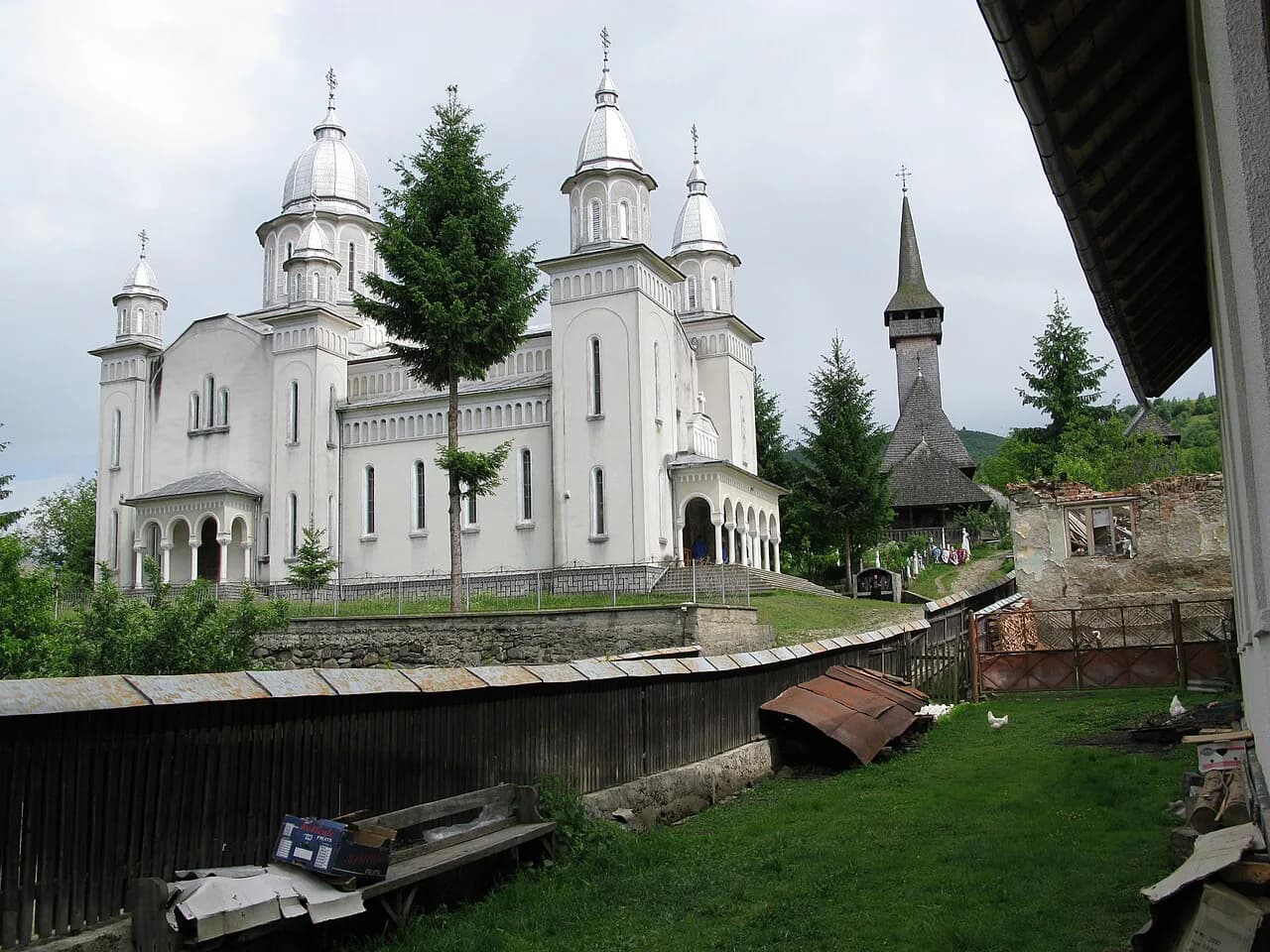
The wooden church is the reason most travellers stop, and it is a parish building in use rather than a monument with a ticket desk. Approach it as you would any working church: quiet voices, modest dress, and no photography during a service if people are praying.
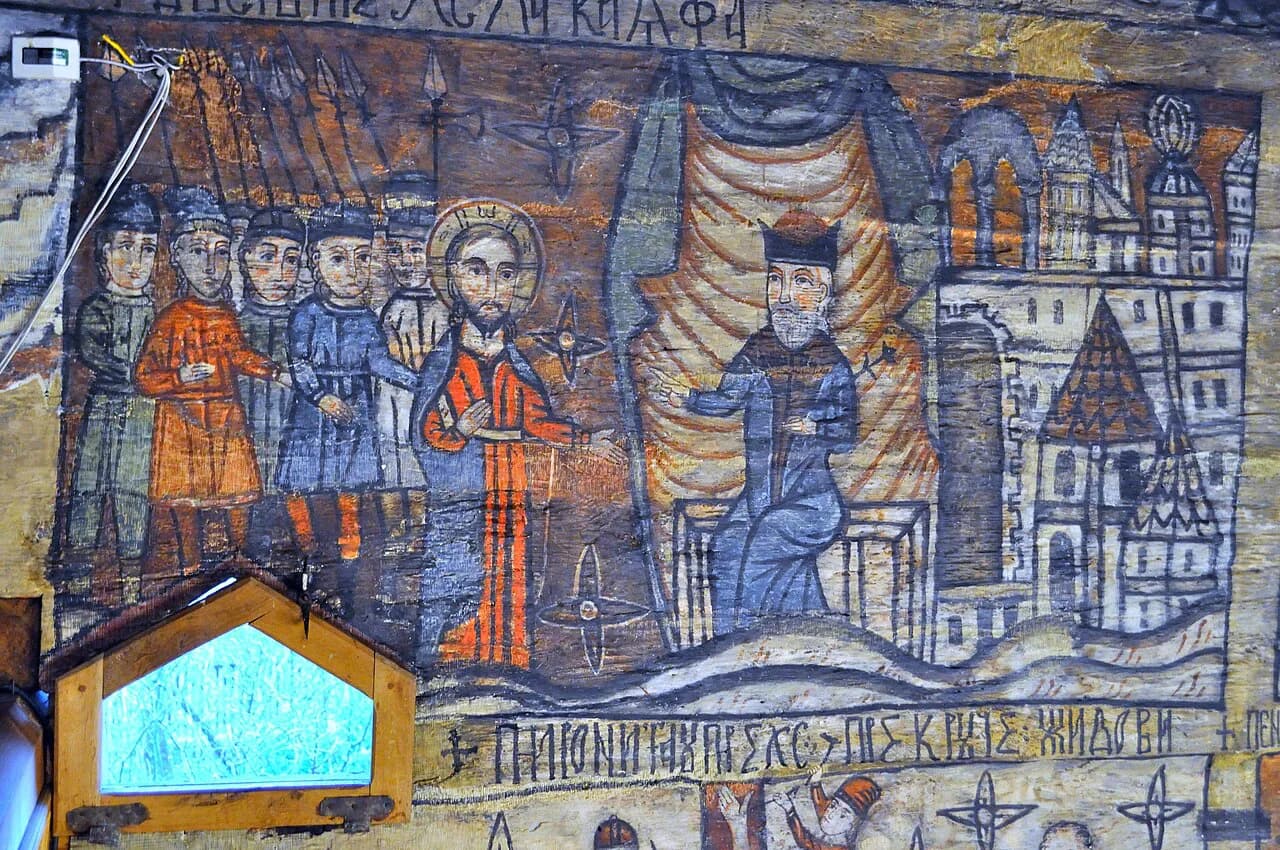
Inside, expect a timber interior, painted walls and a small churchyard, with the spire seen from outside. Opening depends on the parish rather than a published visitor timetable, so plan the church as one stop in a village walk rather than the fixed point of your day.
Maramureș has several churches inscribed on the UNESCO World Heritage list, and Budești is not the only village church you could see in a day. If you are comparing them, the entries on Ieud, Desești and Șurdești set out how each church differs before you commit a route.
Pintea the Brave: the man, the chain mail and the stories
Budești is associated with Pintea the Brave, a historical figure from this part of Maramureș whose story has grown into folk tales over the centuries. Treat the two separately: the man belongs to recorded history, and the feats and encounters told about him belong to local storytelling.
When a villager or a guide tells you a Pintea story at the church, enjoy it as story and do not repeat it as fact. Ask instead what is actually kept in the village and where, since objects connected with him are what you can genuinely see.
Crafts and village work
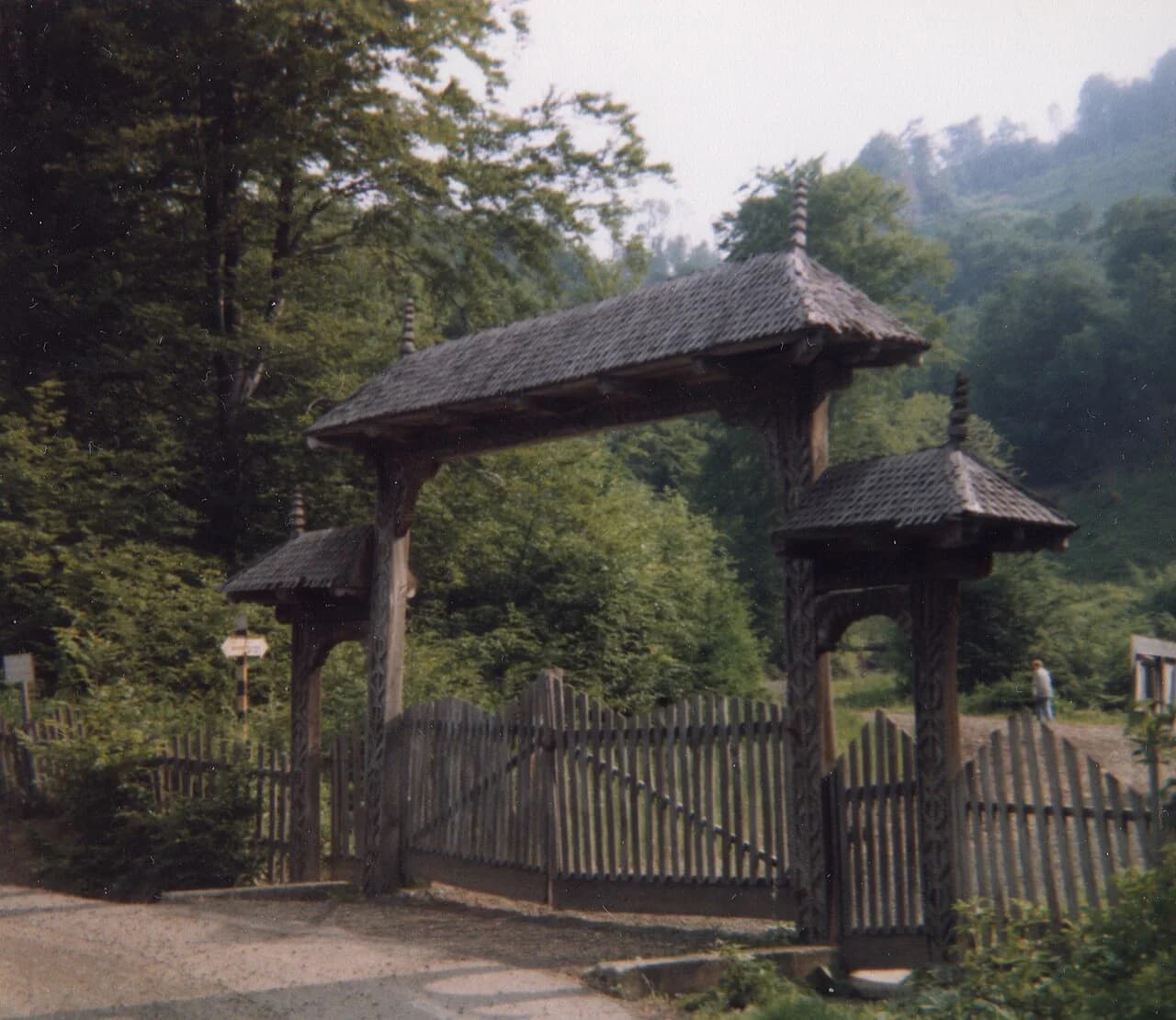
The village is laid out along its street rather than around a square, so the best way to see it is to walk a stretch in one direction and back again. Timber houses, carved gates and stacked wood sit directly on the roadside, and the gates are the detail worth slowing for.
These are people's homes and working yards, not exhibits. Stay on the road or the verge, ask before photographing anyone or stepping through a gate, and keep dogs and livestock in mind as you pass.
Neighbouring villages make a natural comparison, and Breb is the one most often paired with a Budești stop on the same day's drive. The guide to Breb, Maramureș explains how that village is arranged if you want two contrasting walks in one afternoon.
Crafts and village work you can see
Maramureș villages keep visible working crafts, and in Budești you will pass wood stacked for building and carving, small farm plots and outbuildings in use. Craft demonstrations in this region run on village and workshop timetables, so treat any you see as a bonus rather than the purpose of the visit.
If weaving and textile work interest you, Botiza is the Maramureș village known for it, and the two make a sensible pairing for travellers following craft rather than architecture.
How to get to Budești by car, bus or train
A car is the practical way to reach Budești, because Maramureș villages sit off the main roads and buses run for residents rather than visitors. Base yourself in Baia Mare or Sighetu Mămăției, drive the valley roads, and allow for slow progress on narrow village streets.
Buses do serve Maramureș villages, but the routes, frequency and stops are set locally and change with the season. Rather than rely on a timetable you found online, confirm the current departure point and return time at the bus station in Baia Mare or Sighetu Mămăției on the day before you travel.
Trains reach the main towns rather than the villages, so rail is a way to get to Maramureș, not to Budești itself. The narrow-gauge Mocănița steam train is a different experience altogether, running on its own route and schedule, which is worth reading about separately.
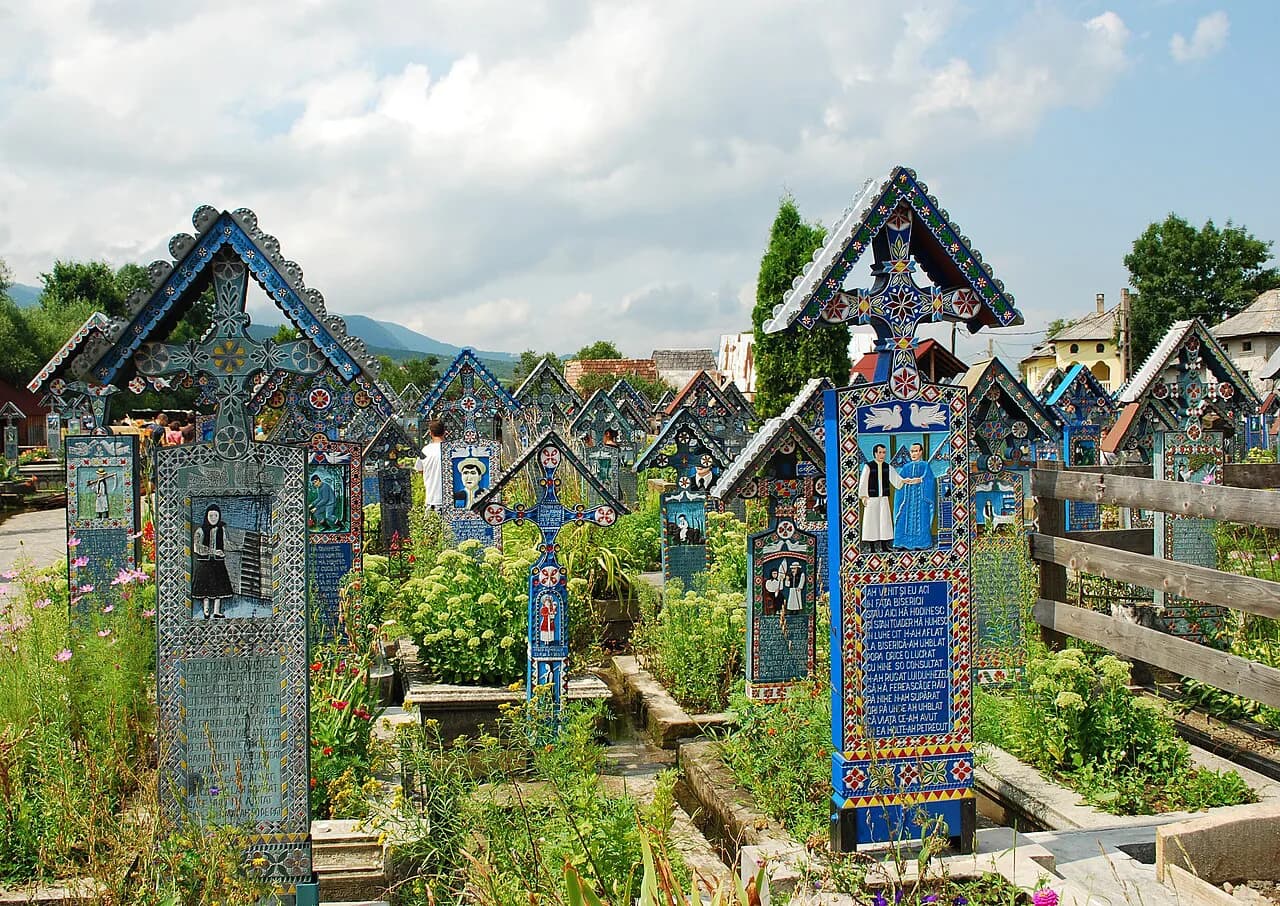
If you are coming from Sighetu Mămăției, pair Budești with the Merry Cemetery, Săpânța on the same loop so you are not driving the same road twice.
How long the village needs
Give Budești two to three hours on foot: enough for the church, a walk along the street and a stop at a gate or two without hurrying. A half-day lets you add a second village nearby, which is how most travellers actually see it.
The trade-off is real. Budești is quieter than the villages on the standard tour circuit, so you see more of ordinary village life, but there is less set up for visitors. If you want guaranteed interior visits at set hours, build your day around the bigger monastery sites instead.
Bârsana Monastery is the usual counterpart for travellers wanting a larger, more formal visit in the same valley, and it takes very little planning compared with a village church.
When to go and what the day feels like
Spring to autumn is when village streets are dry underfoot and the yards are busy, and it is also when the roads into the valleys are at their easiest. Summer weekends bring Romanian visitors to the well-known sites, while Budești itself stays calm.
Expect a slow day: a church, a street, gates, haystacks and people working. Bring cash in lei for small local purchases, since card machines are not something to count on in a village, and check service times at the church door before you plan your visit around a service.
Is Budești worth the detour?
Yes, if you are already driving Maramureș and want one village that feels lived in rather than staged. Skip it if your time is short and you want guaranteed interior visits with published hours, because the church here follows parish routine rather than a visitor timetable.
Build it into a day with Săpânța and one Cosău valley village, start early enough to walk the street at leisure, and park where you are not blocking a yard entrance.
Explore more Maramures guides
Frequently Asked Questions
How do you pronounce Budești?
Approximately boo-DESHT, with the final i short and the ș sounded like sh in English. Romanians write the name with the diacritics, and you will see it without them on some maps and signposts.
Is Budești in Maramureș the same as the Budești in Călărași county?
No. Budești in Călărași is a town south-east of Bucharest with its own town hall and public offices; Budești in Vâlcea county is a commune of several villages. The Maramureș village with the wooden church is a third, entirely separate place, so always check the county name when you search, book transport or look up local information.
Sources
Useful notes for your next trip
Optional updates to our guides.
You might also like
Continue reading
More guides you'll find useful