Wooden Churches of Maramureș: Which to See and How to Visit
The eight UNESCO wooden churches of Maramureș sit in scattered villages reached by slow roads. Here is what to look for and how a visit actually works.
On this page
Seeing the wooden churches of Maramureș is a driving trip through scattered villages rather than a single site you can tick off. Eight churches are on the UNESCO World Heritage list, and each one sits in a different village with no quick transfer between them.
This guide covers the eight villages, how the key-holder arrangement works when you arrive, what the small charges cover, what to look for on the painted walls and ceilings, and how to group the churches into a workable route from Baia Mare or Sighetu Marmației.
What the wooden churches are and why eight are UNESCO-listed
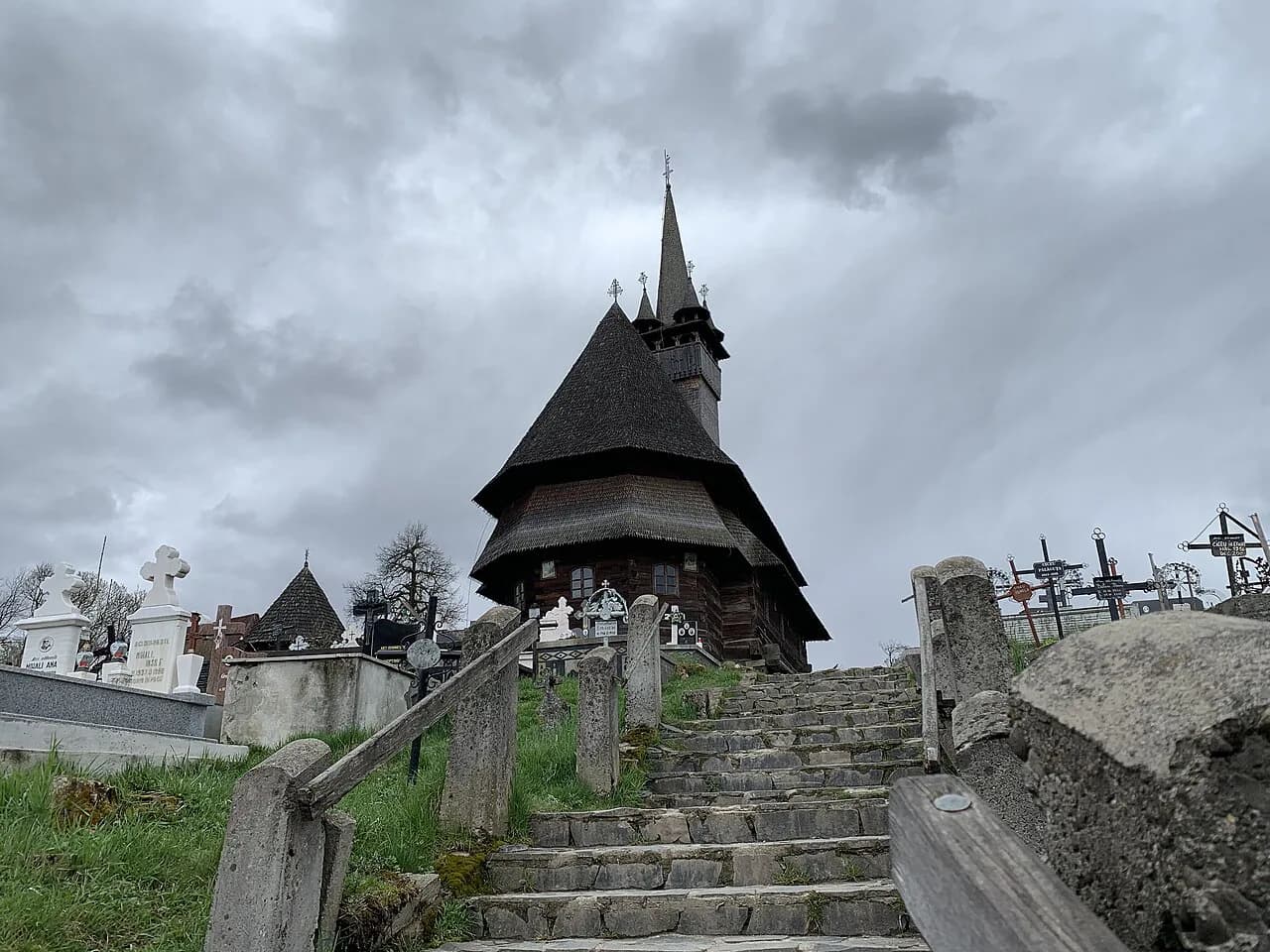
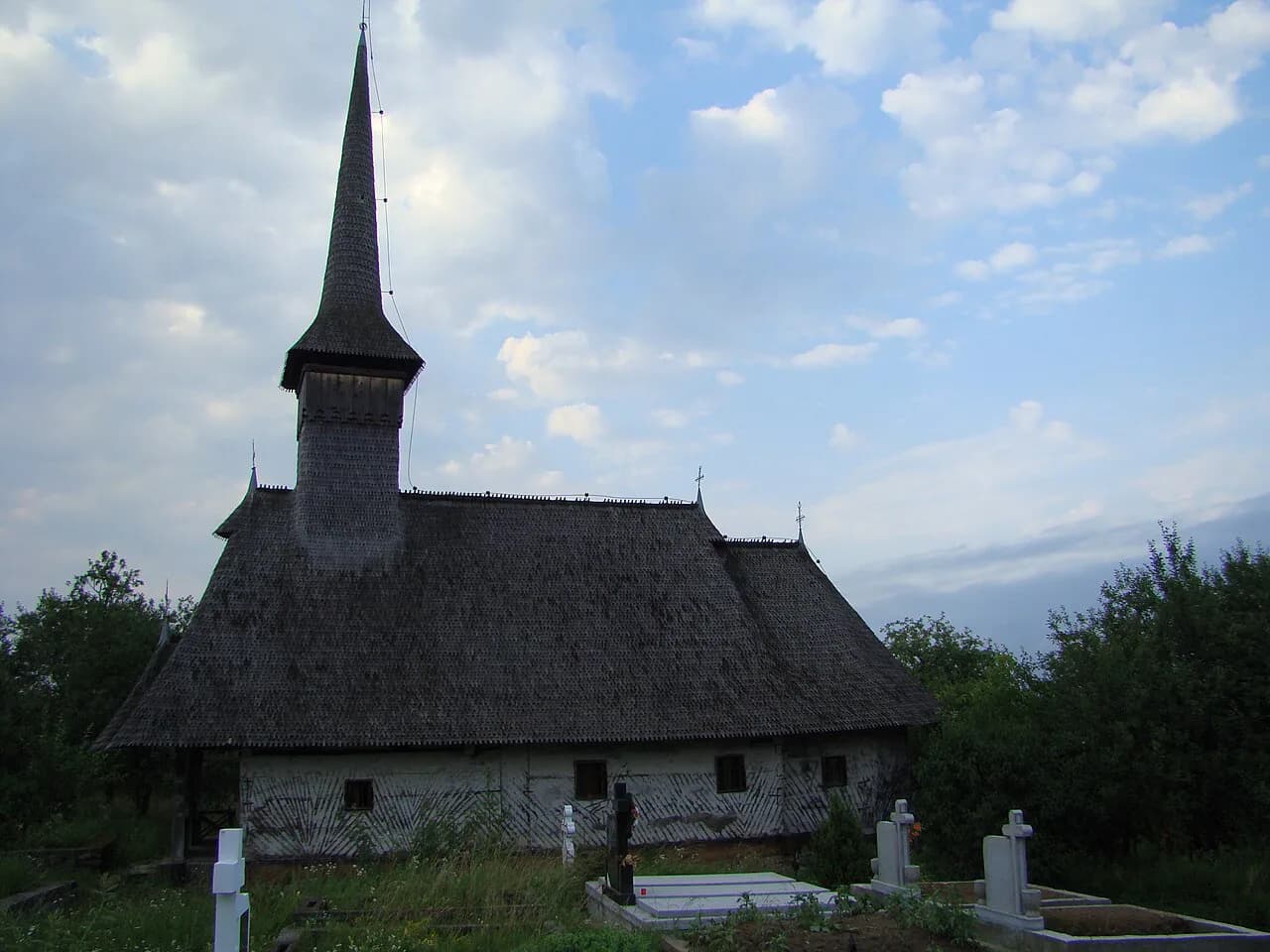
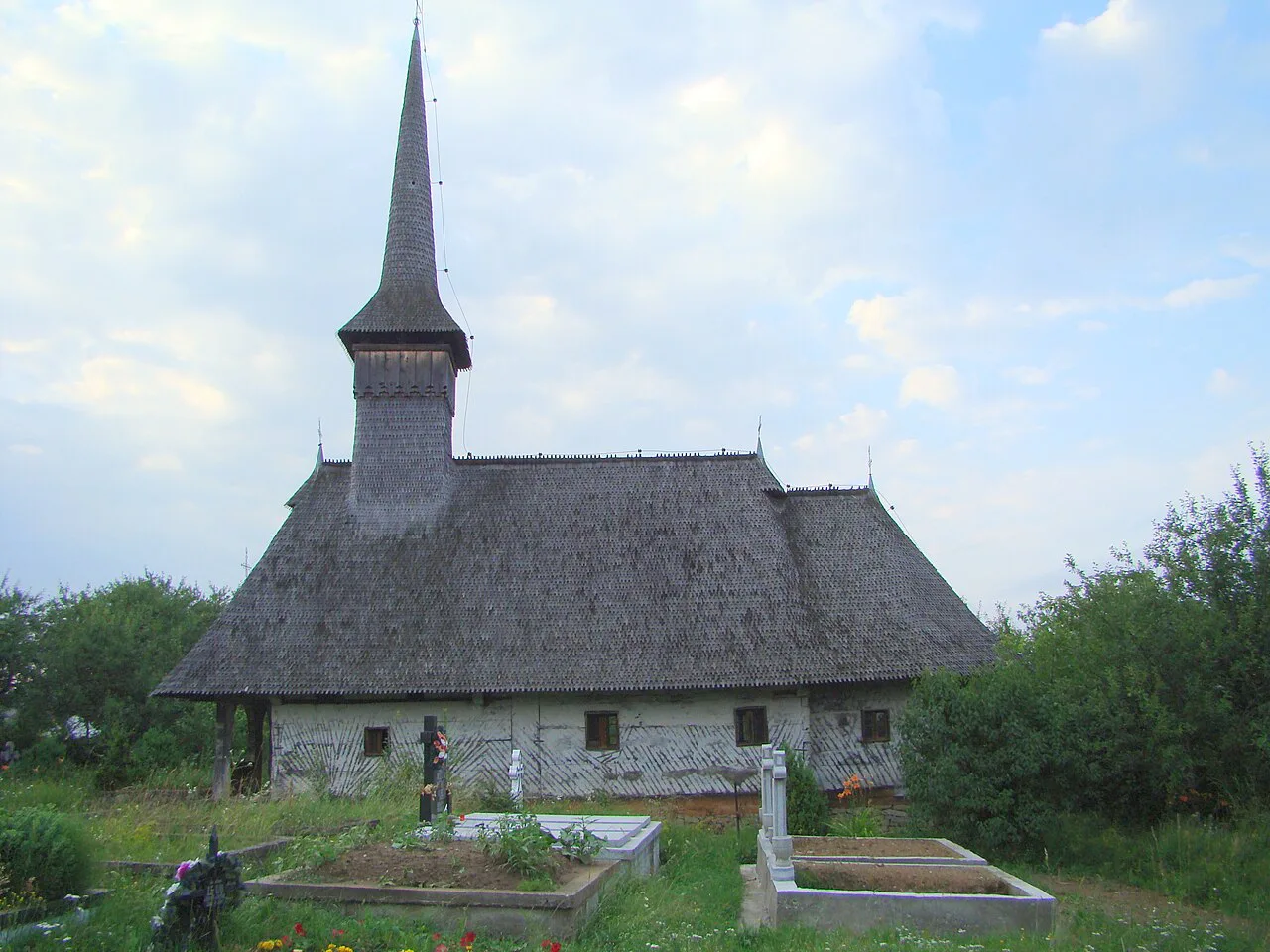
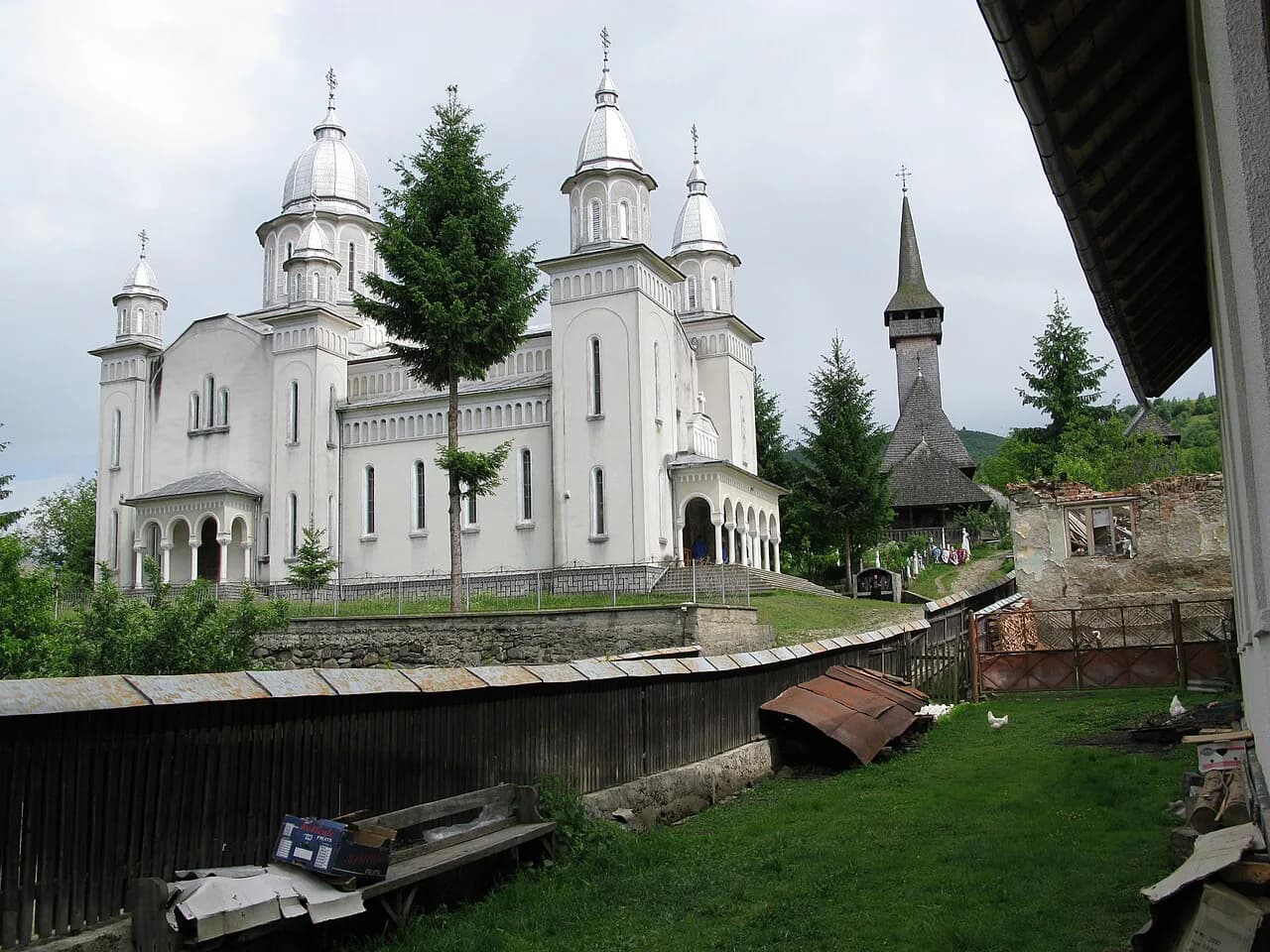
The wooden churches of Maramureș are a group of Orthodox churches in the north-west of Romania, built entirely of wood rather than stone or brick. They have tall, slender steeples at the western end, a simple rectangular body and a steep shingled roof, all raised from squared-off logs.
A whole field of them survives: almost a hundred wooden churches remain in the region, and eight were added to the UNESCO World Heritage list in 1999. The listing cites them as outstanding examples of vernacular religious wooden architecture.
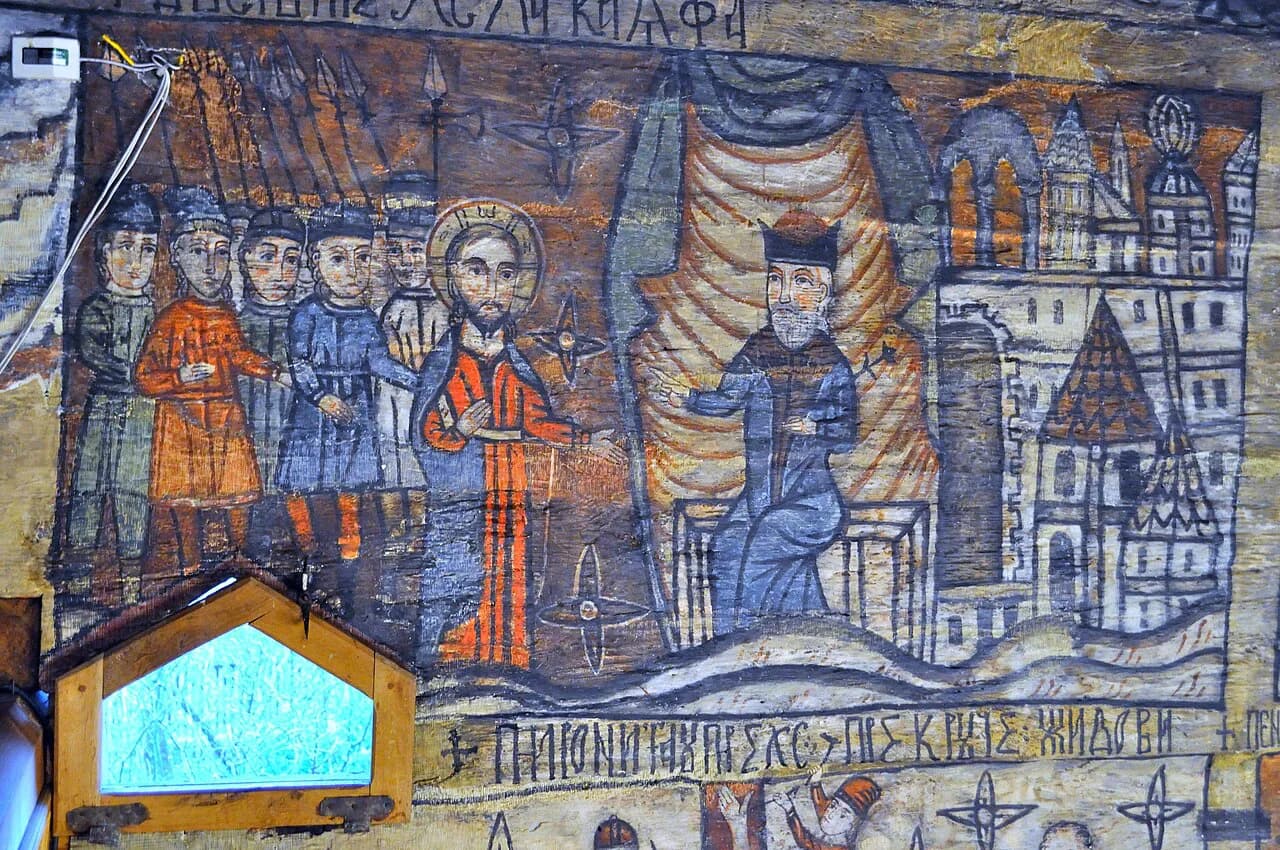
The churches date from the 14th to the 18th century, though individual churches carry their own build dates. The interiors are the reason to go inside: walls and ceilings covered with brightly coloured folk-art scenes from the Bible, painted by local artists who sometimes set familiar village landscapes into the pictures.
The architecture has a functional explanation. Habsburg rulers banned stone and brick for Orthodox churches, so local builders worked in oak instead, producing the high bell towers and steep shingled roofs now described as the Gothic style of Maramureș.
Where the churches are: eight villages spread across Maramureș
The UNESCO churches stand in the villages of Bârsana, Budești, Desești, Ieud, Plopiș, Poienile Izei, Rogoz and Șurdești. None of them is next to a major tourist sight, and the villages are widely scattered across the district, so the distances matter more than the map suggests.
Maramureș is the north-western corner of Romania, with Sighetu Marmației and Baia Mare as the practical bases for reaching these villages.
Desești and Budești both hold UNESCO-listed churches and sit close enough together that they can be paired on one drive.
How a visit actually works: the key-holder and the wait
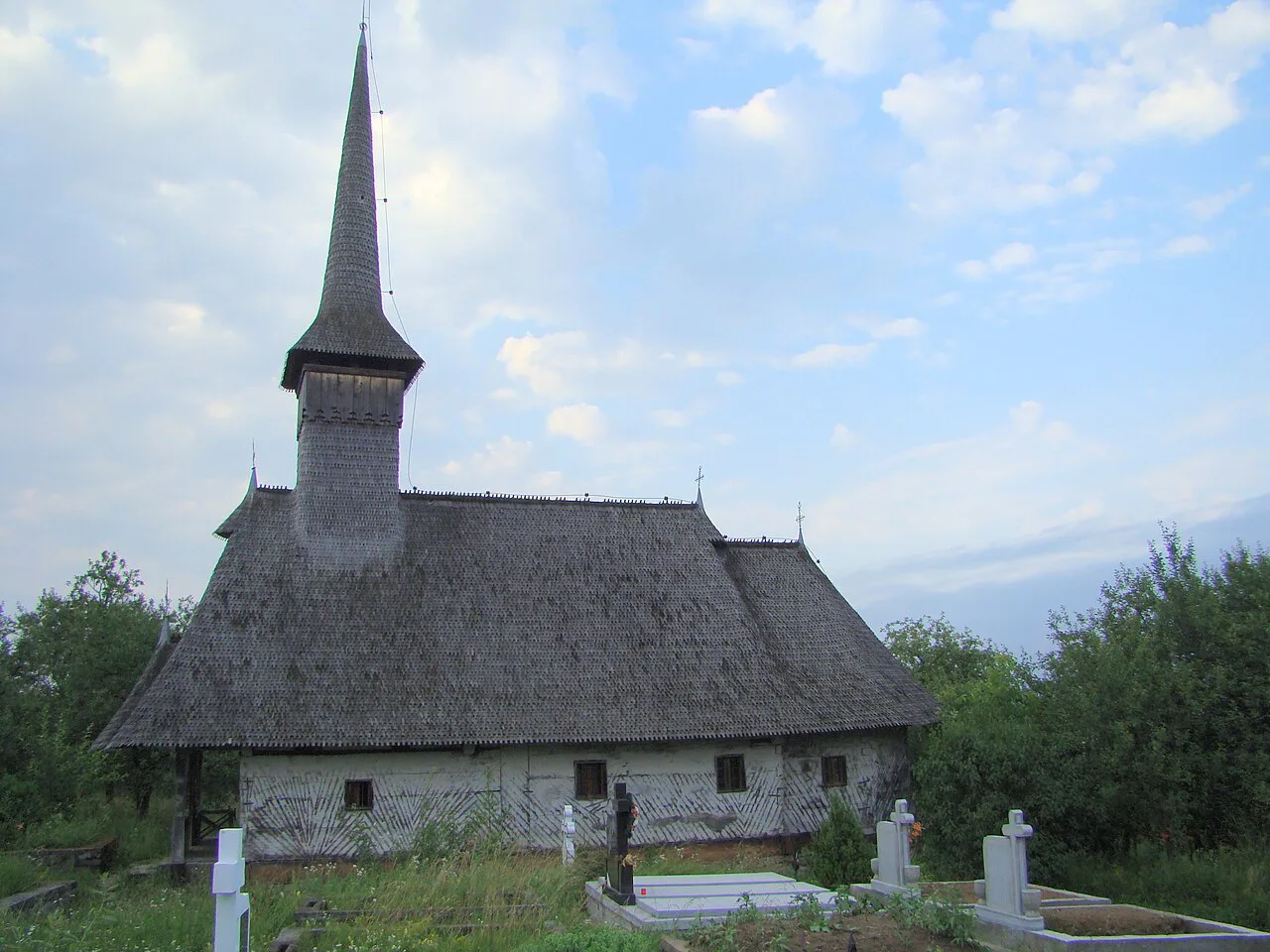
The churches do not stay open all day. The usual arrangement is a telephone number posted on the church: you call it, and a villager comes to unlock the door for you. That wait is part of the experience, and the churchyards give you something to look at while you stand there.
Expect each church to take roughly half an hour of your time once inside, plus however long the key-holder takes to arrive. The interior is generally one high-ceilinged room with a small balcony above the back, but it holds a dense spread of images.
Some churches may be closed when you arrive, so build slack into the day rather than planning a rigid chain of stops. Nobody should promise you that all eight can be entered on the same day.
What you pay: entry, photography and tips
Whoever opens the church charges a small entry fee. Some also charge a photography fee for taking pictures inside, and many of the people who open up expect to act as a guide and to receive a tip for that. These are three separate costs, so carry small cash in lei (RON) for each one.
Leave the camera money aside from the entry money and the tip. Bring cash in lei (RON) rather than expecting a card machine in a village churchyard.
What to look at inside: painted walls, icons and graves
Look up. The walls and ceilings carry painted cycles of Bible stories in a bright folk-art style, and the contrast with the blunt, mostly unadorned log walls outside is startling. Some churches also hold icons painted on glass or on wood.
The yards are part of the visit. Many graveyards around the churches are filled with home-made grave markers and naive Orthodox crucifixes, which you can study while waiting for the door to be opened.
Bârsana: the tall monastery church on Jbar Hill
Bârsana's church of the Entry of the Virgin was built as a monastery church in 1720 and is one of the tallest wooden churches in Romania, standing 57 metres high. In 1791 it was moved closer to the village, onto Jbar Hill.
A local legend links the move to plague victims buried on the hill without a funeral service, who were said to find peace only if the church was brought to the burial ground. Treat that as legend, not as history, and visit for the timber work and the hillside setting.
Budești and Poienile Izei: the dramatic painted interiors
Budești's Church of Saint Nicholas was built from oak in 1643. Its paintings date from around 1760, and it also holds 15th-century wooden icons and a collection of glass-painted icons; the belfry is ringed by four smaller turrets.
Poienile Izei is the one that hits hardest. The church of Saint Parascheva, built in 1632, is known for its punishing frescoes, where sinners are shown paying in kind: a liar hanged by the tongue, a farmer ploughed by two devils for taking his neighbour's land, a mother forced to swallow her aborted baby.
Ieud and Șurdești: the Codex of Ieud and a very tall steeple
Ieud has a fir-wood church probably built in the 17th century, with interior walls fully painted by Alexandru Ponehalski in 1792. The Codex of Ieud, the oldest document in Romanian, with a date of 1391, was found in the church attic in 1921.
Șurdești's UNESCO-listed Church of the Archangels Michael and Gabriel gives you the classic silhouette of tall steeple over heavy log walls at close range.
Desești has its own UNESCO-listed church and is close enough to Budești to pair on the same drive.
Getting around: driving, roads and the time between villages
A car is the practical way to see the churches. The villages are far apart, and some of the roads are in poor condition, so you cannot assume you will simply press on from one to the next.
Because the region is remote and the road network is slow, travellers have found that visiting everything takes effort. Treat getting between the churches as the main task of the day, then plan for a couple of them per day rather than a full sweep.
Beyond the UNESCO list, other villages are worth a look. Breb is a quiet village of dirt lanes and traditional wooden houses, and Botiza is a village of wooden churches and weaving.
How many days, and how many churches to attempt
You do not need to see all eight. Each one takes about half an hour, but the transfers, the waiting for a key-holder and the road conditions add up faster than that figure suggests, so choose a handful that fit your route and stop there.
Give Maramureș a few days rather than a single day. Treat the wooden churches as the goal of the journey rather than a stop between other sights, because this corner of the region is not on the way to anything else.
If you want a base for a night or two, Breb is a quiet village of dirt lanes and traditional wooden houses that has drawn some travellers in recent years.
Where the churches sit relative to Săpânța and the Mocănița
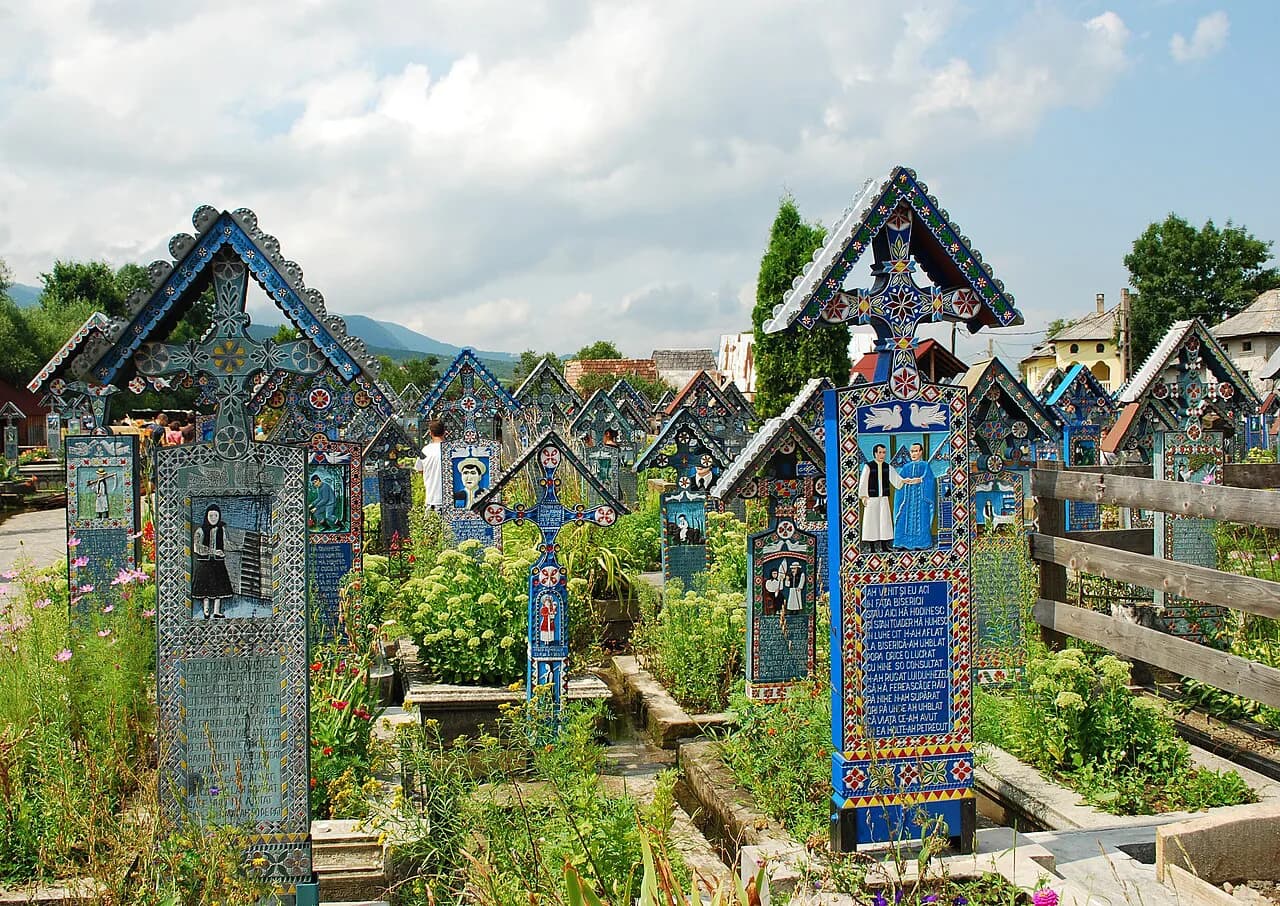
Two other Maramureș sights sit in the same general touring area. The Merry Cemetery (Cimitirul Vesel) at Săpânța is a separate sight, and the Mocănița steam train is another reason traveller routes hold together in the Sighetu Marmației area.
The Mocănița Steam Train runs in the Sighetu Marmației area, a different day's outing from the church villages.
Who will get the most from these villages
You will get the most out of this trip if vernacular wooden architecture and painted folk-art interiors are the point of travelling. The rewards are in the detail: a tall steeple, the joiner's work on a log body, a wall of painted Bible scenes.
You will get little from it if you want to move quickly and tick places off. The need to call a key-holder and wait, plus the distances between villages and the state of some roads, works against a fast schedule.
You will also need cash for the door charges and patience for the drive. For a wider set of practical details on the surrounding area, use the Maramureș guide.
Which churches to pick and how to plan the drive
Pick a handful of churches rather than chasing all eight: Bârsana for the tall monastery church, Budești and Poienile Izei for painted interiors, Ieud for the Codex story and Șurdești or Desești to fill a route.
Build in waiting time for the key-holder, carry small cash in lei for the entry fee, any photography charge and a possible tip, and accept that a couple of churches a day is a good pace on these roads.
Explore more Maramures guides
Frequently Asked Questions
Do you need a car to see the wooden churches of Maramureș?
A car is the practical way to reach these villages, because they are far apart and some local roads are in poor condition. Without your own vehicle, you would need to arrange private transport or a guided tour.
Are the wooden churches of Maramureș open every day?
No fixed opening times apply. The usual arrangement is a telephone number posted on the church: you call it, a villager comes to unlock the door, and you should expect a wait. Some churches may still be closed when you arrive.
Can you photograph inside the wooden churches?
Often yes, but some churches charge a separate fee for photography inside, alongside the entry fee. Count on carrying small cash for that, plus a possible tip if the person at the door guides you.
What is the Codex of Ieud?
It is the oldest document in Romanian, with a date of 1391. It was found in the attic of the church at Ieud in 1921.
How long does it take to see the UNESCO churches?
Allow a few days rather than one. Each church takes about half an hour inside, but waiting for a key-holder and driving between scattered villages is what fills the day.
Sources
Useful notes for your next trip
Optional updates to our guides.
You might also like
Continue reading
More guides you'll find useful