Șurdești Wooden Church: Maramureș's Tall Timber Church
Șurdești Wooden Church is a UNESCO-listed timber church in Maramureș, built in 1721 with a 54 m tower. Here is what to see and how to plan the visit.
On this page
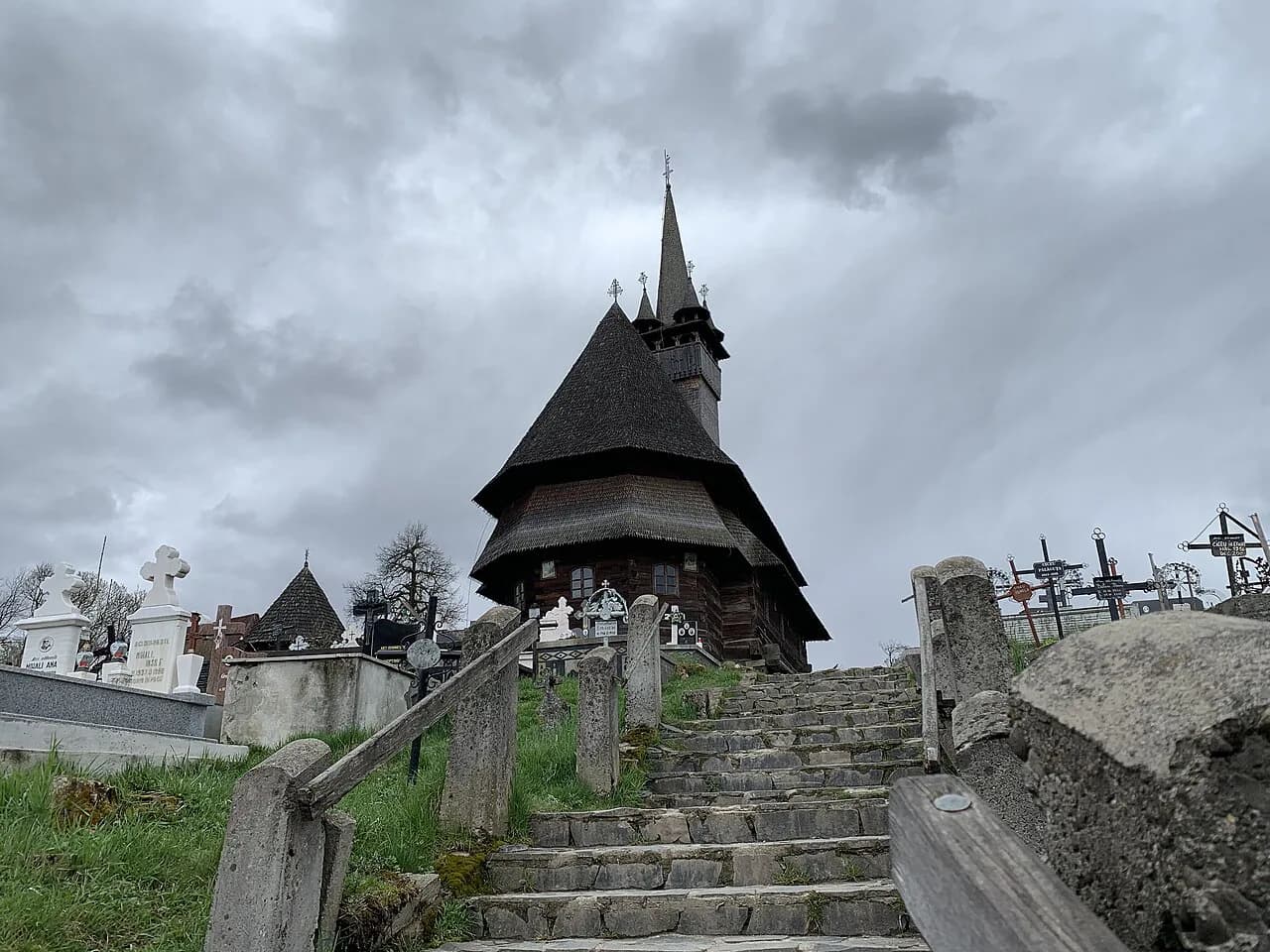
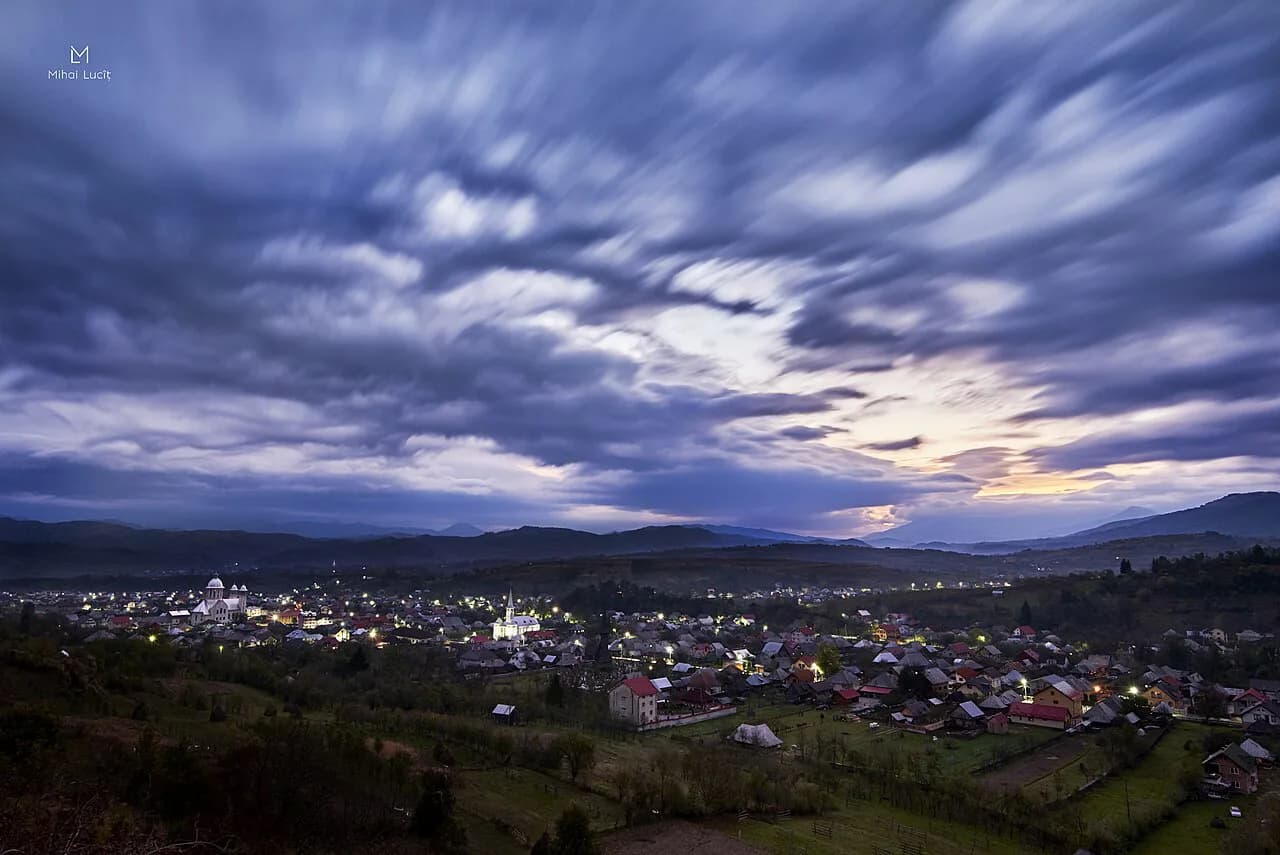
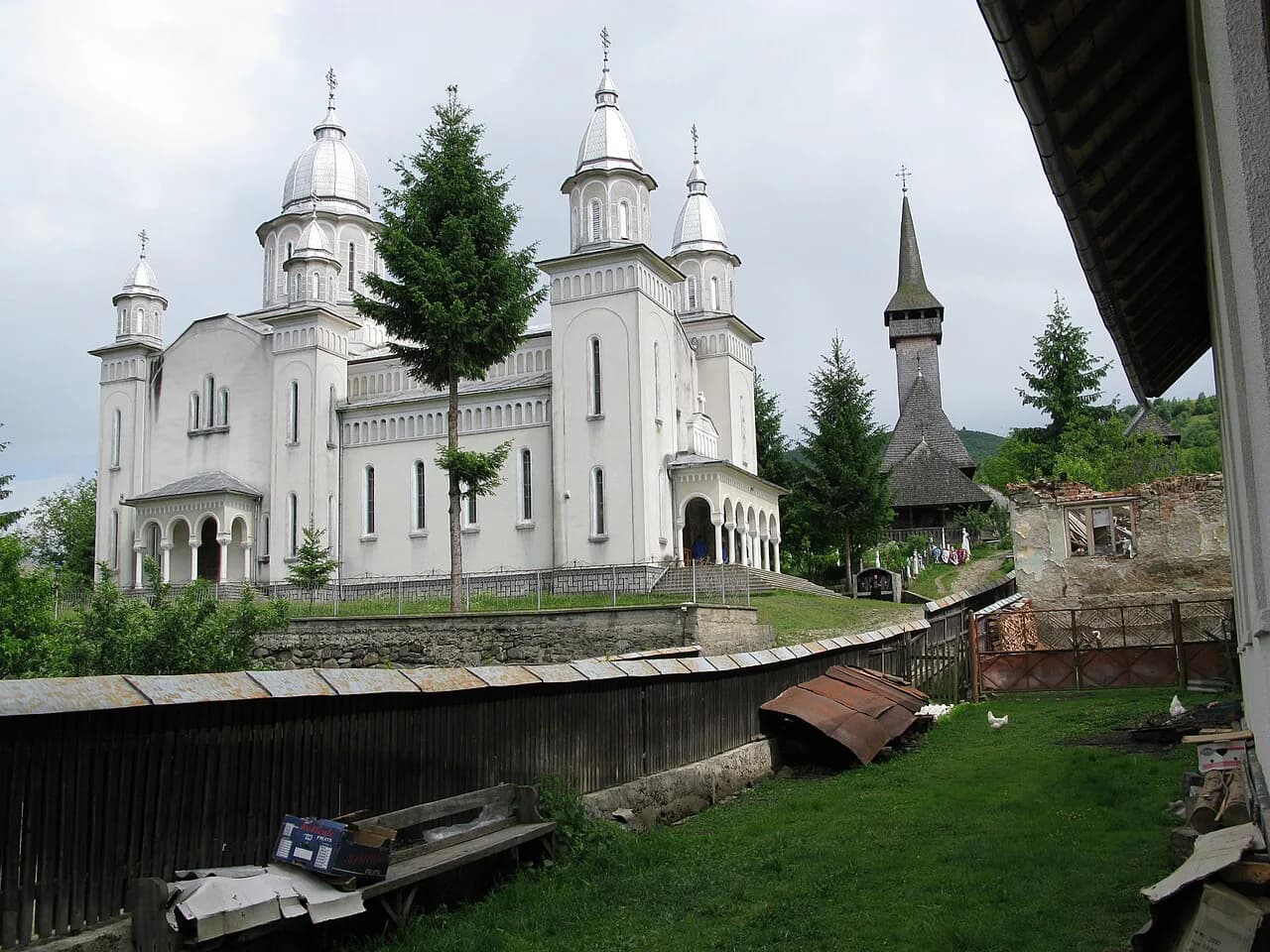
Șurdești Wooden Church is a UNESCO World Heritage timber church in Maramureș County, built in 1721 and crowned by a tower that reaches 54 m, with the church's total height given as 72 m. It stands in Șurdești village in the Chioarului region, about 20 km from Baia Mare, and is one stop on a wider circuit of Maramureș wooden churches.
This guide covers the building itself, the tower and total height, the 1783 interior murals and the UNESCO inscription, then sets out how to reach Șurdești and which nearby churches to add to the same drive. It keeps the two heights separate, because summaries of the church often run them together.
Șurdești Wooden Church: the short answer
The church is the Church of the Holy Archangels, an oak-beam building with a double roof in the Maramureș wooden-church style, and it carries both UNESCO status and a genuine claim on height. Plan it as a short village stop of the kind you build into a driving day rather than a staffed monument with a set route through it.
What you get on site is the timber shell, the tall tower above it and painted walls inside. The value of the visit comes from looking closely at how the oak beams are jointed and how the double roof sits over the body of the church, so a slow half-hour rewards more than a quick photograph from the gate.
Where Șurdești is, in Maramureș County
Șurdești sits in Maramureș County, in the Chioarului region, roughly 20 km from Baia Mare. That distance makes the city the practical base for planning the day: you leave from Baia Mare and work outward through the villages rather than treating the church as a stop on a long cross-country haul.
The wider region stretches north and east toward Sighetu Marmației, and the villages holding the other timber churches are spread across it. Draw your route on a map before you leave, because the churches are in separate village centres with country roads between them, not gathered in one visitor complex.
The building: oak beams, double roof and the Maramureș style
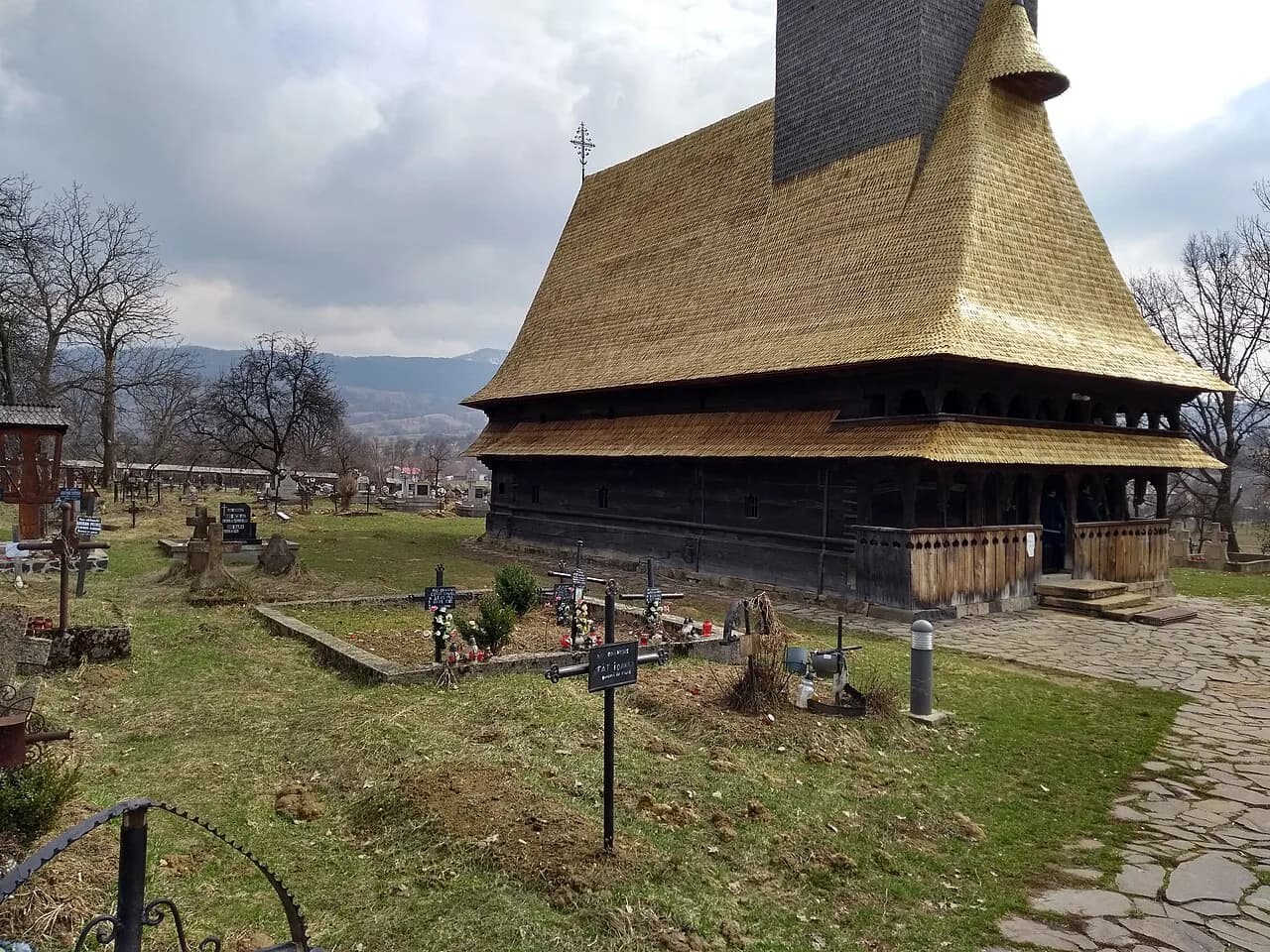
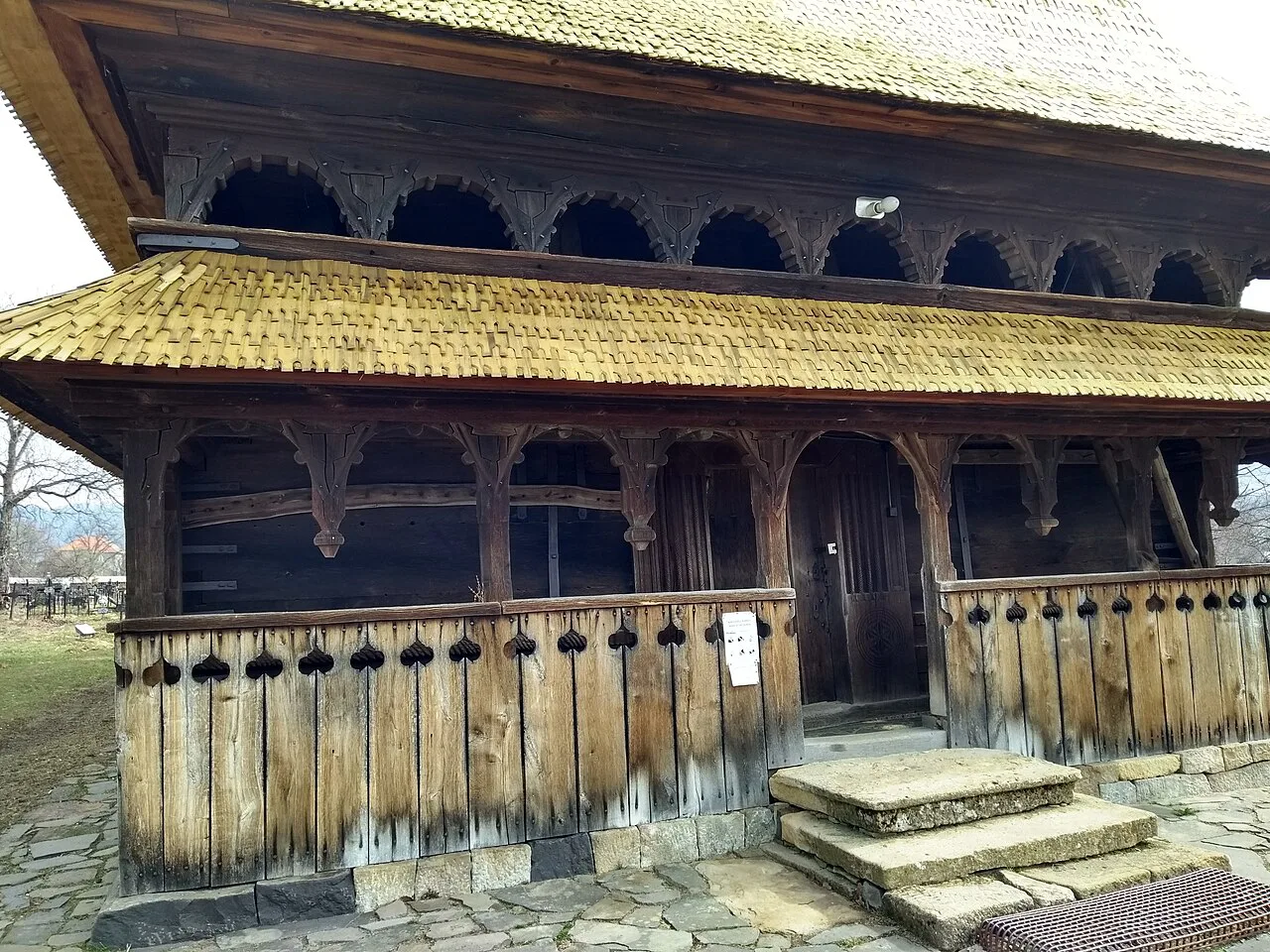
The church is built from oak beams and has a double roof, following the pattern of the wooden churches of the Maramureș area. Look at the base of the walls for the beam construction, then follow the roofline to see how the double roof steps down over the nave and porch.
Typical of the region, the building is timber throughout, with the tall tower rising above the main roof rather than beside it. Because the church stands in a village rather than a museum ground, the setting includes the churchyard and the surrounding houses, and the approach on foot is part of what you came to see.
The tower and total height, and how the church stands out
Two figures matter here and they are not the same number. The tower is 54 m tall, while the total height of the church reaches 72 m, and the source describing the building treats those as separate measurements.
Because of that size, the church is described as one of the tallest wooden constructions in Romania and Europe. Treat that as the modest claim it is: it places Șurdești among the great timber buildings of the continent without ranking it first.
The tower gives the village its landmark from a distance, and it is the reason the church is easy to find once you are in Șurdești. Stand back along the lane before you go in, because the tower reads best from the approach rather than from directly beneath it.
The interior murals painted in 1783
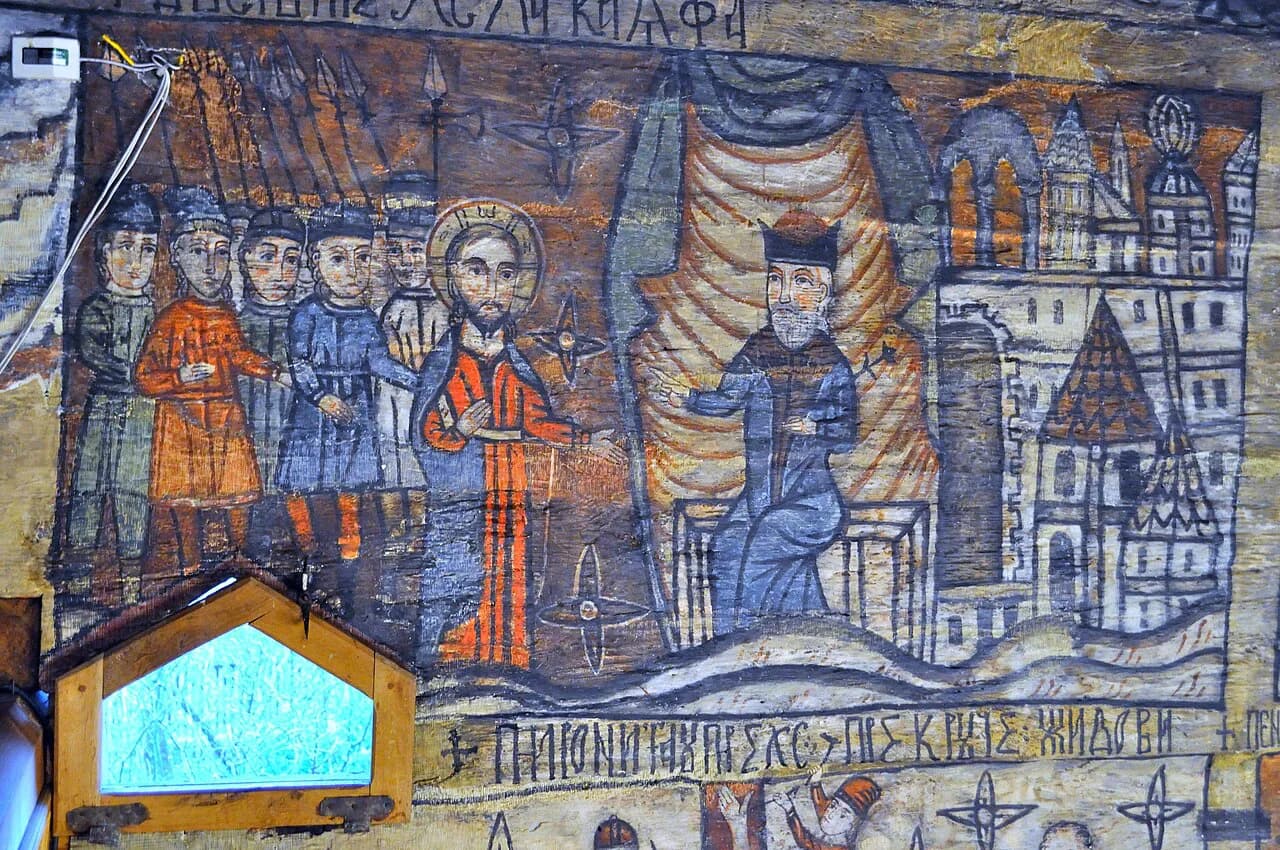
The interior murals were painted in 1783, which places the wall painting a little over sixty years after the 1721 build. Inside, give your eyes time to adjust after the brightness of the churchyard, then read the walls panel by panel rather than trying to take in the whole scheme at once.
Timber churches are dark inside, and the painted surfaces reward patience more than a quick circuit. Keep your voice down and move slowly, since this is a working village church rather than a gallery.
UNESCO World Heritage status with the other Maramureș wooden churches
In 1999 the church was inscribed on the UNESCO World Heritage List together with seven other wooden churches of the Maramureș region, making a group of eight timber churches. The same listing is the reason Șurdești appears on most itineraries through the county.
The inscription covers the Maramureș timber churches as an ensemble of eight, in villages including Bârsana, so the listing is a reason to see several rather than a single tick on a list. Read the group that way when you plan the drive: one church tells you less than three or four seen on the same day.
Getting there: Șurdești about 20 km from Baia Mare
The practical anchor is the distance: about 20 km from Baia Mare, which is a short drive rather than a day's journey. The village lies in the Chioarului region, and arriving by car gives you the freedom to stop at the next church on the same loop without waiting for a connection.
Public transport in this part of Maramureș runs to village timetables rather than city frequencies, so check any service you intend to use before committing to it. Driving lets you keep your own pace between Șurdești and the other churches, which is the main reason most visitors to the county choose a car.
Pairing Șurdești with Plopiș Wooden Church nearby
The Plopiș wooden church is the obvious companion stop, and the two are close enough to see on the same outing. Pair them deliberately: Șurdești for the tower and the 1783 murals, Plopiș for the comparison with a second timber church a short drive away.
Seeing two churches back to back sharpens your eye for the differences in proportion, roof pitch and tower shape that a single visit blurs. Allow time between them to walk each churchyard rather than photographing from the car.
Other wooden churches in the Maramureș group worth adding
Beyond Șurdești and Plopiș, the group includes timber churches at Bârsana, Breb, Budești, Ieud, Rogoz, Poienile Izei, Botiza and Lăpuș, among others. Pick three or four that lie on one line of road instead of criss-crossing the county, and give each village enough time for a proper look.
The Bârsana Monastery, a modern monastic complex with tall timber buildings, sits in a different category from the UNESCO village churches but is often visited on the same run. Breb and Botiza reward a slower pace if you want to see the villages as well as the churches, and the Maramureș Village Museum in Baia Mare gives context if you start or finish there.
If your route reaches the Iza Valley, the churches at Ieud and Bogdan Vodă sit in a landscape of wooden gates and farmhouses that is as much of the visit as the buildings. Carry water and food for the day, and expect village roads rather than fast main roads between stops.
Practical points: what to expect from a village church visit
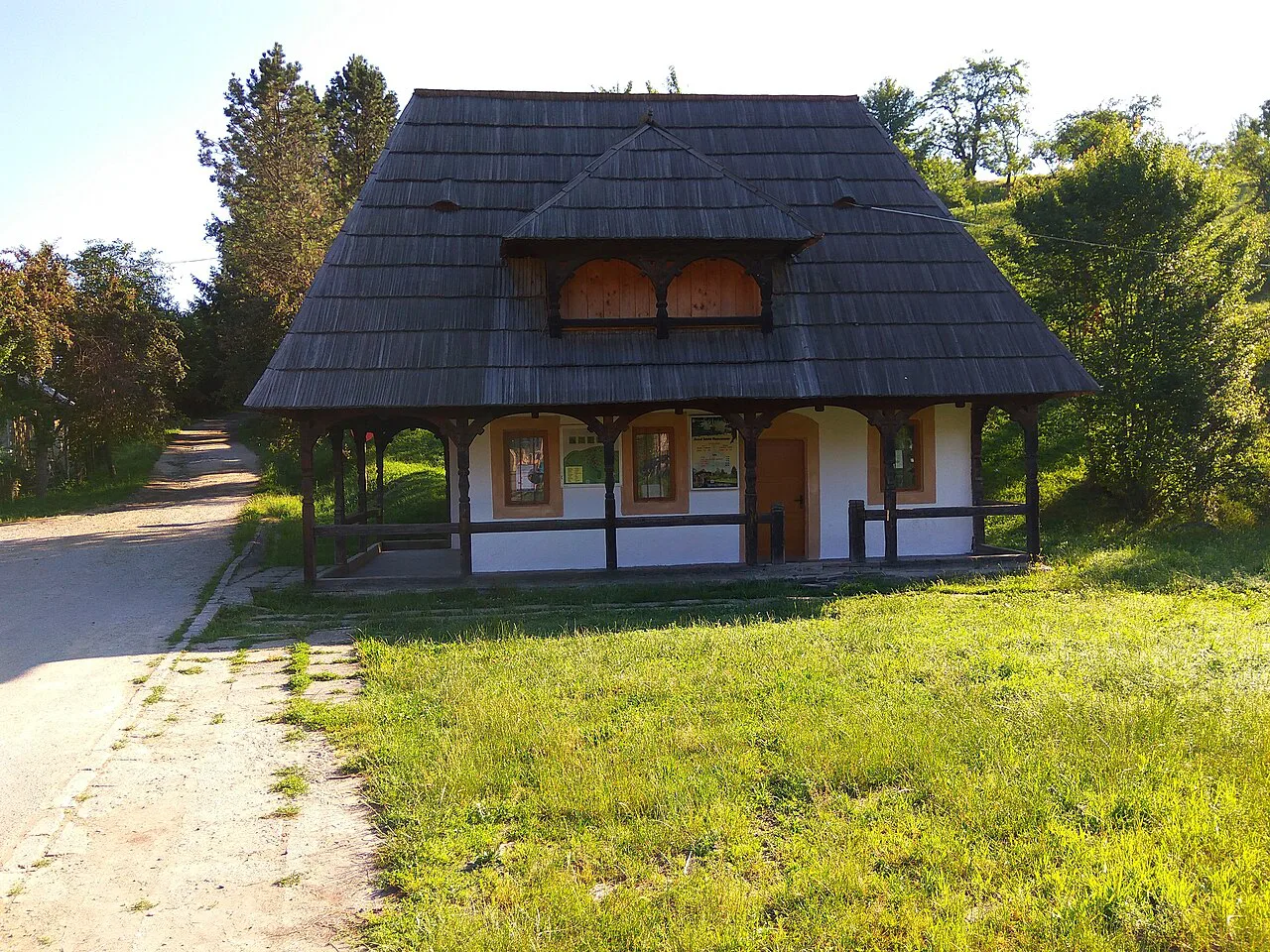
This is a rural village church, not a staffed visitor attraction: the building itself is the sight. Look at the oak beams and the double roof from the outside, then give the interior murals the time they need, and leave without expecting an exhibition, a shop or a fixed tour.
No ticket prices, opening hours or service times for Șurdești appear in the published material on the church, so do not build a schedule around assumed times. Check locally before you set out, and treat any stop as a short visit within a driving day.
Dress as you would for any village church, keep noise down and ask before photographing people. The Maramureș gates in the villages are worth a look in their own right, carved and set at the entrance to yards along the same lanes as the churches.
Should Șurdești be on your Maramureș route?
Yes, if you are already driving the wooden-church circuit out of Baia Mare: Șurdești gives you a UNESCO-listed oak church, a 54 m tower, a 72 m total height and murals painted in 1783 in one short stop. Pair it with one or two villages further out rather than making a special trip for the church alone.
Sort your route by the map first, confirm any local opening or service details once you are in Maramureș, and keep the day loose enough to stop when a village lane or a gate catches your eye.
Explore more Maramures guides
Sources
Useful notes for your next trip
Optional updates to our guides.
You might also like
Continue reading
More guides you'll find useful