Sighetu Marmației: What to See and How Long You Need
Sighetu Marmației is a compact Maramureș town of Jewish heritage sites, a village museum and a memorial, and a practical base for the villages around it.
On this page
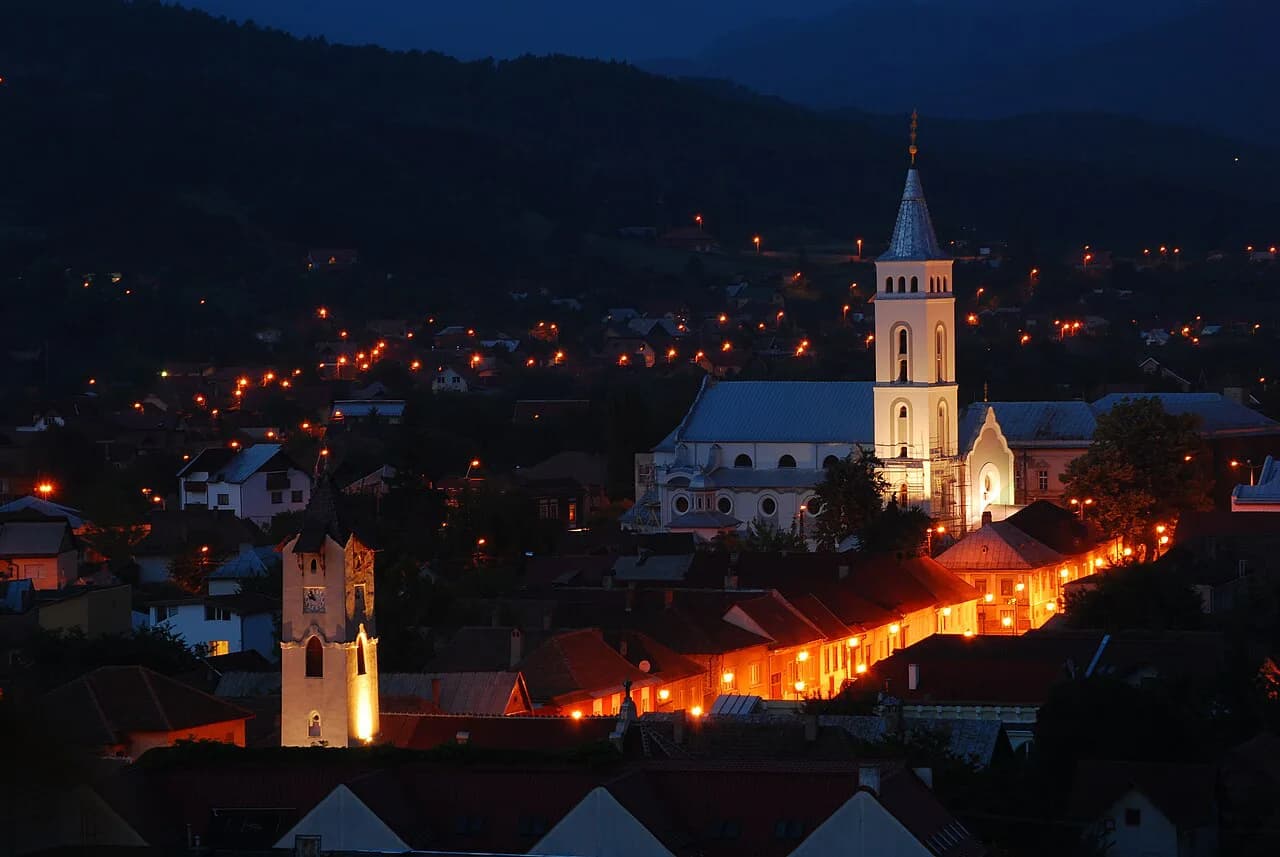
Sighetu Marmației needs one full day, and it earns that day through two distinct sets of sites rather than through a pretty old town. The town carries the Jewish heritage of Maramureș and a communist-era memorial, and it sits close enough to the villages and wooden churches to work as a base. This guide covers the town centre, the individual sites, a walking route and how Sighet fits a wider Maramureș trip.
Sighetu Marmației in brief: where it sits in Maramureș and what the town is known for
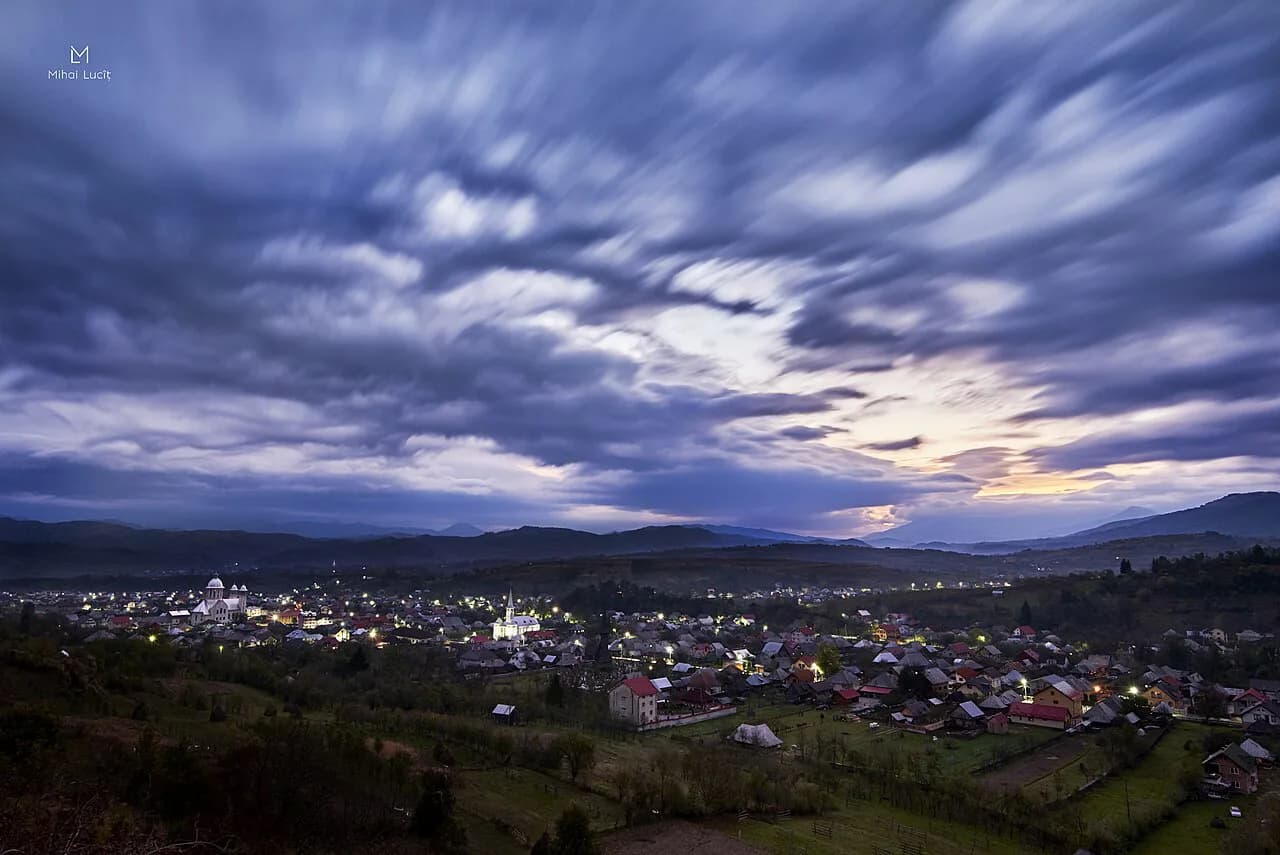
Sighetu Marmației lies in the north of Maramureș, close to the Ukrainian border, and served as the county seat for the Jewish community of the region. Jewish settlement in Maramureș began in the 17th century and grew through the 18th and 19th centuries, mostly through immigration from neighbouring Galicia, and Sighet became the religious and cultural centre for the area's Jews.
The town is known to visitors for three things: its Jewish heritage sites, the Maramureș Village Museum, and the Memorial of the Victims of Communism. Treat the first two as a day's work on foot and the third as a separate, heavier visit. Sighet is also the natural overnight stop for Săpânța and the Iza Valley villages, so most travellers see the town across an afternoon and the following morning.
How the centre is laid out and how long the town needs
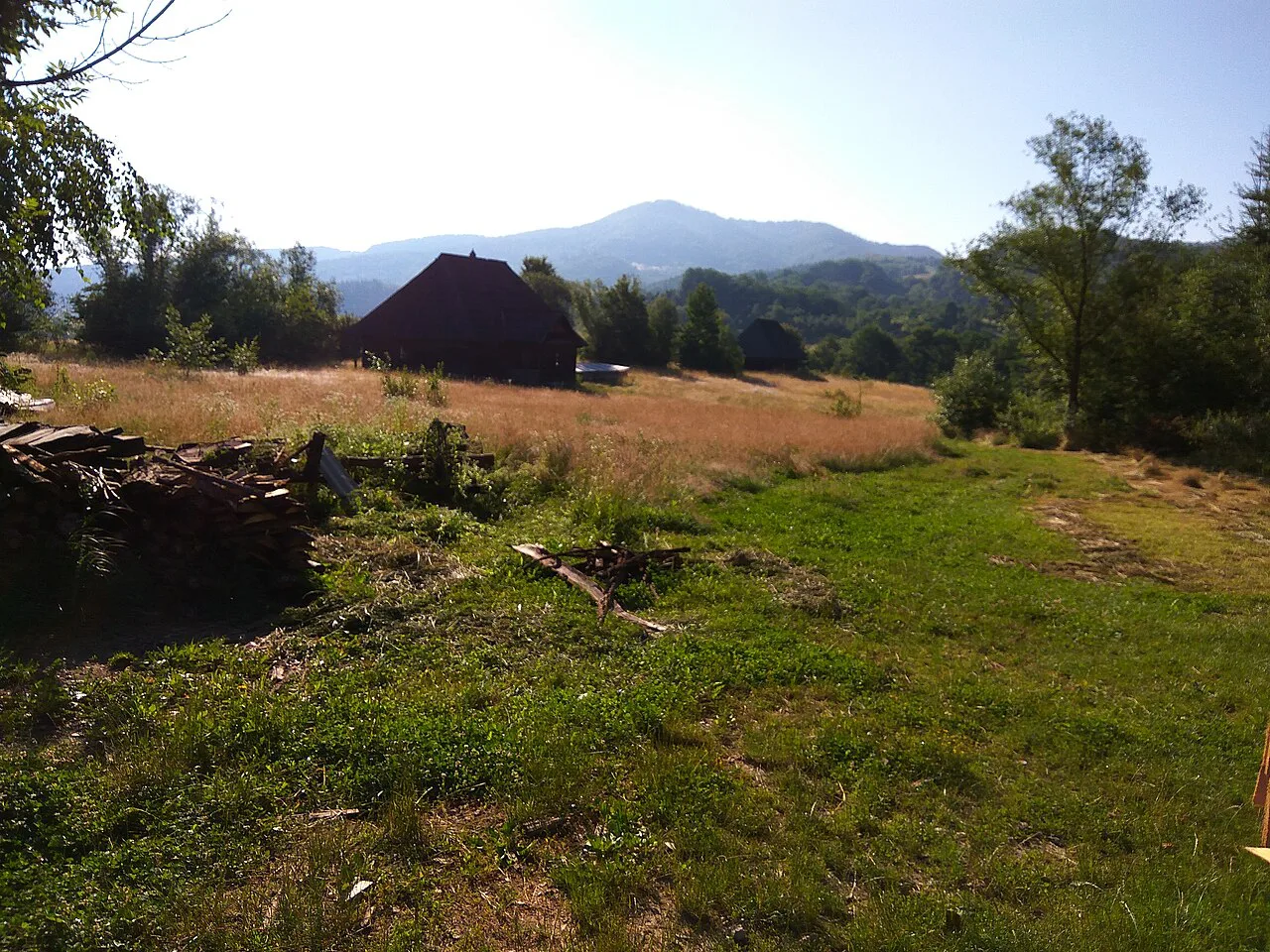
The centre is compact and walkable: the Memorial Monument, the Elie Wiesel Museum and the Jewish Cemetery all appear on the town's heritage list, as does the Sighet Train Station. Allow a full day for the town if you want to read the sites properly, and two nights if you also want a day in the villages.
Sighet rewards travellers who arrive knowing what they are looking at. The sites are memorials, museums and cemeteries rather than showpieces, and several are small; the town asks for patience and reading rather than for a checklist of photo stops. If you have only a half-day, give it to the Memorial Monument and the Elie Wiesel Museum and leave the rest for a return.
Jewish heritage in Sighet: the Memorial Monument on Strada Gheorghe Doja
The Memorial Monument stands at Strada Gheorghe Doja 75, on the exact location where the largest synagogue in Sighet stood until it was set on fire. Survivors who returned after 1945 created it as a commemoration, and commemoration services are held at the site during the year or by request. Commemorate rather than tour: it is a memorial first.
The numbers behind the monument are stark and belong in the visit. About 2,300 Jews returned to Sighet after the liberation in 1945, very few found the family members they were looking for, and some left for Israel. Of the 10,000 Jews living in Sighet before the Holocaust, only a few thousand survived.
The Elie Wiesel Museum: the house where Wiesel grew up
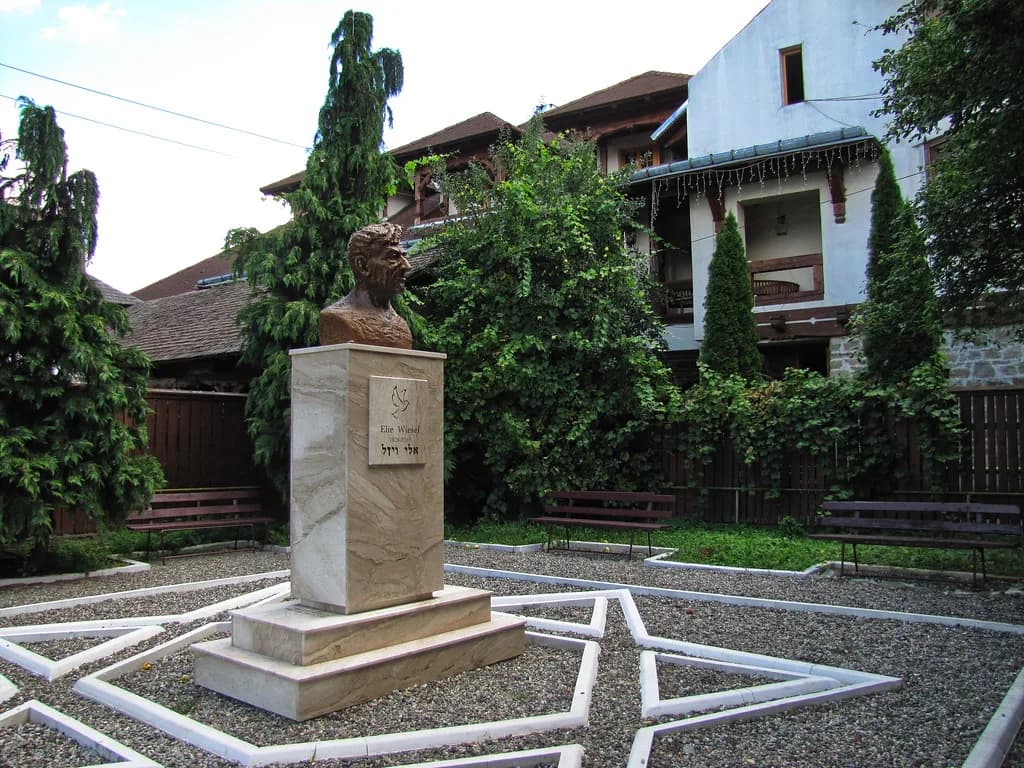
The Elie Wiesel Museum occupies the house where Elie Wiesel was born and raised until the age of 16, before he and his family were deported to Auschwitz with the rest of Sighet's Jewish community. Plan the visit as a house museum tied to one person and one family, not as a general museum of Jewish life; that framing is what makes it worth the time.
In mid-April 1944, after the Nazi regime took control of Hungary, the Jews of Sighet were ordered into a ghetto. Between 16 and 22 May 1944 the detainees were loaded onto freight trains and sent to the extermination camp at Auschwitz. Keep those dates in mind when you walk between the museum and the monument; they explain why the town's sites sit so close together.
The Jewish Cemetery, the Sephardic Synagogue and the Sighet Train Station
The Jewish Cemetery, the Sephardic Synagogue and the Sighet Train Station all appear on the town's heritage list. The synagogue and cemetery carry the community's earlier life; the station is tied to the deportation history. Treat the cemetery and synagogue as a place of burial and worship rather than a ticketed attraction, and confirm access arrangements before you set out.
Sighet became a printing centre for religious books, and its print shops published hundreds of Jewish Holy books written by local and foreign rabbis. Two Hebrew newspapers appeared in the mid-1870s, the first in all of Hungary, and by 1920 the town's 11,000 Jews made up almost half of its population. Those facts belong to the town's own story and are worth carrying into the cemetery visit.
The Maramureș Village Museum and the Drimer House
The Drimer House is part of the Sighet Village Museum, which brings Maramureș's rural architecture together in one place. It is the practical way to see Maramureș architecture if you are not driving between villages, and a sensible first stop before you head out to the wooden churches themselves.
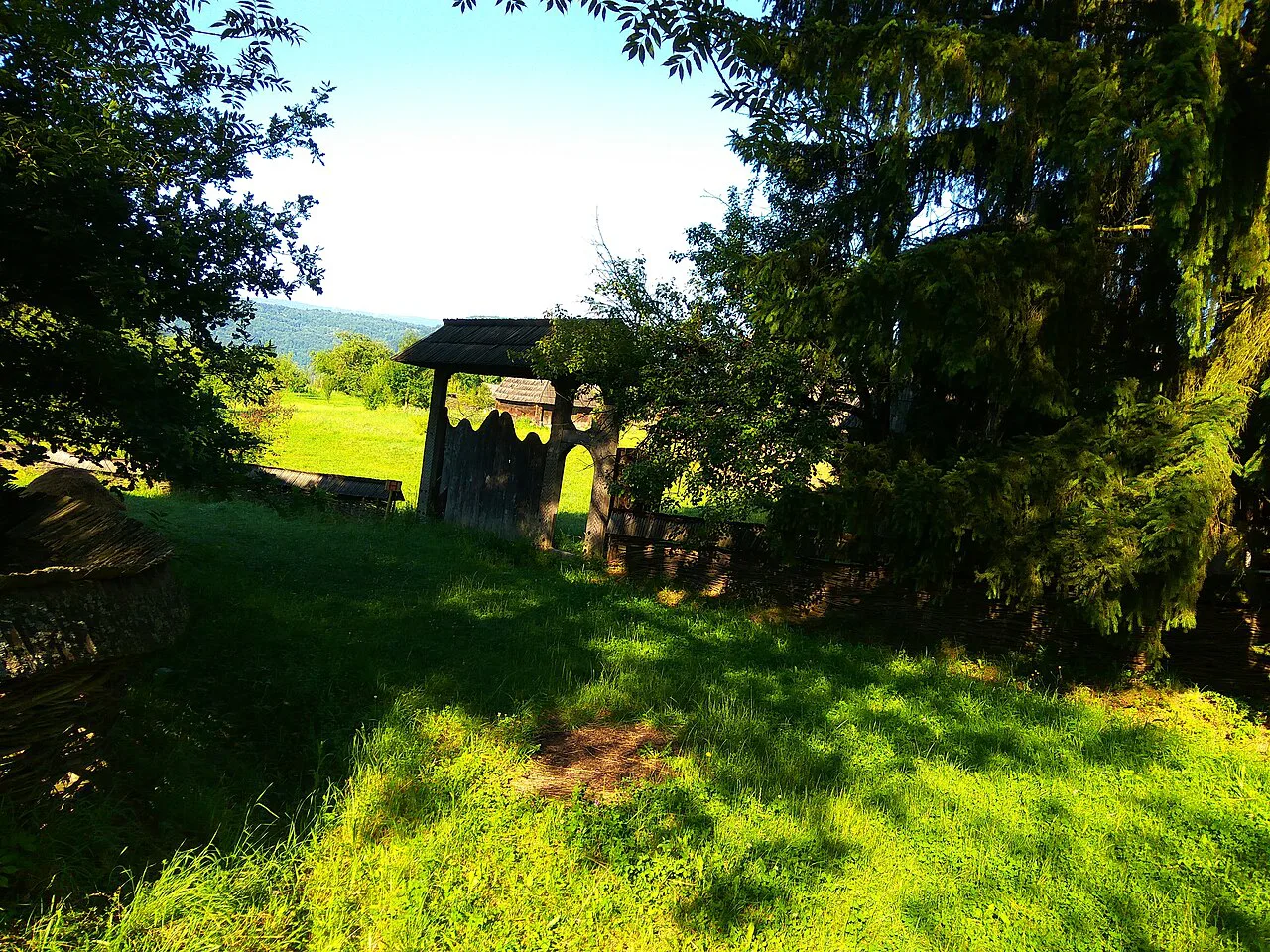
Pair the village museum with the real villages rather than choosing between them. The museum gives you the vocabulary of wooden construction, porches and gates; the villages give you the buildings in their landscape, and the wooden churches of Maramureș are the reason many travellers come. If your time is short, do the museum in Sighet and one village outside it.
The Memorial of the Victims of Communism and the prison it commemorates
The Memorial of the Victims of Communism commemorates the political prison that operated in Sighet during the communist period. Treat it as a separate visit from the Jewish heritage sites: it is a different history, told through a different institution, and it carries its own weight. Give it a clear slot in the day rather than squeezing it between the synagogue and the station.
Confirm the memorial's current opening days and ticket prices before you travel, as these are the details that most often change on a Romanian museum visit. Take the time to read the displays in order; the memorial works through accumulation rather than through any single object.
Walking route through the centre and what to pair on foot
Start at the Memorial Monument on Strada Gheorghe Doja, walk to the Elie Wiesel Museum, then continue to the Jewish Cemetery and the Sephardic Synagogue, finishing at the Sighet Train Station. The whole loop is urban and short, so it fits an afternoon, though the reading and reflection take longer than the walking.
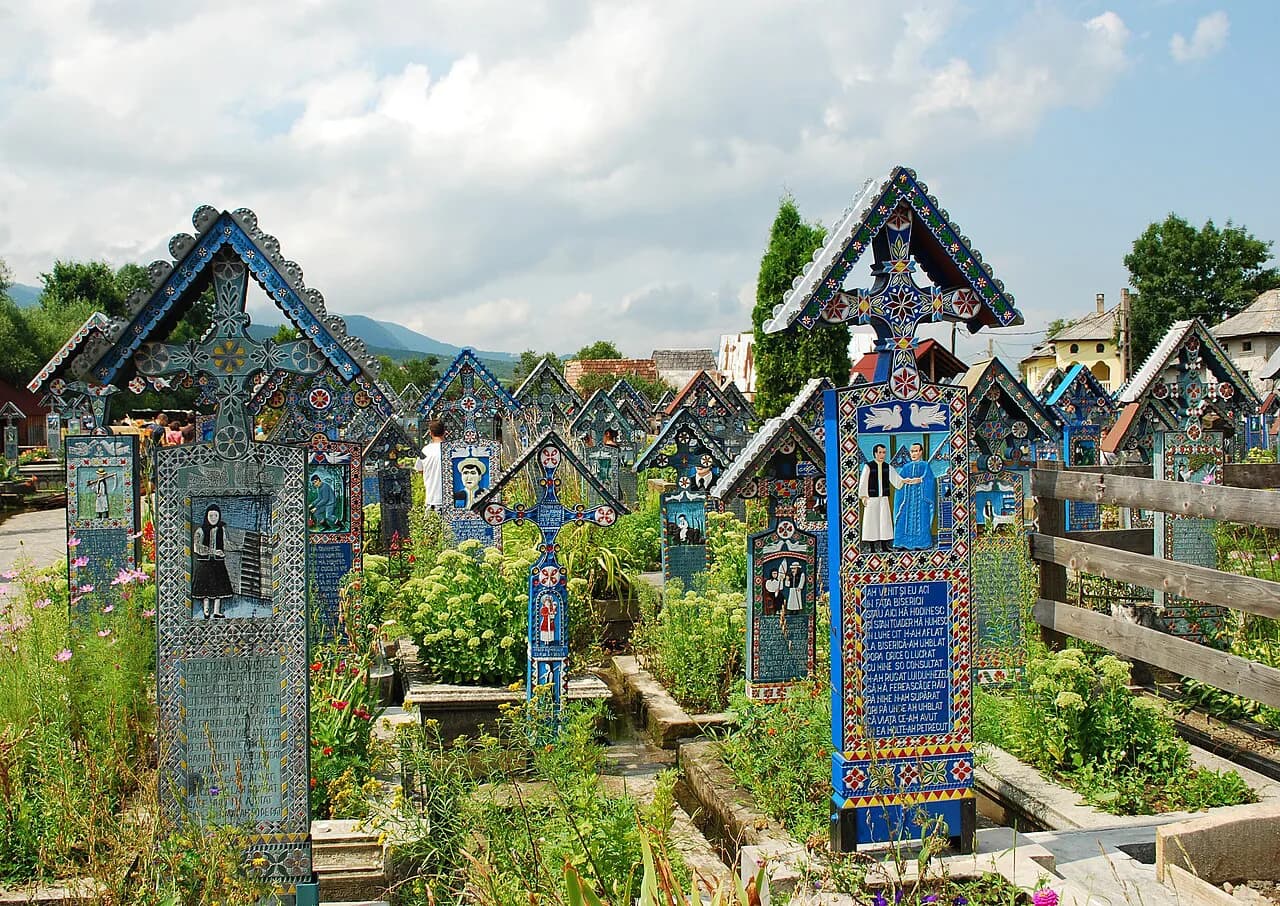
Keep the Maramureș Village Museum for the following morning if you arrive late in the day. Sighet is also a sensible base for the villages: the Merry Cemetery (Cimitirul Vesel) at Săpânța and the wooden churches along the Iza Valley can be reached from here. Read the town as a hub, not a single stop.
Getting to Sighetu Marmației and using it as a base
Sighet works best as an overnight base rather than a day trip. From Baia Mare you can reach the town by road, and the villages and wooden churches around Sighet are best reached with your own transport or an organised tour. Allow for slower driving on the valley roads.
Around Sighet, the village stops that justify the base include Ieud and the Iza Valley, the Bârsana Monastery in Maramureș, and Budești and Desești Wooden Church. Each is a short drive, and together they fill a second day without any backtracking. If you are choosing one, match it to what you want: monastery architecture at Bârsana, village texture at Ieud or Breb.
Trade-offs: what the town rewards and what it asks of you
Sighet does not offer a beautiful old centre to wander at leisure. It asks you to engage with difficult history across two institutions, the Jewish sites and the Memorial of the Victims of Communism, and that is the reason to come. The reward is a clearer understanding of Maramureș than the villages alone can give.
The town also asks for a car or a guided arrangement if you want the villages. Travellers without one should plan Sighet as a compact heritage day and take an organised tour for the surrounding area, while drivers can combine the town with Ieud, Bârsana and Săpânța in a two-night stay.
Should Sighetu Marmației be your Maramureș base?
Yes, if you want the region's Jewish heritage and its communist-era memorial in the same place, and if you are driving or happy to join tours for the villages. Give the town a full day and two nights, and use it as the anchor for Săpânța, the Iza Valley and the wooden churches.
No, if you want an old-town city break in the Brașov or Sibiu mould. Sighet is a working town with heavy memorial sites, and its value lies in what surrounds it. Confirm opening days and tickets for the individual museums before you commit a day to them.
Explore more Maramures guides
Sources
Useful notes for your next trip
Optional updates to our guides.
You might also like
Continue reading
More guides you'll find useful