Ochiul Beiului: the Turquoise Lake in the Nera Gorges
Ochiul Beiului is a small karst lake beside the Beușnița waterfall in the Cheile Nerei-Beușnița National Park, reached on foot from the Beu valley road.
On this page
Ochiul Beiului is a small karst lake beside the Beușnița waterfall on the Beu stream, inside the Cheile Nerei-Beușnița National Park in Caraș-Severin county, and it works best as a short walking stop on a driving day through the Banat. This guide covers where the lake sits, the measurements recorded for it, the waterfall next to it and what the walk in involves.
Plan it as part of a route along the Beu valley rather than a destination in its own right. The lake is compact and the visit is short, so the driving and the rest of the gorge day matter more than the time spent at the water's edge.
What Ochiul Beiului is
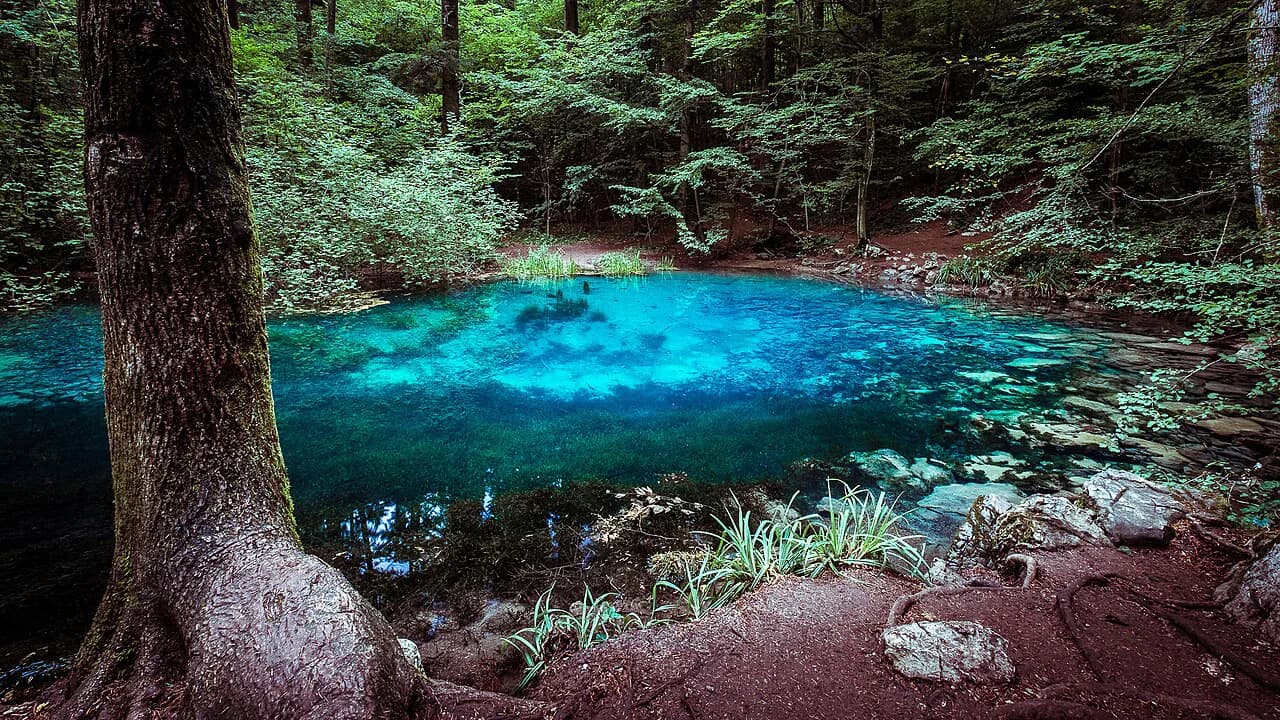
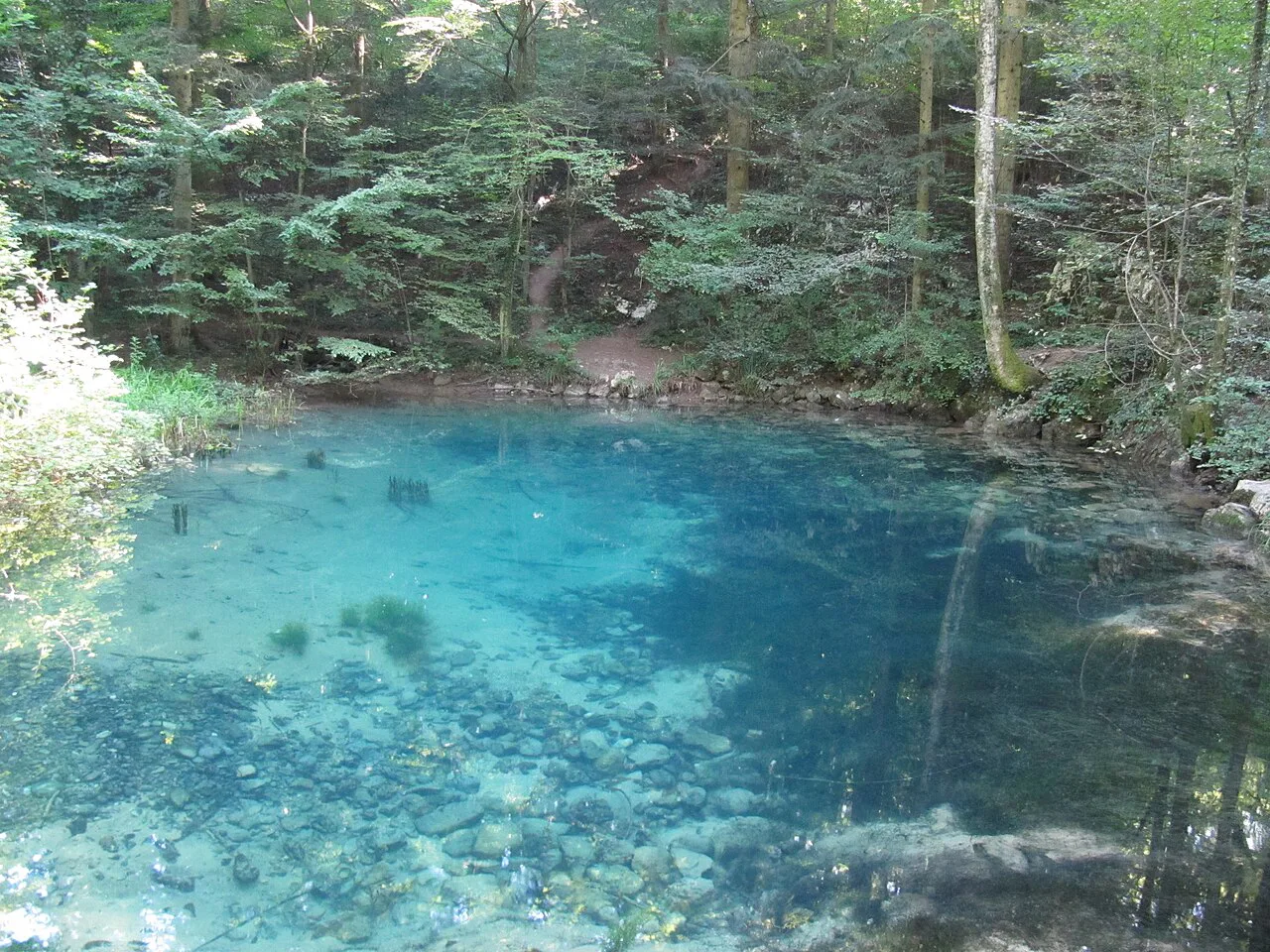
Ochiul Beiului is a karst lake on the Beu stream, formed in a landscape where water has worked through limestone. Its recorded surface area is 284 m² and its crater reaches a depth of about 3.6 metres, which makes it a small pool rather than a broad lake. Expect a compact body of water you can take in from the bank, with the stream and the surrounding forest as much a part of the visit as the lake itself.
The lake sits close to the Cascada Beușniței, the Beușnița waterfall, so the two are seen in the same stop. Outdooractive places the lake near the Beușnița falls on the Beu stream within the Cheile Nerei-Beușnița National Park, which is how most people visit them: water first, then the water again a short way upstream. Keep that pairing in mind when you decide how long to give the site.
Where it sits on the map
The lake is in the Banat, in Caraș-Severin county, in south-western Romania. It belongs to the Cheile Nerei-Beușnița National Park, so the surrounding land is protected park territory. To place the region in the wider picture, the Banat is one of the historical regions listed in Romania's regional breakdown. The county and the park give you the fixed points when you decide which road to approach from.
This is limestone and gorge country on the Banat side of the mountains, reached on low roads through the Nera valley rather than along a high ridge. If you are coming from the north, treat the Beu valley as a separate day from the high mountain parks, because the driving is long and the roads are slower than the map suggests. The Mountains in Romania page sets out which ranges suit a driving trip.
How to get there
Reach the lake by car along the Beu valley road and continue on foot for the last stretch. The walk in is short but the ground is not a paved lakeside promenade, so allow for an uneven forest track. If you are combining the Banat with other mountain days, plan the driving legs in advance so the valley stop does not eat the day.
The ground on foot is unsealed and uneven rather than a paved lakeside promenade, and a detailed route listing describes the Beu valley walk together with the Beușnița and Văioaga waterfalls. Use it to get a sense of the shape of the walk before you set out.
The lake and the Beușnița waterfall
Treat the lake and the waterfall as one short visit. The Beușnița falls are on the same stream, next to the lake, so there is no separate journey between them. Look at both in the order you arrive, and do not count on a long loop; the point of the stop is the pair of water features in a wooded limestone valley.
The depth and area figures tell you what the lake is physically: a small karst hollow holding clear water. The colour people photograph comes from the lake's limestone setting, and it is worth remembering that the lake is a natural feature in a park, not a managed swimming pool. Keep the visit short and treat the edges with care when you photograph them.
How much time to allow
Give the lake a short slot of looking and photographing, and put the rest of the day into the drive and the Nera gorge country around it. The site is small enough that the walk in and out takes a fair share of the trip compared with the lake itself. If you are fitting several mountain stops into one day, this is a good place to slow down for a little while rather than the main event.
Anyone who wants a full day of walking should choose a high mountain park instead, where marked routes and elevation give you more to do. Piatra Craiului National Park, for example, has 42 marked trails and the ridge walk that defines a proper hiking day. The Beu valley suits a driving itinerary with short walks rather than a trekking plan.
What to expect on the ground
Expect a forest path and uneven ground rather than a surfaced lakefront. Wear shoes you do not mind getting muddy or wet, and carry whatever water you need because the setting is a natural valley rather than a serviced visitor site. The reward is the lake and the waterfall set in the woods, without the infrastructure of a theme park.
Compare this with a very different kind of underground visit in Transylvania, where Salina Turda has named chambers such as the Rudolf Mine, Theresa Mine and Joseph Mine. That contrast is the point: the Beu valley gives you a natural feature in open country, and you should prepare for it as such. Check the weather and the state of the track locally before setting out, because conditions change with rain.
Park rules and protected-area care
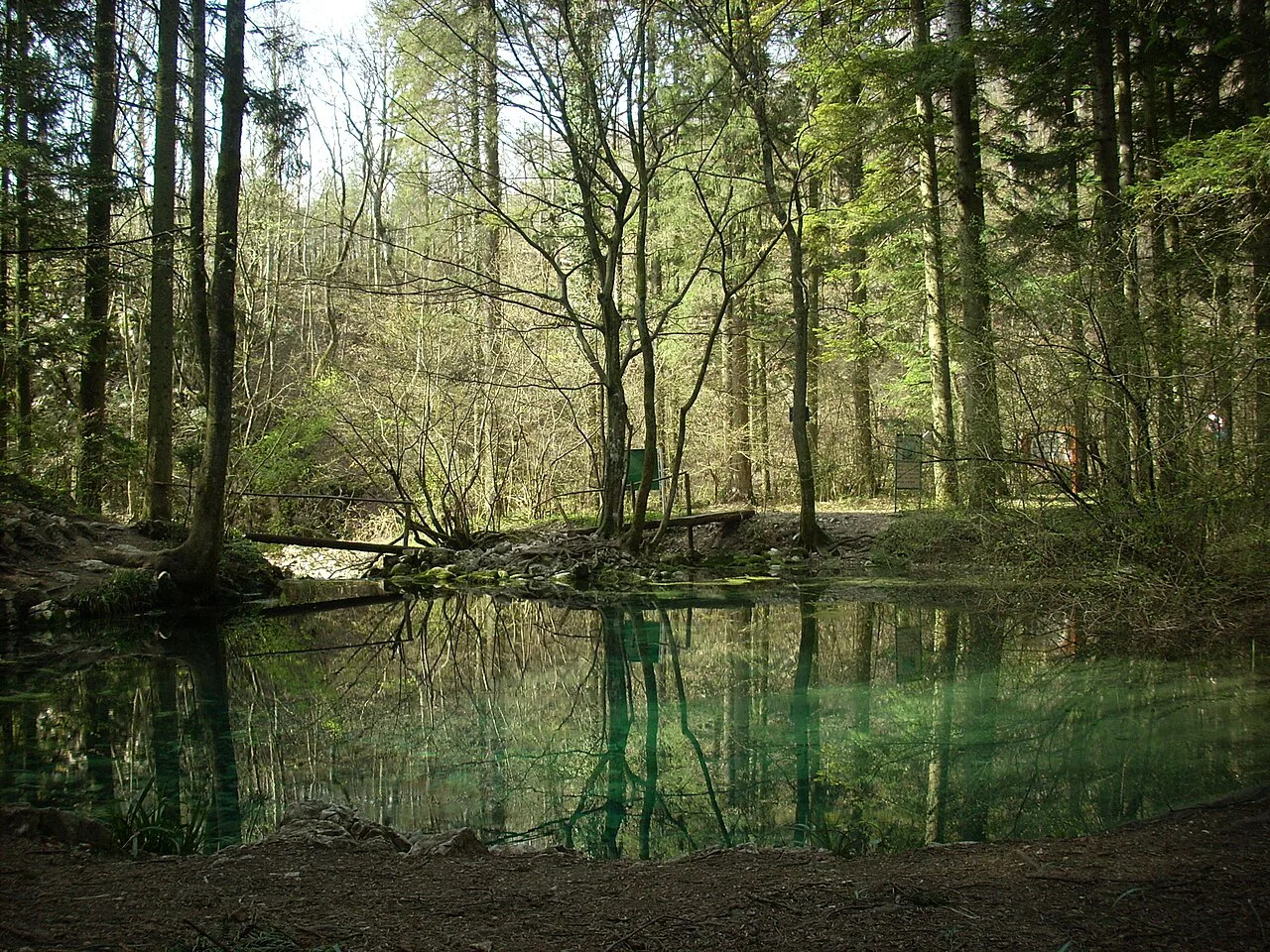
Because Ochiul Beiului sits inside the Cheile Nerei-Beușnița National Park, treat the site as protected land: stay on the established path, take litter out with you and leave the water and banks as you find them. The lake is a karst feature within the park, so trampling the edges works against what you came to see. Keep dogs under control and avoid disturbing wildlife in the woods.
Romania's national parks can set their own visiting rules, and these may differ in what is allowed on foot, by bike and with a vehicle. Check the park's own information before you plan a route through it. The wider spread of Romania national parks is a useful starting point if you are stringing several together on one trip.
Where to go next in the area
The Nera gorges are the natural extension of a day at Ochiul Beiului, and the park's other sights sit along the same network of valleys. Plan your next stop with the Carpathian Mountains guide, which covers the ranges and how to plan a route between them. That keeps the driving realistic and avoids turning the lake into a longer journey than it deserves.
If you want a second mountain park on the same trip, Retezat National Park offers 80 glacial lakes and 50 peaks over 2,000 metres, a step up from the small lake at Beu. The two make a sensible pair for travellers who want both a short stop and a proper mountain day. Book the Retezat day for when the weather is settled.
Is Ochiul Beiului worth the detour?
Yes, as a brief stop on a Beu valley drive, paired with the Beușnița waterfall next to it. Do not build a whole day around it: the lake is small and the visit is short. Come with a plan for the rest of the day and you will get the best out of the detour.
Before you go, confirm the condition of the valley road and the weather, then set out early enough to walk the path without rushing. Leave the lake as you found it, and make the Nera gorges or another mountain park your main objective for the day.
Explore more Romania guides
Sources
- RETEZAT National Park, Carpathian Mountains – ROMANIA
- PIATRA CRAIULUI National Park, Carpathian Mountains – ROMANIA, Travel and Tourism Information.
- Salina Turda – Poartă spre inima Transilvaniei
- ROMANIA's Regions and Main Cities - Data and Information for visitors. Brochures, maps and photos of Romania regions and cities.
- Valea Beiului: Cascada Văioaga, Ochiul ...
- Ochiul Bei • Reper natural - Outdooractive
- Lacul Ochiul Beiului - map, guide and game
Useful notes for your next trip
Optional updates to our guides.
You might also like

Continue reading
More guides you'll find useful