Romania National Parks: Which to Visit and What to Expect
Romania has 14 national parks and 17 natural parks. Here is what the main parks offer visitors, how to reach them and the trail rules that shape a visit.
On this page
Romania has 14 national parks covering 3,223 square kilometres and 17 natural parks covering 5,492.33 square kilometres, so the first decision is which kind of protected area you actually want. The parks that draw most walkers sit in the Carpathian Mountains, and each one trades access against solitude in a different way. This guide covers the main parks, how to reach them, guided walking options and the rules that apply on the ground.
Treat a park visit as a logistics problem before a scenery problem. Whether you have a car decides more about your day than which ridge you pick, and the parks with the easiest public transport are also the busiest. The sections below work through that trade-off park by park.
What Romania's national parks are and how many there are
National parks and natural parks are separate categories in Romania, and the Danube Delta is a reserve again rather than either. The national parks total 3,223 square kilometres across 14 areas, while the 17 natural parks cover 5,492.33 square kilometres. For a visitor the practical difference is that national parks tend to be stricter about where you walk and what you do inside them.
Park fees and rules are set locally rather than by one nationwide scheme, so build your plan around transport and time and check charges with each park administration before you commit. The parks worth knowing include Piatra Craiului, Bucegi, Retezat, Apuseni, Ceahlău and the Danube Delta.
Piatra Craiului National Park: the limestone ridge and where to base yourself
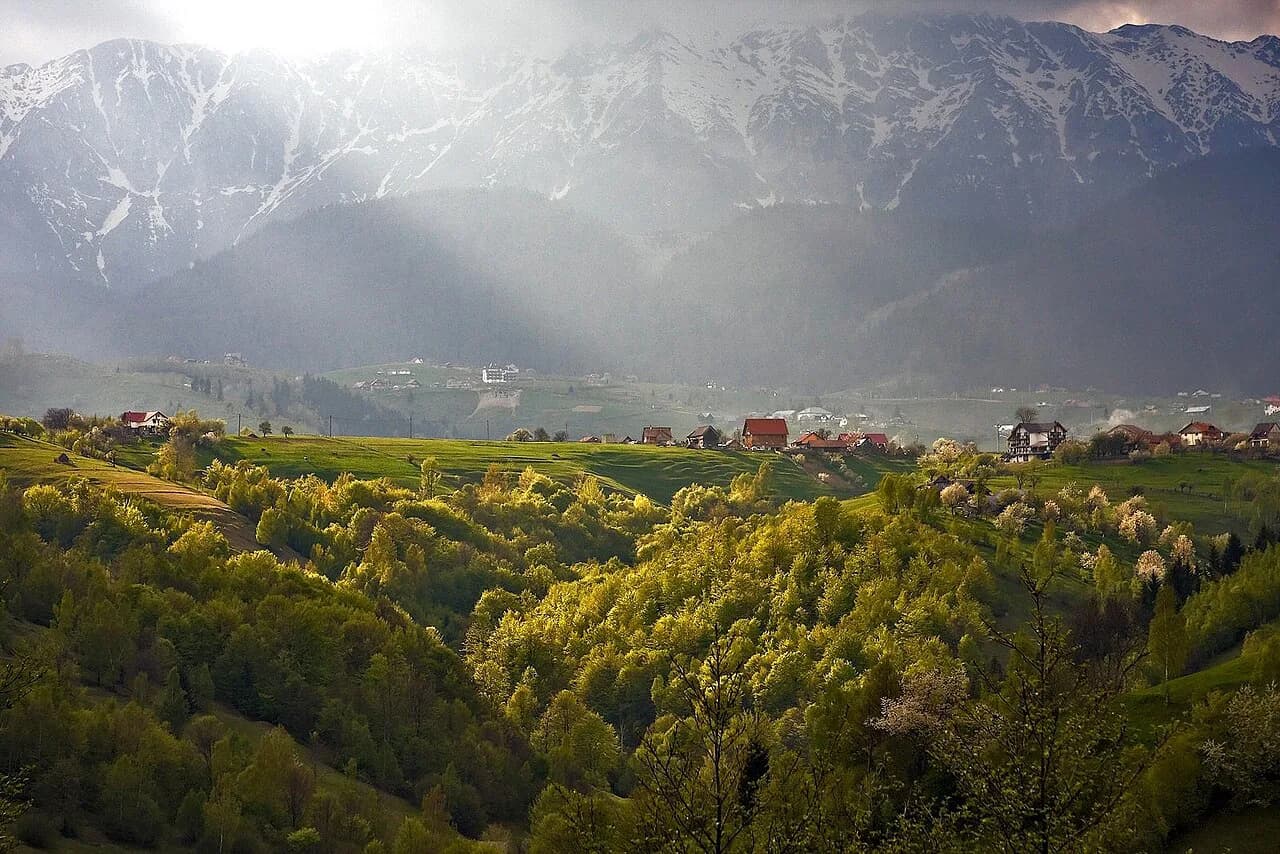
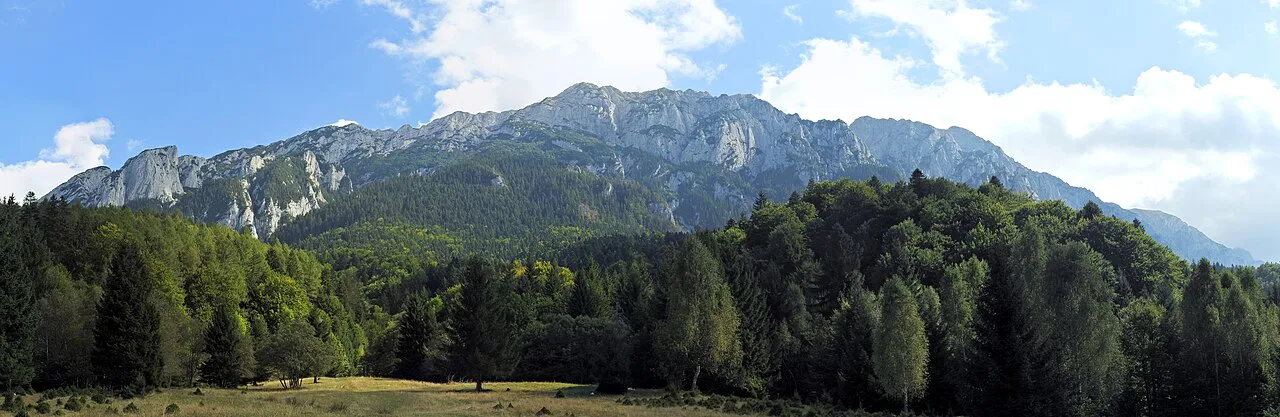
Piatra Craiului National Park is the one to choose if you want a single dramatic limestone ridge as the centrepiece of a few days. The common approach is from the villages on its northern and southern flanks, which puts you close to the trailheads without a long drive each morning. Base yourself in one of those villages and you can walk from the door rather than commuting in.
The ridge itself is not served by public transport, so plan to reach a gateway town first and arrange the last stretch from there by taxi or a pre-booked transfer. Somewhere to leave a car helps if you are driving in for the day.
The park's pull is the ridge line itself rather than any single viewpoint, and the trade-off is that the most direct routes up are the steepest. Give yourself a full day for a there-and-back on the ridge instead of squeezing it into an afternoon. Carry water from your base, because facilities thin out quickly once you leave the villages.
Bucegi Natural Park: the plateau, the resorts and the busiest paths
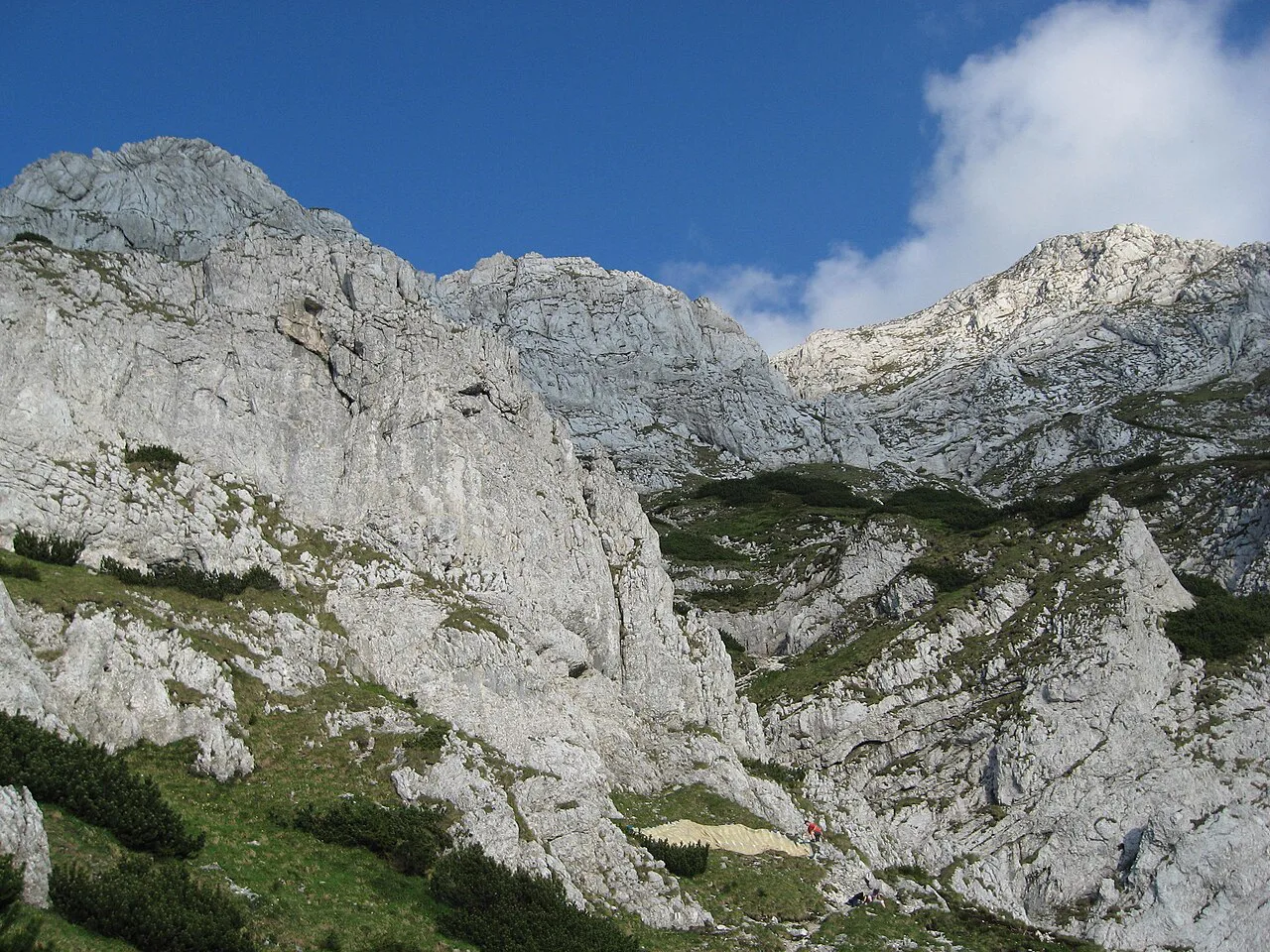
Bucegi is a natural park rather than a national park, and its plateau above the Prahova valley resorts is among the most accessible high ground in the Romanian Carpathians. That accessibility is exactly why it fills up, with cable-car and road access putting a lot of people on the same paths. Come early in the day or pick a weekday if you want the plateau to yourself.
It suits travellers who want a mountain day without committing to a remote expedition. You can stay in a valley resort with normal hotels, restaurants and a railway station, and still be on high ground within a few hours. The cost is crowds at the arrival points and a less wild feel than Retezat.
Retezat National Park: the remote option and what that costs you in time
Retezat National Park in the Southern Carpathians is the pick when solitude matters more than convenience. It sits away from the main tourist corridors, so getting to a trailhead takes a meaningful chunk of a day. Budget an extra night on each side of your walking days rather than trying to bolt Retezat onto a Brașov-based itinerary.
The remoteness shapes everything else too: fewer guesthouses near the access points, less public transport and a greater reliance on your own vehicle or a pre-arranged transfer. In exchange you get a park where the paths are quieter and the landscape feels less managed for visitors. If you have only a long weekend, Bucegi or Piatra Craiului will give you more walking per day of travel.
Apuseni and Ceahlău: the western and Moldavian alternatives
Apuseni, in the west of the country, spreads across a plateau of villages and caves rather than a single sharp ridge, and it works well if you are basing yourself in Cluj-Napoca or Oradea. Ceahlău is the eastern counterpart, best reached on a Moldavian loop that takes in the Bicaz gorge. Both reward a car more than the Prahova valley parks do.
If you are already touring the painted monasteries of Moldavia, Ceahlău fits naturally into the same few days. Pair it with the Bicaz gorge road, which is a scenic drive in its own right rather than a walk. This is the part of the country where a hire car genuinely changes what you can see in a day.
Danube Delta and other protected areas: reserve versus national park
The Danube Delta is a reserve, not a national park, and it behaves differently: you are mostly on water rather than on foot. Plan it as a separate trip from a Carpathian walking week, and treat boat access, not trail access, as the constraint that shapes the itinerary.
Beyond the parks named here, Romania's protected areas include smaller reserves and natural parks scattered across the country. Check which category a place falls into before you plan around it, since the rules and access differ. The 14 national parks and 17 natural parks are the frame for that check.
How to reach the parks without a car
Public transport gets you to the valley towns and resorts on the edge of the parks, not to the trailheads. Brașov and the Prahova valley resorts are the easiest bases for Bucegi, with rail connections and local buses up the valley. For Piatra Craiului you reach a gateway town first and then need a taxi or a pre-booked transfer for the final stretch.
For Retezat the calculation is harder: trains serve the wider Hunedoara area, but the last leg to an access point is where a car earns its keep. If you have no vehicle, a small-group walking holiday removes that problem by including transfers. The honest summary is that public transport covers the popular parks and leaves the remote ones to drivers and organised groups.
Guided versus self-guided walking, and what a tour includes
Small-group walking holidays solve the transfer problem and the route-finding problem at once. One four-day walking holiday in Romania's national parks, covering Bucegi Natural Park and Piatra Craiului National Park, is priced from 699 to 889 euros excluding flights, with a single supplement of 68 euros and a solo traveller rate of 1,389 euros. Those figures are the tour price, not a park entry fee, and they show how the private-group format changes cost per person.
That particular trip runs as a private tour capped at six tourists, which is why the per-person price sits where it does: you are effectively buying a vehicle, a guide and small family guesthouse rooms rather than joining a large coach group. The itinerary is tailor-made through the year, so dates are arranged around your booking rather than fixed departures. Ask what is included before comparing it with a self-drive plan.
Self-guided walking costs less but hands you the transfers, the weather calls and the navigation. It suits confident walkers with a car and a few spare days. The guided format suits anyone on a short trip who wants the logistics removed. Neither is better in the abstract; they answer different constraints.
Rules on marked trails, wildlife and rubbish
Stay on marked trails. On multi-day treks this is a condition of the guided format described above, and it matters for erosion and for wildlife disturbance: parties walking single file down the middle of the path limit the damage to the edges. Keep noise down so that both people and animals keep the balance of the area.
Carry out everything you bring in, and treat picking flowers as off-limits in practice: a photograph is the only thing you should take. Reusable water bottles reduce the plastic trail that accumulates at popular access points. These are small habits, but on busy paths such as those above the Prahova valley they decide whether the park holds up.
Where to find park visitor information before you go
Opening hours, entry charges and seasonal closures are set locally and change, so confirm them with the park administration before you travel. The same applies to cable cars and mountain huts, which run their own schedules. Build a buffer into your itinerary.
The 14 national parks and 17 natural parks are the reliable frame for picking a destination, and the gateway towns and resorts are where you resolve the rest. Work out your transport first, choose the park that matches it, then confirm the local details.
Which park fits your trip
Pick Bucegi for the easiest access and accept the crowds, Piatra Craiului for a ridge-focused few days from a village base, and Retezat if you have a car and time to spare. Apuseni and Ceahlău work best folded into a wider loop through Cluj-Napoca or Moldavia, and the Danube Delta belongs on a separate itinerary.
Decide on transport before you decide on scenery: without a car, the public-transport parks and a small-group walking holiday are the realistic options, while a vehicle opens up Retezat and the west. Then confirm local charges and hours with the park administration before you book anything non-refundable.
Explore more Romania guides
Sources
Useful notes for your next trip
Optional updates to our guides.
You might also like
Continue reading
More guides you'll find useful