Wolves in Romania: Where They Live and How to See Them
Wolves roam Romania's Carpathian Mountains. Here is where they live, when tracking trips run, how sightings work and what responsible watching involves.
On this page
Yes, there are wolves in Romania, and your realistic chance of seeing one comes on a guided tracking trip in the Carpathian Mountains rather than on a casual walk. Wolves are elusive and mostly nocturnal, so trips are built around a researcher's knowledge of pack territories, pre-dawn starts and late-night listening sessions. This guide covers where wolves live, the winter window when they are easiest to detect, and what a responsible tracking trip involves.
Romania holds around 3,000 grey wolves, over 10 percent of Europe's wolf population, ranging across the forested and protected valleys of the Carpathian Mountains. The practical questions for a visitor are timing, base town and expectations: snow in winter shows tracks clearly, and January to April is mating season, when howling carries across valleys.
Where in Romania do wolves live?
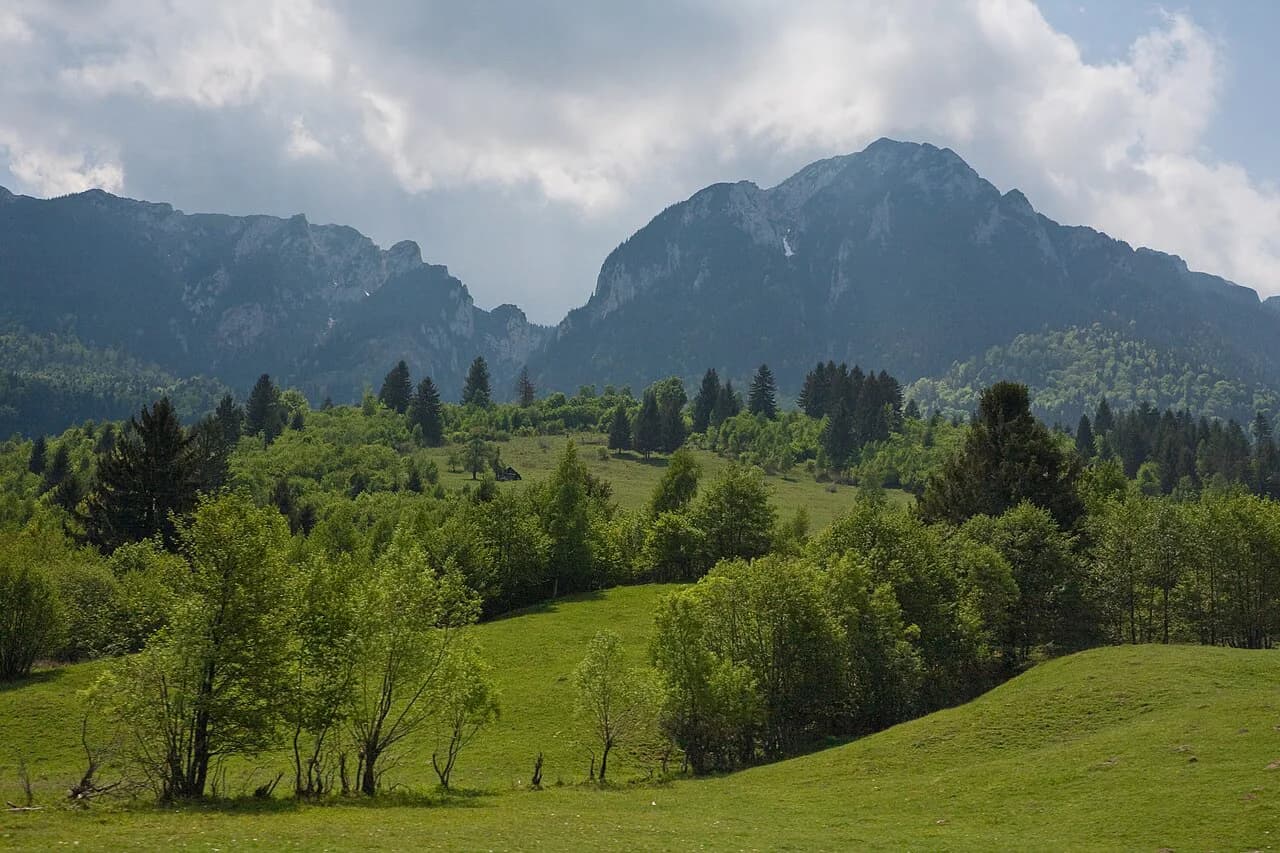
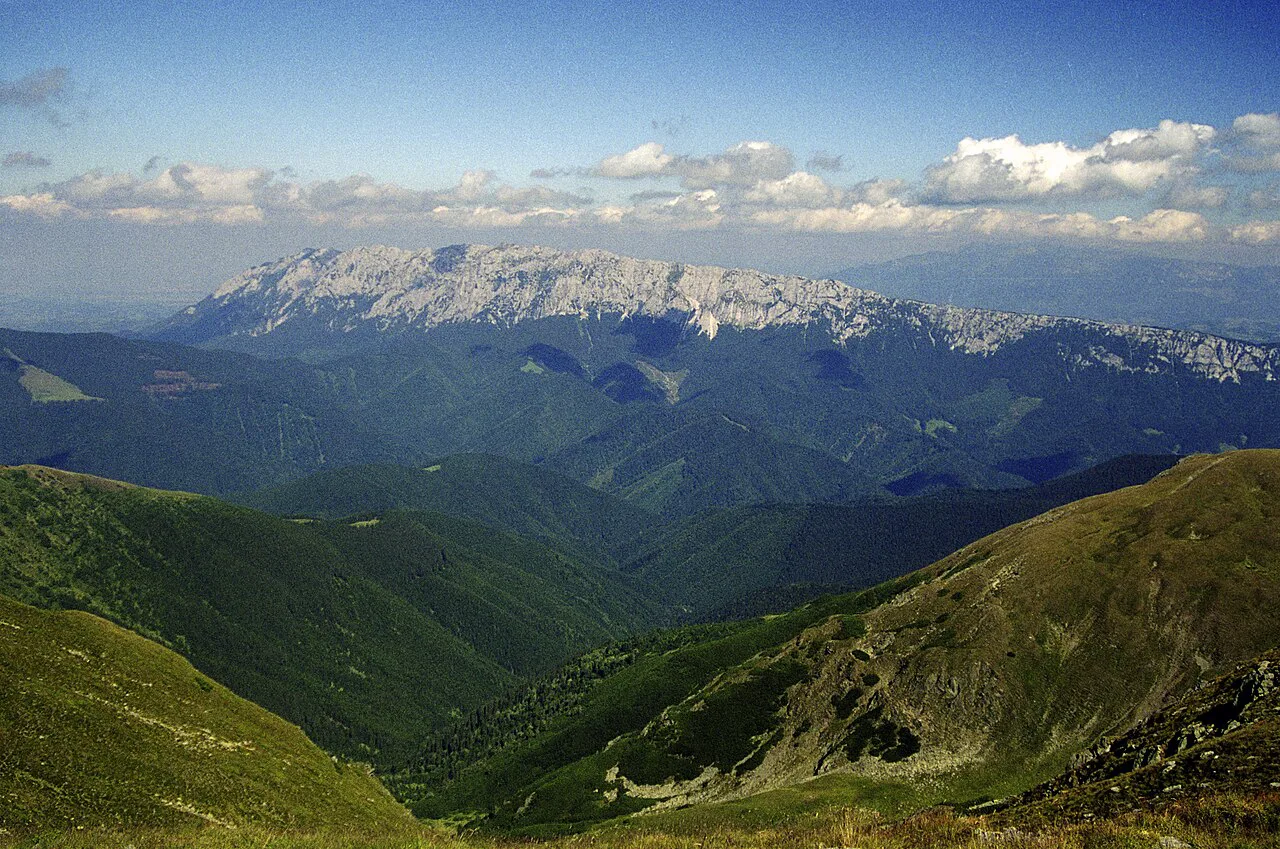
Romania's wolves centre on the Carpathian Mountains, particularly the deep, forested valleys of Transylvania where wild boar, roe deer, red deer and chamois give them prey. The International Wolf Center describes the rugged Carpathians as the wolf's saving grace in Romania, with abundant deer and wild boar providing food across roughly 80 percent of the mapped range.
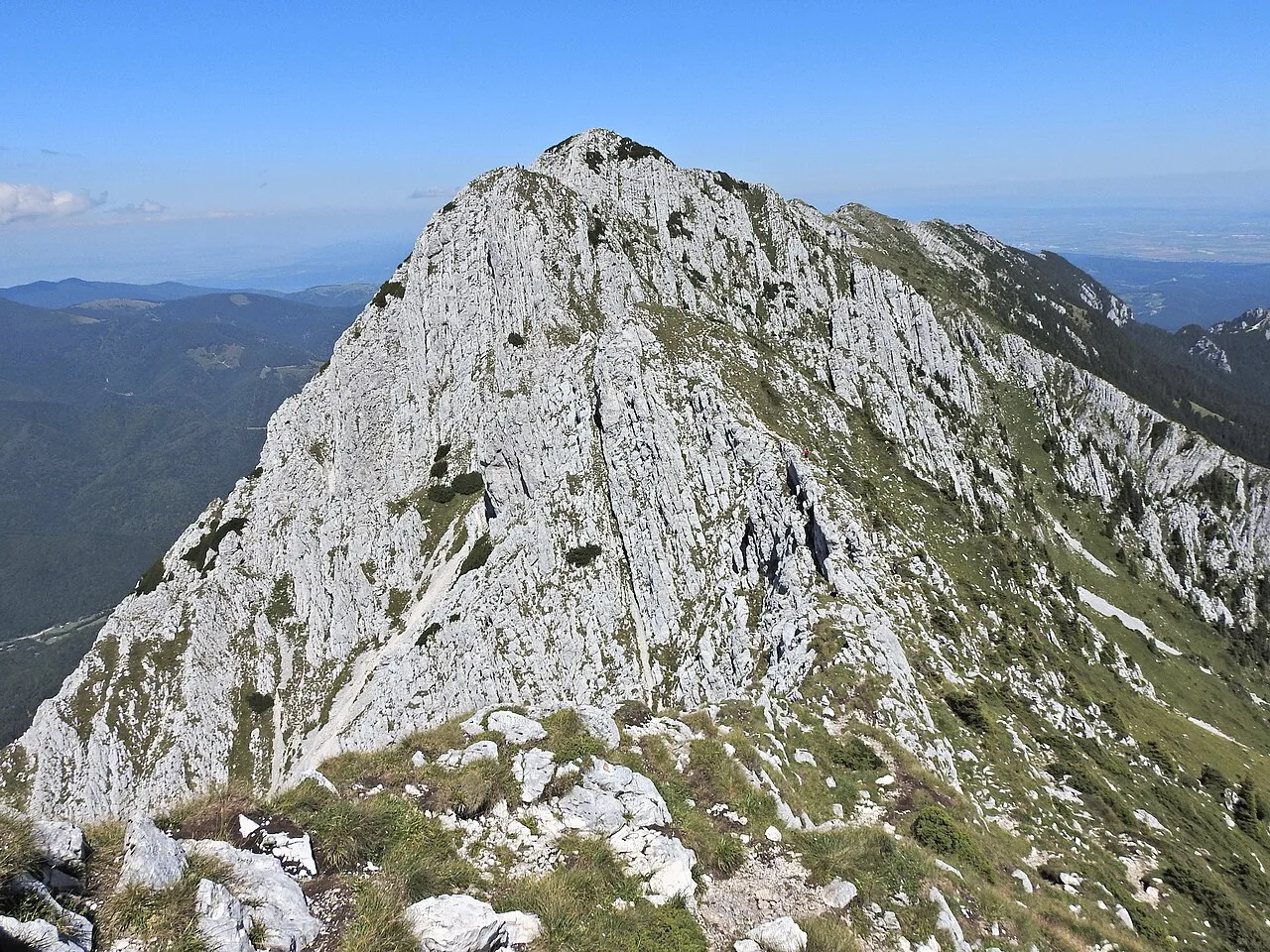
For a sense of the wider mountain landscape, our guide to the mountains in Romania covers the main ranges and how they connect, while Romania's national parks and Piatra Craiului National Park are where protected forest and limestone ridges give wildlife room. Wolves keep to isolated, protected valleys, so the practical search area is remote forest rather than farmland close to towns.
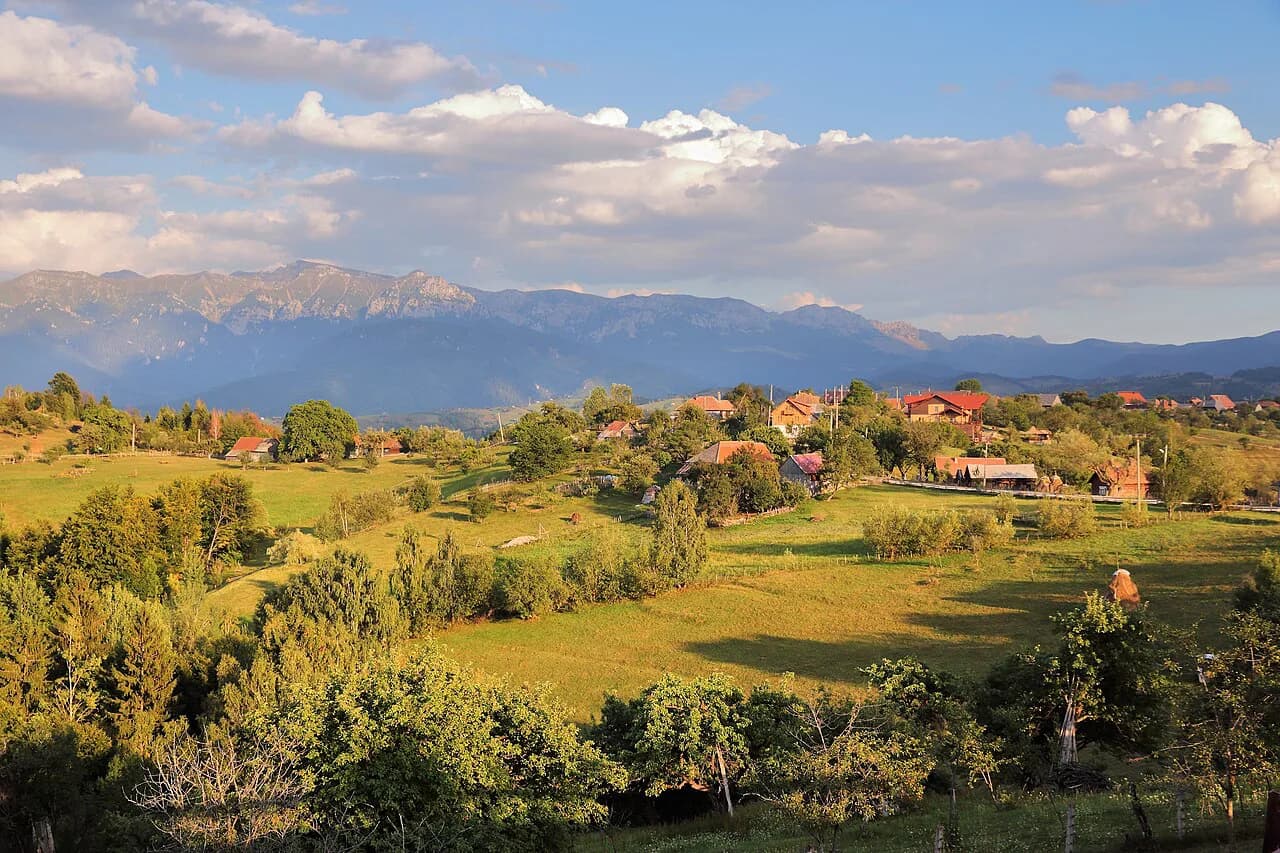
In the Southern Carpathians, the forests and slow-paced villages around Retezat National Park and Hunedoara county hold bears and wolves alongside people, and that mix of wild forest and small settlement is typical of wolf country. Wildlife here is not confined to reserves; it moves through working landscapes.
How many wolves are there in Romania?
Figures vary by method. The International Wolf Center, in a page last updated in 2018, records that the World Wildlife Fund estimates 2,300 to 2,700 wolves, while official estimates put the number closer to 5,800, with an increasing trend and full legal protection despite some illegal killing over livestock losses.
Are there any wolves in Romania? Yes. Romania's wolves live mainly in the Carpathian Mountains, especially the forested valleys of Transylvania, where deer and wild boar provide prey.
How many wolves are there in Romania? Estimates vary widely. Responsible Travel puts Romania at around 3,000 grey wolves, about 10 percent of Europe's population, while the International Wolf Center records a World Wildlife Fund estimate of 2,300 to 2,700 and official estimates closer to 5,800.
For context, Responsible Travel puts Romania at over 10 percent of Europe's wolf population, around 3,000 grey wolves. Treat population counts as estimates that shift with counting methods and year, and read them as orders of magnitude rather than exact totals.
When are wolves most visible in Romania?
Winter gives you the best conditions for tracking. Snow in the Carpathians holds paw prints clearly, and January to April is mating season, when wolves move through the mountains looking for a mate and howling carries across the valleys, making this the window with the best chance of seeing and hearing them.
Outside that window, wolves are harder to detect: they are mostly nocturnal and their coat blends into the rocky terrain. A summer visit to the mountains, covered in our guide to the Ceahlău mountain and national park or the Bicaz gorge, is a walking trip first and a wildlife trip a distant second.
What a wolf tracking trip involves
You need a specialist wildlife tour operator. Wolves are not animals you bump into on a normal walk, so trips run with guides who are usually researchers or conservationists and who know individual routines and pack territories. Days are long and shaped around the animals: out before sunrise, back after dark, with extra late-night tracking sessions built in.
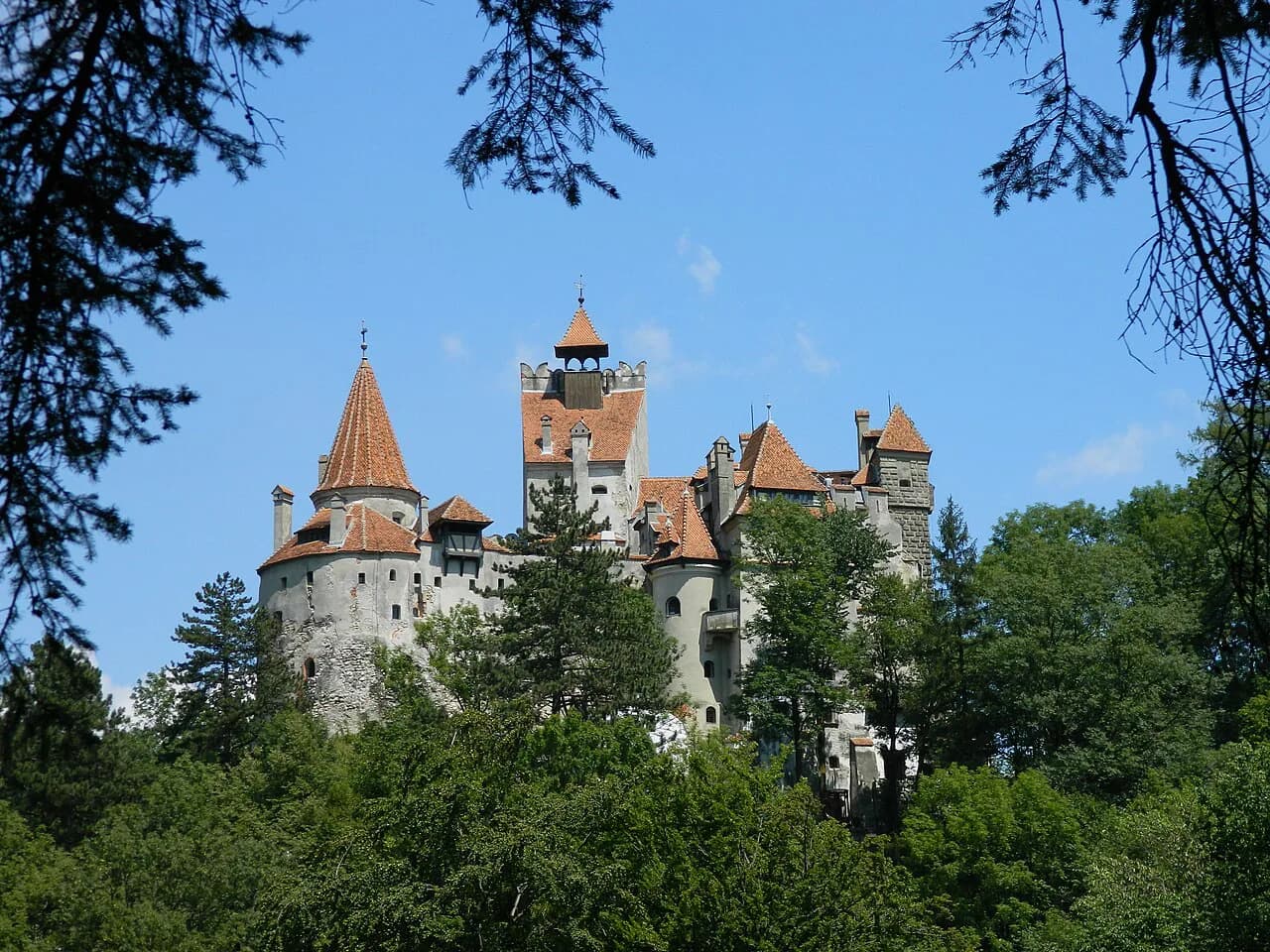
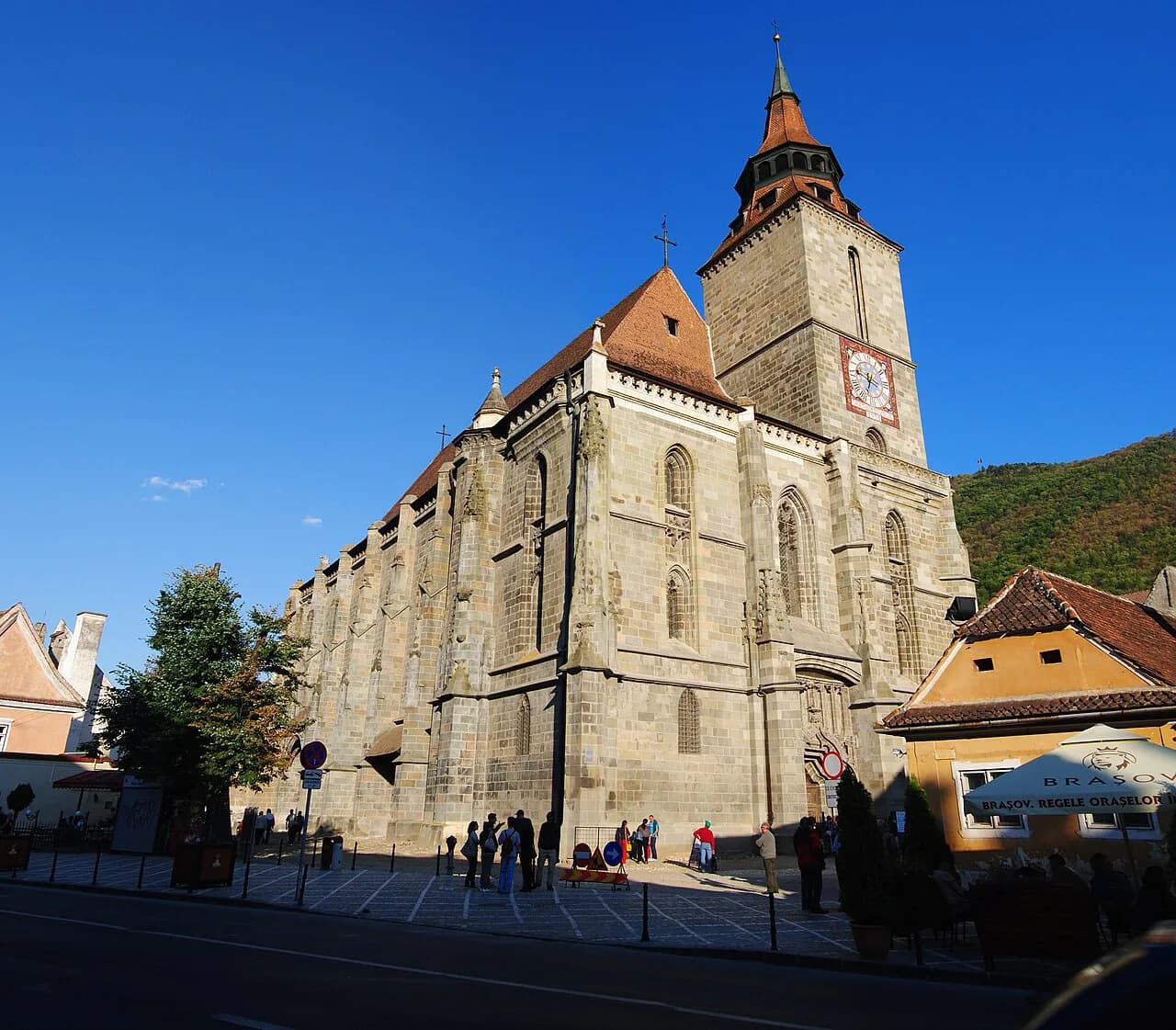
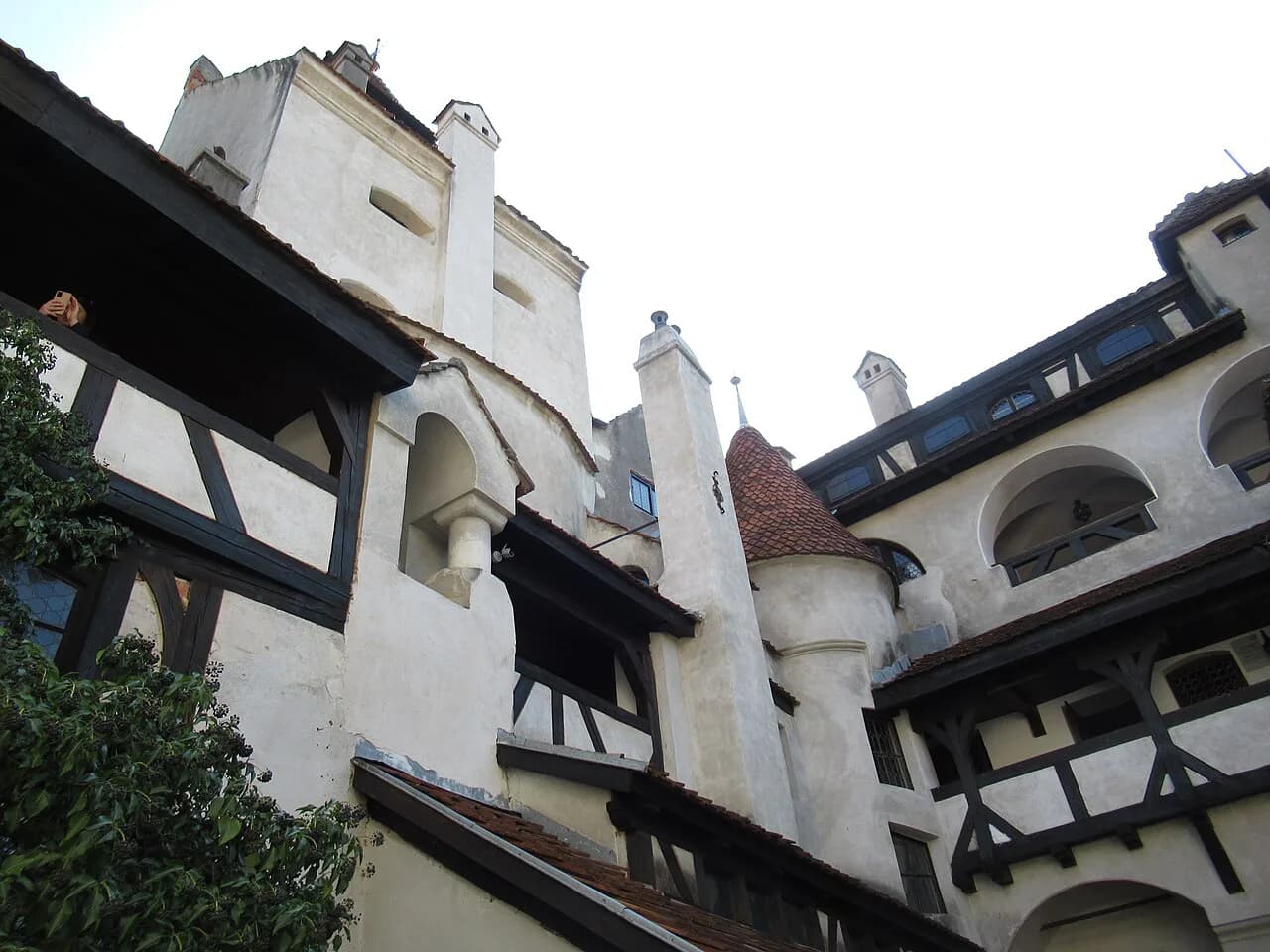
Most wolf tracking holidays last about six days, though operators tailor them, and you can add sightseeing days to take in Bran Castle or the medieval centre of Brașov. Accommodation tends toward family-run guesthouses. Trip prices and departure dates change, so confirm them with the operator before booking.
Where tracking trips base themselves
Tracking holidays commonly base in a small foothill town such as Zărnești, at the foot of the Piatra Craiului range, which puts guides close to forested valleys before dawn.
Some trips spread time across wolves, bears, lynx and birds rather than concentrating on one species. If wolves are the goal, choose a dedicated tracking trip that spends full days in the field with a researcher, and use a broader wildlife itinerary as a complement rather than a substitute.
Group size and why small groups matter
Most wolf tracking tours accept small groups of around four to six, which keeps the impact on wildlife and the environment low and makes the group easier to move quietly through forest. Smaller groups also let a guide read tracks and sign without a crowd of boots trampling the snow.
Book early if you want a winter place, since small groups fill fast in the January to April window. Ask how many guides and trackers accompany each group, and whether viewing distances are set by the guide.
What you might see and hear
The realistic rewards are tracks in fresh snow, a line of paw prints along a forest track, and the sound of howling across a valley. Keeping your distance matters: wolves dislike human company, and not crowding them is what lets them howl, hunt and court undisturbed.
A trip is also a chance to learn how wolf conservation works in Romania, including conflict with farmers. If you want the wider natural context, our pages on the caves in Romania and the lakes in Romania show how varied the Carpathian landscape is beyond the forest itself.
Why sightings are never guaranteed
No operator can promise a wolf. The animals are elusive, largely nocturnal and well camouflaged, so a trip is tracking rather than a guaranteed viewing, and the schedule is planned to raise your chances rather than to deliver a certainty. Go expecting long hours in the field and enjoy the signs of wolves as much as a sighting.
This is worth weighing against cost and effort. Nat Geo's reporting on bears, wolves and rewilding in the Southern Carpathians sets out how the region's wildlife is changing, which helps put a wolf tracking trip in its wider context.
If you build a wider mountain trip around the tracking days, the waterfalls in Romania include Seven Ladders Canyon near Brașov, an easy add-on for a rest day. Bear in mind that a rest day is not a wolf day, so keep the two separate in your planning.
Farmers, livestock and the wolf in rural Romania
Wolves and livestock sit at the heart of how wolves are treated. Responsible Travel explains that even one goat killed is a serious loss for farmers living in poverty, and that strict gun laws and poor compensation processes push some toward damaging control methods. Understanding this tension is part of responsible watching.
The International Wolf Center notes that wolves have full legal protection in Romania but that illegal killing occurs due to depredation on livestock. A good guide will explain both sides, and you should treat the landscape as a working one, not a wilderness park.
Is a wolf tracking trip worth it for you?
Wolves are present across Romania's mountains, but seeing one takes a guided winter trip, small group and realistic expectations. If you want tracks, howling and a researcher-led look at conservation, base in a foothill town such as Zărnești between January and April and book a dedicated operator well ahead. Confirm current prices and departures directly with the operator before you commit.
Explore more Romania guides
Frequently Asked Questions
Are there any wolves in Romania?
Yes. Romania's wolves live mainly in the Carpathian Mountains, especially the forested valleys of Transylvania, where deer and wild boar provide prey. Population estimates vary by method and year, so treat figures as approximate.
How many wolves are there in Romania?
Estimates vary widely. Responsible Travel puts Romania at around 3,000 grey wolves, about 10 percent of Europe's population, while the International Wolf Center records a World Wildlife Fund estimate of 2,300 to 2,700 and official estimates closer to 5,800. Read any figure as an estimate rather than a precise total.
Sources
Useful notes for your next trip
Optional updates to our guides.
You might also like

Continue reading
More guides you'll find useful