Wallachia, Romania: Where It Is and What to See There
Wallachia is the historical region covering Bucharest and southern Romania. Here is where it sits, which towns fall inside it, and how to reach them.
On this page
Wallachia is the southern historical region of Romania, and Bucharest is its main city and the practical base for most trips through it. Romanians call it Țara Românească, and the Olt river divides it into two halves: Muntenia in the east, where Bucharest sits, and Oltenia in the west. This guide sets out where its borders fall, which towns and sights belong inside it, and how to move between them by train, bus or car.
Treat Wallachia as the corridor between Bucharest and Transylvania rather than a single destination. The Prahova Valley carries the road and rail line north through Sinaia and Peleș Castle towards Brașov, which makes the region easy to fold into a longer Romanian itinerary. The detail on individual sites below sticks to what organiser and tourism-board pages publish, and points you to the place that confirms tickets and opening days.
Where Wallachia sits on the map
The Danube forms Wallachia's southern edge, Transylvania lies to the north, and Moldavia sits to the east. The Olt river runs through the middle, separating Muntenia around Bucharest from Oltenia towards the Danube and the Jiu valley. Locating those four neighbours on a map of Romania makes the region's shape clear.
Romania's historical regions are routinely grouped together in tourism material, and a city index running from Bucharest and Alba Iulia to Timișoara and Iași is a useful place to start when you are working out which province a town belongs to. Open the town's own page for sight-level detail once you have picked it.
The southern Carpathians mark much of the northern boundary. Piatra Craiului National Park sits in the Southern Carpathians, with Brașov about 20 miles to its north-east and Bucharest roughly 98 miles south, so the mountain edge of Wallachia is a long day's excursion from the capital rather than a short hop.
Bucharest: the region's practical base
Bucharest is where most visitors start, and it rewards a day of walking rather than a checklist. The Lipscani old centre and the Ateneul Român concert hall are central and easy to combine on foot. Book any Ateneul Român performance or a Palace of the Parliament tour directly with the venue, because entry arrangements are set by the institution rather than by any tour desk.
Was Wallachia part of the Ottoman Empire? Wallachia was a principality on the Ottoman Empire's northern edge for centuries, and it is best understood as a separate entity under Ottoman influence rather than a province ruled directly from Constantinople. Its political relationship with the empire changed over time.
Is Dracula from Wallachia or Transylvania? Bram Stoker's Dracula is a fictional character whose castle sits in Transylvania in the novel. The historical figure Vlad III ruled in Wallachia, and Wallachian sites such as Târgoviște are where you find his history.
Which country did Romania belong to? Romania is the country; Wallachia is one of its historical regions, alongside Transylvania and Moldavia. Modern Romania was formed by the Union of these principalities, so Wallachia is a part of Romania rather than a separate country.
Use Bucharest as the fixed point of the trip. From the capital you can reach Târgoviște and Curtea de Argeș by road, and the Prahova Valley line runs north towards Sinaia and Brașov. Trains and buses cover these routes, and Romanian domestic timetables are the thing to check before committing to a day.
Târgoviște and Curtea de Argeș: former capitals and princely courts
Târgoviște and Curtea de Argeș both held princely courts before Bucharest became the capital, and each rewards a half-day. Târgoviște is known for its surviving court complex and the tower associated with Vlad III, while Curtea de Argeș has the cathedral and the remains of the Old Princely Court. Opening days and admission are set by each site's own administration, so confirm them with the site before travelling out.
Both towns sit within reach of Bucharest as day trips by car or bus, and neither needs a full night unless you want a slower pace. If you are building a loop north, Curtea de Argeș works well as a stop on the way towards the Olt valley and the mountains. Allow generous time for drives on secondary roads rather than trusting the distance alone.
The Prahova Valley: Wallachia's link to Transylvania
The Prahova Valley is the corridor that connects Wallachia with Transylvania, and Sinaia is its best-known stop. The railway line and the parallel road run north from Ploiești through Sinaia and on towards Brașov, crossing into Transylvania at the mountain pass. This is the route to take if you want to combine Bucharest with Brașov and Bran Castle in one trip; our Prahova Valley material covers how the crossing works in practice.
Sinaia itself is a mountain town built around the royal residence, and it works as an overnight stop rather than a rushed day return. Staying a night lets you see Peleș without the midday crush and catch an early train onward. Confirm train times for the Prahova line before you commit to a schedule, as services vary by season.
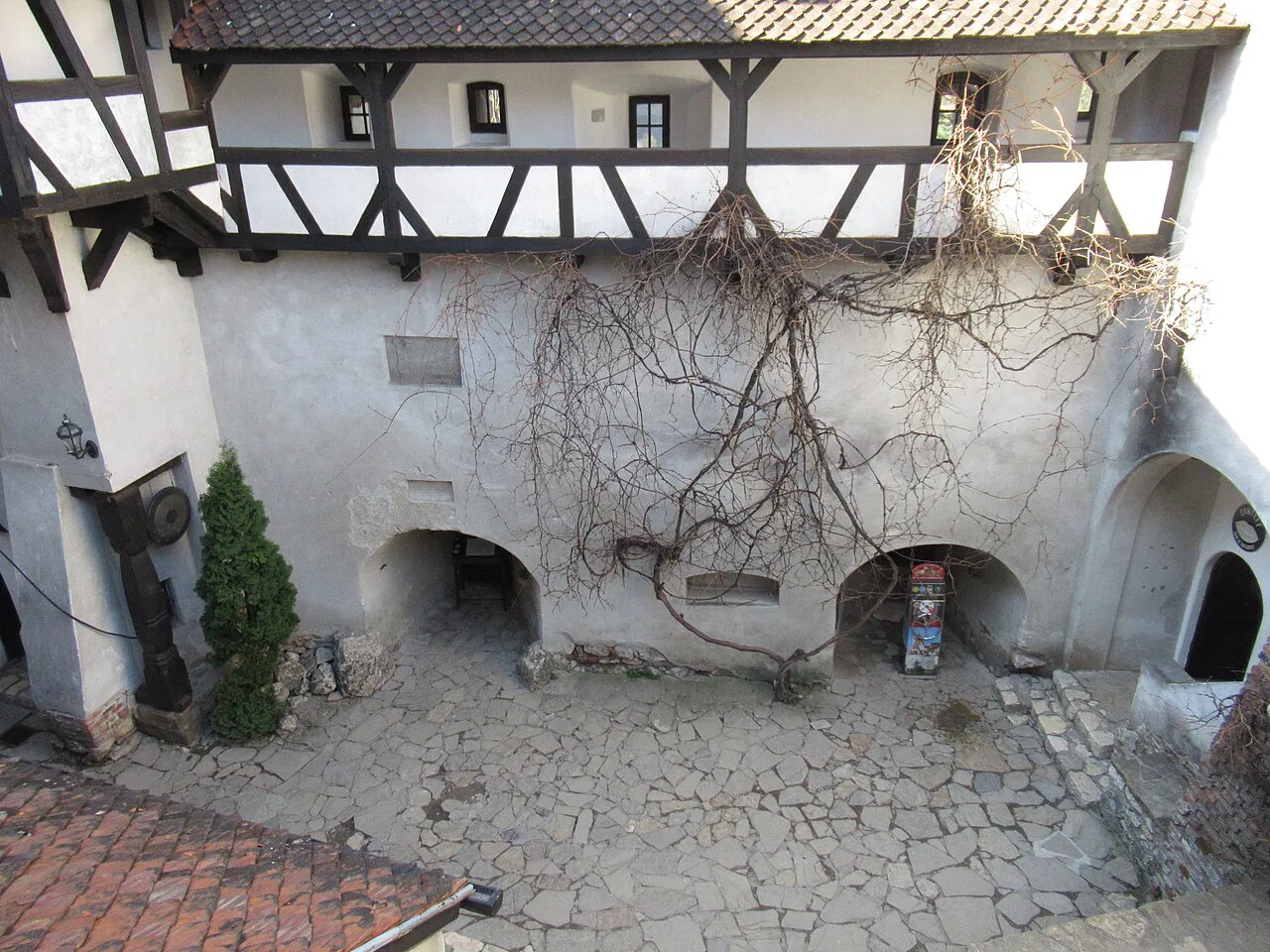
Peleș Castle at Sinaia: the royal residence
Peleș Castle is the royal residence most visitors to the region come to see, and it sits in Sinaia on the Prahova Valley route. Interior visits are typically organised in timed groups, and the castle's own administration publishes the current visiting arrangements and admission in lei. Check ahead with the castle, especially at weekends and in summer, when timed slots fill quickly.
The honest trade-off is crowding. Peleș draws coach parties from Bucharest and Brașov, so the middle of the day is the busiest time to arrive. Go early or late in the day if you want more space in the main rooms, and budget a couple of hours for the visit plus the walk from the town.
Getting around Wallachia without a car
Romania's rail network links Bucharest with the Prahova Valley towns and onward to Brașov, which makes the northern half of Wallachia straightforward by train. Buses fill the gaps for towns without a station, including parts of Oltenia. Timetables are best checked against the operators' own published schedules on the day you plan to travel.
A car gives you far more flexibility in Oltenia and around Curtea de Argeș, where bus connections are thinner. Hiring a car in Bucharest and driving out is the simplest way to see the monasteries and Danube towns in a single loop. If you rely on public transport, accept that some stops will cost you a full day.
Oltenia and the Danube: the western half
Oltenia is the western half of Wallachia, and it adds a different character to a southern Romania trip. The Danube runs along its southern edge, and the region is known for its monasteries and for the towns along the river. It is quieter than the Bucharest–Brașov corridor and rewards travellers who have already seen the headline sights.
The mountains behind Oltenia reach into the Southern Carpathians. Retezat National Park, in Hunedoara county, is reached from villages on its northern and southern edges, with seasonal minibus services from Ohaba de sub Piatră to the northern entrance at Carnic and from Petroșani and Lupeni to the southern entrances. Those seasonal services are the thing to confirm before relying on them.
Wallachia, Vlad III and Dracula
Wallachia is the historical context for Vlad III, the voivode whose court sites sit in the region, including Târgoviște. Bram Stoker's Dracula is fiction, and the novel's Transylvanian setting is a separate thing from the historical Wallachian ruler. Keep the two apart when you plan: a Vlad III site is a historical stop, while a Dracula-themed attraction is a literary one.
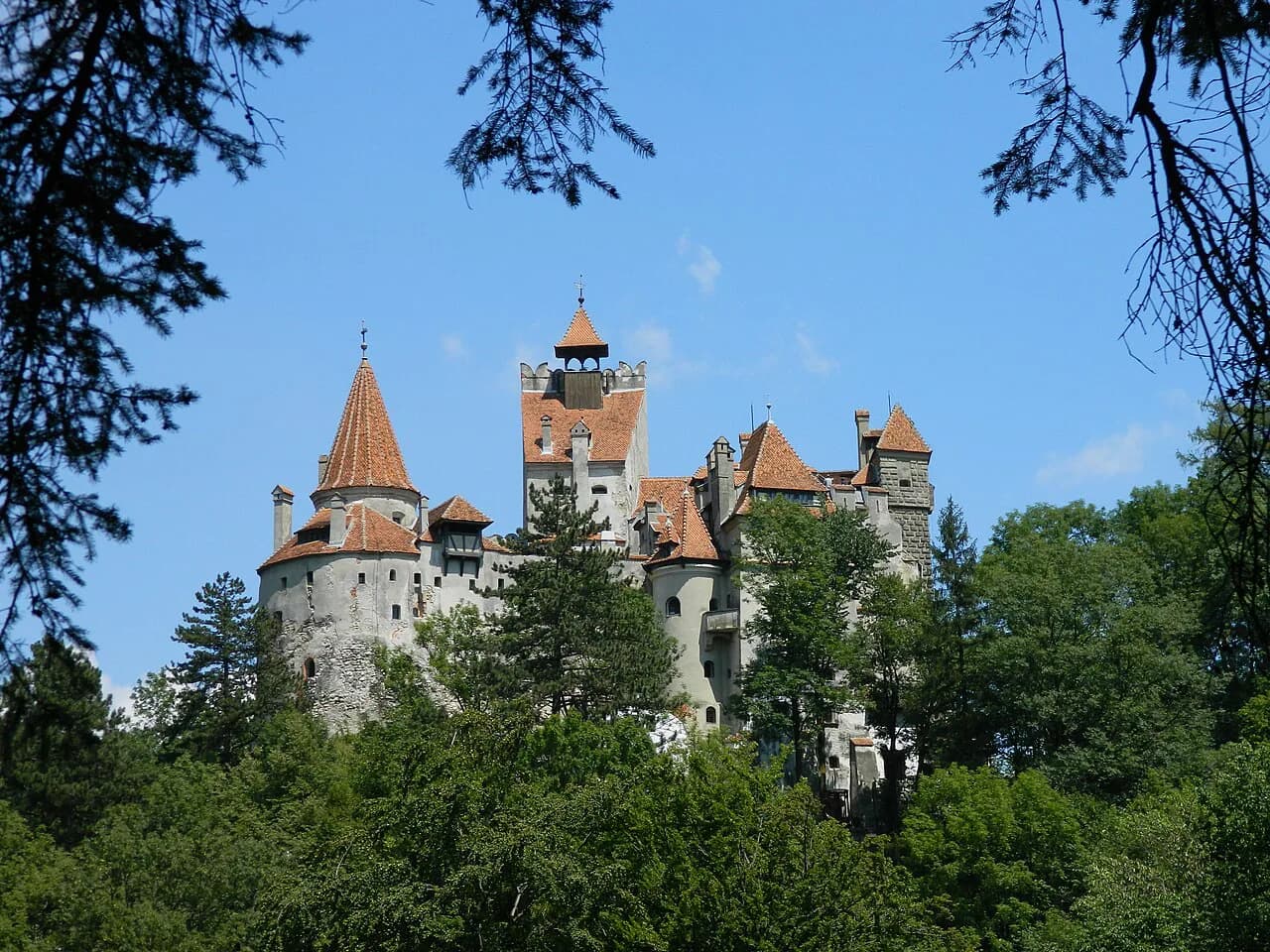
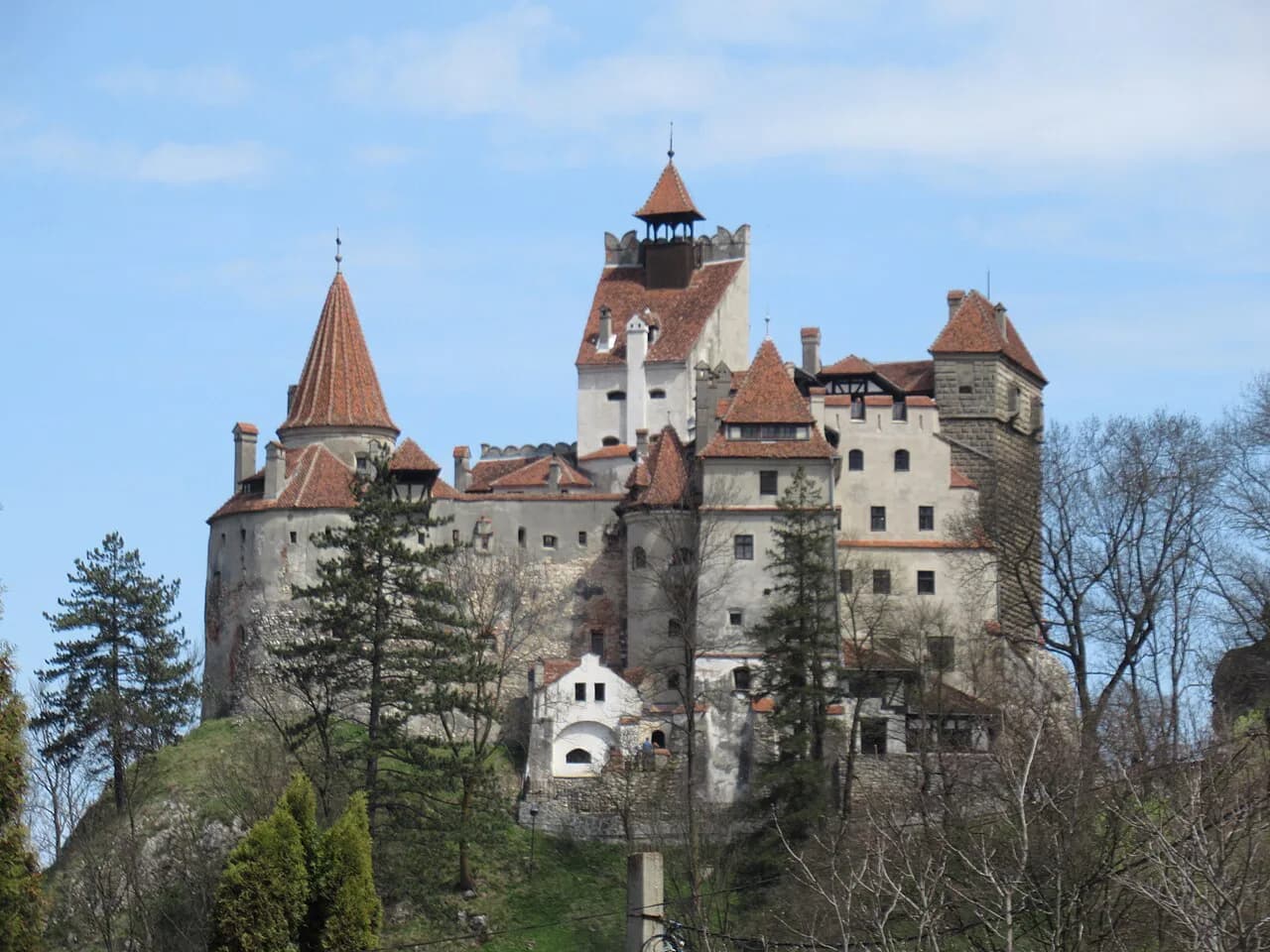
If Dracula is your reason for coming, understand that the character's castle in the novel is a fictional place, and that Bran Castle's association with the story is a later tourism link rather than a setting Stoker described. Treat any Dracula-branded stop as entertainment and any Vlad III site as history, and you will get more out of both.
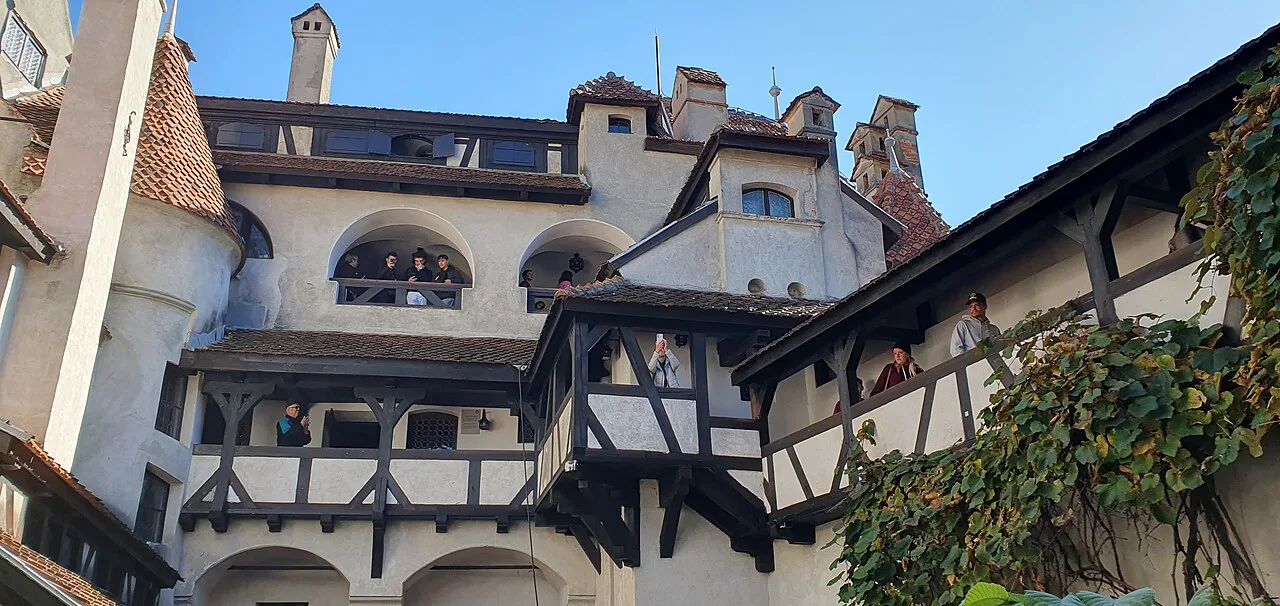
How Wallachia fits a Romania itinerary
Give Bucharest two or three nights and use it as your base, then add one night in Sinaia for Peleș and a night in Brașov on the other side of the mountains. Târgoviște and Curtea de Argeș fit as day trips from Bucharest or as stops on the drive north. If you want Oltenia, add two or three nights and accept that you will need a car or patience with buses.
The cut to make when time is short is Oltenia. The Bucharest–Prahova–Brașov axis delivers the capital, the royal castle and the crossing into Transylvania in a compact route, while the west of Wallachia needs its own days. Cross-check other regions such as Moldavia and Banat on the regions of Romania hub before you commit, so you can see what you are choosing between.
Where the name Wallachia comes from
Romanians call the region Țara Românească, and Wallachia is the name used in other European languages. The English name is the one you will meet in most travel writing, while local signs and pages often use the Romanian form. Using Țara Românească locally and Wallachia in English will get you understood in both contexts.
For practical purposes the two names refer to the same place, so do not read a separate destination into either. When you search for transport or sights, Romanian-language pages will mostly use Țara Românească or the county names, such as Prahova, Argeș or Dâmbovița. Searching by town rather than by region is usually more productive.
Practical points: tickets, opening days and crowds
Prices for Wallachian sights are quoted in lei, and they are set by each site rather than by a central body. Peleș, Târgoviște and Curtea de Argeș each publish their own admission and opening days through their own administration, so check the specific site before you go. Do not rely on a guidebook figure, as these change.
Distances in the region are modest by Romanian standards but allow generous time rather than trusting the map alone. Bucharest's old centre is walkable, while Sinaia and the mountain sites involve slopes and steps. Plan the Prahova Valley so the coach traffic is less of an obstacle if you want space at Peleș.
If you are continuing beyond Wallachia, the map of Romania and the regions of Romania hub show how the southern region connects to Transylvania, Moldavia and the Banat. Plan the crossing at the Prahova Valley so you see Sinaia and Peleș on the way rather than doubling back. That single decision saves a day of travel.
Which Wallachia route should you book?
For a first trip, take Bucharest, then Târgoviște or Curtea de Argeș as a day out, then Sinaia for Peleș, then cross into Transylvania at Brașov. That route covers the capital, a princely court and the royal castle without a car, using trains and buses on the Prahova line. Add Oltenia only if you have the days and are willing to drive.
Once the route is set, confirm the current opening days and admission with each site directly, and check the Prahova Valley train times before you lock in nights. Everything else in Wallachia is flexible enough to adjust on the road. Treat the region as the southern half of a Romania trip rather than a destination in its own right, and the plan falls into place.
Explore more Romania guides
Frequently Asked Questions
Was Wallachia part of the Ottoman Empire?
Wallachia was a principality on the Ottoman Empire's northern edge for centuries, and it is best understood as a separate entity under Ottoman influence rather than a province ruled directly from Constantinople. Its political relationship with the empire changed over time.
Is Dracula from Wallachia or Transylvania?
Bram Stoker's Dracula is a fictional character whose castle sits in Transylvania in the novel. The historical figure Vlad III ruled in Wallachia, and Wallachian sites such as Târgoviște are where you find his history. The two belong to different categories and should not be conflated.
Which country did Romania belong to?
Romania is the country; Wallachia is one of its historical regions, alongside Transylvania and Moldavia. Modern Romania was formed by the Union of these principalities, so Wallachia is a part of Romania rather than a separate country.
What is the difference between Wallachia, Muntenia and Oltenia?
Wallachia is the whole southern region, and the Olt river divides it into Muntenia in the east, around Bucharest, and Oltenia in the west, towards the Danube. Muntenia and Oltenia are the two halves of the same historical region.
Sources
Useful notes for your next trip
Optional updates to our guides.
You might also like
Continue reading
More guides you'll find useful