Romanian Architecture: Styles and Where to See Them
Romanian architecture spans Brâncovenesc churches, Neo-Romanian townhouses, Saxon towns, painted monasteries and communist Bucharest. Here is where to see each.
On this page
Romanian architecture is best read as layers rather than a single style: Brâncovenesc churches and palaces, Neo-Romanian townhouses with turrets, Belle Epoque boulevards, cloverleaf-plan Orthodox churches, Saxon fortified towns, painted monastery exteriors and the concrete of the communist period. This guide names each style, explains what to look for on the building itself, and matches every one to a town or region you can put on a route.
Bucharest carries most of the story in a few square kilometres, so it makes sense to start there and then travel for the regional forms. What follows is ordered by style, with the buildings that show it most clearly.
What Romanian architecture covers
The styles a visitor notices first are the religious and the domestic. Romanian Orthodox churches are often built to a cloverleaf plan, with richly decorated interiors and painted wall surfaces, and they vary widely in style rather than following one template. That variety comes partly from the country's long contact with Balkan, Hungarian, German, Russian, Ukrainian, Greek Orthodox and Ottoman worlds.
Secular building runs from the Brâncovenesc style of around 1700 through the historicist and Neo-Romanian work of the 19th century to communist-era housing and the Palace of the Parliament. Treat the sequence as a set of visual habits you can learn: a carved loggia here, a turret there, a blank concrete facade further out. The wider set of Romanian traditions behind these forms, from carved wood to embroidery, is the context that makes the facades legible.
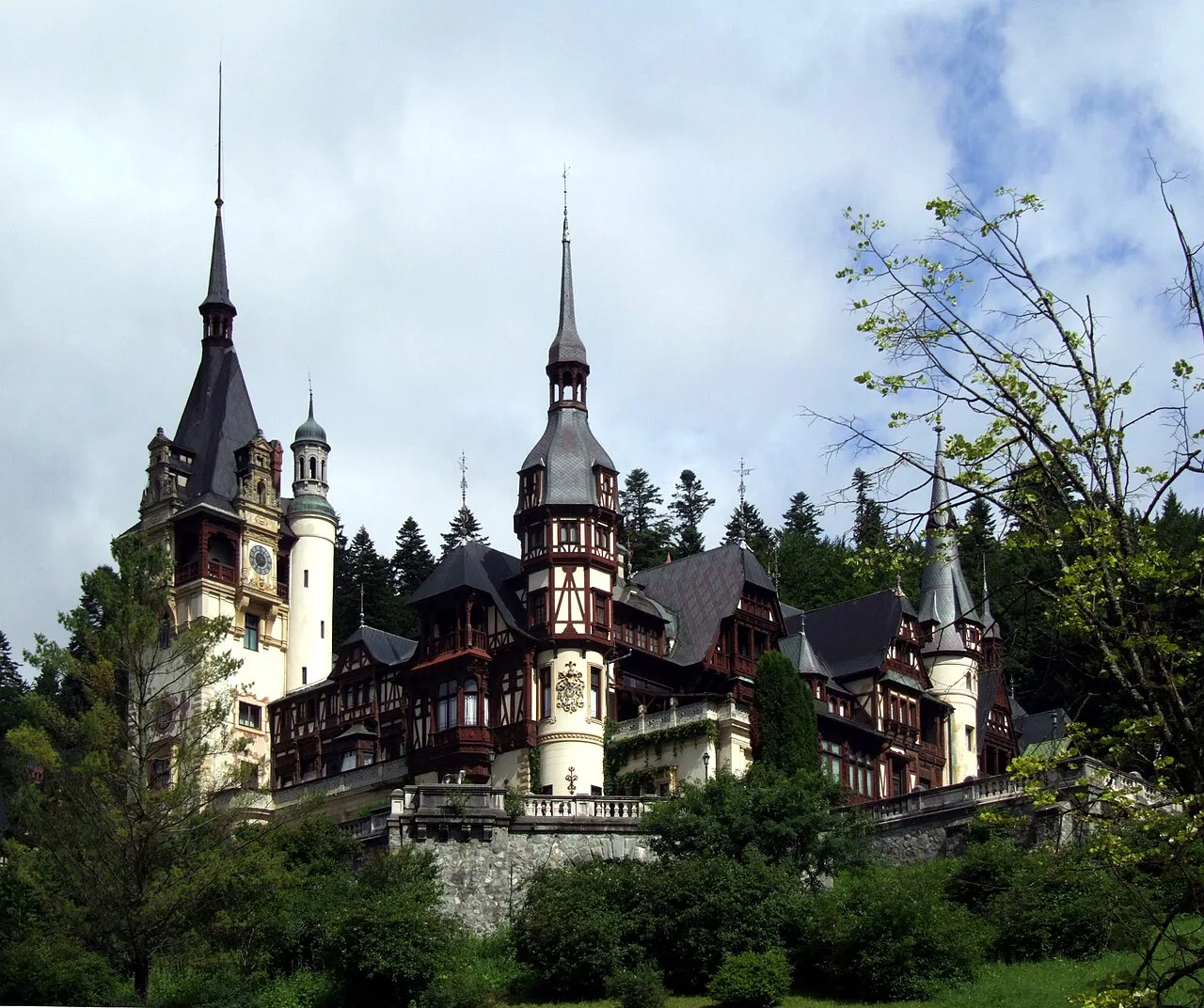
Brâncovenesc style: what it fuses and where to look
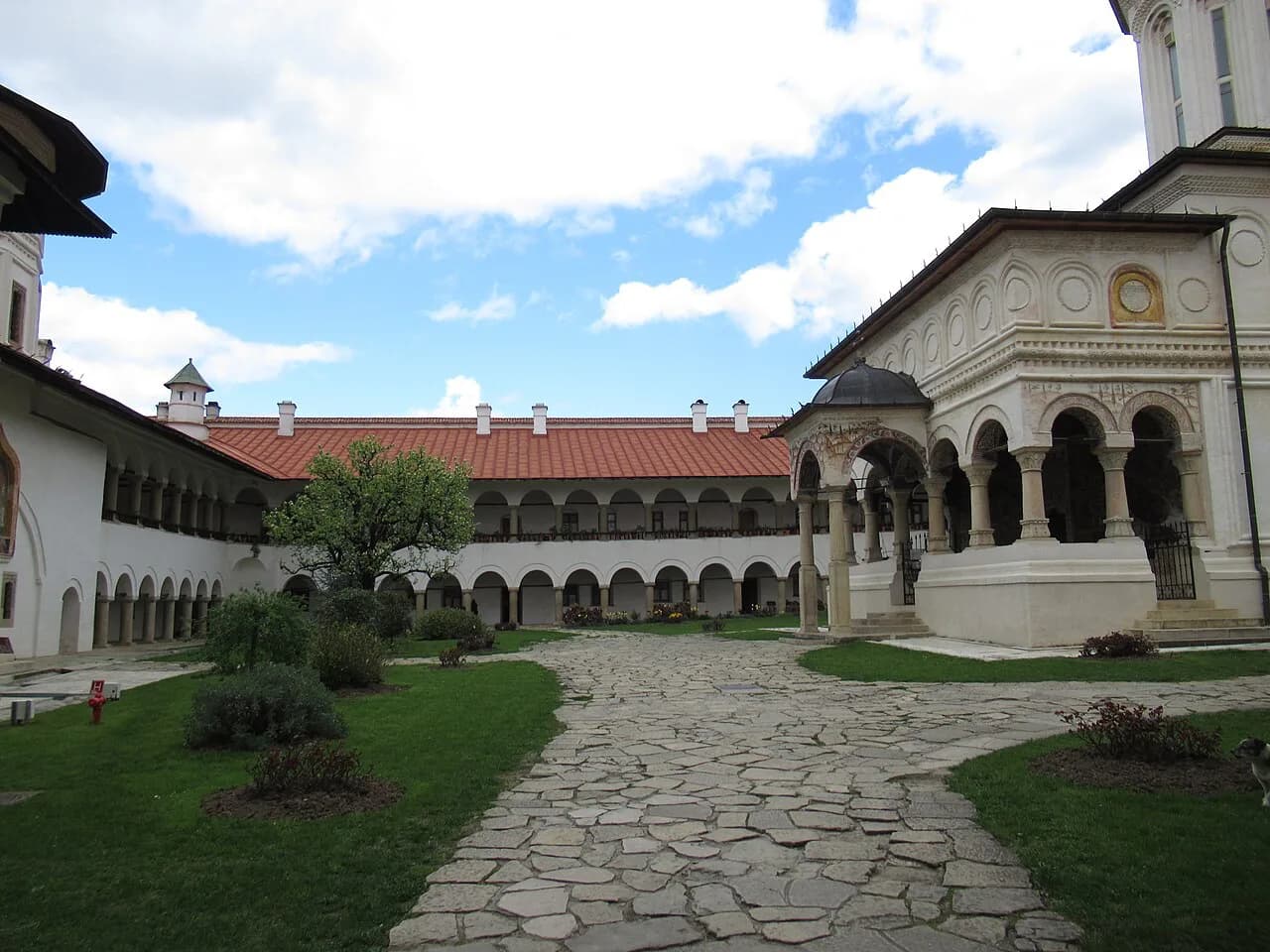
The Brâncovenesc style takes its name from Constantin Brâncoveanu, Prince of Wallachia, who developed it at the turn of the 18th century and used it across palaces and churches as a way of consolidating authority through culture. It is an elegant fusion of Byzantine, Ottoman Islamic and Renaissance architecture, applied to both secular and ecclesiastical buildings. For a visitor, that means looking for carved stone surrounds, arcaded loggias and decorative detail that borrows from several traditions at once.
What are the main architectural styles a visitor will notice in Romania? The main ones are Brâncovenesc, visible in churches and palaces from around 1700; Neo-Romanian, the turn-of-the-century style developed by Ion Mincu and his followers; the eclectic Belle Epoque and neoclassical buildings of Bucharest; the cloverleaf-plan Orthodox church with painted walls; Saxon fortified churches and town walls in Transylvania; painted monastery exteriors in Moldavia; wooden churches in the rural north; and communist-era housing.
What makes a Romanian Orthodox church distinctive? Many are built to a cloverleaf plan, with every inch of wall space painted, geometric patterned marble floors, carpets and rich decorative detail alongside the icons and fittings of an Eastern Orthodox church. They are anything but uniform, drawing on diverse architectural traditions, so two churches on the same street can look nothing alike.
Can I see several styles in one city? Yes, Bucharest is the obvious choice. Central Bucharest mixes neoclassical and Belle Epoque buildings such as the Royal Palace and Ateneul Român with Neo-Romanian townhouses, Brâncovenesc churches and the concrete redevelopment of the communist period.
Bucharest is the practical base for seeing it. The Brâncovenesc vocabulary later fed the national architecture movement, so a walk that starts with Brâncovenesc churches and palaces and continues to 19th-century buildings lets you see motifs being reused rather than invented.
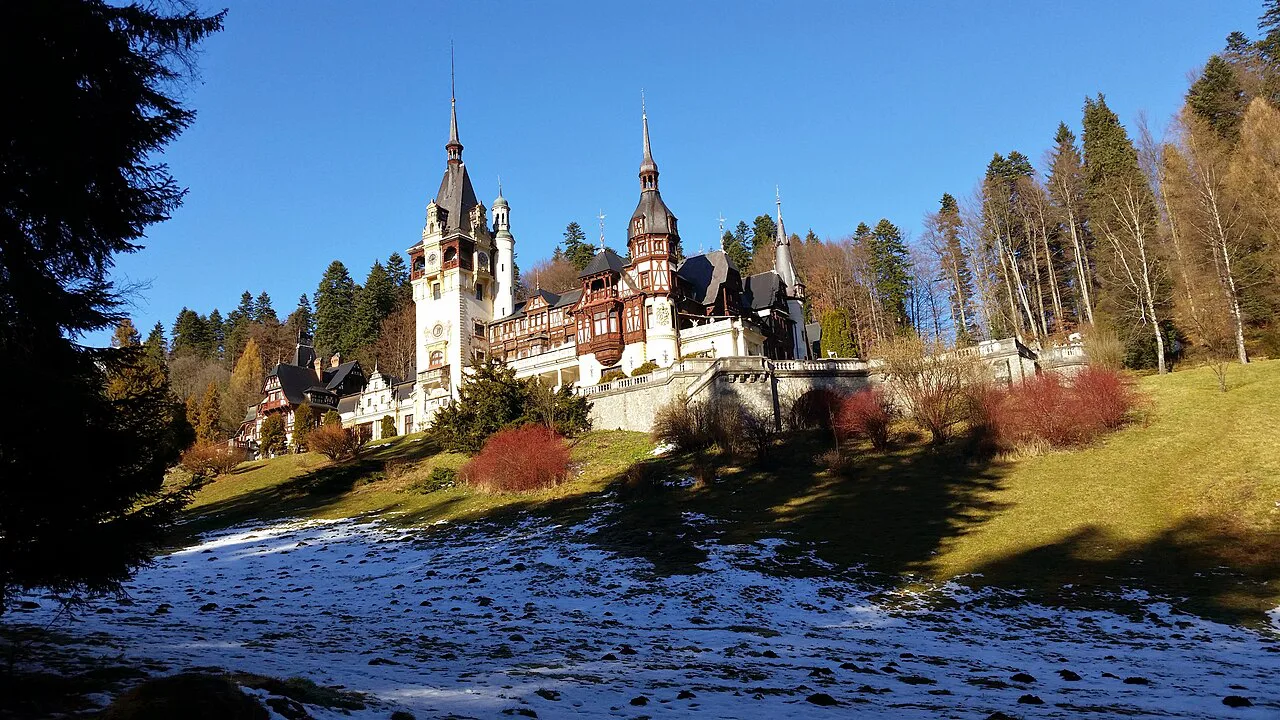
Neo-Romanian style: Ion Mincu and the turreted townhouse
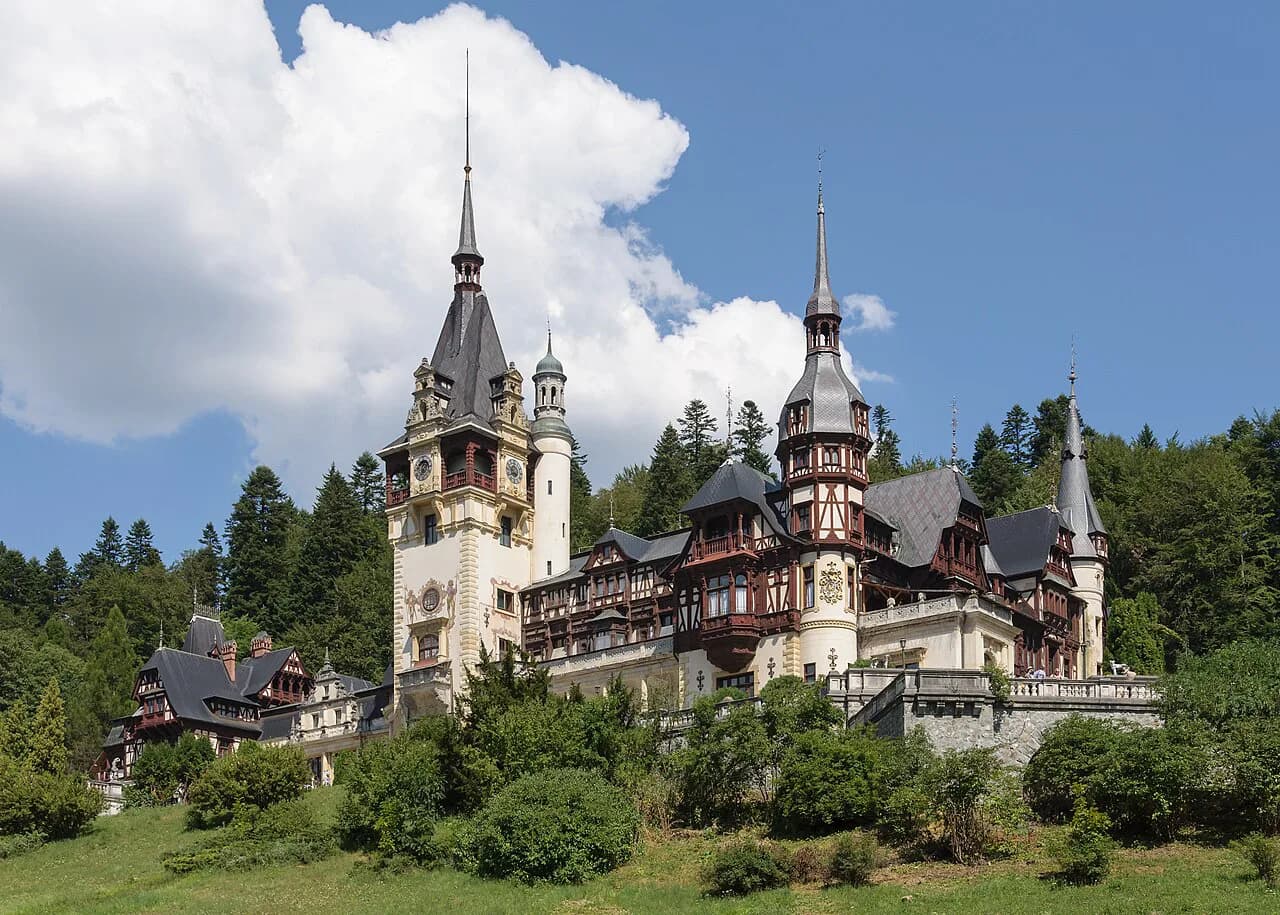
In the 19th century, architects searching for an autochthonous national style turned to Brâncovenesc forms. Ion Mincu and his disciples took not only specific elements but the idea that a tradition is preserved by developing and extending it, even while borrowing motifs from other cultures. The result is a style with an organic, playful quality that predates the Secessionist movements by a few decades.
Neo-Romanian buildings are rarely uniform. Townhouses and mansions are typically asymmetrical, each with a turret and its own decorative facade, and the dominance of the style in Bucharest's inner districts is a large part of the city's charm. Walk the central streets looking up at rooflines and corner turrets rather than at shopfronts.
Bucharest's eclectic core: Royal Palace, Ateneul Român and Belle Epoque streets
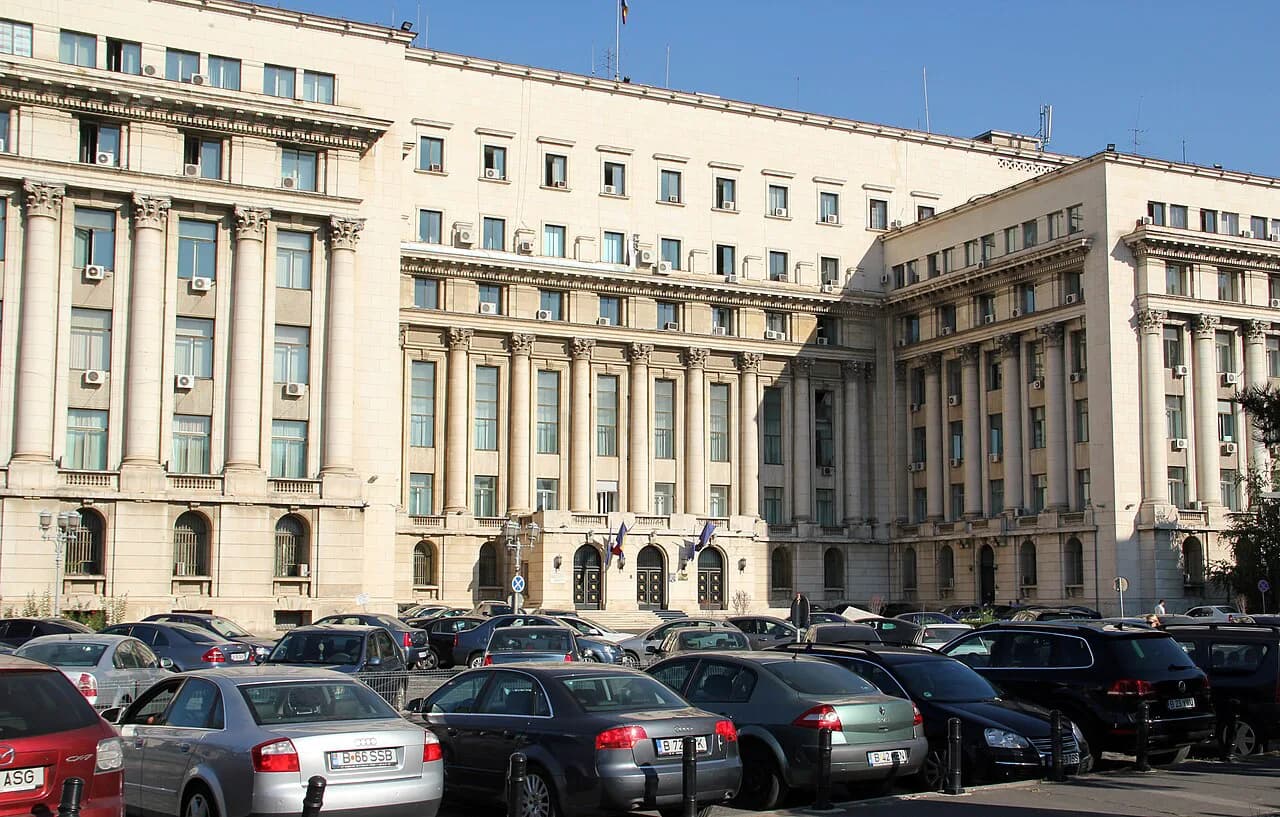
Driving into central Bucharest, the first impression is of eclecticism: adjacent buildings designed in different styles and from different epochs. Some of that is deliberate, especially the historicist neo styles favoured under Carol I, the first king of Romania after the Union of the principalities of Moldavia and Wallachia.
Neoclassical buildings such as the Royal Palace and the Ateneul Român (Romanian Athenaeum) belong to this period, alongside neo-Renaissance and French Belle Epoque townhouses, offices and theatres. The blend lent the city a new cosmopolitanism and earned it the nickname Little Paris. Plan a single walk that takes in the Athenaeum, the palace quarter and the surrounding streets instead of treating each era as a separate outing.
Romanian Orthodox church architecture: the cloverleaf plan and painted walls
Romanian Orthodox churches are anything but uniform, but many share a cloverleaf plan. Inside, expect every inch of wall space painted, geometric patterned marble floors, carpets and abundant decorative detail, along with the icons and fittings of an Eastern Orthodox church. The majority are Romanian Orthodox, yet they draw on diverse architectural traditions, so two churches on the same street can look nothing alike.
For the interior painting tradition in a smaller format, icons on glass are a useful counterpoint to church frescoes.
Saxon towns and fortified churches in Transylvania
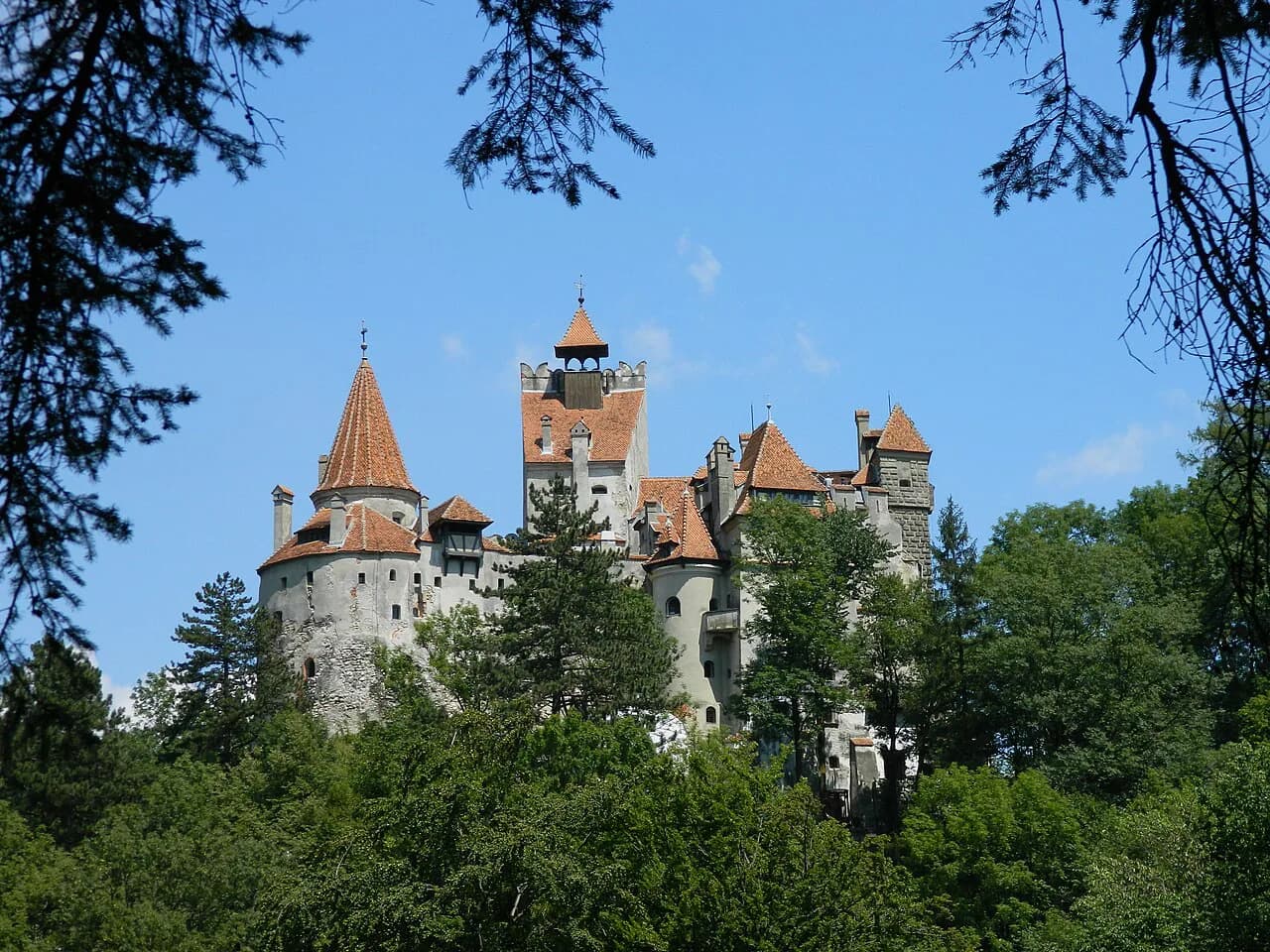
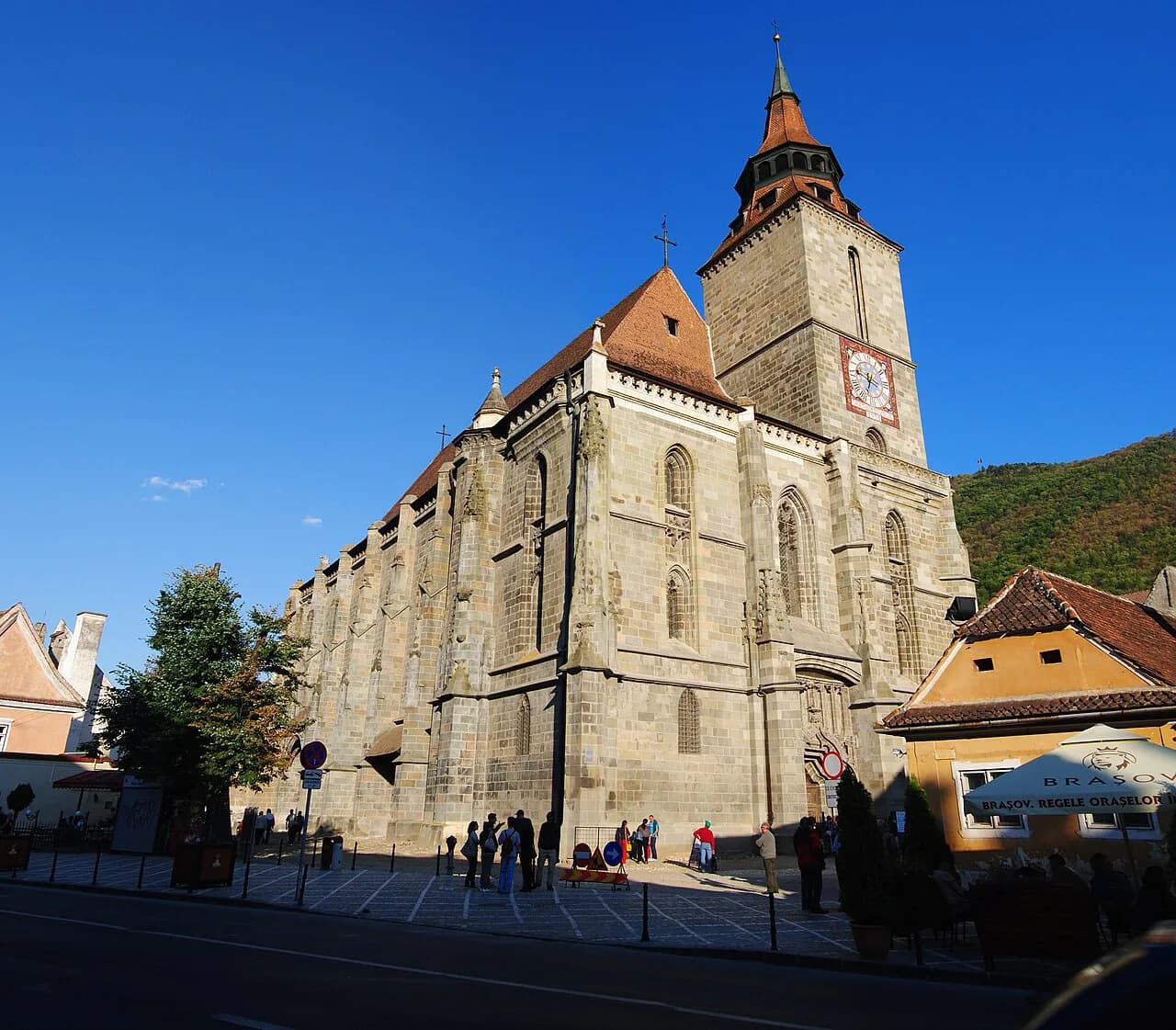
In Transylvania, the Saxon legacy shows in the towns of Sibiu, Brașov and Sighișoara and in the fortified churches of the surrounding villages. These towns work best as bases, with the village churches as the architectural destinations on a route by car.
Treat the Saxon towns and their defended churches as a single architectural story: the town walls, towers and gate structures of Brașov, Sibiu and Sighișoara set the pattern, and the villages around them repeat it on a smaller scale. If you have a car for only a day or two, choose a small number of villages and give each enough time to walk the church and its defences rather than rushing between them.
Moldavian painted monasteries: frescoes on the outside
In Moldavia, the distinctive form is the monastery church with its exterior walls covered in frescoes, painted to be read from the courtyard and the surrounding grass. The painted churches of Moldavia form a cluster that rewards a loop by car rather than single visits, so give each church time to walk the full exterior.
The painted exterior is the reason to travel this far north. If your interest is the painting tradition more broadly, pair the monasteries with the icons on glass collections in Transylvania to see how religious imagery moves between media.
Wooden churches: where they fit on an architecture trip
Wooden churches belong to the rural building tradition rather than to the court styles, and they sit within the village landscape rather than standing apart as individual monuments. Give each village enough time to see the church in its setting.
If you want to understand the rural building vocabulary before heading north, open-air museum collections that gather houses, churches and farm buildings in one place make a good introduction.
Communist-era Bucharest: systematisation and the Palace of the Parliament
A devastating earthquake in 1977 caused widespread damage in Bucharest and gave Nicolae Ceaușescu an excuse to accelerate urban redevelopment plans aimed at a socialist city. The programme included starting construction of the Palace of the Parliament, one of the largest administrative buildings in the world, which required the demolition of a whole sector of the old city.
The housing blocks of the period are not uniform slabs. Despite the brutalist love of reinforced concrete, apartment blocks were designed to create a varied facade, so they do not look the same as in other formerly communist countries. Look for the patterning of balconies and panels on the blocks beyond the centre.
How to read the styles on one trip
A workable route gives Bucharest two or three days for the Brâncovenesc, Neo-Romanian, Belle Epoque and communist layers, then moves to Transylvania for Saxon towns and fortified churches based in Sibiu, Brașov or Sighișoara. Add Moldavia and its painted monasteries as a separate northern leg.
Distances between these regions are long and trains do not reach every village church, so a car or a driver makes the fortified churches and monasteries far easier. Confirm opening times for individual churches and museums before travelling, as access varies between sites.
What to look for on a facade
On a Brâncovenesc or Neo-Romanian building, look for carved stone surrounds, arcaded loggias, corner turrets and asymmetrical massing. On a Belle Epoque townhouse, the cues are ornate window surrounds and decorative plasterwork. On a communist block, read the rhythm of balconies and the concrete panel pattern instead.
Take a camera and a notebook and record the details that repeat, because spotting a Brâncovenesc motif reused on a 19th-century facade is what turns a city walk into an architecture lesson. The Romanian folk costume tradition is worth keeping in mind too, since the same decorative instincts appear in embroidery.
Which part of Romania should you see first for architecture?
Start in Bucharest if you want the widest range in the shortest time: Brâncovenesc, Neo-Romanian, Belle Epoque and communist building sit within a few central streets, and the Atheneum and Royal Palace quarter make a natural first walk. Move on to Transylvania if fortifications and town walls interest you more than city facades.
Wherever you go, treat each stop as a building to read rather than a box to tick, and confirm opening times for churches and museums directly before you set out.
Explore more Romania guides
Frequently Asked Questions
What are the main architectural styles a visitor will notice in Romania?
The main ones are Brâncovenesc, visible in churches and palaces from around 1700; Neo-Romanian, the turn-of-the-century style developed by Ion Mincu and his followers; the eclectic Belle Epoque and neoclassical buildings of Bucharest; the cloverleaf-plan Orthodox church with painted walls; Saxon fortified churches and town walls in Transylvania; painted monastery exteriors in Moldavia; wooden churches in the rural north; and communist-era housing.
What makes a Romanian Orthodox church distinctive?
Many are built to a cloverleaf plan, with every inch of wall space painted, geometric patterned marble floors, carpets and rich decorative detail alongside the icons and fittings of an Eastern Orthodox church. They are anything but uniform, drawing on diverse architectural traditions, so two churches on the same street can look nothing alike.
Can I see several styles in one city?
Yes, Bucharest is the obvious choice. Central Bucharest mixes neoclassical and Belle Epoque buildings such as the Royal Palace and Ateneul Român with Neo-Romanian townhouses, Brâncovenesc churches and the concrete redevelopment of the communist period. It is the most efficient place to compare the styles side by side.
Can I visit the Palace of the Parliament?
The Palace of the Parliament is one of the largest administrative buildings in the world and was started under Ceaușescu's redevelopment programme, which demolished a whole sector of the old city. Check current access arrangements before planning a visit.
Sources
Useful notes for your next trip
Optional updates to our guides.
You might also like
Continue reading
More guides you'll find useful