Romanian Folk Art: What It Is and Where to See It
Romanian folk art covers icons on glass, painted pottery, wood carving and woven textiles. Here is what each craft involves and where the collections are.
On this page
Romanian folk art is the everyday craftwork of the Romanian countryside, and a museum visit is the quickest way to learn to recognise it. The objects most travellers meet first are painted icons on glass, glazed pottery, carved wood and woven textiles, often shown alongside costume, masks and jewellery. This guide groups those crafts by material so you know what you are looking at, names the museum collections worth building a trip around, and sets out what to check before you buy anything.
What Romanian folk art covers: the main crafts a visitor will recognise
Approach folk art by material and the collections stop blurring into one display case. Glass gives you painted icons; clay gives plates, bowls and tiles; wood gives gates, beams, tools and household pieces; fibre gives cloth, costume and tapestries. The objects shown in Romanian folk exhibitions are typically nineteenth-century peasant work, which is the period to hold in mind when a label says 'traditional'.
A useful historical reference point is the Mingei International Museum's Romanian Folk Arts exhibition, which ran from 25 July to 11 October 1981 in San Diego as a travelling show from the Bucharest Village Museum. It gathered costumes, tapestries, weavings, icons, masks and jewellery made by nineteenth-century Romanian peasant communities. Treat it as history rather than something to plan around: the objects themselves are the point, and the same categories are what you will meet in Romanian collections today.
If your trip is built around crafts rather than city sights, the wider context of painted churches, fortified villages and craft centres sits in this guide to Romanian Traditions. Read it alongside the material checklist above so that a village museum stop and a monastery visit reinforce each other instead of competing for the same afternoon.
Icons on glass: painted scenes on the reverse of the glass
Icons on glass are painted on the back of a sheet of glass, so the image is viewed through the glass and the painted surface is protected behind it. That reversed technique is what gives them their flat, bright look, and it is the single detail that helps a visitor tell a glass icon from a panel painting at a glance. In museum displays they usually appear in groups, which makes comparison easy.
What art is Romania known for? A useful reference for the folk crafts is the 1981 Mingei exhibition of Romanian folk art, which brought together painted icons on glass, glazed pottery, carved wood and woven textiles, shown alongside costume, masks and jewellery drawn from the Bucharest Village Museum. Those are the categories a visitor can look for in Romanian collections today.
What are some traditional crafts from Romania? Work in glass, clay, wood and fibre: icons painted on glass, decorated plates and bowls, carved gates, beams and household objects, and woven tapestries, cloth and costume. Museum labels give the date and use of individual pieces.
What is a traditional Romanian gift? A small woven textile, a ceramic piece or a glass icon carries the craft and travels better than carved wood. Buy from a seller who will explain how the piece was made, and ask for a photograph of the back or base when buying online.
When you look at one, check the edges and the back where the display allows it: a hand-painted icon shows brushwork and slight variation in the glass, while a printed copy is uniform and flat. Ask museum staff whether photography of the reverse is permitted before you lean in. If icons on glass are the reason for your trip, plan the museum stop first and the shopping second, because knowing the technique changes what you are willing to pay for later.
Painted pottery and ceramics: what to look for on plates and bowls
Pottery is the most portable folk craft and the one most travellers end up carrying home. Plates, bowls and ceramic wall hangings are the shapes to watch for, and painted decoration by hand is the marker of craftwork rather than factory output. In a collection, look at how the glaze sits and whether the pattern follows the curve of the vessel; a printed transfer usually sits flat and repeats exactly.
Ceramic wall hangings are a practical choice if you have limited luggage space, since they travel flat and can be wrapped in clothing. Plates are heavier and chip easily in a suitcase, so weigh up whether you want the piece enough to carry it carefully for the rest of the trip. Buy at the end of a trip rather than the start if you are moving between towns.
Wood carving: gates, beams, tools and household objects
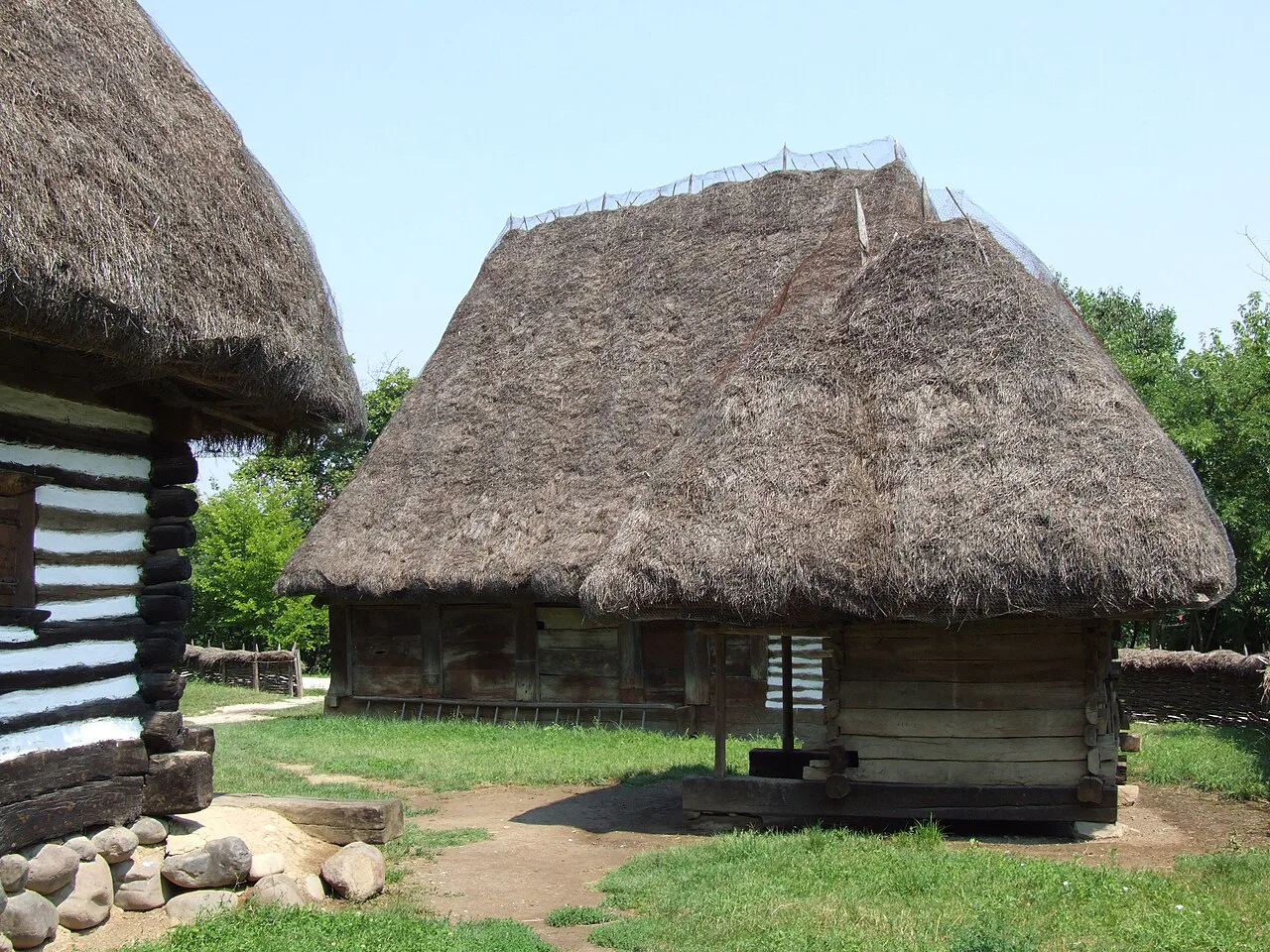
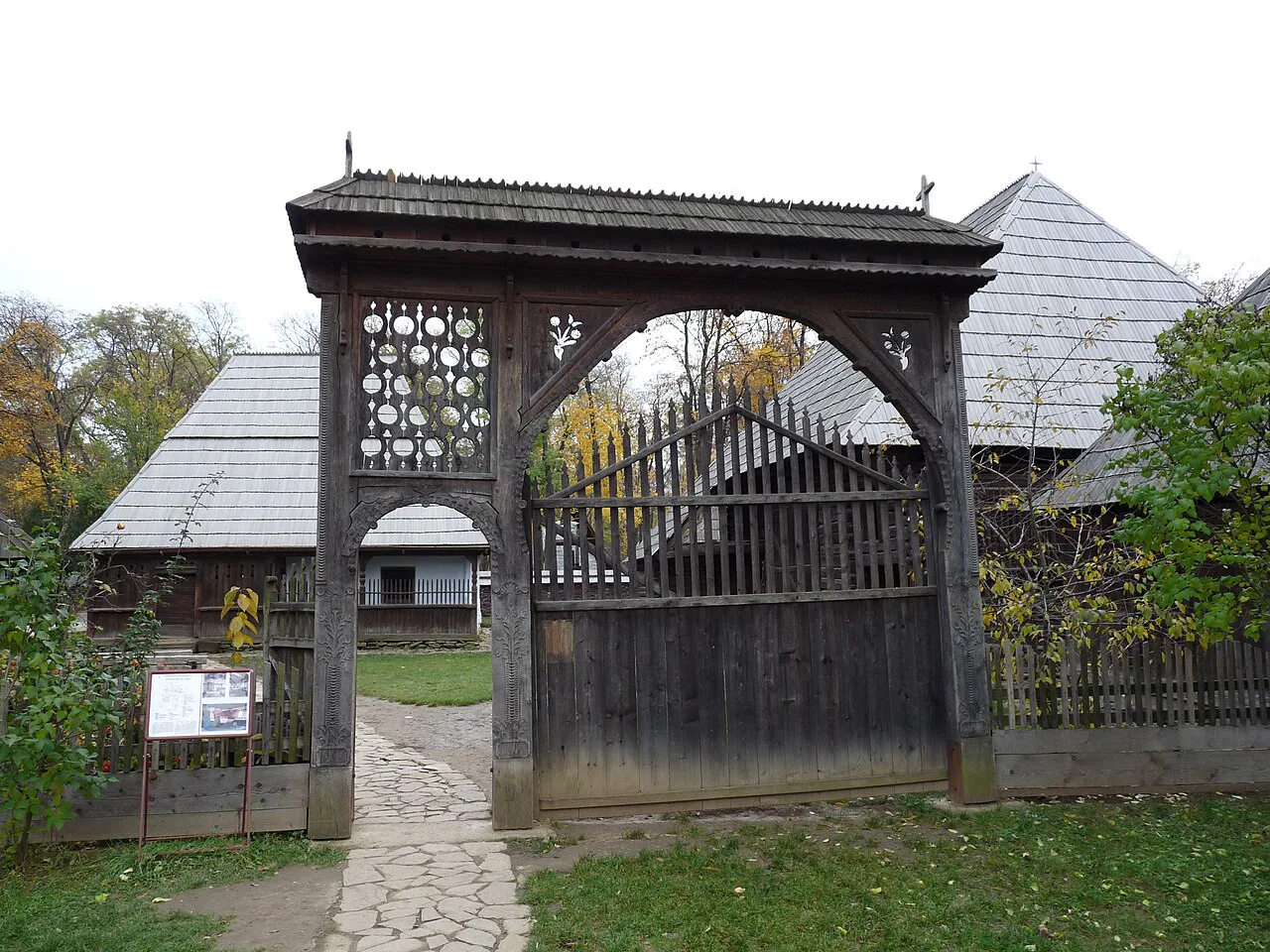
Wood carving sits at the scale of buildings as well as tabletop objects: carved gates and beams on village houses, and tools and household pieces inside the museums. Because the same craft appears on the outside of a house and on a shelf, rural walking and museum visits complement each other. Look at the depth of the cut and the tool marks, which are what separate carved work from moulded or machine-routed copies.
Carved pieces are bulky and heavy, so they are usually the wrong souvenir for a flight home unless the object is small. Photograph the gates and beams you like instead, and reserve your luggage allowance for lighter crafts. If you do buy, ask the seller how the piece was finished, since a surface treatment tells you how much care the object will need.
Weaving, costume and textiles: what the patterns mark
Woven cloth is where folk art and dress overlap most directly. Tapestries, weavings and costume pieces appear together in exhibitions of Romanian folk art, and seeing them side by side shows how a pattern moves from a wall hanging to a garment. The nineteenth-century pieces in museum collections are the reference point for what a handwoven textile looks like up close.
The patterns on costume and cloth mark region and occasion, so compare them with the fuller treatment in this guide to Romanian Folk Costume before you rely on a label. In a display case, check the reverse of a textile where it is visible: handwoven cloth usually shows its structure and irregularities on the back, while a printed fabric is even throughout. Textiles are also the easiest craft to pack, which makes them a sensible purchase if you are moving between several towns.
Masks, jewellery and everyday objects from the nineteenth century
Masks and jewellery broaden folk art beyond the decorative plate and the wall hanging. Masks belong to performance and festival use, while jewellery and small personal objects sit closer to daily wear, and both appear in Romanian folk collections alongside costumes and weavings. Museum labels give the date and use of each piece, so read them rather than guessing from the shape.
Small objects are where a collection repays slow looking: a piece of jewellery shows technique at a scale a tapestry cannot. If you are visiting with limited time, choose one case and study it properly rather than walking the whole gallery at speed. That approach also tells you which craft you actually want to seek out in a shop afterwards.
Museum collections linked to Romanian folk art
Bucharest's Village Museum was the source of the nineteenth-century peasant objects that travelled to San Diego for the 1981 Mingei exhibition. That link is a reminder of the depth of the Bucharest collections, and it is reason enough to give the Village Museum a proper slot in a city itinerary rather than treating it as a spare hour.
If you want to compare a Bucharest collection with another Romanian folk-art display, check opening days and ticket prices directly with each museum before you travel and budget in lei once you have the figures. Plan one collection per city rather than trying to see several in a short break.
A skeleton route that works is Bucharest for the Village Museum, then a train or drive to Sibiu to see another Romanian folk-art display, with travel time between the cities factored in. Confirm opening days and ticket prices directly with each museum before you travel. If your interests run to painted churches and fortified villages as well, the guide to UNESCO sites in Romania helps you decide where a museum stop fits alongside a monastery day.
Buying folk art in the UK and online from specialist sellers
If you will not get to Romania, specialist sellers bring the crafts to you. Casa De Folklore is a UK-based retailer offering Romanian artisanal products such as hand-woven tapestries and clay and wooden ornaments, which is useful when you want to see a piece before buying. Treat it as a shop, not a museum or an official body, and judge each item on its own merits.
Online marketplaces are the other route, with a broad spread of Romanian folk art offered by sellers and correspondingly wide variation in quality. The range is an advantage for browsing and a risk for buying, because listings sit side by side with no shared standard. Use the material tests in this guide on the photographs, and ask the seller direct questions before paying.
For a gift that carries the craft rather than just the look, a small woven or ceramic piece is easier to post than carved wood. Pair it with the background in this guide to Romanian souvenirs and you can explain what the object is and where the tradition sits. That context is often what makes a folk-art gift land well.
What to check before you buy: handmade versus printed reproductions
The practical test for any folk-art purchase is whether a hand made the decoration. On glass, look for brushwork visible through the pane and slight unevenness in the paint. On pottery, check that the pattern follows the shape of the vessel. On textiles, turn the piece over and look for woven structure rather than an even printed surface. On wood, look for tool marks and the depth of the carving.
Ask the seller plainly how the piece was made and whether it is a reproduction, and treat a vague answer as a reason to walk away. Price is a weak guide on its own, so check the material and the technique first and the cost second. If you are buying online, request a photograph of the back or the base, which is where the construction shows.
Which craft to chase first
Start with one material rather than the whole field: glass icons if you like painting, pottery if you want something portable, textiles if you are moving between towns. Build the museum stops around that choice, in Bucharest for the Village Museum or in Sibiu for ASTRA, and confirm days and ticket prices directly with each museum before you go. The craft you choose first is the one you will actually learn to recognise.
For the wider setting, from painted churches to town architecture, the Romanian architecture guide is the natural next read after a folk-art museum day. It puts the carved gate and the painted icon back into the street and the village where a visitor meets them.
Explore more Romania guides
Frequently Asked Questions
What art is Romania known for?
A useful reference for the folk crafts is the 1981 Mingei exhibition of Romanian folk art, which brought together painted icons on glass, glazed pottery, carved wood and woven textiles, shown alongside costume, masks and jewellery drawn from the Bucharest Village Museum. Those are the categories a visitor can look for in Romanian collections today.
What are some traditional crafts from Romania?
Work in glass, clay, wood and fibre: icons painted on glass, decorated plates and bowls, carved gates, beams and household objects, and woven tapestries, cloth and costume. Museum labels give the date and use of individual pieces.
What is a traditional Romanian gift?
A small woven textile, a ceramic piece or a glass icon carries the craft and travels better than carved wood. Buy from a seller who will explain how the piece was made, and ask for a photograph of the back or base when buying online.
Where can I see Romanian folk art outside Romania?
The Mingei International Museum in San Diego held a Romanian Folk Arts exhibition from 25 July to 11 October 1981, drawn from the Bucharest Village Museum; check current details for what is on display now. For pieces to buy in the UK, Casa De Folklore is a UK-based retailer stocking Romanian artisanal products such as hand-woven tapestries and clay and wooden ornaments.
Sources
Useful notes for your next trip
Optional updates to our guides.
You might also like


Continue reading
More guides you'll find useful