UNESCO Sites in Romania: The Full List and How to Visit
Romania has 11 UNESCO World Heritage Sites, nine cultural and two natural. Here is the full list, from Sighișoara and the painted churches to the Danube Delta.
On this page
Romania has 11 UNESCO World Heritage Sites: nine cultural and two natural, with the Brâncuși Monumental Ensemble of Târgu Jiu among the most recently inscribed. This guide lists all eleven with their inscription years, groups them by the town you would base yourself in, and says plainly which are an easy walk and which need a car, a tour or a long day on the road.
The sites fall into three rough clusters: the Saxon and medieval heart of Transylvania around Brașov and Sibiu, the painted monasteries of Moldavia in the north-east, and the wooden churches of Maramureș in the far north. The Danube Delta, Roșia Montană and the Dacian fortresses sit outside those clusters and each takes a deliberate detour; read the list first, then use the base-town section to build a realistic short break.
How many UNESCO World Heritage Sites are there in Romania?
There are 11 sites, of which nine are cultural and two are natural. The count and status are recorded in the official country listing, which is the version to trust if you are checking current details before booking.
The earliest inscription on the list is the Danube Delta, added in 1991, followed by the group of churches and villages in 1993; the newest entries are Roșia Montană in 2021 and the Brâncuși ensemble in 2024. Treat the year as an identifier rather than a ranking: it tells you when the committee recognised the site, not how much there is to see.
The full list at a glance: nine cultural sites and two natural sites
The cultural sites are the Churches of Moldavia (1993, extended 2010), the Monastery of Horezu (1993), the Villages with Fortified Churches in Transylvania (1993), the Wooden Churches of Maramureș (1999), the Historic Centre of Sighișoara (1999), the Dacian Fortresses of the Orăștie Mountains (1999), Roșia Montană Mining Landscape (2021), the Brâncuși Monumental Ensemble of Târgu Jiu (2024) and the Frontiers of the Roman Empire. That makes nine cultural entries in all.
Can you see any of these sites on a day trip from Brașov? Yes. Prejmer and Hărman are the closest fortified churches to Brașov and can be linked in a half-day by car, and Sighișoara is a straightforward train ride away if you are happy with a long day or an overnight.
Which sites are outdoors rather than ticketed interiors? The Brâncuși Monumental Ensemble in Târgu Jiu, the Dacian fortresses in the Orăștie hills and the beech forests are visited on foot in the open air. Access to individual fortresses and forest components varies, so ask locally before setting out.
Where do prices and opening times come from? Not from any single national page: each monastery, church and museum sets its own arrangements. Confirm hours and ticket prices in lei with the site or its managing body before you travel, especially for guided-only interiors such as the Roman galleries at Roșia Montană.
The two natural sites are the Danube Delta (1991) and the Primeval Beech Forests of the Carpathians and Other Regions of Europe (2017). The beech forests are a multinational inscription rather than a single Romanian reserve, which matters when you try to pin one on a map.
Historic Centre of Sighișoara: the citadel, the towers and the cobbled streets
Sighișoara's citadel is the one site on the list you can visit without leaving a town centre: cobbled lanes, colour-washed houses and the defensive towers of the old walled town. It was inscribed in 1999.
Sighișoara is also the birthplace of Vlad III, the Wallachian ruler later borrowed for Bram Stoker's Dracula. Keep the two apart: the historical voivode and the novelist's vampire are different subjects, and the citadel's interest stands without the fiction.
Allow half a day on foot for the citadel and the climb to the towers, and base yourself in town rather than treating it as a stop between Brașov and Cluj-Napoca. The streets are steep and cobbled, so sturdy shoes matter more than a tight schedule.
Churches of Moldavia: the painted monasteries of Voroneț, Sucevița and Humor
The Churches of Moldavia are a group of painted monasteries whose exterior walls carry vivid frescoes; Voroneț, Sucevița and Humor are among the best-known houses in the group. The site was listed in 1993 and extended in 2010.
These sit in the north-east around Suceava and Gura Humorului, a long way from Brașov and better reached by car or on an organised tour than by rail alone. They work as a two- or three-day loop rather than a day trip from Transylvania.
The painted walls are the point, so go in daylight and plan the monasteries as a sequence rather than single stops. Photography rules and opening arrangements vary between houses; check each monastery's own posted notice when you arrive, since one policy does not cover all of them.
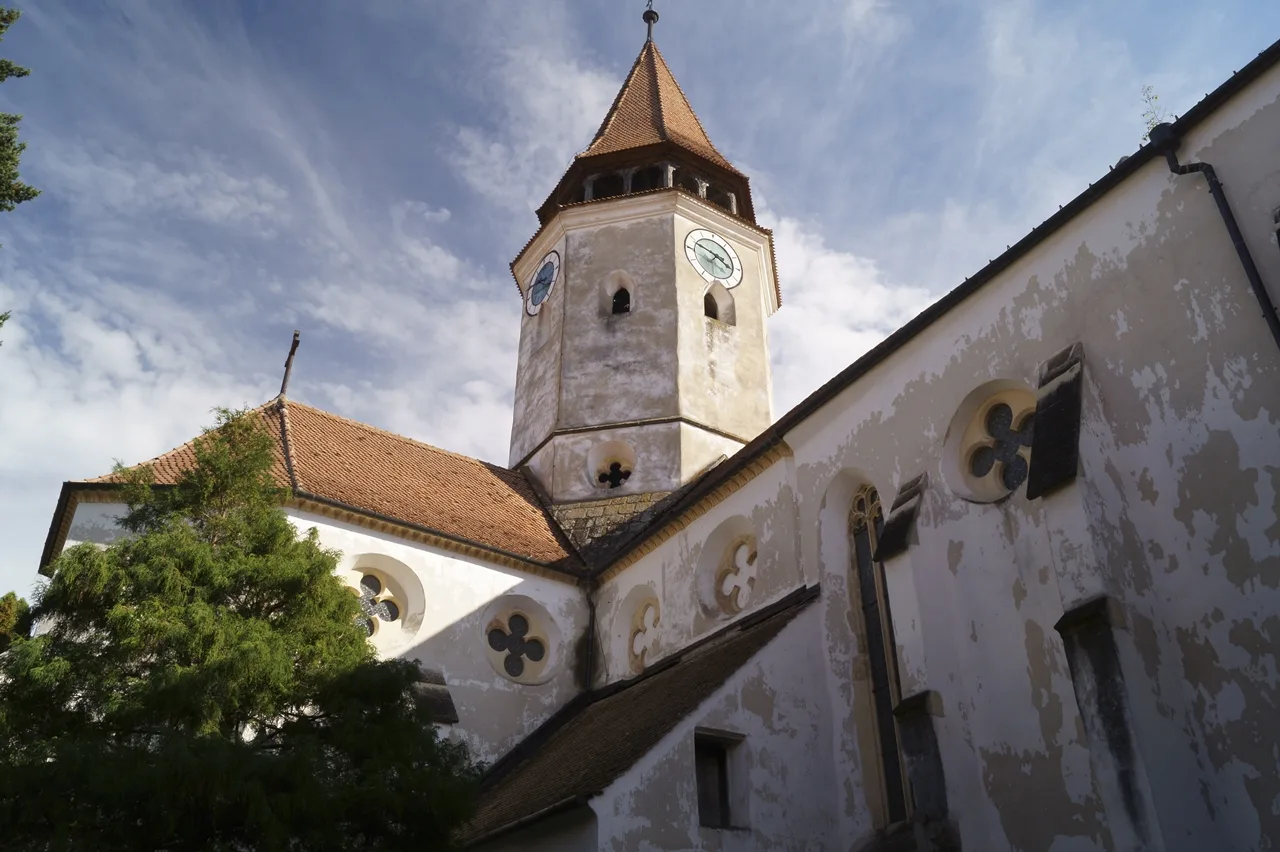
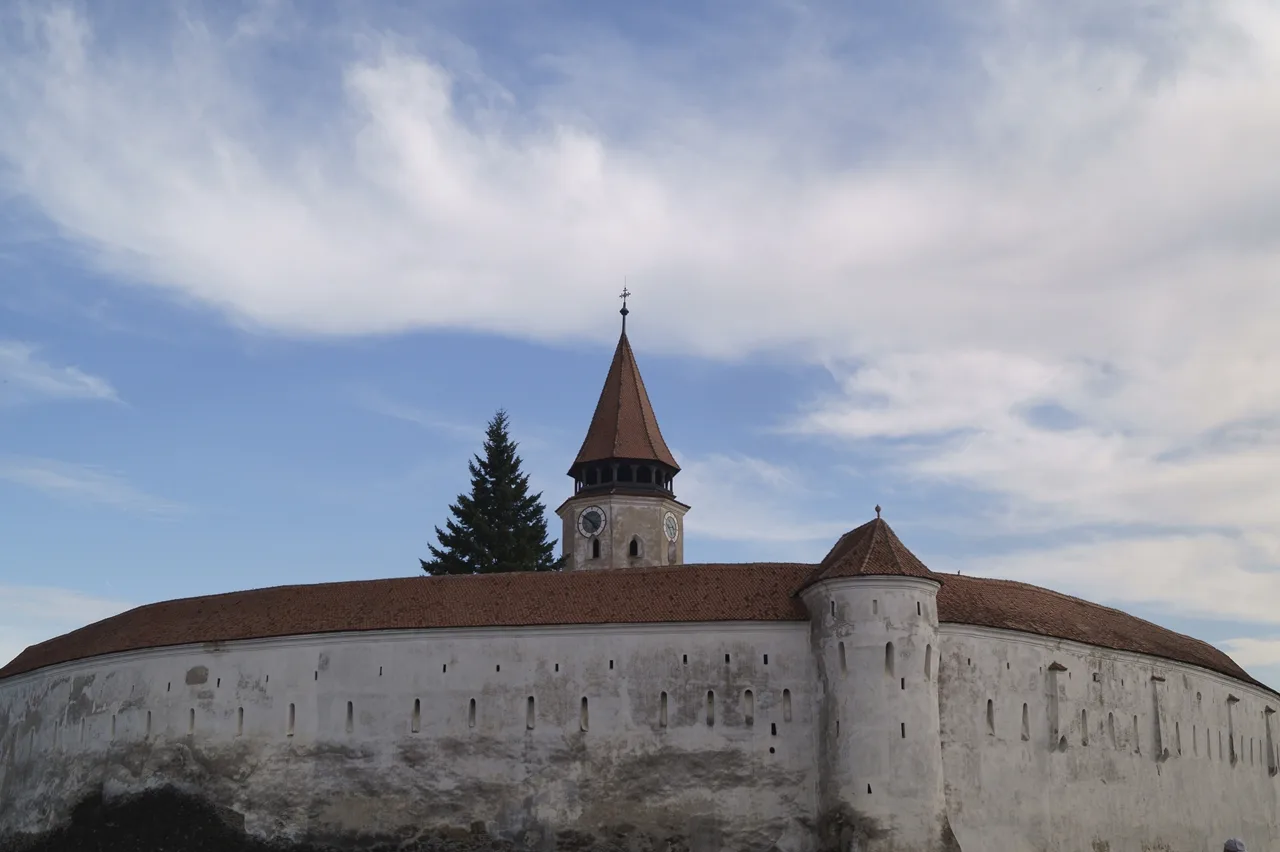
Villages with Fortified Churches in Transylvania: Biertan, Viscri, Prejmer and Hărman
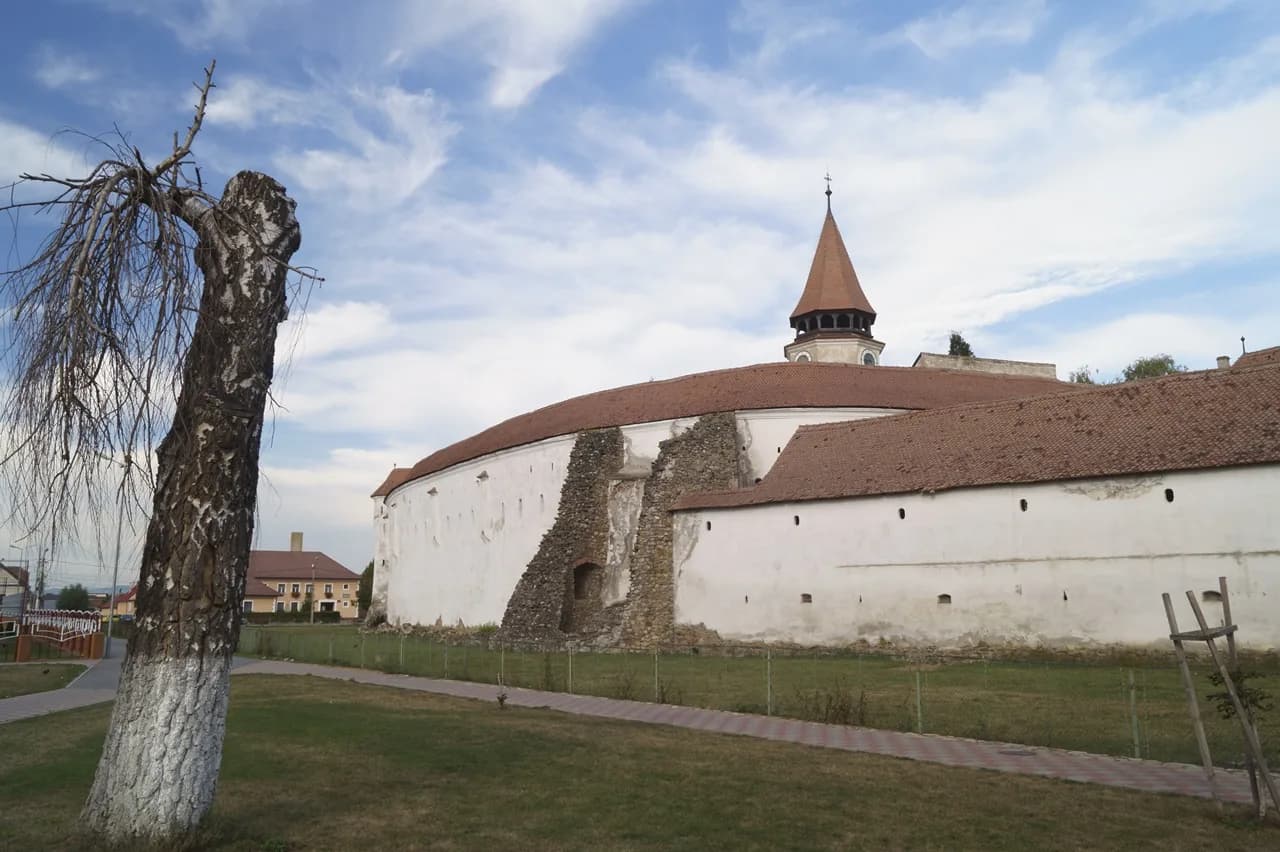
The Villages with Fortified Churches in Transylvania, inscribed in 1993, gather Saxon villages whose churches were ringed with defensive walls. Biertan, Viscri, Prejmer and Hărman are the names most travellers aim for, and they fall across Brașov, Sibiu and Mureș counties.
Prejmer and Hărman are the easy pair: both lie close to Brașov and can be linked in a half-day by car. Viscri and Biertan are further west and reward a slower loop through the villages, with Biertan roughly halfway between Sibiu and Sighișoara.
Village churches keep country hours, so build slack into the day and confirm access locally before driving a long way. Pairing a fortified church with a village walk gives you more than the church interior alone, and the rural setting is part of what the listing protects.
Monastery of Horezu and its Brâncovenesc architecture
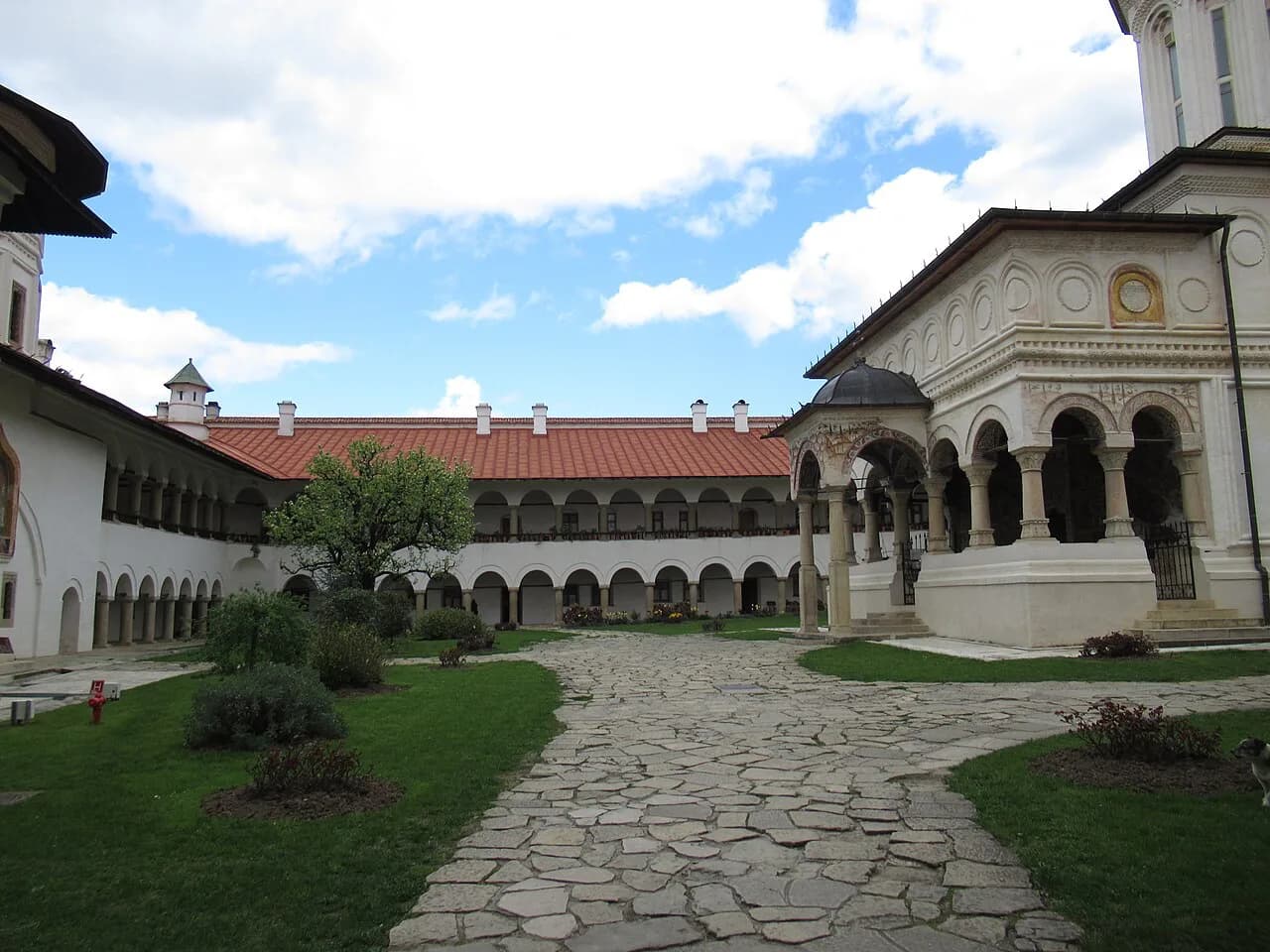
The Monastery of Horezu, inscribed in 1993, is recognised for its Brâncovenesc architecture, with carved stone and fresco work inside the complex. It sits in Vâlcea county in Oltenia, south of Sibiu and west of the Olt valley.
Horezu is a working monastery, so dress and conduct follow the house's rules rather than a museum's. It is a natural stop if you are driving between Sibiu and Bucharest or looping through the Olt valley, but it is not a quick add-on to a Brașov city break.
The monastery is the anchor of a wider craft region, and the surrounding villages are known for pottery. If you want context on the handmade traditions that run through Romania's churches and villages, our guide to Romanian traditions covers the crafts you will meet on the road.
Wooden Churches of Maramureș
The Wooden Churches of Maramureș, inscribed in 1999, are timber churches with steep roofs and carved interiors, scattered across Romania's far north. They reflect local craftsmanship and religious tradition rather than a single architectural school.
Maramureș is the most remote cluster on this list. Base yourself in Sighetu Marmației or Baia Mare and give the churches two days by car; coming from Cluj-Napoca, the drive alone eats a morning.
Several churches remain in active parish use, so access depends on the village rather than a ticket desk. Ask locally, dress modestly, and treat a closed door as normal rather than a failure of planning.
Dacian Fortresses of the Orăștie Mountains
The Dacian Fortresses of the Orăștie Mountains, inscribed in 1999, are a network of six fortresses built in the 1st century BC, showing defensive architecture from before the Roman conquest. They lie in the hills south of Orăștie in Hunedoara county.
This is the least urban site on the list: expect hill walks, rough ground and limited signage rather than reconstructed walls. A car is close to essential, and the fortresses suit travellers who are happy to read the landscape rather than look at exhibits.
The same county holds the Dacian and Roman sites around the Șureanu mountains, so treat Orăștie as a base for a full day rather than an hour's stop. Check access to individual fortresses locally, since paths and gates in the hills change with the season.
Roșia Montană Mining Landscape
Roșia Montană Mining Landscape was inscribed in 2021 and preserves Roman galleries, mining landscapes and traditional settlement patterns shaped by mining. It sits in the Apuseni mountains of Alba county, north-west of Alba Iulia.
Visiting means going underground: the Roman galleries are the reason the site is listed, and they are not a casual stroll. Ask in the village about guided access, because the galleries are not the sort of place to wander into unsupervised.
Roșia Montană combines well with Alba Iulia, whose star-shaped citadel is a straightforward half-day on foot. Our guide to Romanian architecture explains the fortified and religious building types you will see across these sites.
Danube Delta: the natural site and how you reach it
The Danube Delta, inscribed in 1991, is one of Europe's largest wetlands, with marshes, lakes and channels that host hundreds of bird and fish species. It is the oldest Romanian entry on the list and the one where wildlife, not architecture, is the draw.
Reach it from Tulcea, the gateway town at the delta's edge, and expect to move by boat once you are there. This is a two- to three-day commitment from Bucharest or Constanța, not an afternoon excursion, and the pace is set by water and weather.
Boat trips, permits and guide arrangements are local matters; ask your accommodation or the Tulcea tourist office what is running when you arrive. Birdwatchers should build in an early start, since the delta's wildlife is most active before the day heats up.
Primeval Beech Forests of the Carpathians
The Primeval Beech Forests of the Carpathians and Other Regions of Europe, inscribed in 2017, is a natural site contributed to by several Romanian protected forests in the Carpathians. It protects ancient woodland and its biodiversity rather than a single visitor attraction.
These forests are the hardest site on the list to visit as a sightseer: there is no single entrance, and the components are spread across the mountains. Treat them as landscape you pass through on a drive rather than a stop with a car park and a ticket office.
If you want a forest walk with waymarked paths, choose a national or country park with published routes and check conditions at the visitor centre. Avoid assuming any beech wood you pass is part of the inscription.
Brâncuși Monumental Ensemble of Târgu Jiu and the Roman frontiers
The Brâncuși Monumental Ensemble of Târgu Jiu joined the list in 2024, recognising the sculptor's public works in the town of Târgu Jiu in Gorj county. It is the newest Romanian inscription and an easy outdoor visit on foot.
Romania's cultural entries also include the Frontiers of the Roman Empire, the transnational listing of Roman frontier works. For a traveller, that means Roman remains in several parts of the country rather than one site with a single address.
Târgu Jiu pairs naturally with a drive through Oltenia, and Horezu is on the same axis. Both are outdoor visits, which makes them flexible but also means you should check local access if you are travelling outside the main season.
Which sites work together on one trip from Brașov or Sibiu
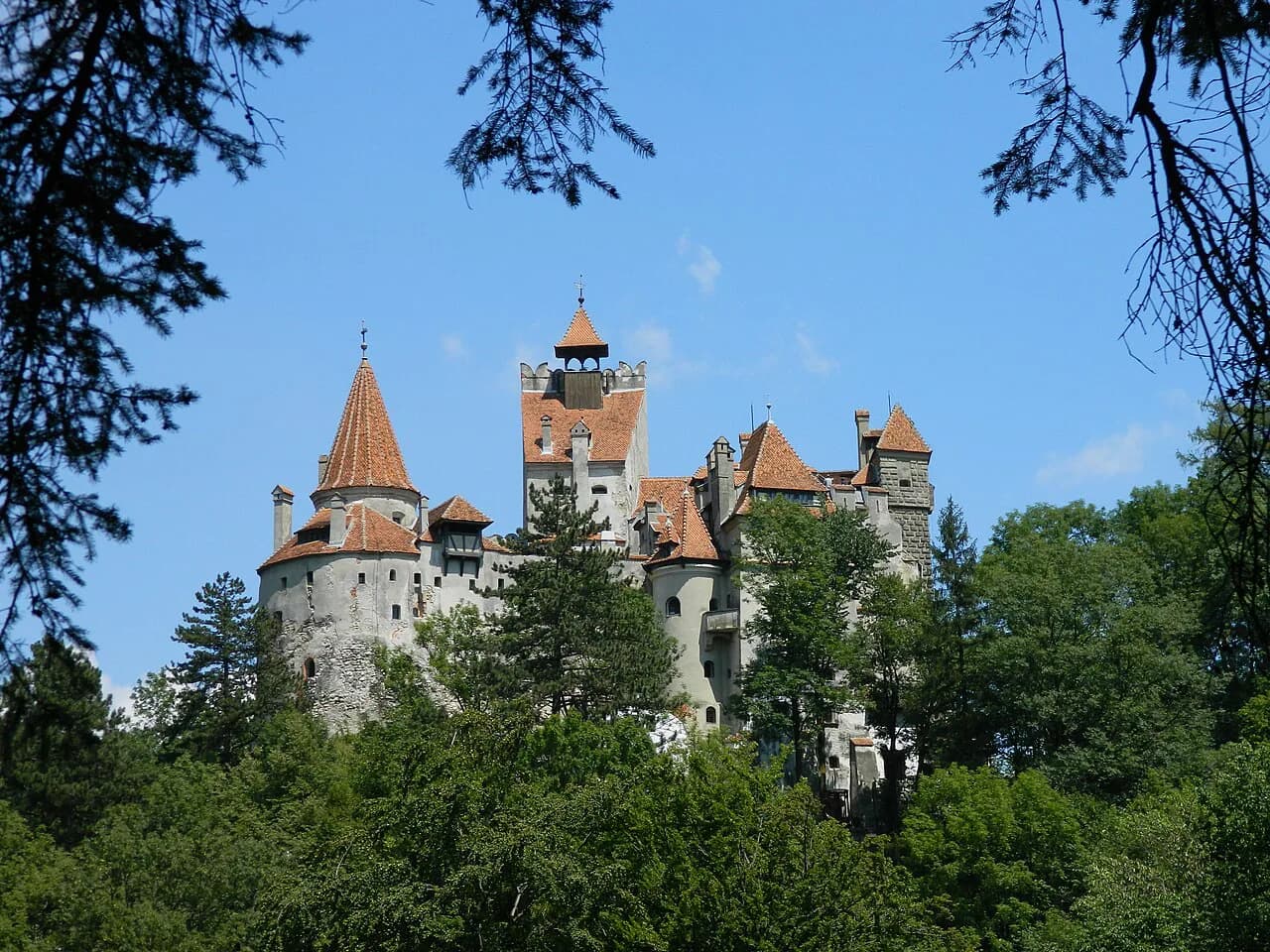
From Brașov, the practical cluster is Prejmer and Hărman for fortified churches plus Sighișoara as an overnight, with Biertan on the road west. Add Bran or Râșnov only if you want castle scenery between the church stops; our guide to Romanian traditions covers the village crafts and calendar that sit around these drives.
From Sibiu, Biertan and the villages of the Târnava valley sit within a day's drive, and Sighișoara is a straightforward run east. Sibiu also works as the launch point for a longer push to Alba Iulia and Roșia Montană.
If the crafts and village life appeal as much as the buildings, our piece on Romanian folk costume explains the dress you will see at village festivals and museum displays along these routes.
The painted monasteries and Maramureș do not combine comfortably with Brașov on a short break: both sit in the north and deserve their own trip, and trying to cover Sighișoara, the monasteries and the wooden churches in four days means most of it spent in the car.
Which sites need a car, a tour or a train
Sighișoara is the train-friendly one, sitting on the main line between Brașov and Cluj-Napoca, and the citadel is a walk from the station. Brașov and Sibiu are also rail-connected and make sensible bases without a car.
Prejmer and Hărman are reachable from Brașov by local bus or taxi, but the timetable is thin; a car or a short guided tour saves hours. Biertan, Viscri, Maramureș, the painted monasteries, the Orăștie fortresses, Roșia Montană and the Danube Delta all reward a car or an organised tour.
For the delta and the monasteries, an organised tour removes the logistics of boats and long rural drives. For Transylvania's villages, self-driving gives you the freedom to stop, but check your hire car terms for gravel roads before you commit.
What a UNESCO listing does and does not include
Inscription recognises a site's value and commits the state to managing it, but it does not turn every component into a ticketed attraction with a visitor centre. Some entries, like the beech forests and the Roman frontiers, are spread across many locations.
That means you should check what is actually open before building a day around one name. Monastery and village church access is set locally, and guided visits may be the only way into galleries or interiors; ask on arrival or through your accommodation.
Opening hours, ticket prices in lei and seasonal closures change, so confirm them with the site or its managing body before you travel. A listing tells you a place matters; it does not tell you the gate will be open on a Tuesday in November.
Which UNESCO sites should you actually build a trip around?
For a first trip, build around Sighișoara and the fortified churches of Transylvania, using Brașov or Sibiu as a base and adding Biertan or Viscri by car. That combination gives you the citadel, the village churches and the Saxon landscape without long drives between regions.
Add the painted monasteries or Maramureș only if you have a second week and a car or a tour booked. Roșia Montană, the Orăștie fortresses and the Danube Delta are each a deliberate detour, and the beech forests are landscape rather than a destination with a gate.
Explore more Romania guides
Frequently Asked Questions
Can you see any of these sites on a day trip from Brașov?
Yes. Prejmer and Hărman are the closest fortified churches to Brașov and can be linked in a half-day by car, and Sighișoara is a straightforward train ride away if you are happy with a long day or an overnight. The painted monasteries and Maramureș are too far for a comfortable day trip.
Which sites are outdoors rather than ticketed interiors?
The Brâncuși Monumental Ensemble in Târgu Jiu, the Dacian fortresses in the Orăștie hills and the beech forests are visited on foot in the open air. Access to individual fortresses and forest components varies, so ask locally before setting out.
Where do prices and opening times come from?
Not from any single national page: each monastery, church and museum sets its own arrangements. Confirm hours and ticket prices in lei with the site or its managing body before you travel, especially for guided-only interiors such as the Roman galleries at Roșia Montană.
Sources
Useful notes for your next trip
Optional updates to our guides.
You might also like

Continue reading
More guides you'll find useful